
 한국어
한국어 English
 日本語
日本語 中文(简体)
 Viewing nowCombination
Emplom Extended-release Tablet 12.5/1000 mg (Empagliflozin, Metformin)
Empagliflozin 12.5mg · Metformin Hydrochloride 1000mg
Tablet · Prescription medication · Combination
Dongkwang Pharmaceutical Co., Ltd.
MFDS item code 202500550 · Approved 2025.03.12 · Insurance code 645907590
Blood sugar control in adults with Type 2 diabetes and prevention of cardiovascular events
This medication is used to help control blood sugar in adults with Type 2 diabetes who are following dietary and exercise regimens. In particular, it effectively manages blood sugar levels by using a combination of empagliflozin and metformin in patients whose blood sugar control is inadequate. Additionally, it may help reduce the risk of cardiovascular events in adults with Type 2 diabetes and cardiovascular disease. It is important to refer to expert guidelines and precautions during use to ensure safe administration. This medication assists in managing blood sugar levels and cardiovascular health.
The dosage of this medication is determined based on each patient's treatment regimen, efficacy, and tolerability, not exceeding a maximum daily dose of 25 mg of empagliflozin and 2000 mg of extended-release metformin hydrochloride. This medication should be taken once daily with dinner. For the 10/1000 mg or 25/1000 mg extended-release tablet, take one tablet once daily. For the 5/1000 mg or 12.5/1000 mg extended-release tablet, patients should take two tablets once daily. To reduce gastrointestinal adverse reactions associated with metformin, the dosage increase of metformin hydrochloride should be gradual. To maintain the extended-release properties, this medication should not be split, crushed, ground, or chewed but should be swallowed whole. It is not known whether the active ingredient of the medication is present in the substances discharged in feces. If a patient repeatedly reports that this medication was found in their feces, healthcare professionals should assess whether blood sugar is being adequately controlled (refer to the precautionary measures, Section 5. General precautions). - If patients cannot achieve significant blood sugar control with metformin alone or in combination with other medications like insulin, the initial recommended dose of this medication is a total daily amount of 10 mg of empagliflozin and the existing metformin dose; if tolerance for empagliflozin 10 mg is good and additional blood sugar control is needed, the dose can be increased to 25 mg. - Patients switching to this medication from a combination of empagliflozin and metformin will be dosed using the existing amounts of empagliflozin and metformin. During the conversion from immediate-release metformin to extended-release, glucose control should be closely monitored, and dose adjustments should be appropriately made. - When administering this medication in combination with sulfonylureas or insulin, reducing the doses of sulfonylureas or insulin may be considered to reduce the risk of hypoglycemia (refer to the precautionary measures, Section 4. Adverse reactions and Section 6. Interactions). Special populations Renal impairment Dosage adjustments based on renal function are required, thus periodic evaluation of kidney function is advised before and after administration of this medication. In patients with mild renal impairment [creatinine clearance (CrCl) ≥ 60 mL/min or estimated glomerular filtration rate (eGFR) ≥ 60 mL/min/1.73 m2], dosage adjustments are not necessary. In moderate renal impairment [CKD stage 3A, creatinine clearance (CrCl) ≥ 45 mL/min and < 60 mL/min or estimated glomerular filtration rate (eGFR) ≥ 45 mL/min/1.73 m2 and < 60 mL/min/1.73 m2], if tolerability is good and no other symptoms that would increase the risk of lactic acidosis are present, it can be used with adjusting the dosage of metformin hydrochloride as follows: - The starting dose for extended-release metformin hydrochloride should not start with this medication, with a dosing of either 500 mg or 750 mg once daily. The maximum daily dose of metformin hydrochloride is 1000 mg. If the creatinine clearance (CrCl) drops below 45 mL/min or the estimated glomerular filtration rate (eGFR) is below 45 mL/min/1.73 m2, this medication must be stopped immediately. Elderly patients Patients aged 75 and older should consider the risk of declining kidney function and fluid volume.
This medication helps lower blood sugar levels. However, it may rarely cause a serious condition called lactic acidosis, so caution is needed. Additionally, when used with insulin or other diabetes medications, hypoglycemia may occur, requiring careful monitoring. This drug should not be used in patients with impaired renal function, acute kidney issues, severe infections, heart failure, or acute myocardial infarction. In particular, if renal function is moderately reduced or worse, use should be prohibited, and regular kidney function tests should be performed. This drug should be temporarily stopped before and after surgery or tests involving radiocontrast agents. It should not be used in pregnant women or those with placental dysfunction, patients with liver impairment, or those with severe lung diseases. As this medication contains lactose, individuals with lactose intolerance should avoid it. During treatment, it is important to be vigilant for symptoms of hypoglycemia and signs of infection, as the risk of urinary and genital infections may be increased. Those with fluid depletion, dehydration, or cardiovascular disease should be monitored closely. There may be a decrease in vitamin B12 levels, so regular testing is advisable if necessary. Avoiding alcohol is important, as it may increase the risk of lactic acidosis. Furthermore, the tablets should be swallowed whole without chewing or crushing, and it is acceptable if the tablet coating is expelled unchanged. Elderly patients may have a higher risk of renal function decline, requiring dosage adjustment and regular monitoring of kidney function. In cases of overdose, especially with a risk of lactic acidosis, prompt medical attention is necessary, and blood dialysis may be needed to remove the drug. Finally, during the course of this medication, do not combine it with other medications without consulting a doctor, and report any unusual symptoms to a healthcare professional immediately.
Not everyone experiences these, and they can vary from person to person.
This medication may be sensitive to air and moisture and should be stored in a tightly sealed container. It is best to maintain a storage temperature between 1 and 30 degrees Celsius to preserve the drug's effectiveness and safety for a long time.
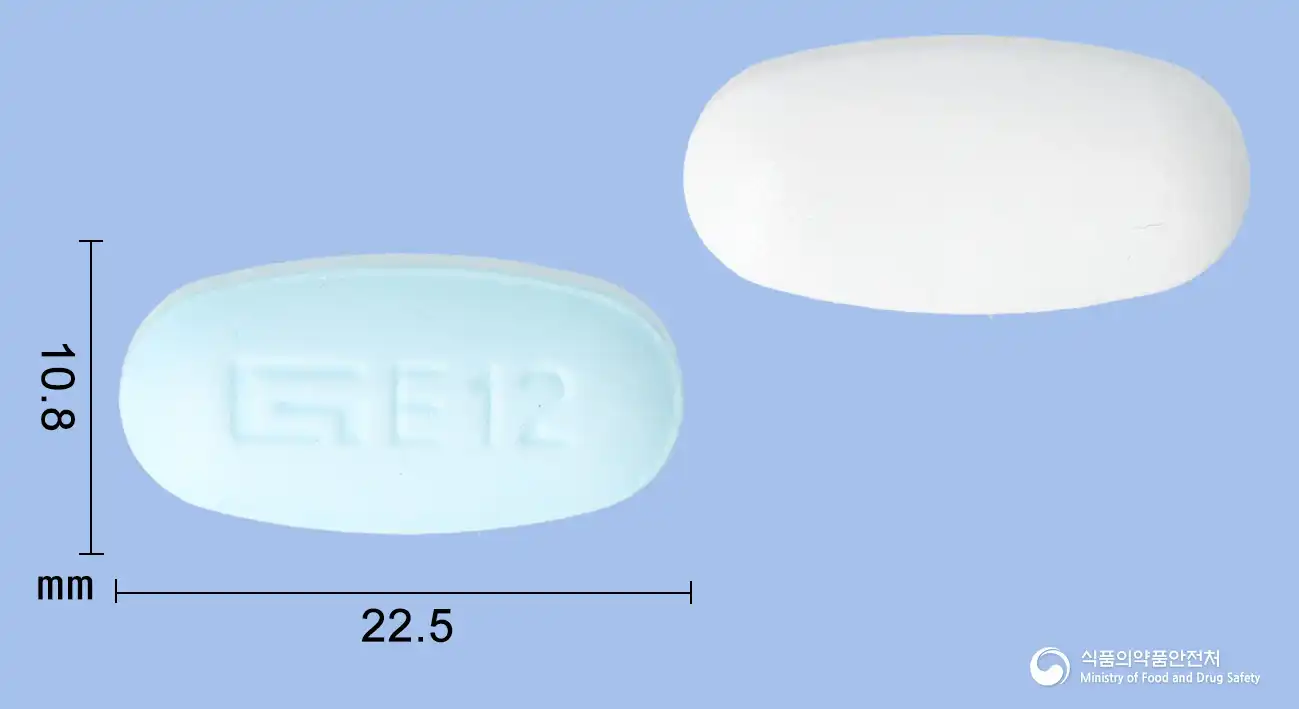
White and light blue, oval, double convex extended-release film-coated tablets
30 tablets/bottle
Even with the same ingredient, strength, dosage form and how it is taken can differ.
Viewing nowCombinationEmpagliflozin 12.5mg · Metformin Hydrochloride 1000mg
Tablet · Prescription medication · Combination
Dongkwang Pharmaceutical Co., Ltd.
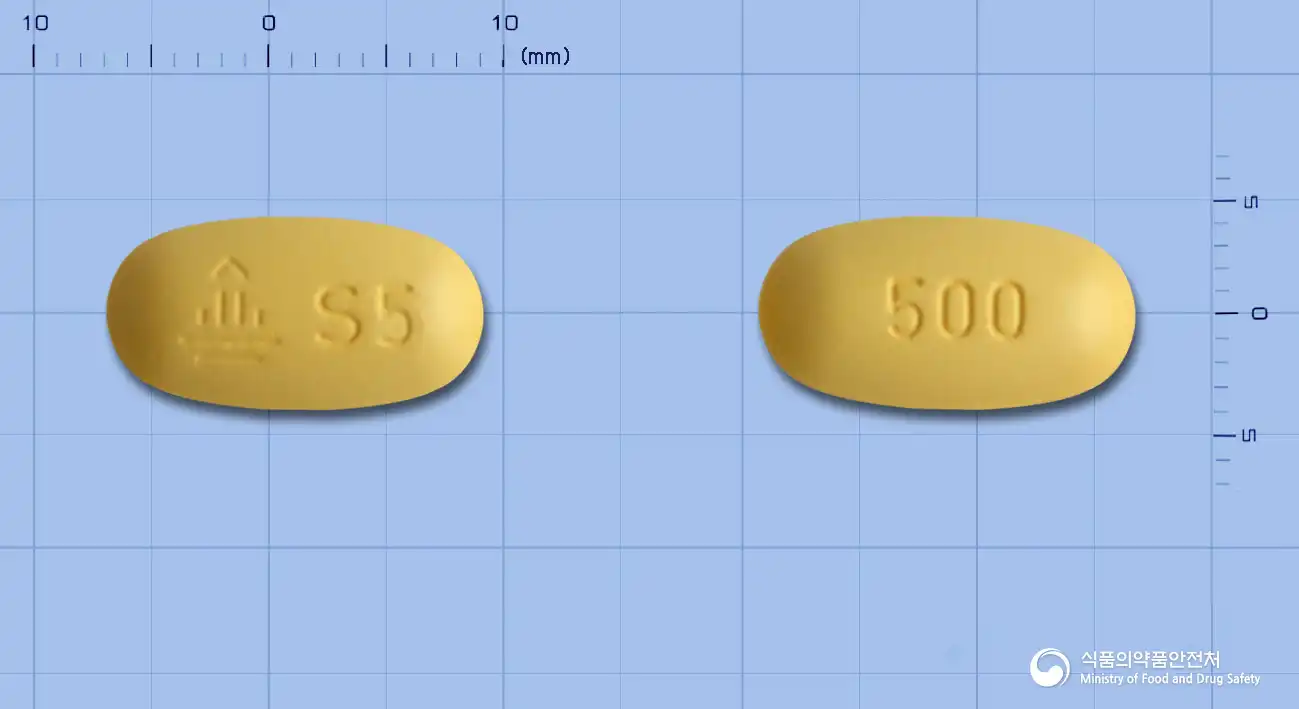 Combination
Empagliflozin 5mg · Metformin Hydrochloride 500mg
Tablet · Prescription medication · Combination
Boehringer Ingelheim Korea Co., Ltd.
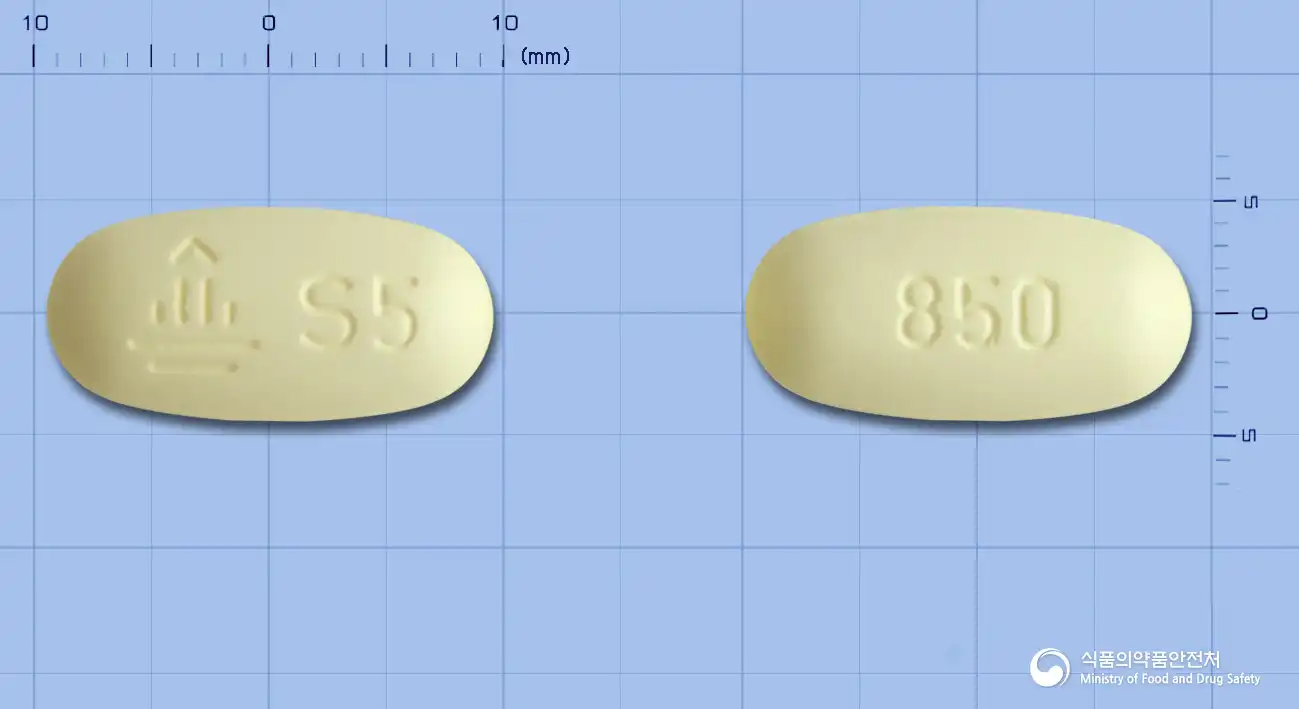 Combination
Empagliflozin 5mg · Metformin Hydrochloride 850mg
Tablet · Prescription medication · Combination
Boehringer Ingelheim Korea Co., Ltd.
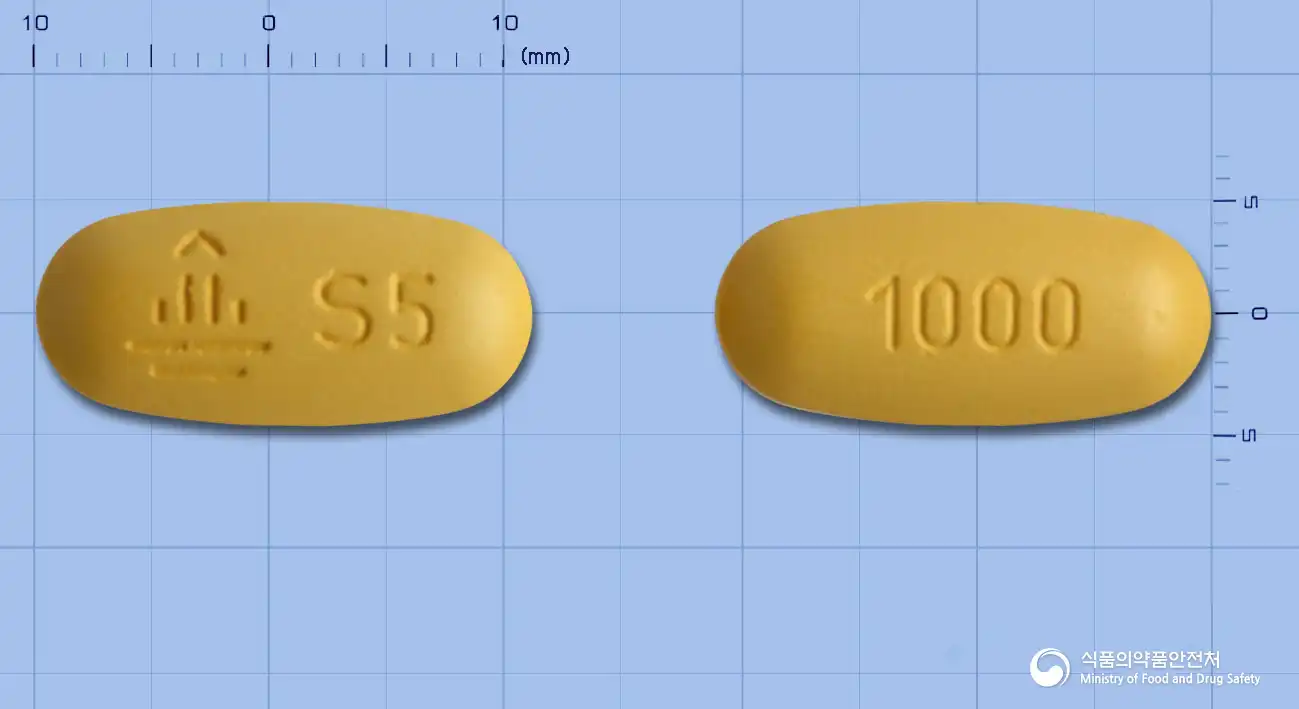 Combination
Empagliflozin 5mg · Metformin Hydrochloride 1000mg
Tablet · Prescription medication · Combination
Boehringer Ingelheim Korea Co., Ltd.
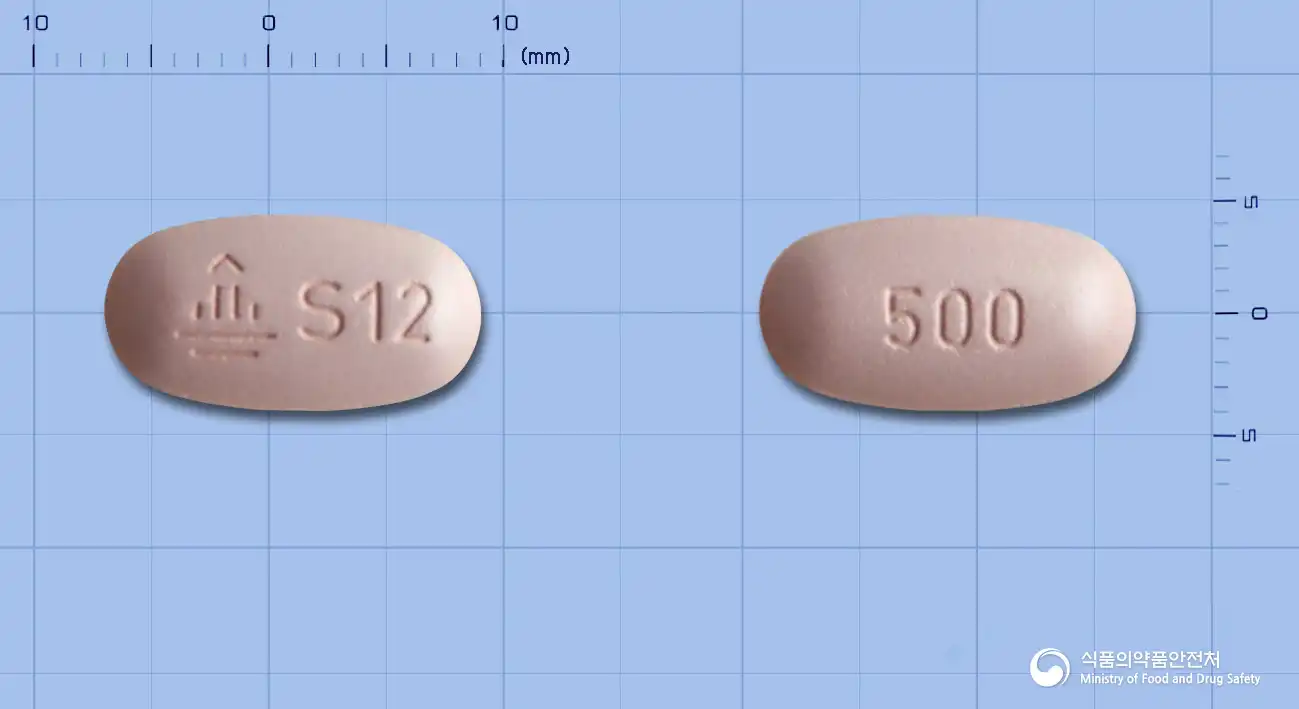 Combination
Empagliflozin 12.5mg · Metformin Hydrochloride 500mg
Tablet · Prescription medication · Combination
Boehringer Ingelheim Korea Co., Ltd.
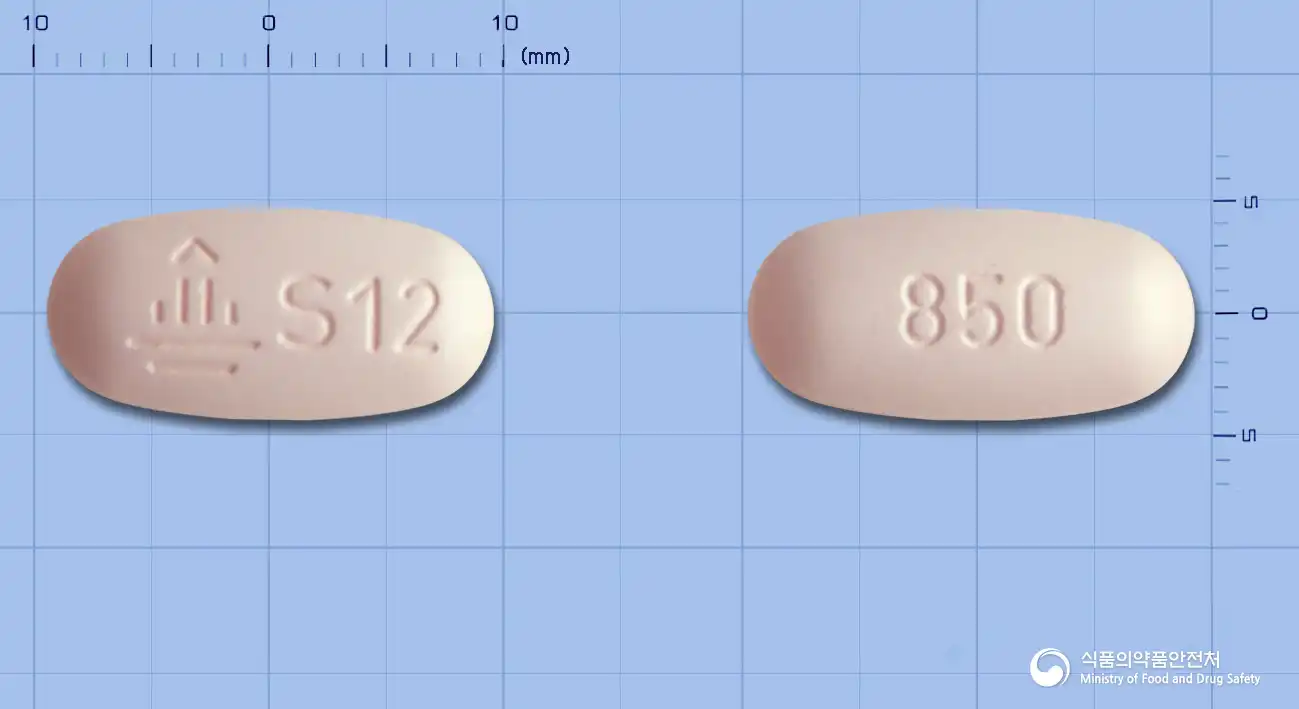 Combination
Empagliflozin 12.5mg · Metformin Hydrochloride 850mg
Tablet · Prescription medication · Combination
Boehringer Ingelheim Korea Co., Ltd.
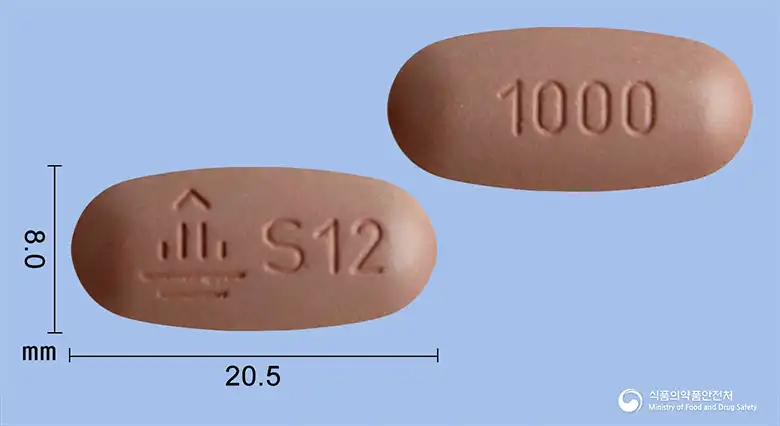 Combination
Empagliflozin 12.5mg · Metformin Hydrochloride 1000mg
Tablet · Prescription medication · Combination
Boehringer Ingelheim Korea Co., Ltd.
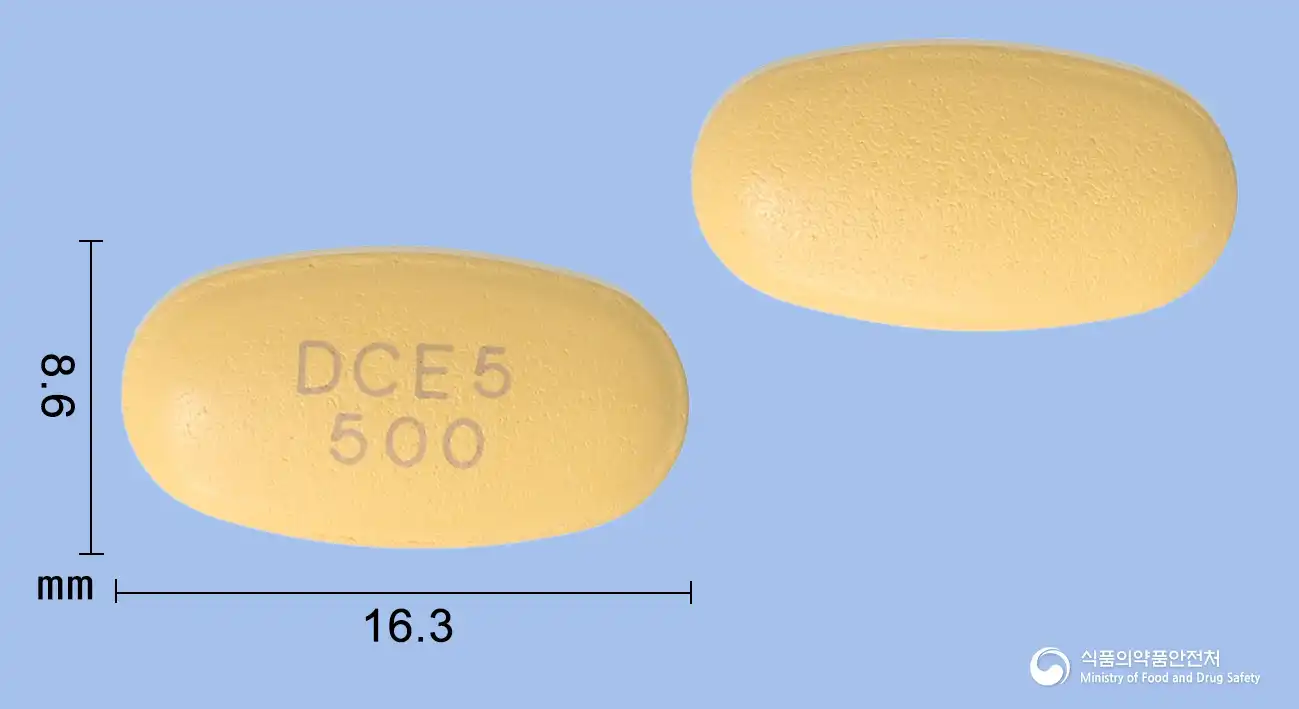 Combination
Empagliflozin 5mg · Metformin Hydrochloride 500mg
Tablet · Prescription medication · Combination
Donggu Bio Pharmaceutical Co., Ltd.
Even with the same ingredient, the dose and directions can differ by strength and dosage form. Talk to a doctor or pharmacist before switching from a medication you are already taking.
No questions yet.
For anything that needs medical judgment, consult a doctor or pharmacist.
This drug information is based on data provided by the Korea Ministry of Food and Drug Safety.
Consult a doctor or pharmacist for accurate dosage, administration, and usage instructions.