
 한국어
한국어 English
 日本語
日本語 中文(简体)
 Viewing nowCombination
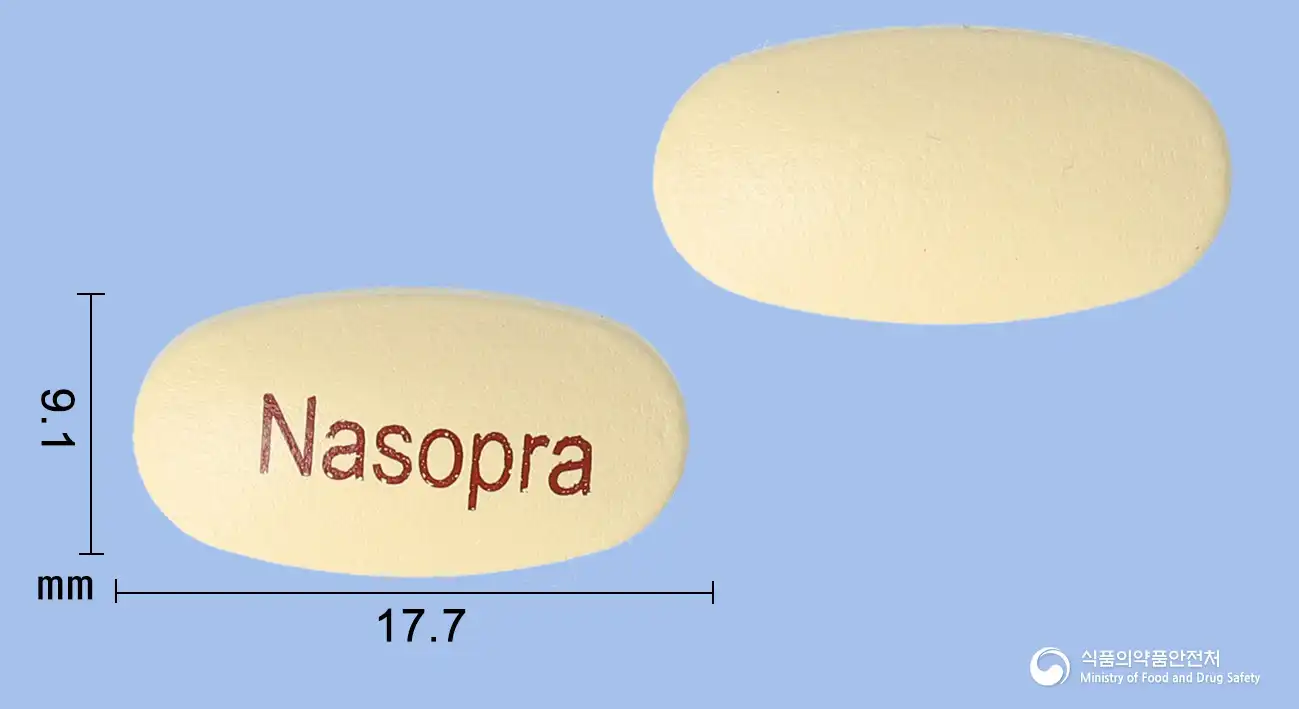
Nasopra Tablet 500/20 mg (Naproxen, Esomeprazole)
Naproxen 500mg · Esomeprazole Magnesium Trihydrate 22.3mg
Tablet · Prescription medication · Combination
Kyungdong Pharmaceutical Co., Ltd.
MFDS item code 202500425 · Approved 2025.02.26 · Insurance code 648105180
Treatment of symptoms of osteoarthritis, rheumatoid arthritis (including ankylosing spondylitis) and suppression of the risk of gastric ulcers.
This medication is used for patients who have a risk of gastric or duodenal ulcers and do not achieve sufficient effectiveness with low-dose naproxen or other non-steroidal anti-inflammatory analgesics. It primarily alleviates inflammation and pain associated with joint diseases such as osteoarthritis, rheumatoid arthritis, and ankylosing spondylitis, thereby improving the quality of life for arthritis patients.
Adults: Administer 1 tablet (500 mg naproxen / 20 mg esomeprazole) orally twice a day. This medication should be swallowed whole with water and should not be split, chewed, or crushed. It is recommended to take at least 30 minutes before meals.
This medication may cause gastric bleeding in individuals who regularly consume more than three drinks a day, so it is essential to consult a doctor or pharmacist before use. The non-steroidal anti-inflammatory drug components in this medication may increase the risk of cardiovascular diseases and lead to serious issues such as myocardial infarction or stroke. Especially for those with cardiovascular diseases or risk factors, careful consideration is necessary before taking this medication, and cardiovascular symptoms should be closely monitored during treatment. This medication poses a risk of gastrointestinal bleeding, ulcers, perforation, and other gastrointestinal issues, thus, special caution is advised for the elderly or those with a history of gastrointestinal diseases. If gastrointestinal symptoms or signs of bleeding appear, consult a physician immediately to receive appropriate treatment. Those with allergies to any components of this medication or with a history of asthma, rhinitis, nasal polyps, active peptic ulcers, or bleeding disorders should not take this medication. Patients with severely impaired liver, kidney, or heart function and pregnant women in the later stages of pregnancy should also refrain from using this medication. Individuals with a history of peptic ulcers, blood disorders, bleeding tendencies, liver or kidney dysfunctions should take this medication with caution and require regular check-ups. Long-term use of this medication necessitates periodic checks on liver and kidney functions, as well as blood condition, and should be discontinued immediately if any unusual symptoms arise. Drowsiness, dizziness, or fatigue may occur during treatment; thus, caution is needed while driving or operating machinery. During pregnancy, particularly in the last trimester, this medication should be avoided as it may harm the fetus. Additionally, it is advisable not to use this medication during breastfeeding as it may transfer into breast milk and affect the infant. This medication is not recommended for children under 18 years of age as safety and efficacy have not been confirmed. This medication interacts with many other drugs, so if the patient is currently on any medications, they must inform their doctor or pharmacist, especially when taken concomitantly with anticoagulants, diuretics, antihypertensives, antiretrovirals, etc. In case of overdose, symptoms such as dizziness, gastrointestinal disturbances, and abnormalities in kidney and liver functions may occur, so it is essential to adhere to the prescribed dosage and administration. This medication must be swallowed whole with water and should not be chewed or crushed. It is advisable to take it at least 30 minutes before meals. For storage, keep this medication in a tightly sealed container out of reach of children and avoid transferring it to another container.
Hives, severe swelling (edema), chest tightness, difficulty breathing, cold sweat, paleness, severe rash with high fever, blisters, peeling skin, pain in oral/eye mucosa, feeling short of breath or difficulty breathing, asthma attacks, respiratory issues with cough + fever, jaundice (yellowing of skin or eyes), extreme lethargy, sudden and severe headaches, thunderclap headaches, seizures, altered consciousness, vision disturbances, paralysis, urination changes
Not everyone experiences these, and they can vary from person to person.
This medication should be stored in a tightly sealed container to avoid exposure to air or moisture. Additionally, it is best stored at room temperature between 1 degrees Celsius and 30 degrees Celsius, away from extremes of heat or cold.
Yellow film-coated tablet in oval shape with both sides convex, consisting of a core and an outer shell.
30 tablets/bottle, 100 tablets/bottle
Even with the same ingredient, strength, dosage form and how it is taken can differ.
Viewing nowCombinationNaproxen 500mg · Esomeprazole Magnesium Trihydrate 22.3mg
Tablet · Prescription medication · Combination
Kyungdong Pharmaceutical Co., Ltd.
 Combination
Naproxen 500mg · Esomeprazole Magnesium Trihydrate 22.3mg
Tablet · Prescription medication · Combination
LG Chem, Ltd.
 Combination
Naproxen 500mg · Esomeprazole Magnesium Dihydrate 21.7mg
Tablet · Prescription medication · Combination
Chong Kun Dang Pharmaceutical Corp.
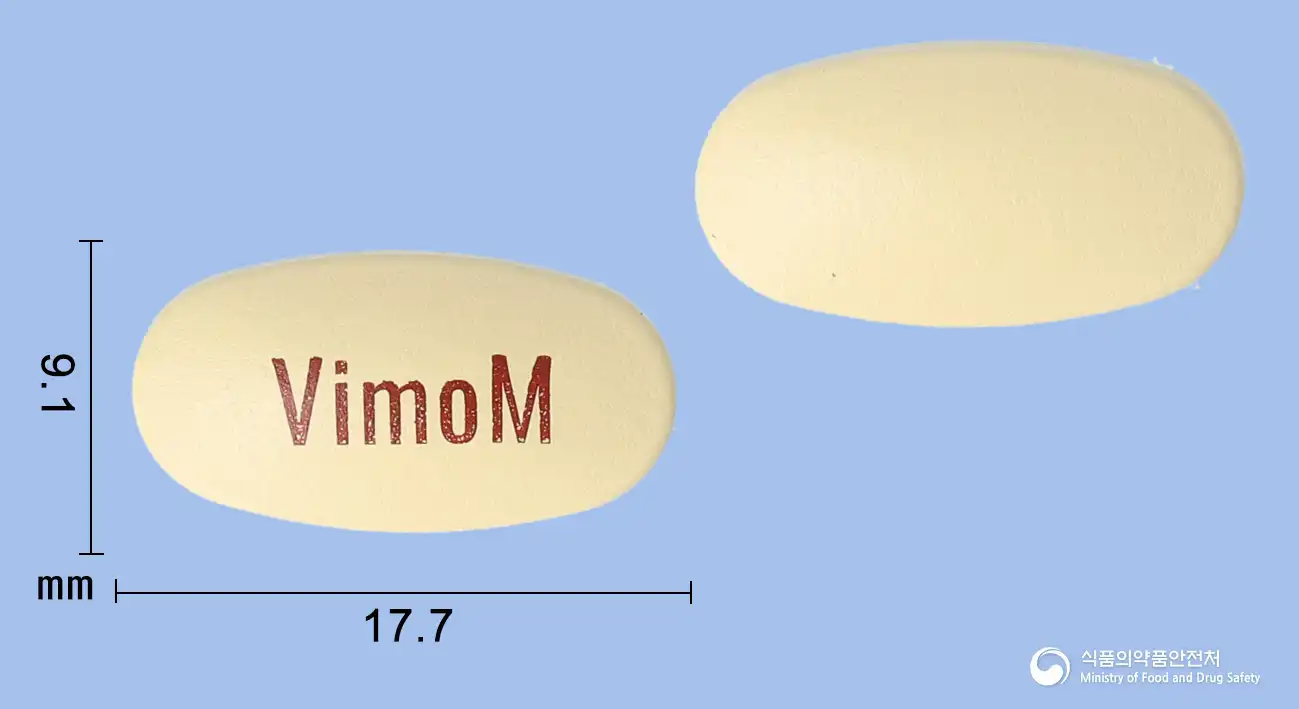 Combination
Naproxen 500mg · Esomeprazole Magnesium Trihydrate 22.3mg
Tablet · Prescription medication · Combination
Mothers Pharmaceutical Co., Ltd.
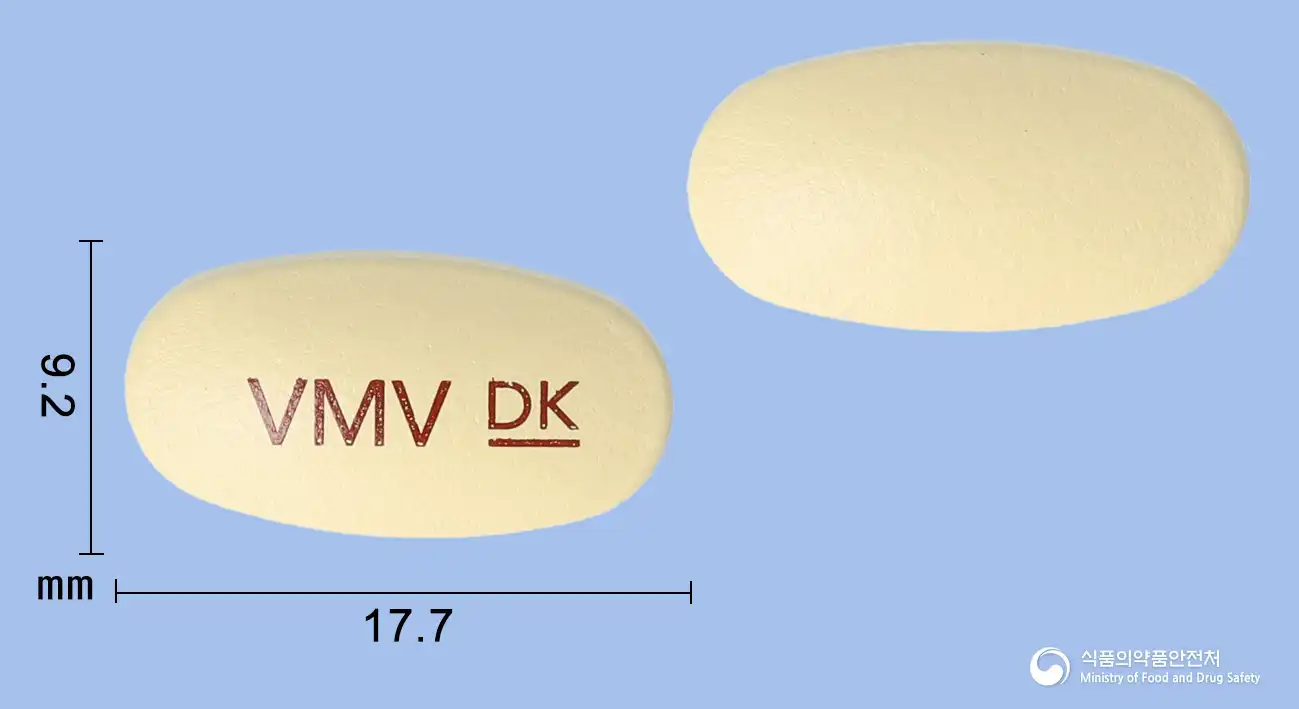 Combination
Naproxen 500mg · Esomeprazole Magnesium Trihydrate 22.3mg
Tablet · Prescription medication · Combination
Dongkook Pharm. Co., Ltd.
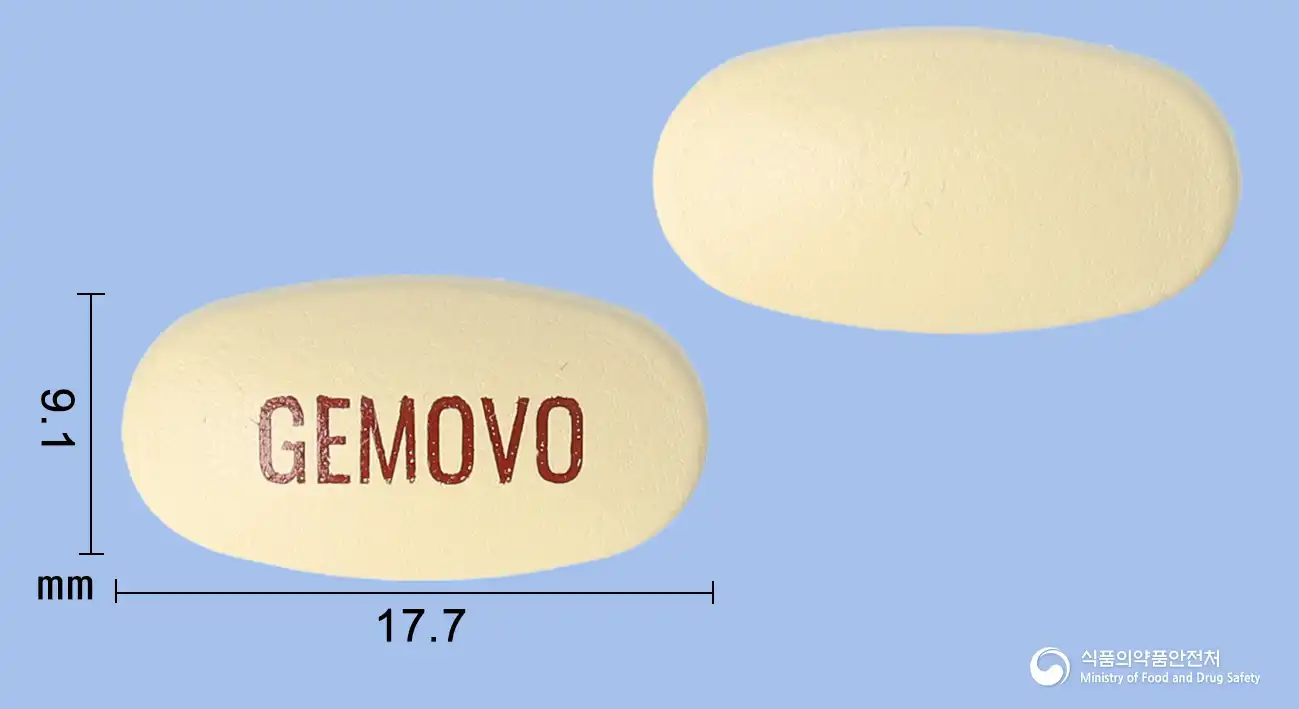 Combination
Naproxen 500mg · Esomeprazole Magnesium Trihydrate 22.3mg
Tablet · Prescription medication · Combination
Genewon Science Co., Ltd.
Even with the same ingredient, the dose and directions can differ by strength and dosage form. Talk to a doctor or pharmacist before switching from a medication you are already taking.
No questions yet.
For anything that needs medical judgment, consult a doctor or pharmacist.
This drug information is based on data provided by the Korea Ministry of Food and Drug Safety.
Consult a doctor or pharmacist for accurate dosage, administration, and usage instructions.