
 한국어
한국어 English
 日本語
日本語 中文(简体)
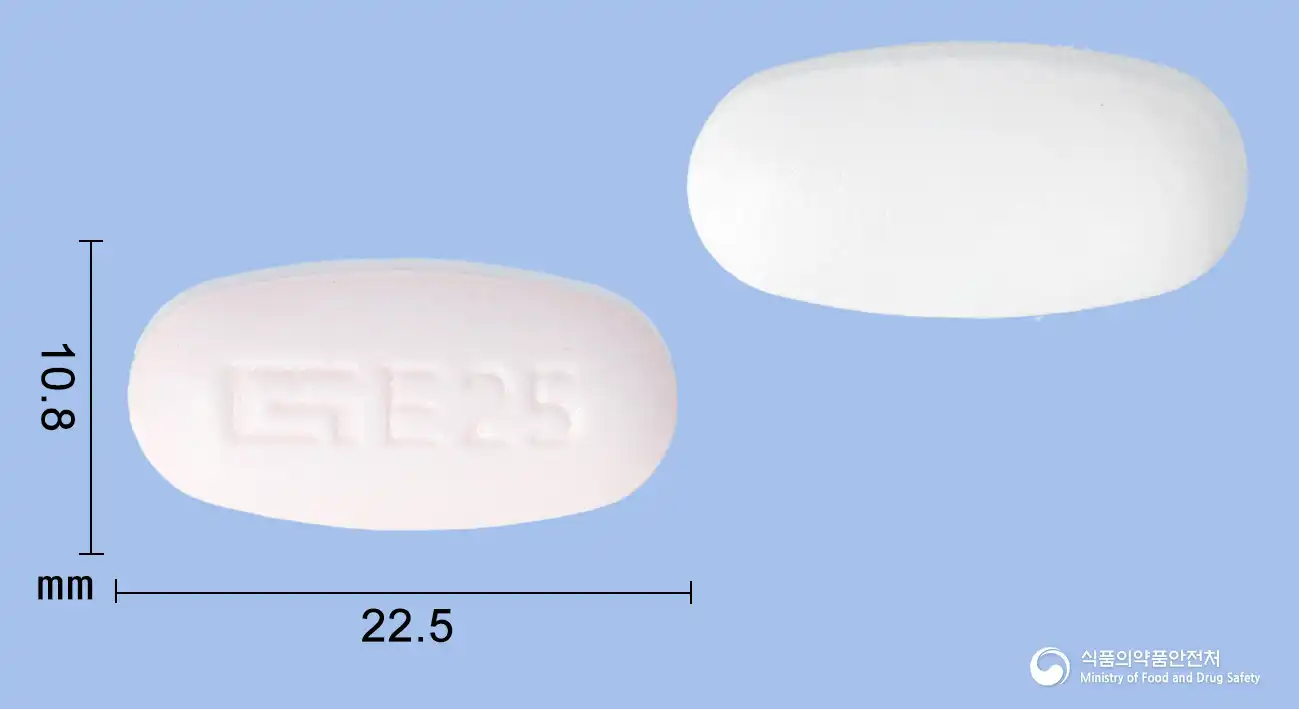 Viewing nowCombination
Empagliflozin and Metformin Extended-Release Tablets 25/1000 mg
Empagliflozin 25mg · Metformin Hydrochloride 1000mg
Tablet · Prescription medication · Combination
Dongkwang Pharmaceutical Co., Ltd.
MFDS item code 202500098 · Approved 2025.01.13 · Insurance code 645907570
Blood glucose control in adults with type 2 diabetes and prevention of cardiovascular events
This medication is used to improve blood glucose control in adults with type 2 diabetes by supporting dietary and exercise regimens. It is particularly effective for patients whose blood glucose levels are not adequately controlled, and should be used cautiously in patients with cardiovascular disease after consulting a specialist. The medication helps to stabilize blood glucose and aids in overall diabetes management.
To reduce gastrointestinal side effects associated with metformin, take this medication once daily at dinnertime. The 10/1000 mg extended-release tablet or the 25/1000 mg extended-release tablet should be taken once daily, with one tablet per dose. Patients taking the 5/1000 mg extended-release tablet or 12.5/1000 mg extended-release tablet should take two tablets at once once daily. The dosage increase of metformin should be gradually tailored as required.
This medication helps to lower blood glucose and is used in diabetes treatment. Serious and rare side effects such as lactic acidosis can occur while taking this medication, so caution is advised. When taking this medication with other diabetes medications, hypoglycemic symptoms may occur, so caution is necessary. It is recommended that patients with poor kidney function or heart problems, as well as those in acute infection or dehydrated states, avoid taking this medication. If surgery is planned or diagnostic tests involving contrast media will be performed, the medication should be discontinued for a certain period. Pregnant or nursing women should not use this medication. Elderly patients or those with impaired kidney function need to have their dose adjusted and kidney function monitored regularly. This medication can affect the body's fluid balance, so caution is required in cases of dehydration or potential fluid loss. During treatment, genital infections or urinary tract infections may occur, so consulting healthcare professionals immediately if symptoms arise is essential. Long-term use may lower vitamin B12 levels, so regular monitoring of vitamin levels is necessary. Alcohol consumption may increase the risk of lactic acidosis, so it is advisable to avoid drinking during treatment. During medication, monitor for symptoms of hypoglycemia and take appropriate actions immediately if they occur. Do not crush or chew the tablets; swallow them whole, and the tablet coating may appear in the stool, which is normal.
Hypoglycemia, urinary tract infections, genital infections, increased urination, nausea, vomiting, diarrhea, abdominal pain, loss of appetite, constipation, decreased and deficiency of vitamin B12, altered taste, rash, erythema, itching, hives, angioedema, abnormal liver function tests, hepatitis, difficulty urinating, increased serum lipids on diagnostic tests, increased serum creatinine, increased hematocrit, decreased fluid volume, thirst, dizziness, headache, insomnia, and body discomfort.
Not everyone experiences these, and they can vary from person to person.
Store this medication in a tightly closed container to protect it from air and moisture. It is important to maintain a storage temperature between 1°C and 30°C at room temperature to ensure the medication's efficacy over time.
White and light pink double convex oval-shaped extended-release film-coated tablets
30 tablets/bottle
Even with the same ingredient, strength, dosage form and how it is taken can differ.
Viewing nowCombinationEmpagliflozin 25mg · Metformin Hydrochloride 1000mg
Tablet · Prescription medication · Combination
Dongkwang Pharmaceutical Co., Ltd.
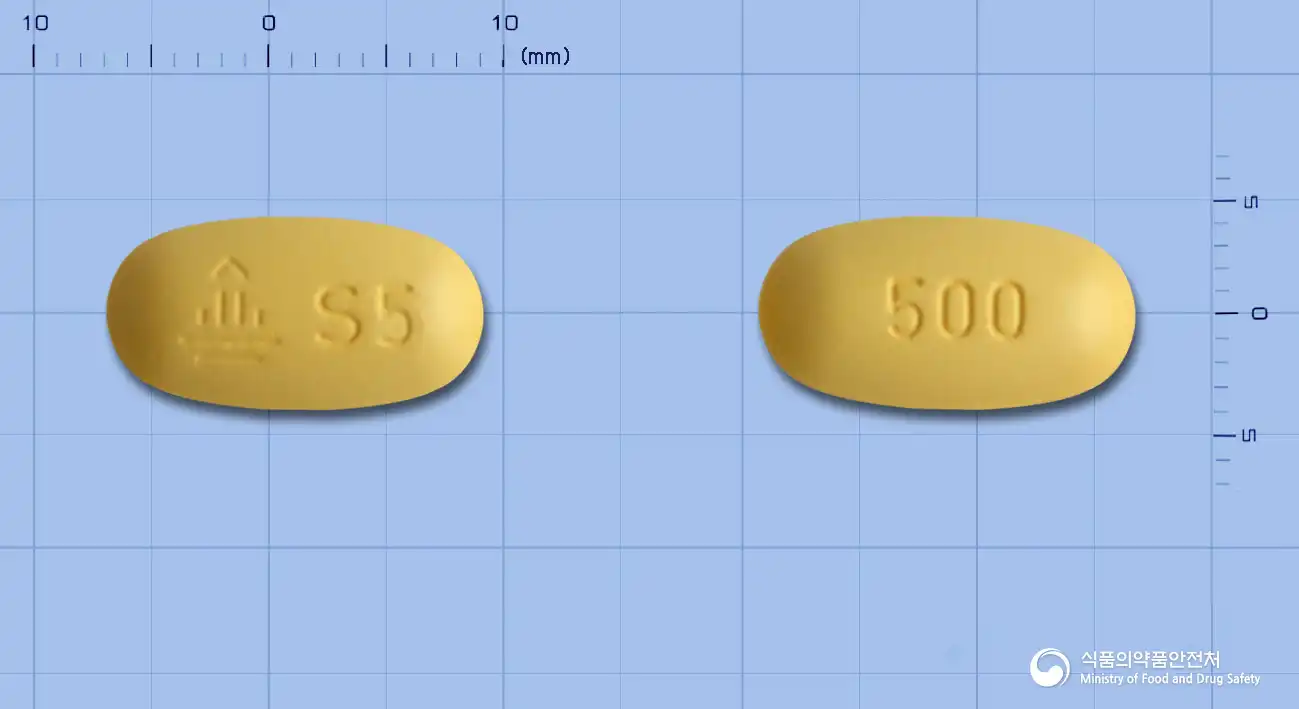 Combination
Empagliflozin 5mg · Metformin Hydrochloride 500mg
Tablet · Prescription medication · Combination
Boehringer Ingelheim Korea Co., Ltd.
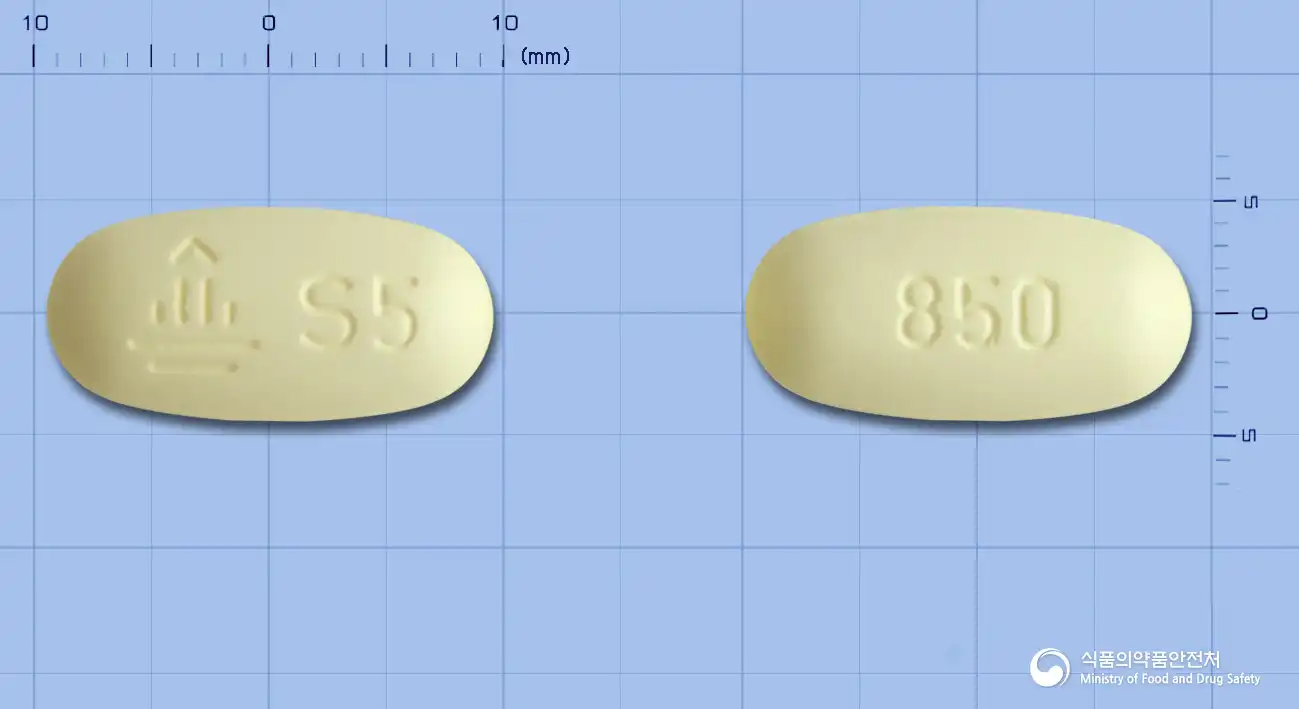 Combination
Empagliflozin 5mg · Metformin Hydrochloride 850mg
Tablet · Prescription medication · Combination
Boehringer Ingelheim Korea Co., Ltd.
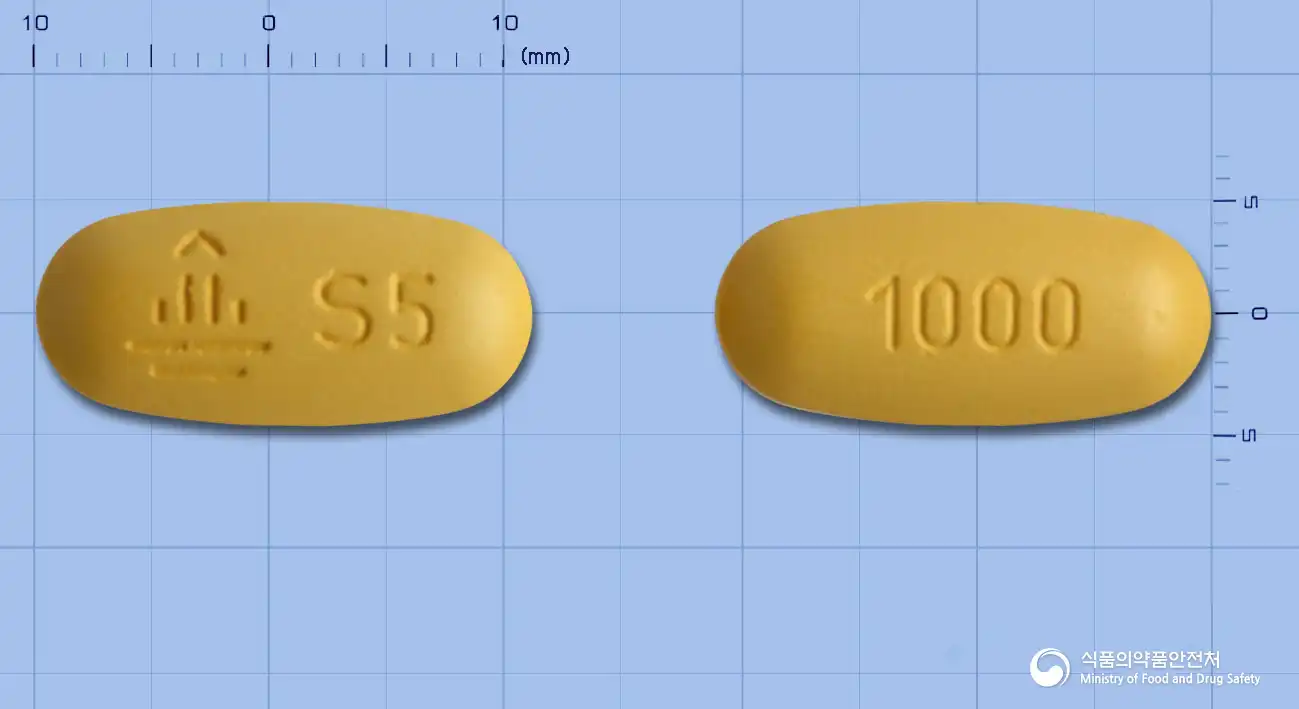 Combination
Empagliflozin 5mg · Metformin Hydrochloride 1000mg
Tablet · Prescription medication · Combination
Boehringer Ingelheim Korea Co., Ltd.
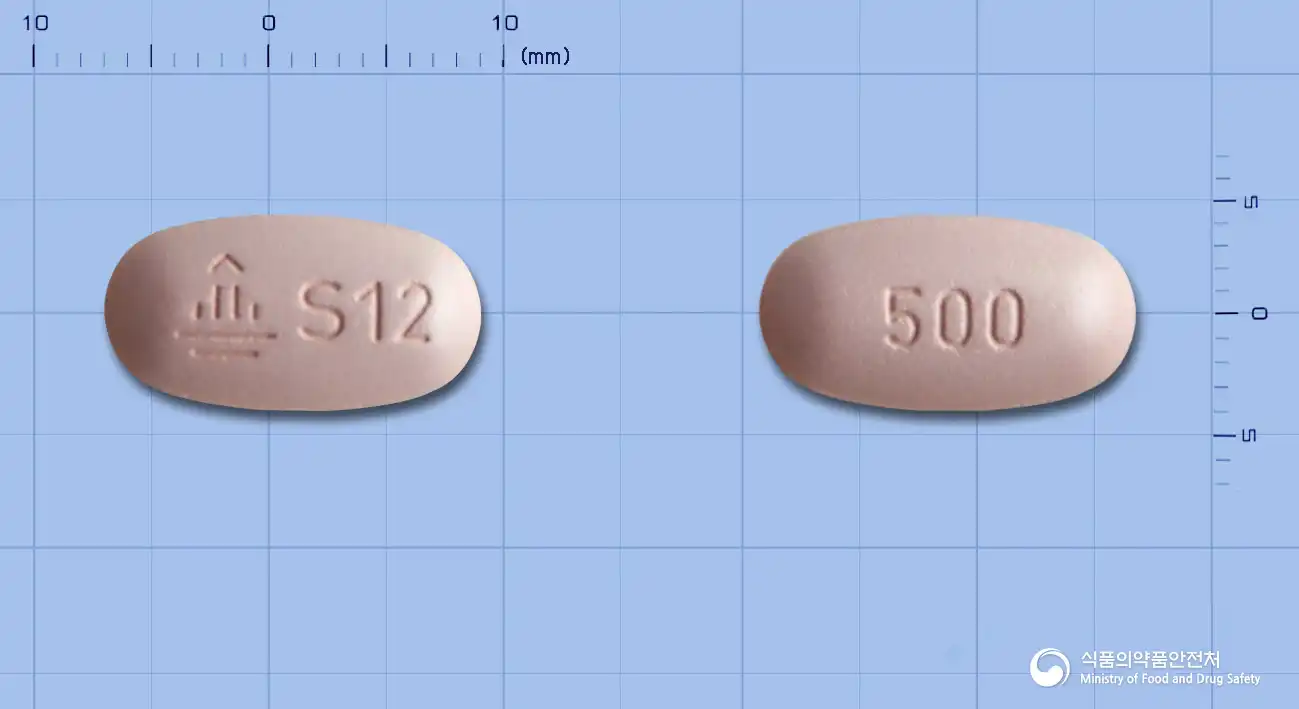 Combination
Empagliflozin 12.5mg · Metformin Hydrochloride 500mg
Tablet · Prescription medication · Combination
Boehringer Ingelheim Korea Co., Ltd.
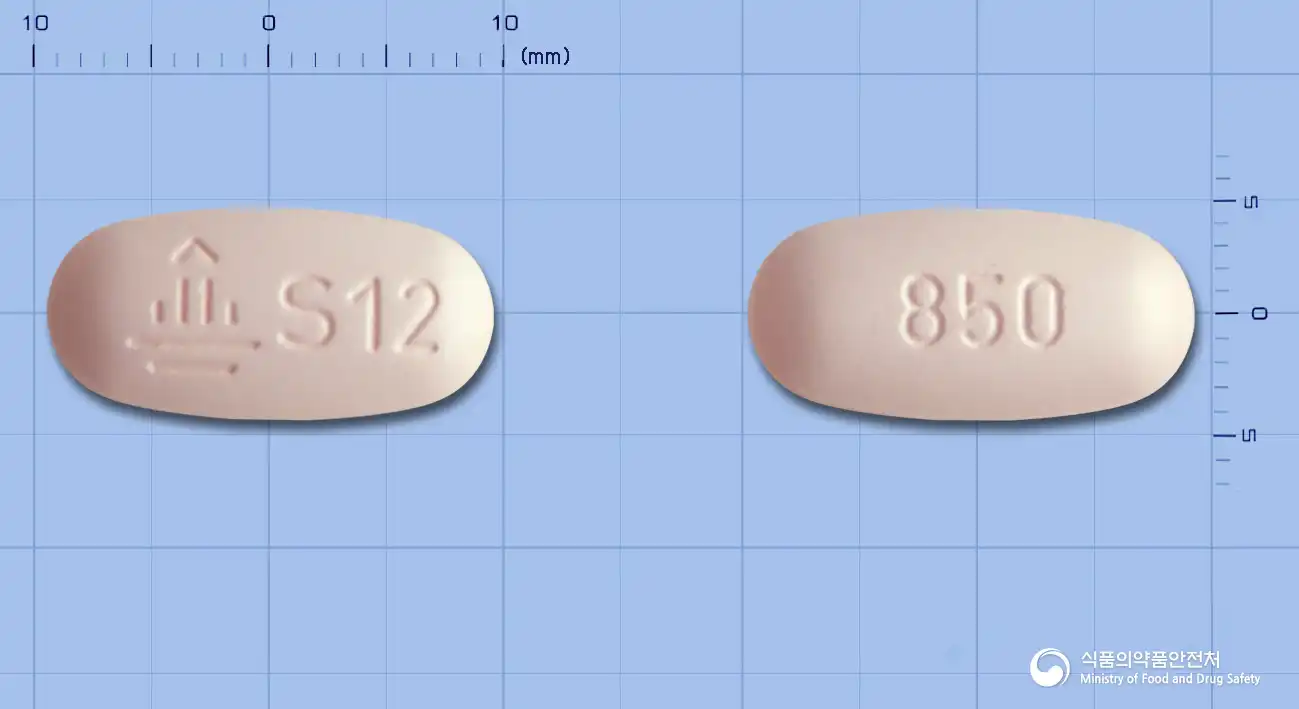 Combination
Empagliflozin 12.5mg · Metformin Hydrochloride 850mg
Tablet · Prescription medication · Combination
Boehringer Ingelheim Korea Co., Ltd.
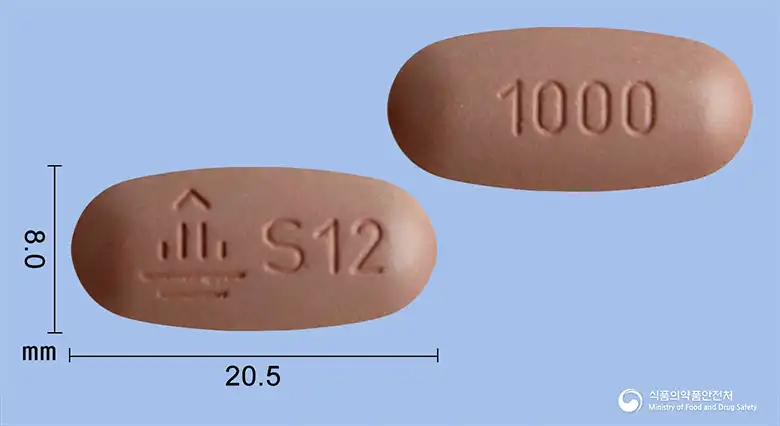 Combination
Empagliflozin 12.5mg · Metformin Hydrochloride 1000mg
Tablet · Prescription medication · Combination
Boehringer Ingelheim Korea Co., Ltd.
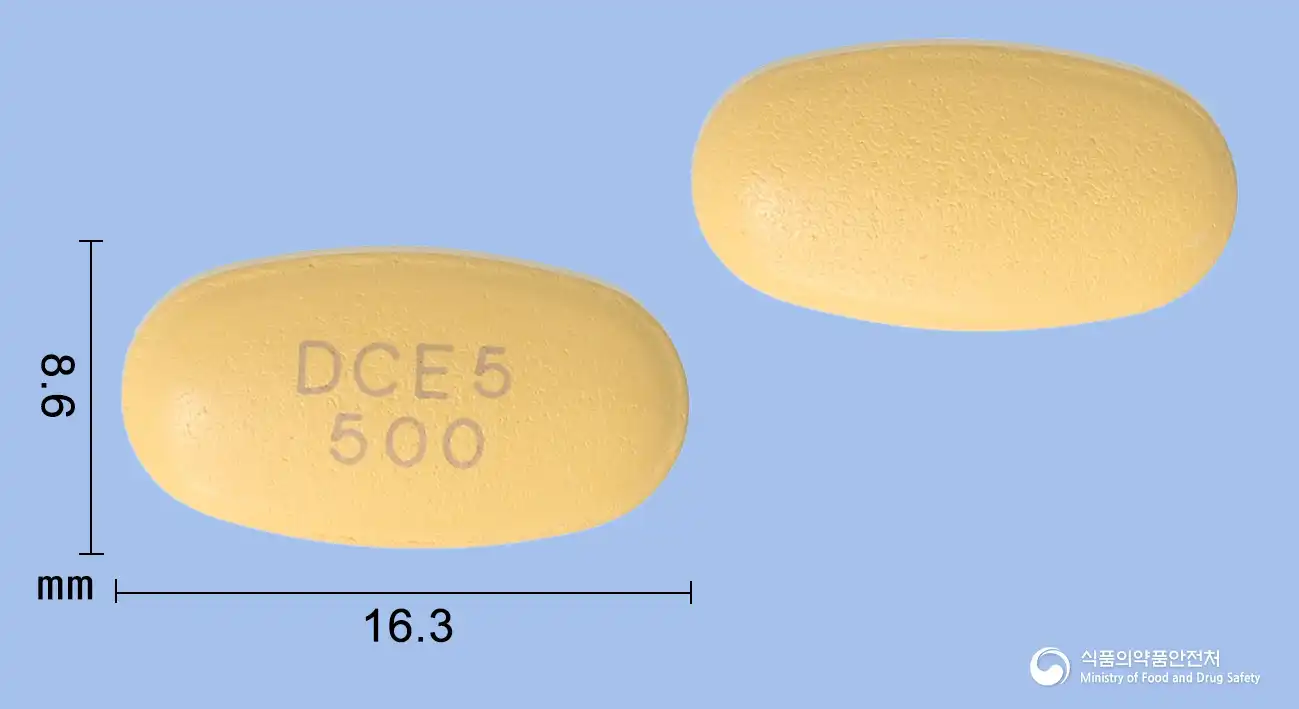 Combination
Empagliflozin 5mg · Metformin Hydrochloride 500mg
Tablet · Prescription medication · Combination
Donggu Bio Pharmaceutical Co., Ltd.
Even with the same ingredient, the dose and directions can differ by strength and dosage form. Talk to a doctor or pharmacist before switching from a medication you are already taking.
No questions yet.
For anything that needs medical judgment, consult a doctor or pharmacist.
This drug information is based on data provided by the Korea Ministry of Food and Drug Safety.
Consult a doctor or pharmacist for accurate dosage, administration, and usage instructions.