Improvement of cognitive function and alleviation of symptoms in moderate to severe Alzheimer's disease
Who takes it
Adults
Adult dose
For patients receiving combined dosing of donepezil hydrochloride 10 mg and memantine hydrochloride 20 mg, take one tablet daily at the same time before bedtime. It can be taken regardless of food intake.
Improvement of cognitive function and alleviation of symptoms in moderate to severe Alzheimer's disease
Moderate Alzheimer's disease
severe Alzheimer's disease
View approved original textHide original text
This medication is used to replace combination therapy with donepezil and memantine for the treatment of moderate to severe Alzheimer's disease. Alzheimer's disease is a neurodegenerative disorder that causes memory loss and cognitive decline, and this combination therapy helps to slow the progression of symptoms and improve the patient's quality of life. Therefore, it can be effectively applied to patients with severe Alzheimer's disease.
How to take
Adult dose
For patients receiving combined dosing of donepezil hydrochloride 10 mg and memantine hydrochloride 20 mg, take one tablet daily at the same time before bedtime. It can be taken regardless of food intake.
Precautions
This medication should not be used in certain patients. For example, it should not be administered to patients who are allergic to this drug or its components, patients with severe liver or kidney dysfunction, women who are pregnant or breastfeeding, and patients with genetic issues such as lactose intolerance.
In addition, patients with epilepsy or a history of seizures, those using specific NMDA antagonists concurrently, patients with heart disease or uncontrolled hypertension, patients with a history of peptic ulcers, asthma or chronic obstructive pulmonary disease patients, and patients with extrapyramidal disorders such as Parkinson's disease should use this medication with caution.
This drug may cause various side effects, including cardiac arrhythmias, gastrointestinal bleeding, liver dysfunction, cerebrovascular problems, movement disorders, severe muscle disorders, respiratory distress, acute pancreatitis, acute renal failure, and sudden death.
Commonly, symptoms such as nausea, vomiting, diarrhea, dizziness, insomnia, headache, fatigue, loss of appetite, hallucinations, and aggressive behavior may occur.
Due to potential side effects related to heart rhythm, patients with a history of heart disease should be particularly cautious, and an electrocardiogram may be necessary.
Women who are pregnant or breastfeeding are advised not to use this medication; even when necessary, careful consultation with a professional is recommended.
This medication is not used in children and adolescents under 18, as its safety and efficacy have not been established.
In the case of overdose, symptoms such as nausea, vomiting, bradycardia, respiratory depression, confusion, drowsiness, aggression, and seizures may occur, and immediate medical attention is required.
This medication may affect the ability to drive or operate machinery; therefore, caution should be exercised while taking it.
Finally, this medication should be kept out of the reach of children, and transferring it to another container may compromise its quality.
Side effects and when to seek care immediately
Serious side effects
Syncope
bradycardia
heart block
QT interval prolongation
myocardial infarction
heart failure
peptic ulcer
perforated duodenal ulcer
gastrointestinal bleeding
hepatitis
Show 19 moreCollapse
liver dysfunction
jaundice
cerebral seizure
cerebral hemorrhage
cerebrovascular disorder
extrapyramidal disorder
neuroleptic malignant syndrome
rhabdomyolysis
respiratory distress
acute pancreatitis
acute renal failure
sudden death
severe rash
blisters
skin peeling
oral/ocular mucosal pain
dyspnea
asthma attack
hypertension
Mild side effects
Headache
dizziness
drowsiness
nausea
vomiting
diarrhea
loss of appetite
fatigue
muscle pain
rash
Show 22 moreCollapse
itching
insomnia
anxiety
hallucinations
confusion
somnolence
hypotension
hypertension
blood pressure increase
edema
urinary incontinence
urinary disturbance
pain
sweating
thrombocytopenia
anemia
cold
pharyngitis
pneumonia
bronchitis
fever
hives
Not everyone experiences these, and they can vary from person to person.
Storage
This medication should be stored in a tightly sealed container to protect it from air and moisture. It is important to maintain a storage temperature between 1 degree and 30 degrees Celsius.
Appearance and packaging
Appearance
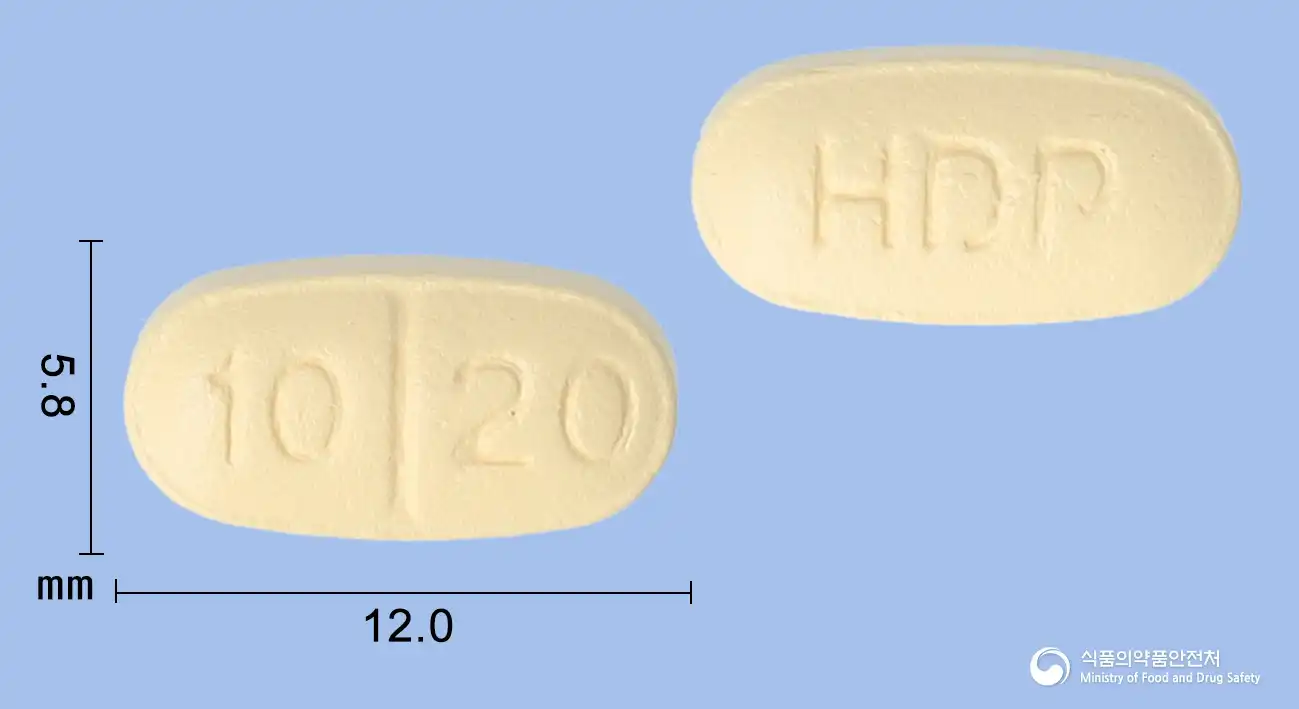
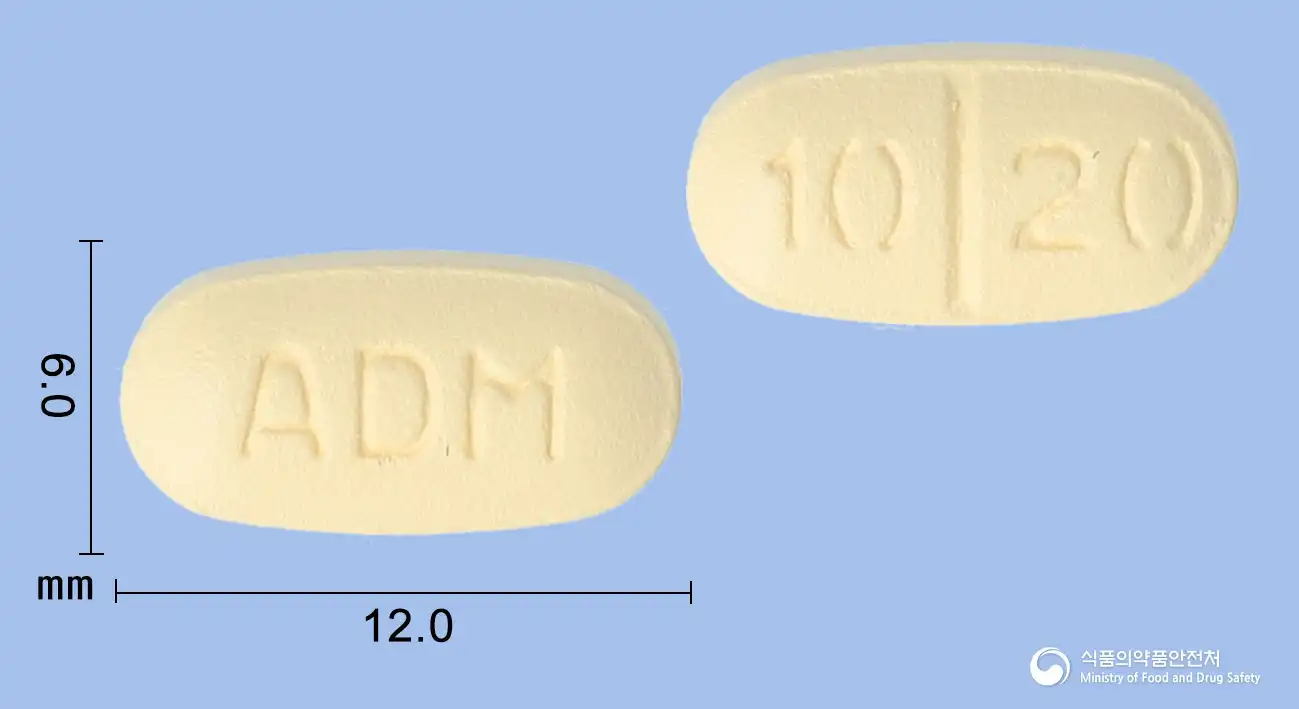
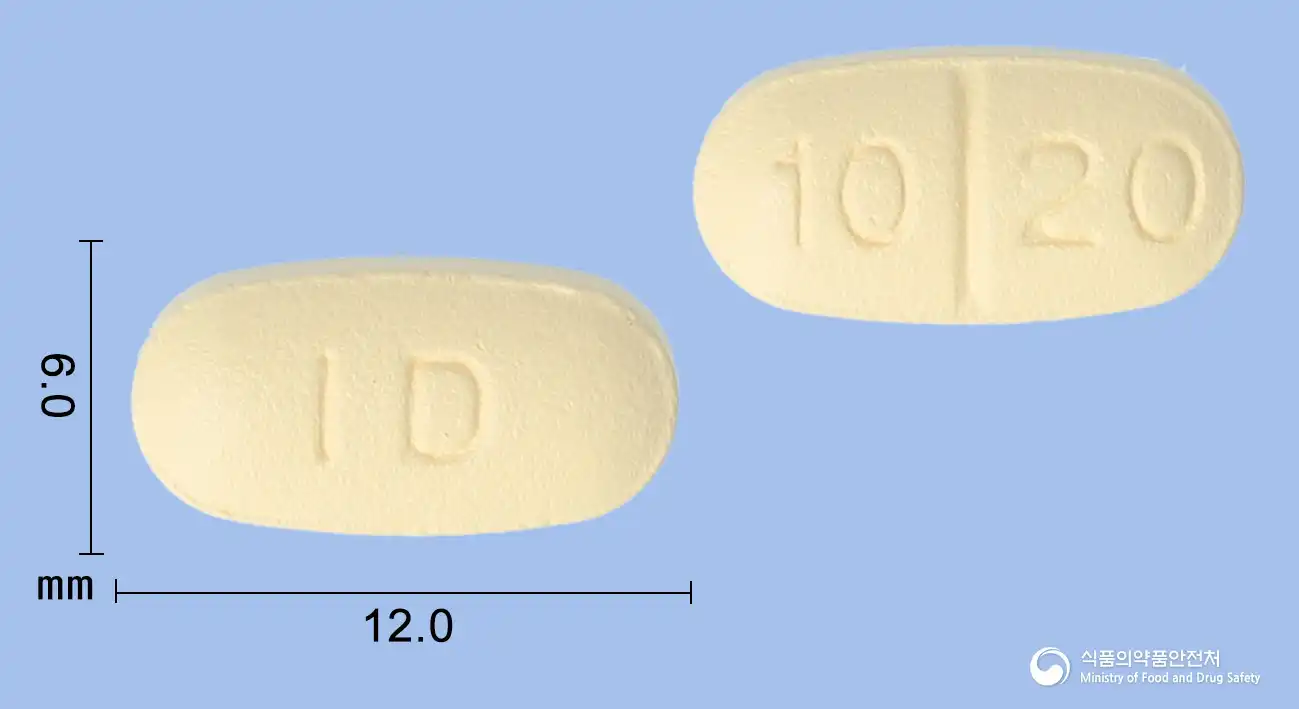
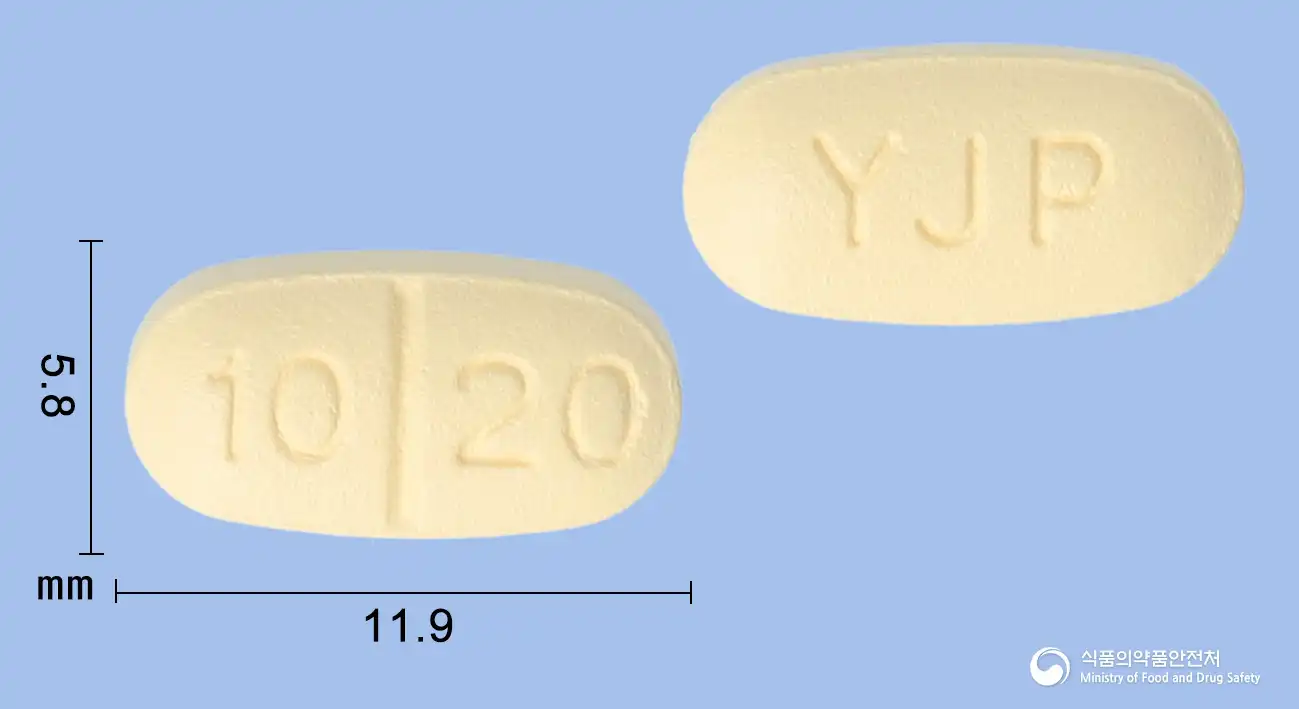
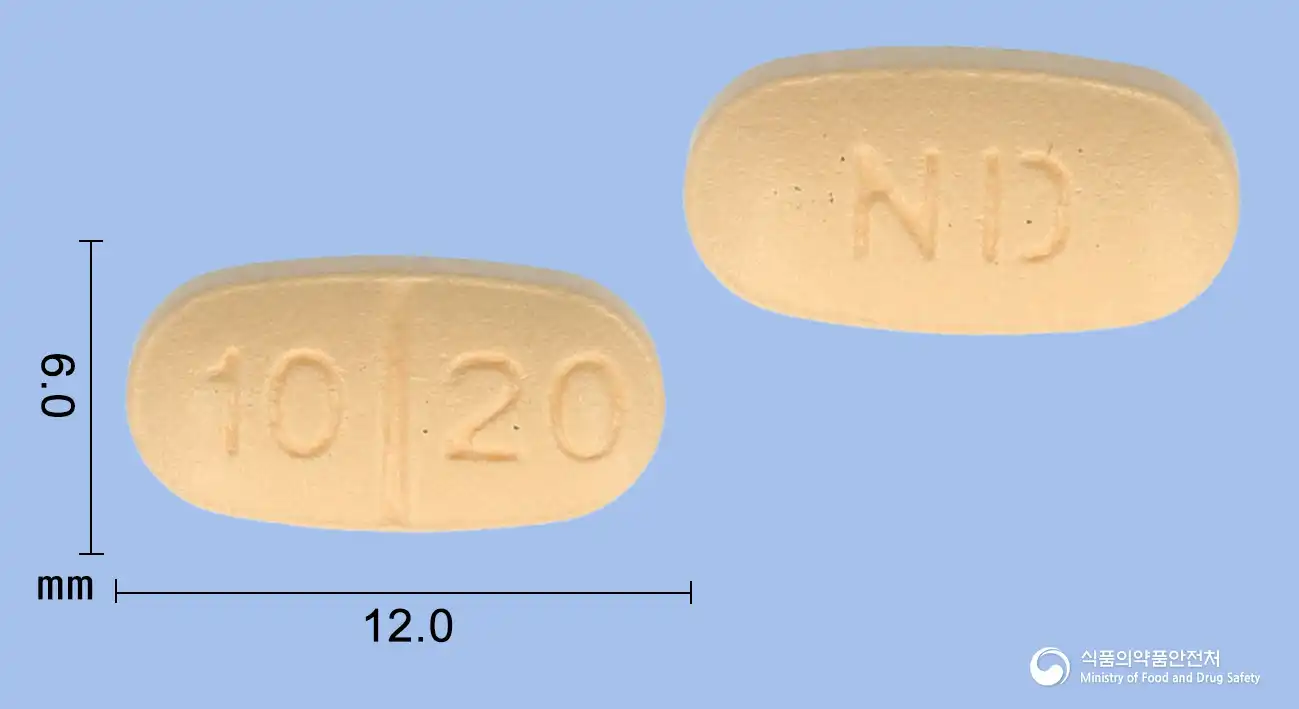
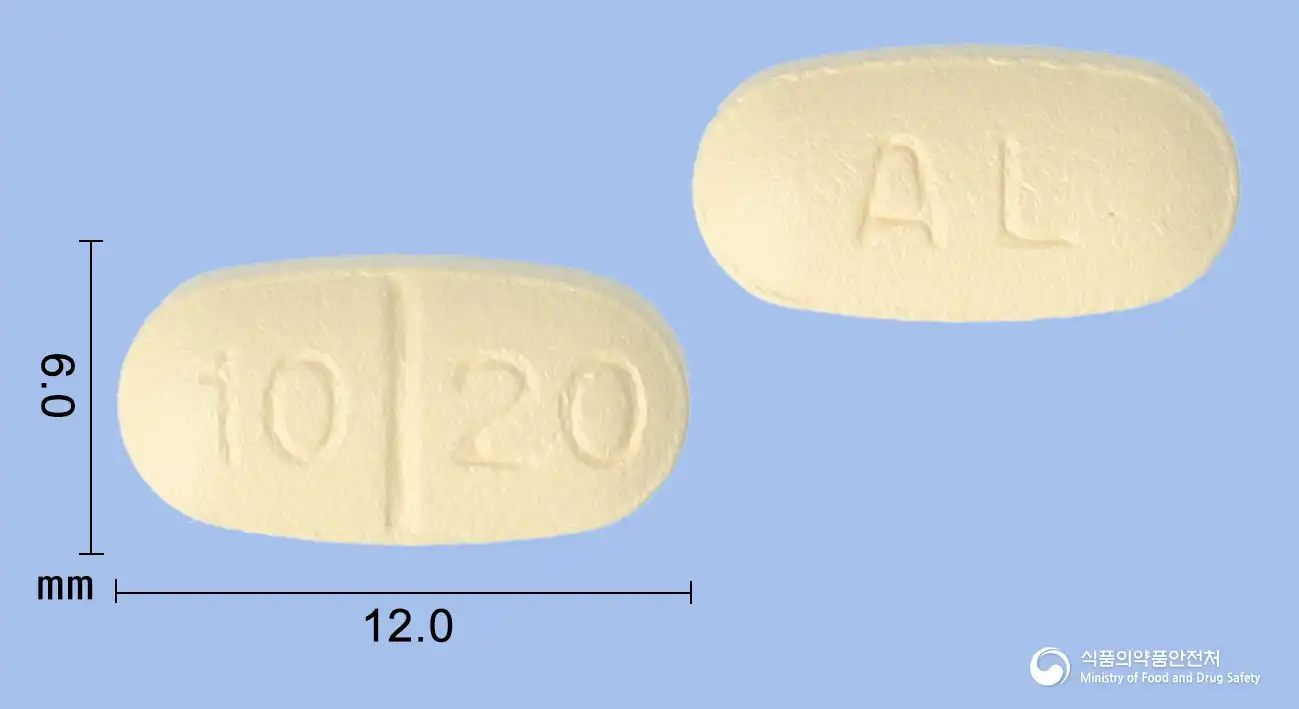
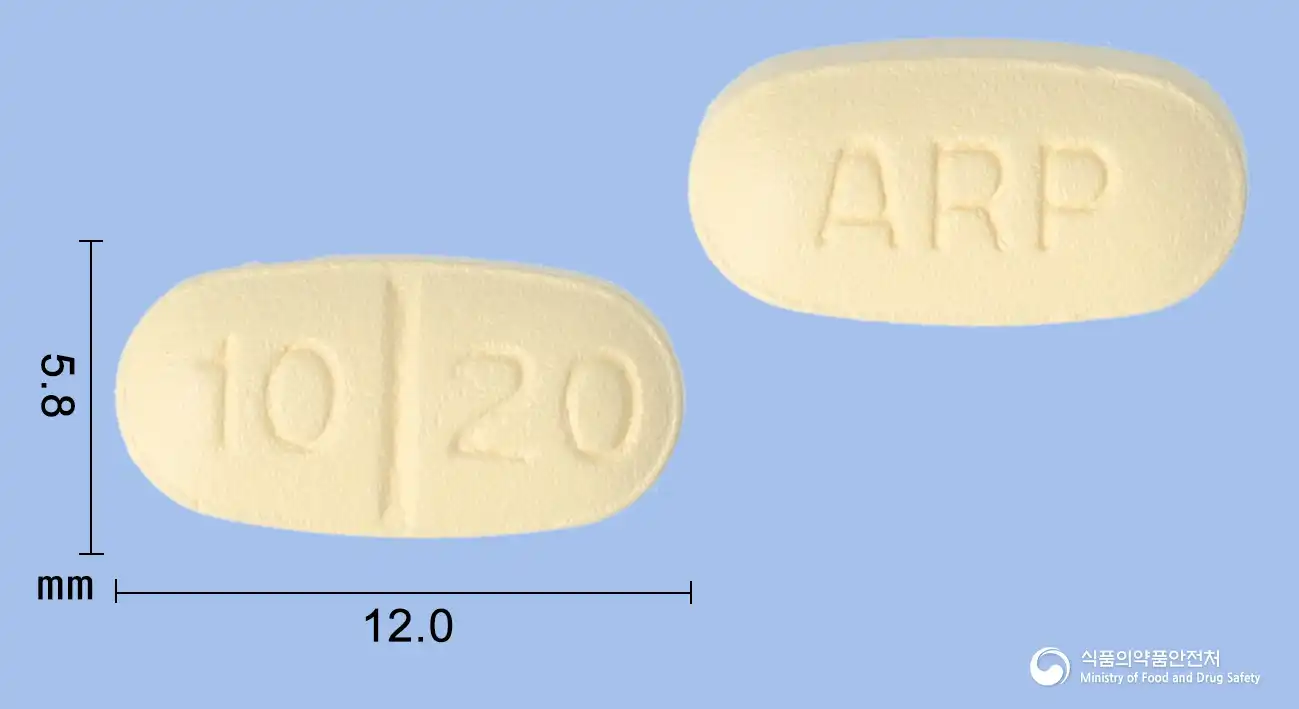
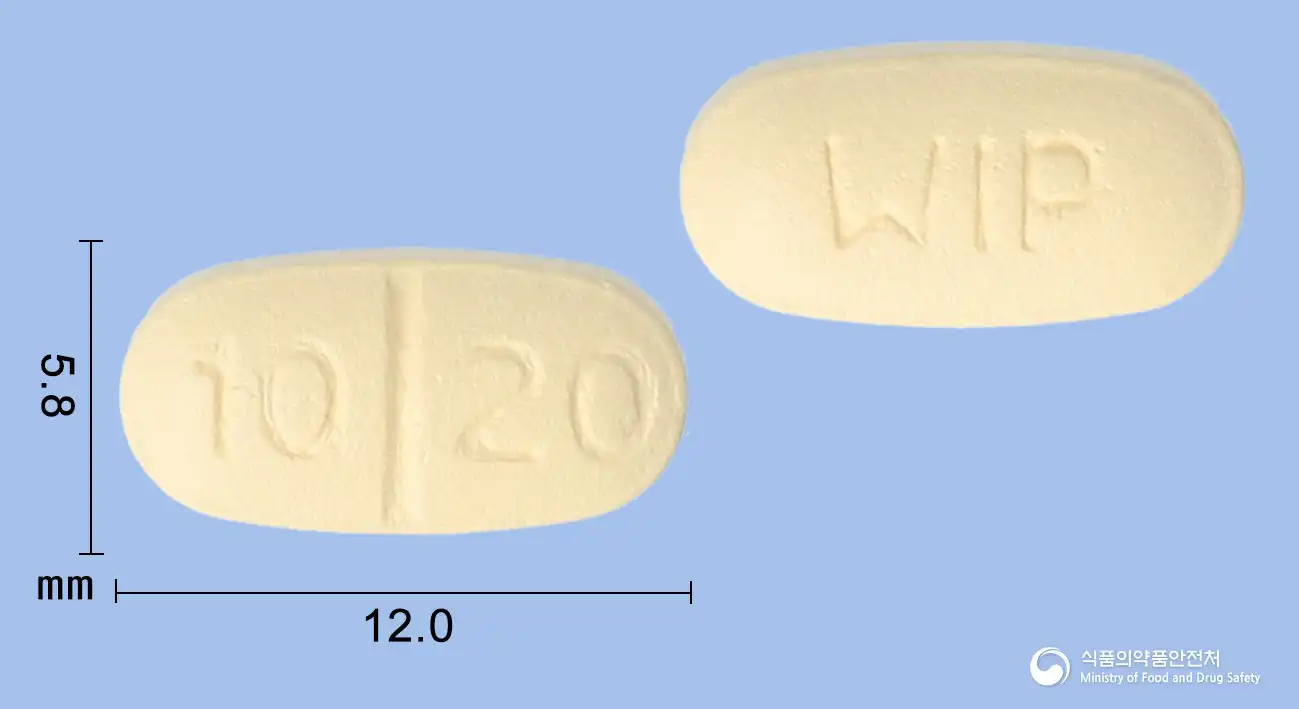
Yellowish oval film-coated tablets
Package unit
30 tablets/bottle, 100 tablets/bottle
Same-ingredient medicines
Even with the same ingredient, strength, dosage form and how it is taken can differ.
Even with the same ingredient, the dose and directions can differ by strength and dosage form. Talk to a doctor or pharmacist before switching from a medication you are already taking.
Questions about this medicine
No questions yet.
For anything that needs medical judgment, consult a doctor or pharmacist.
This drug information is based on data provided by the Korea Ministry of Food and Drug Safety. Consult a doctor or pharmacist for accurate dosage, administration, and usage instructions.

 한국어
한국어 English
 日本語
日本語 中文(简体)
 Viewing nowCombination