
 한국어
한국어 English
 日本語
日本語 中文(简体)
 Viewing now
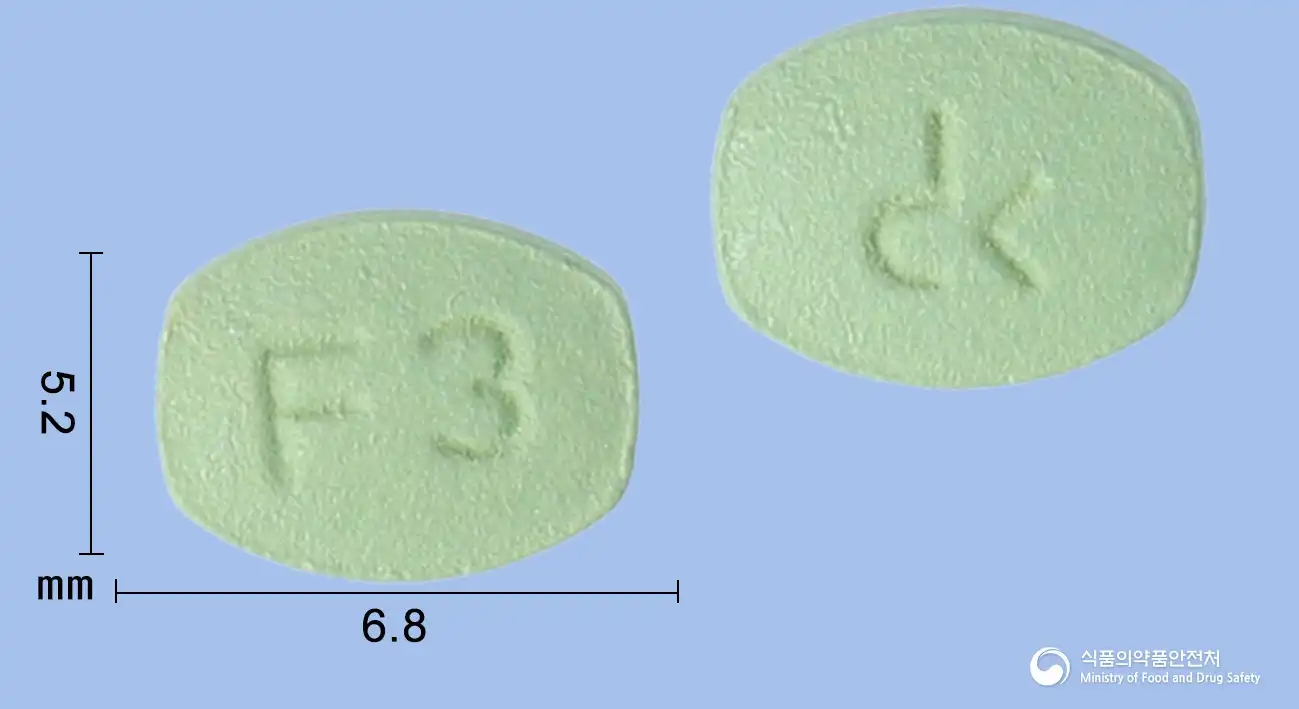
Pimamon Tablet 30 mg (Pimasartan Potassium Trihydrate)
Fimasartan Potassium Trihydrate 33.005mg
Tablet · Prescription medication
Dongkuk Pharm Co., Ltd.
MFDS item code 202402924 · Approved 2024.12.11 · Insurance code 653405850
Improvement of essential hypertension
This medication is used to treat hypertension, particularly essential hypertension.
The recommended dose for adults is 30 to 60 mg once daily, independent of meals. If blood pressure is not adequately controlled, the dose may be increased to 120 mg once daily. It is recommended to take it at the same time each day if possible. In elderly patients (over 70 years), a starting dose of 30 mg once daily is recommended. Patients with severe renal impairment should start at 30 mg once daily and should not exceed 60 mg.
The safety and efficacy in children and adolescents under 18 years have not been established.
This medication can cause serious damage or death to the fetus and newborn if taken during pregnancy, especially in the second and third trimesters, so it should be discontinued immediately if pregnancy is confirmed. Individuals allergic to any component of this medication, pregnant or nursing women, patients on kidney dialysis, patients with moderate to severe liver dysfunction, patients with biliary obstruction, and those with specific kidney diseases or diabetic nephropathy should not take this medication. Patients with low blood volume or salt content, impaired kidney function, renovascular hypertension, aortic or mitral stenosis, and primary aldosteronism should use this medication cautiously and be closely monitored. Mild side effects such as headache or dizziness may occur frequently with this medication, and rarely, symptoms such as indigestion, vomiting, elevated liver enzyme levels, cough, muscle pain, skin rash, and low blood pressure may manifest. Symptoms of low blood pressure may occur at the beginning of treatment or when increasing the dose, so blood pressure and electrolyte status should be checked regularly, and appropriate action should be taken if symptoms are severe. This medication can increase serum potassium levels, so patients with heart failure or kidney disease should have their potassium levels regularly checked. When taken with other antihypertensives, potassium-sparing diuretics, lithium, or non-steroidal anti-inflammatory drugs, the interaction may increase the risk of side effects, thus consultation with a doctor or pharmacist is required. Pregnant or nursing women should avoid taking this medication, and if nursing, they should discontinue either breastfeeding or the medication. The safety of this medication for children under 18 years of age has not been established, so it is not recommended for use in this age group. Elderly individuals generally do not require dose adjustments, although some elderly patients may be more sensitive to the medication, so caution is advised. This medication should not be administered to patients with severe liver dysfunction, and even those with mildly impaired liver function should use it carefully. In case of overdose, hypotension or abnormal heart rhythms may occur, and immediate medical treatment should be sought if symptoms appear. This medication should be stored out of reach of children and not transferred to another container as this helps maintain quality.
Urticaria, severe swelling, chest tightness, difficulty breathing, cold sweat, pallor, severe rash with fever, blistering, peeling skin, pain in mouth/eye mucosa, shortness of breath or difficulty breathing, asthma attacks, cough with fever accompanied respiratory abnormalities, yellowing of skin or eyes, generalized malaise, sudden and severe headache, thunderclap headache, seizures, confusion, visual disturbances, paralysis, significantly reduced urine output.
Not everyone experiences these, and they can vary from person to person.
This medication is sensitive to light, so it should be stored in a container that does not allow light in. It is also important to maintain a temperature between 1°C and 30°C when storing the medication. This helps preserve its efficacy and safety.
Light green, oval-shaped film-coated tablet with rounded edges
30 tablets/bottle, 300 tablets/bottle
Even with the same ingredient, strength, dosage form and how it is taken can differ.
Viewing nowFimasartan Potassium Trihydrate 33.005mg
Tablet · Prescription medication
Dongkuk Pharm Co., Ltd.
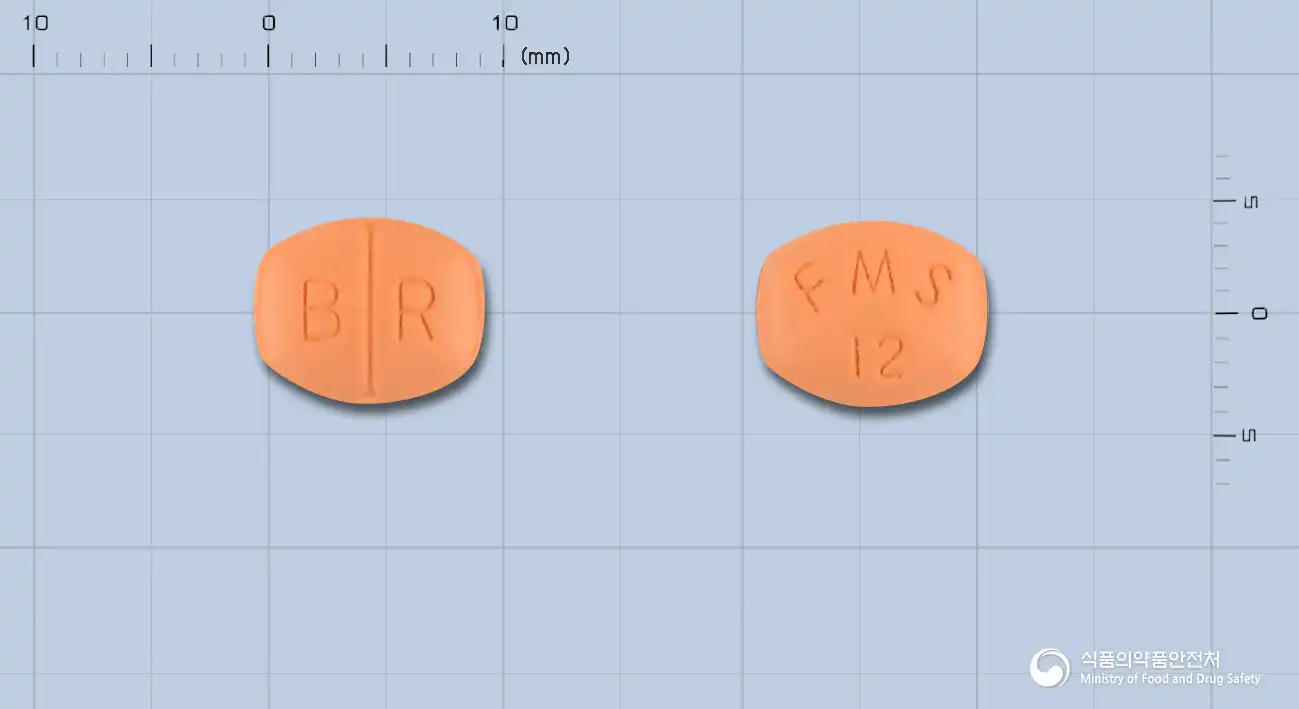
Fimasartan Potassium Trihydrate 132.02mg
Tablet · Prescription medication
Boryung Co., Ltd.
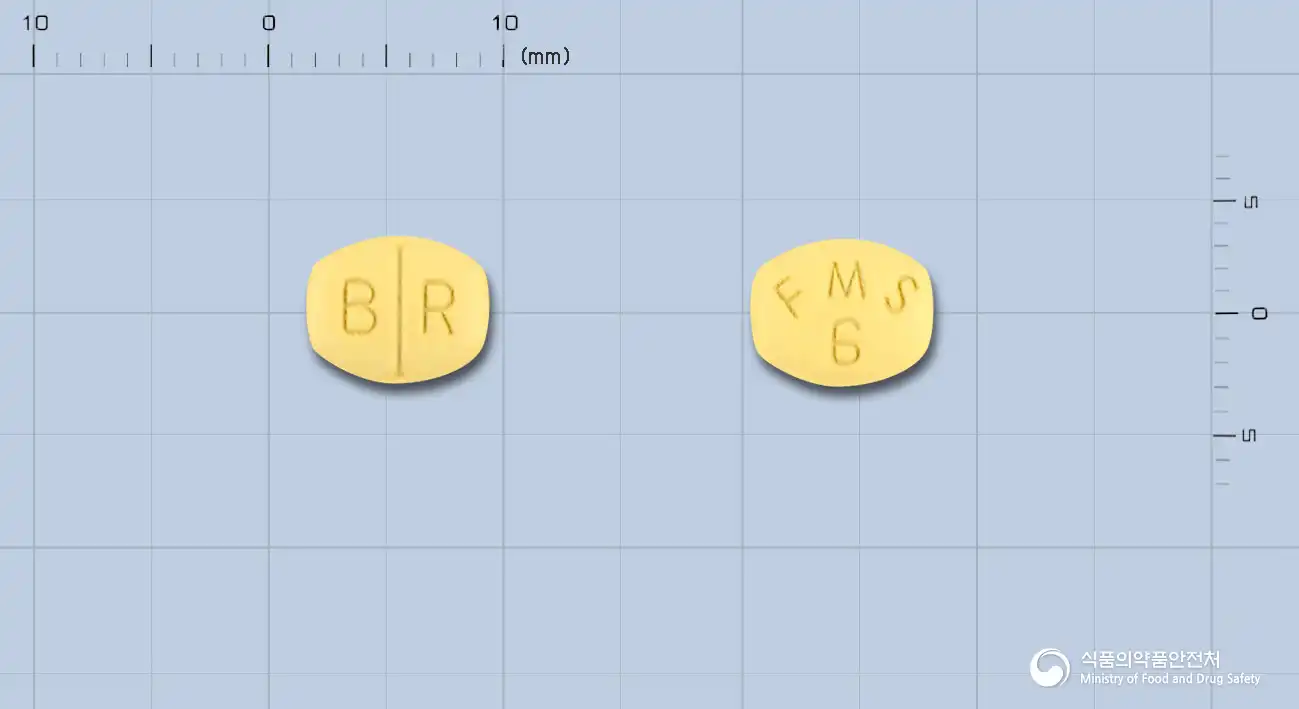
Fimasartan Potassium Trihydrate 66.01mg
Tablet · Prescription medication
Boryung Pharmaceuticals Co., Ltd.
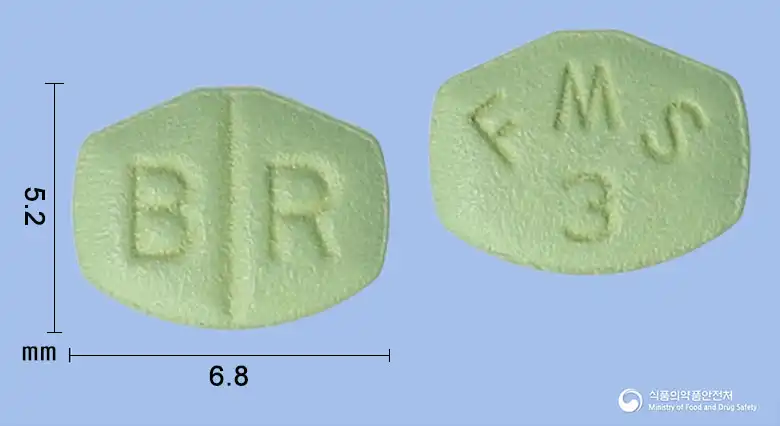
Fimasartan Potassium Trihydrate 33.005mg
Tablet · Prescription medication
Boryung Pharmaceutical Co., Ltd.
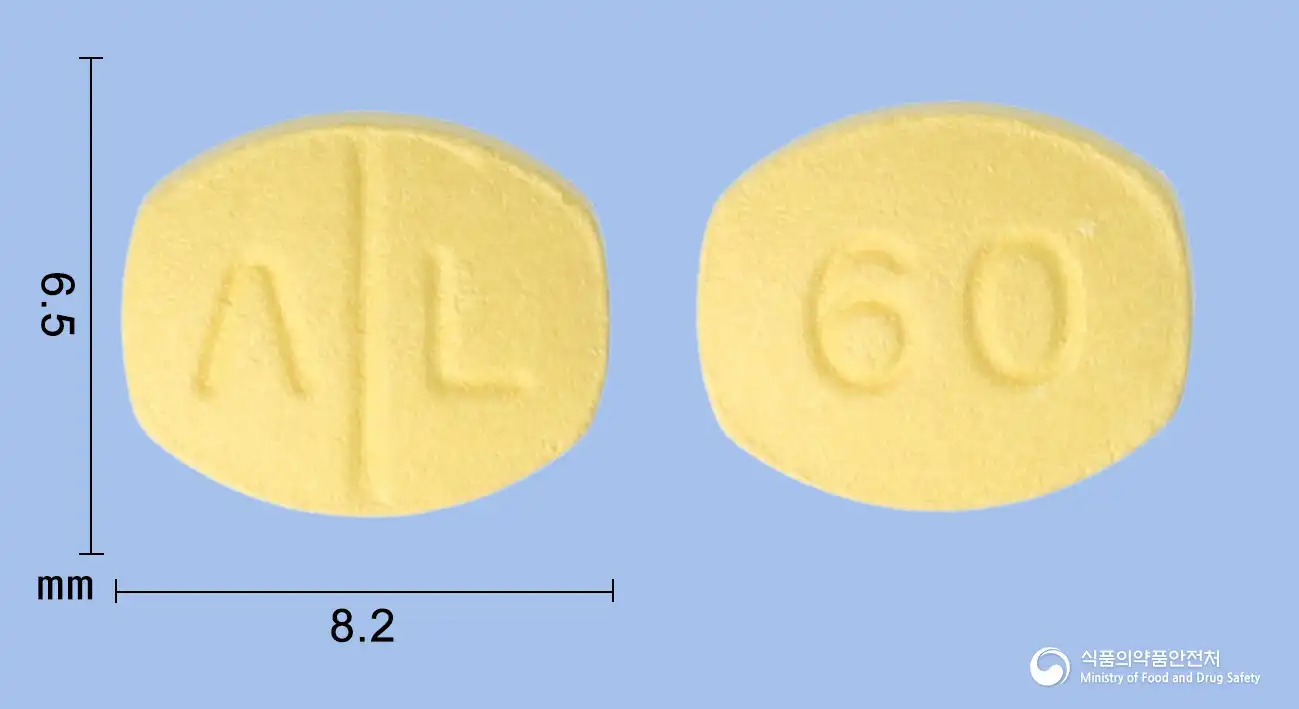
Fimasartan Potassium Trihydrate 66.01mg
Tablet · Prescription medication
Aliko Pharmaceutical Co., Ltd.
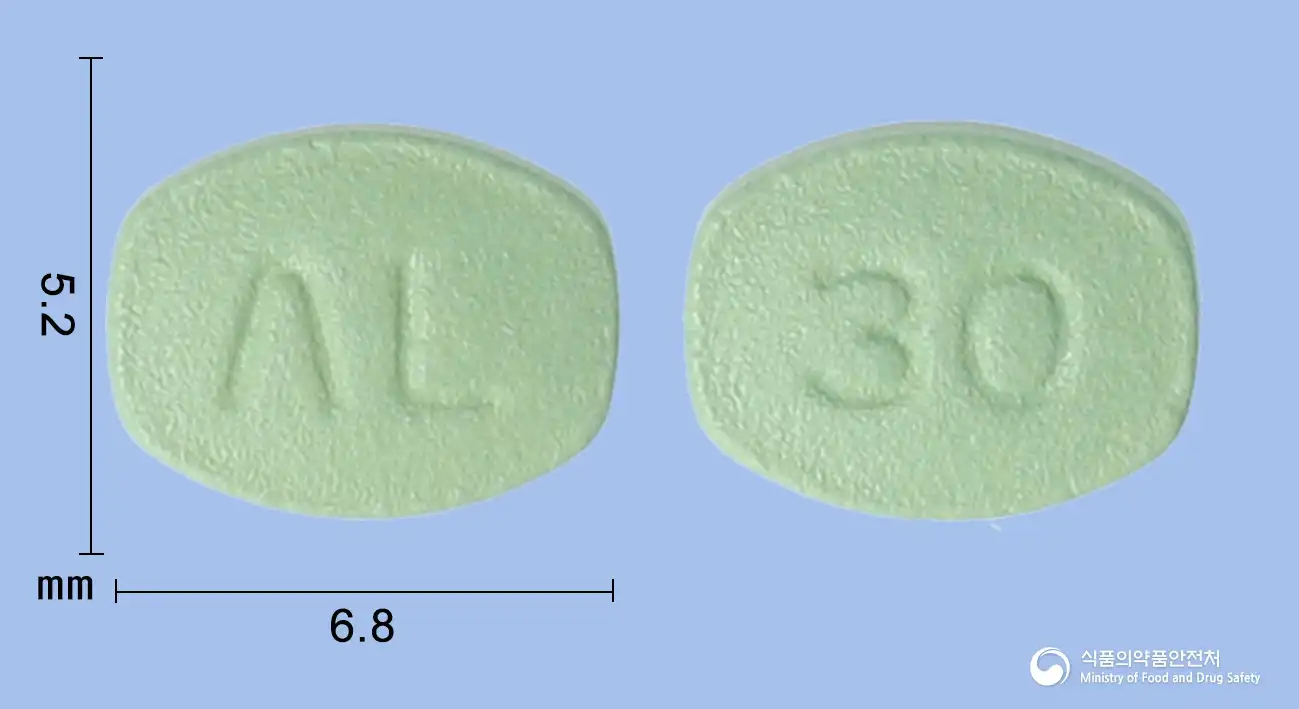
Fimasartan Potassium Trihydrate 33.005mg
Tablet · Prescription medication
Aliko Pharmaceutical Co., Ltd.
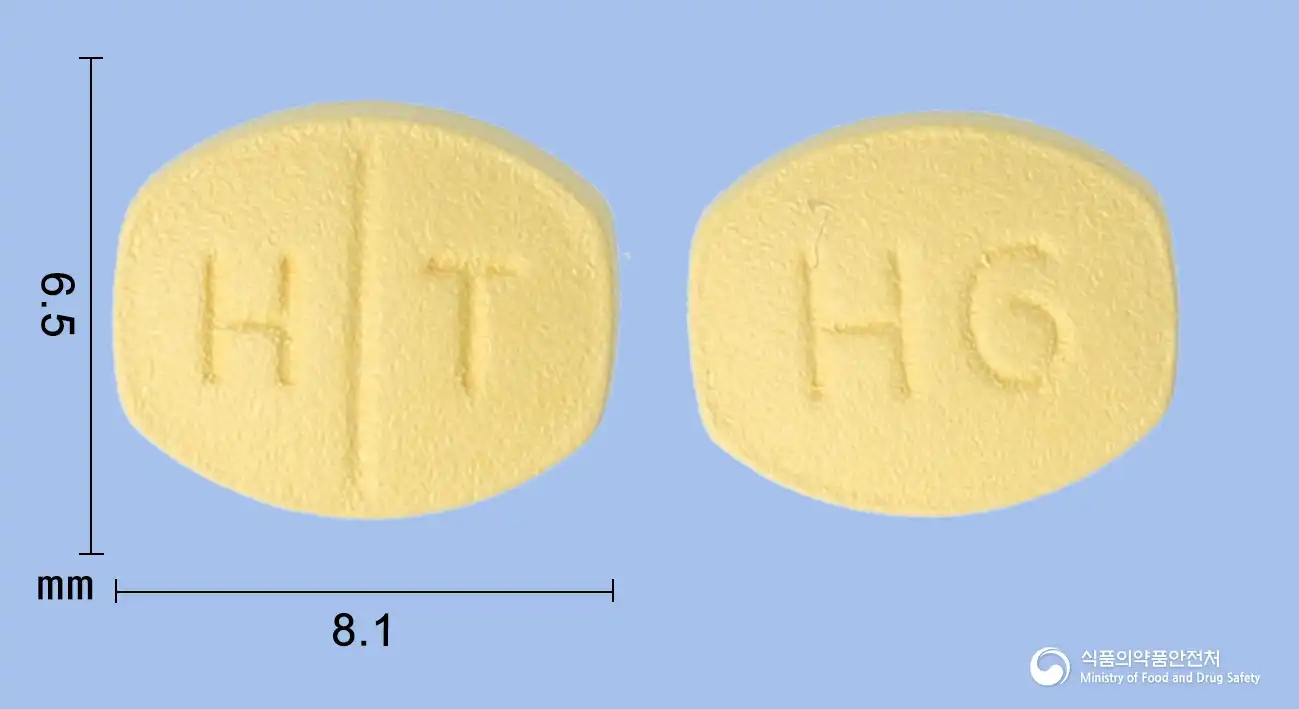
Fimasartan Potassium Trihydrate 66.01mg
Tablet · Prescription medication
Korea Hyutex Pharmaceuticals Co., Ltd.
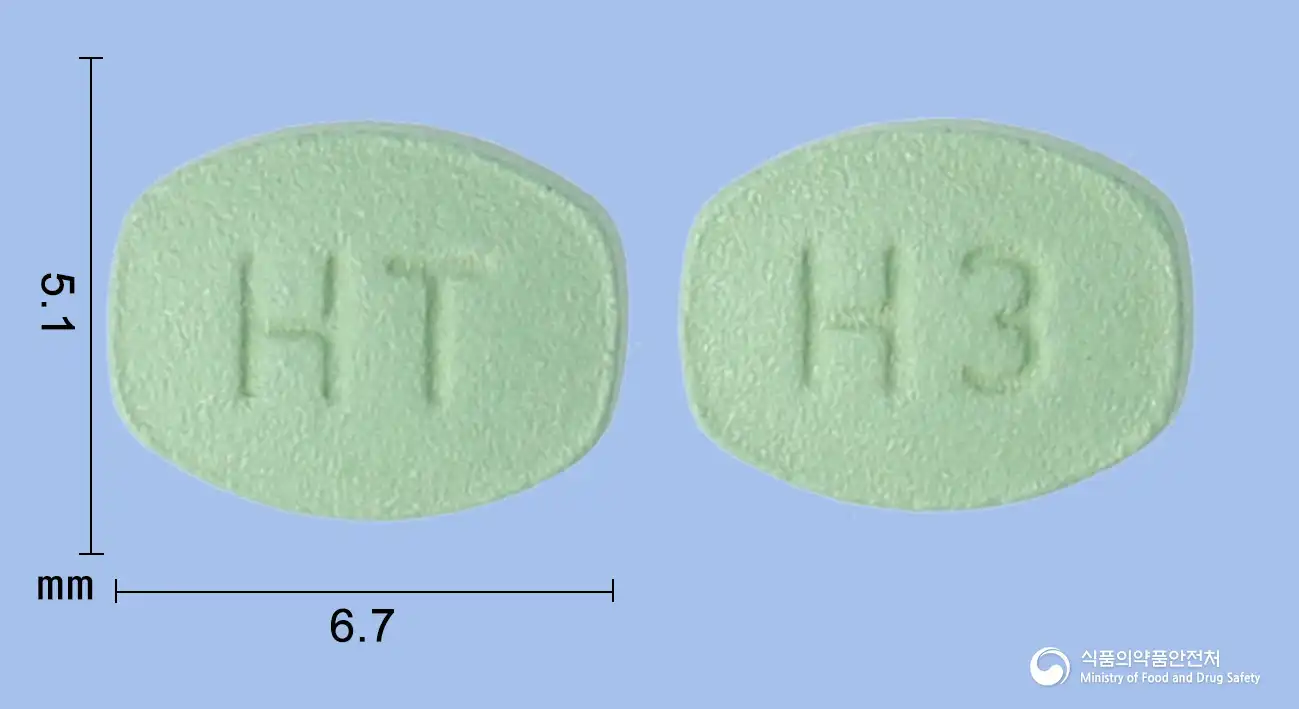
Fimasartan Potassium Trihydrate 33.005mg
Tablet · Prescription medication
HanKook Hytex Pharmaceutical Co., Ltd.
Even with the same ingredient, the dose and directions can differ by strength and dosage form. Talk to a doctor or pharmacist before switching from a medication you are already taking.
No questions yet.
For anything that needs medical judgment, consult a doctor or pharmacist.
This drug information is based on data provided by the Korea Ministry of Food and Drug Safety.
Consult a doctor or pharmacist for accurate dosage, administration, and usage instructions.