
 한국어
 English
 日本語
 中文(简体)
 Viewing now
Nephecon Enteric-Coated Capsules 4 mg (Budesonide)
Budesonide Micronized 4mg
Hard capsule · Prescription medication
Everest Medicine Korea Co., Ltd.
MFDS item code 202402704 · Approved 2024.11.18
Treatment of primary IgA nephropathy in adults with proteinuria
This medication is used for the treatment of primary IgA nephropathy (Immunoglobulin A nephropathy) in adult patients with proteinuria of more than 1.0 g/day or a urine protein to creatinine ratio (UPCR) of more than 0.8 g/g. This condition involves excessive protein loss from the kidneys, and appropriate treatment helps prevent deterioration of kidney function and improve symptoms. Patients can benefit from consistent treatment to maintain kidney health.
Administer 16mg orally once daily. The recommended treatment duration is 9 months. If treatment is discontinued, reduce the dose to 8mg once daily during the last 2 weeks. Take this medicine in the morning, at least 1 hour before a meal, and swallow the capsule whole; do not open, crush, or chew the capsule. If a dose is missed, take the prescribed dose at the next scheduled time; do not double the dose. Retreatment may be considered at the discretion of the treating physician; however, the safety and efficacy of subsequent treatment with this medicine have not been established.
This medication should not be used by patients who are allergic to the active ingredient or any of the components. It should not be administered to patients with severely impaired liver function, and patients with moderate to severe liver function should be closely monitored due to the increased risk of side effects related to adrenal function. Patients transitioning from systemic corticosteroid therapy to this medication may experience side effects such as adrenal suppression or increased intracranial pressure, so regular monitoring is necessary. Patients with weakened immunity or those susceptible to infections may have an increased risk of infection while using this medication, hence they should take special care to prevent infections. Patients with certain conditions such as hypertension, diabetes, osteoporosis, peptic ulcers, glaucoma, or those with a family history of these conditions should closely monitor changes in their condition while using this medication. This medication may cause side effects such as acne, edema, weight gain, and increased white blood cell counts; patients should consult healthcare professionals if these symptoms occur. Long-term use may lead to systemic side effects such as adrenal insufficiency or hypercortisolism, so regular check-ups are necessary. If there is blurred vision or visual disturbances, patients should consult an ophthalmologist to check for eye diseases such as cataracts or glaucoma. This medication is metabolized in the liver; concurrent use with certain enzyme inhibitors or grapefruit juice may increase drug concentration and risk of side effects, so co-administration should be avoided. It is advisable not to use this medication during pregnancy unless there is a specific reason, and if breastfeeding, the decision should consider the impact on the child. Safety and efficacy have not been established in children under 18 years of age, so use is not recommended. Patients with impaired liver and kidney function should exercise caution when using this medication, particularly patients with severe liver dysfunction should not use it. Capsules should not be chewed or crushed but swallowed whole, and should be kept out of reach of children. In case of overdose, as there are no specific antidotes, appropriate treatment should be administered according to the symptoms.
Not everyone experiences these, and they can vary from person to person.
This medication may be sensitive to air or moisture, so it should be stored in a tightly sealed container. It is best to maintain a storage temperature of room temperature between 1 to 30 degrees Celsius. Proper storage will help maintain the medication's efficacy.
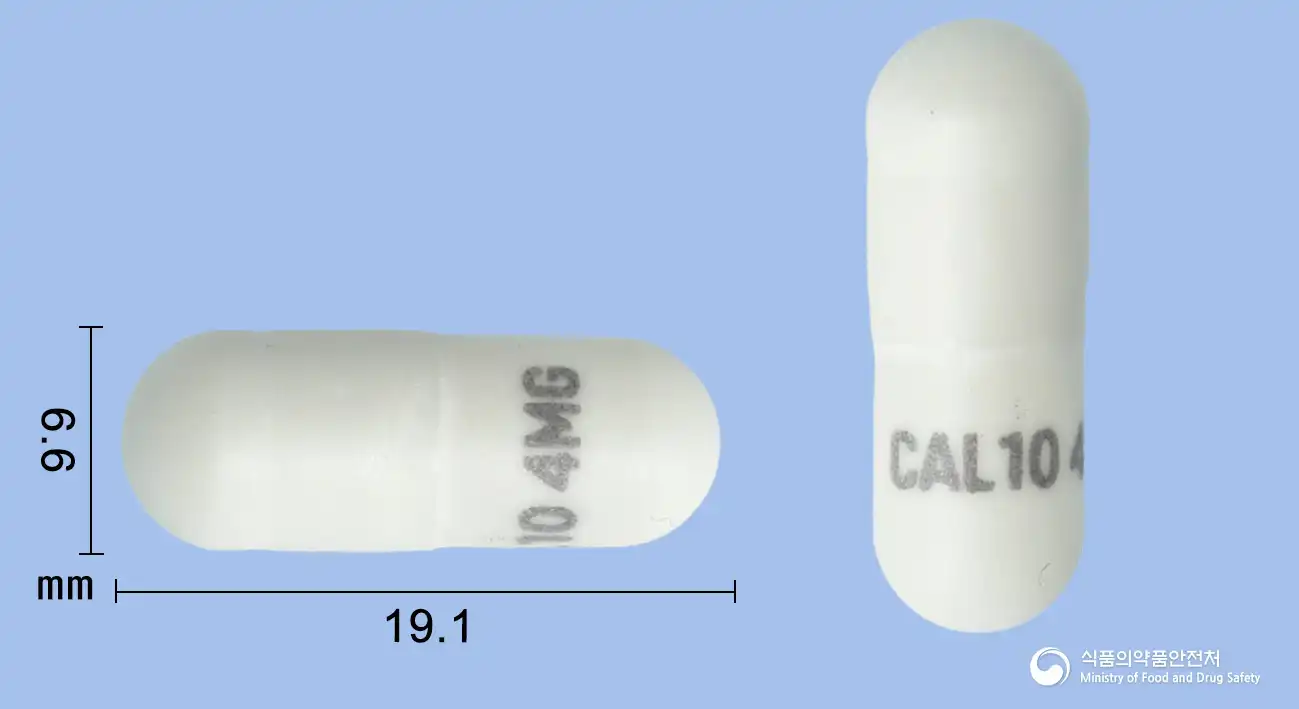
White to grayish-white granules in white to grayish-white enteric-coated hard capsules
120 capsules/bottle
Even with the same ingredient, strength, dosage form and how it is taken can differ.
Viewing nowBudesonide Micronized 4mg
Hard capsule · Prescription medication
Everest Medicine Korea Co., Ltd.
Budesonide Micronized 0.5mg
Suspension · Prescription medication
Geonil Pharmaceutical Co., Ltd.
Budesonide Micronized
Prescription medication
Daehan Pharmaceutical Co., Ltd.
Budesonide Micronized 0.5mg
Suspension · Prescription medication
Gunil Biopharm Co., Ltd.
Budesonide Micronized 0.5mg
Suspension · Prescription medication
Penmix Co., Ltd.
Budesonide Micronized 0.5mg
Suspension · Prescription medication
Youngjin Pharmaceutical Co., Ltd.
Budesonide Micronized 0.5mg
Suspension · Prescription medication
Ahn-Gook Pharmaceutical Co., Ltd.
Budesonide Micronized 0.5mg
Suspension · Prescription medication
Daehyu Pharmaceutical Co., Ltd.
Even with the same ingredient, the dose and directions can differ by strength and dosage form. Talk to a doctor or pharmacist before switching from a medication you are already taking.
No questions yet.
For anything that needs medical judgment, consult a doctor or pharmacist.
This drug information is based on data provided by the Korea Ministry of Food and Drug Safety.
Consult a doctor or pharmacist for accurate dosage, administration, and usage instructions.