
 한국어
한국어 English
 日本語
日本語 中文(简体)
 Viewing nowCombination
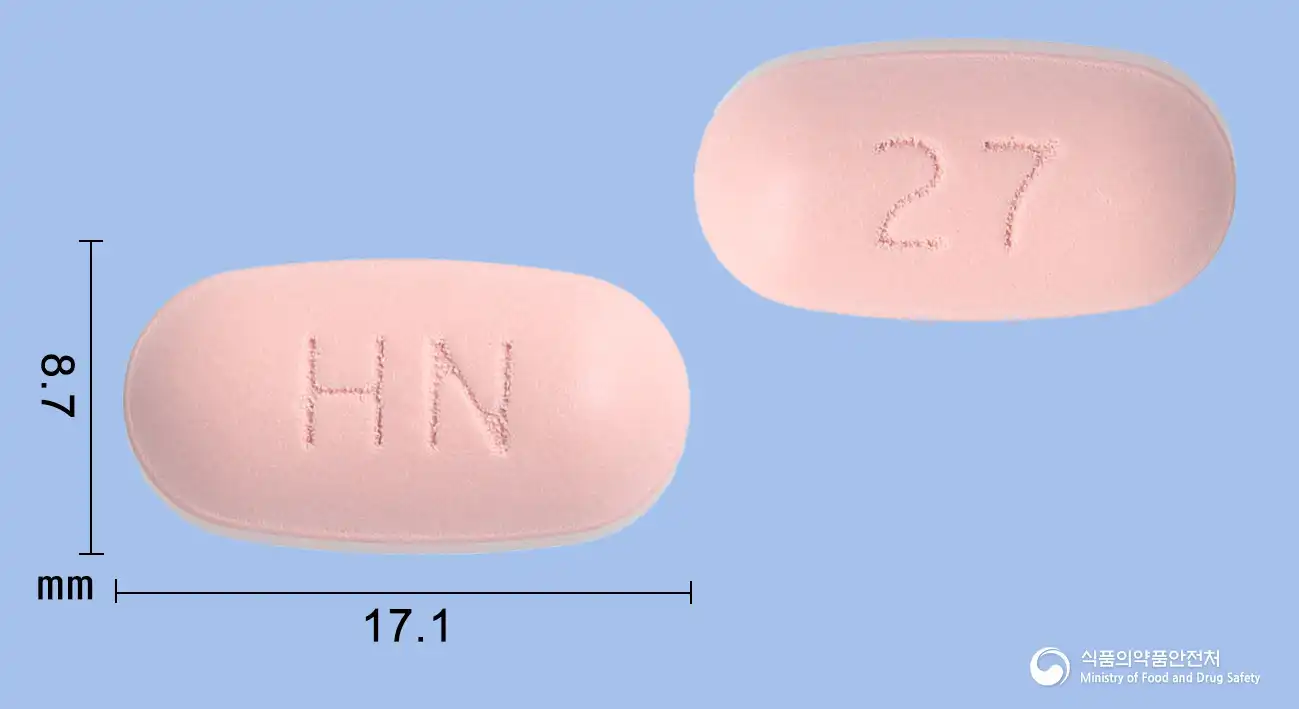
Paramet Duo Tablet 20/700mg (Rabeprazole Sodium, Sodium Bicarbonate)
Rabeprazole Sodium 20mg · Sodium Bicarbonate 700mg
Tablet · Prescription medication · Combination
Hana Pharmaceutical Co., Ltd.
MFDS item code 202402104 · Approved 2024.08.30 · Insurance code 657808260
Relief of symptoms and maintenance therapy for gastric ulcer, duodenal ulcer, and gastroesophageal reflux disease
This medication is used to treat ulcers in the digestive system, such as gastric ulcers and duodenal ulcers. It is also effective for erosive or ulcerative gastroesophageal reflux disease, helping to relieve symptoms caused by this condition. It is applicable for long-term maintenance therapy of gastroesophageal reflux disease to contribute to preventing recurrence. Therefore, it is widely used for the treatment of various ulcers and reflux diseases of the digestive tract.
For gastric ulcer and duodenal ulcer, the usual dose is 10/700 mg orally once a day. Depending on symptoms, 20/700 mg may be administered orally once a day. Treatment for gastric ulcers is up to 8 weeks, and for duodenal ulcers, up to 6 weeks. For erosive or ulcerative gastroesophageal reflux disease, administer 10/700 mg or 20/700 mg once a day for 4-8 weeks. If proton pump inhibitors (PPI) are not effective after 8 weeks, an additional 8 weeks of 10/700 mg or 20/700 mg may be taken twice a day orally. However, 20/700 mg may only be given twice daily to patients with confirmed severe mucosal damage. For symptom relief from gastroesophageal reflux disease, administer 10/700 mg once a day. If symptoms do not improve after 4 weeks of treatment, further evaluation is necessary. Once symptoms are resolved, on-demand therapy with 10/700 mg once a day may be used for any subsequent symptom occurrences. For long-term maintenance therapy of gastroesophageal reflux disease, administer 10/700 mg or 20/700 mg orally once daily as appropriate to the patient. 2. Liver impairment: Adverse reactions related to hepatic encephalopathy have been reported in patients with liver cirrhosis. Therefore, administration should be done with caution. 3. Kidney impairment: Safety and efficacy in patients with kidney impairment have not been established. There is no experience in using this medication, hence caution is advised. 4. The elderly: Caution should be taken as they often have reduced liver function. 5. Children: Safety for use in children has not been established.
Safety for use in children has not been established.
This medication contains Rabeprazole Sodium and Sodium Bicarbonate, which work to inhibit gastric acid secretion. This medication should not be used in patients with allergies to Rabeprazole or benzimidazole derivatives, those taking specific antiviral drugs such as Atazanavir or Lopinavir, and women who are pregnant or breastfeeding. Patients with liver or kidney impairments, the elderly, those with weak heart or lung function, and patients with electrolyte imbalances should use this medication cautiously, especially those who need to restrict sodium intake. Various adverse reactions such as skin rash, itching, blood anomalies, liver dysfunction, heart issues, gastrointestinal symptoms, neurological symptoms, respiratory problems, muscle and joint pain may occur during the use of this medication, so immediate consultation with a doctor should be sought if any symptoms arise. Long-term use should include regular blood tests and liver function tests, as absorption disorders of vitamin B12 or increased fracture risk may occur. This medication can reduce gastric acid, promoting bacterial growth in the gastrointestinal tract, increasing the risk of diarrhea or gastrointestinal infections; thus, medical consultation is recommended if symptoms persist. Caution is necessary when driving or operating machinery due to the possibility of drowsiness. There may be potential interactions with other drugs, so it is advisable to consult a doctor or pharmacist, especially if using together with warfarin, methotrexate, ketoconazole, digoxin, etc. There is no specific antidote for overdose; treatment based on symptoms is necessary, so immediate medical attention should be sought. Keep out of reach of children and do not store in a different container for safety. It is safer not to use this medication during pregnancy or breastfeeding, and caution is advised for the elderly due to potential adverse reactions from impaired liver function. Safety in children has not been established, and there is no experience in use.
Hives, severe swelling (edema), chest tightness, difficulty breathing, extreme lethargy, jaundice, severe skin reactions (severe rash, blisters, skin peeling, oral/ocular mucosal pain), serious neurological symptoms (sudden and severe headaches, thunderclap headaches, seizures, confusion, visual disturbances, paralysis), respiratory issues (shortness of breath or difficulty breathing, asthma attacks, respiratory issues accompanied by cough and fever), severe
Not everyone experiences these, and they can vary from person to person.
This medication must be stored in a sealed container, unaffected by air or humidity. It is important to maintain a storage temperature of 1 to 30 degrees Celsius at room temperature. This helps to preserve the efficacy and safety of the medication over a long time.
Pale pink oval film-coated tablet
28 tablets/bottle
Even with the same ingredient, strength, dosage form and how it is taken can differ.
Viewing nowCombinationRabeprazole Sodium 20mg · Sodium Bicarbonate 700mg
Tablet · Prescription medication · Combination
Hana Pharmaceutical Co., Ltd.
 Combination
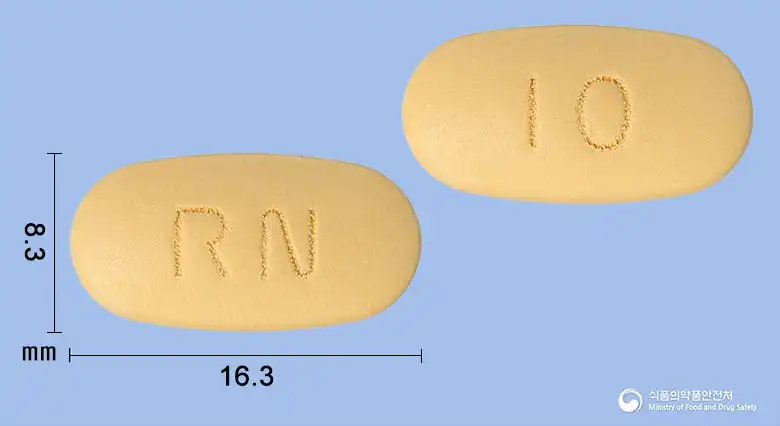
Sodium Bicarbonate 500mg · Rabeprazole Sodium 10mg
Tablet · Prescription medication · Combination
Youngjin Pharmaceutical Co., Ltd.
 Combination
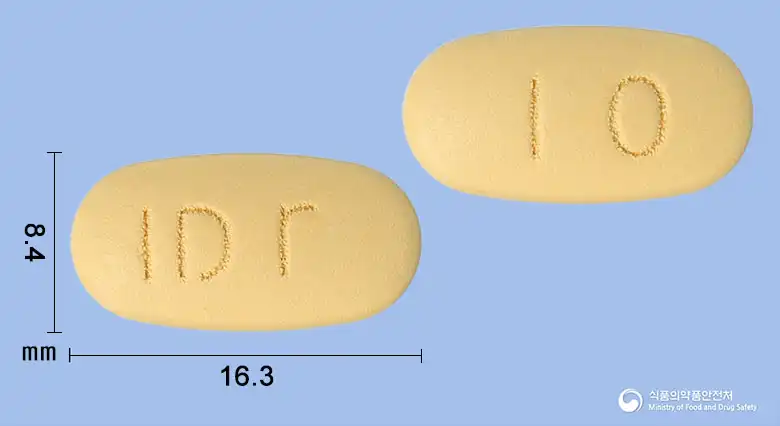
Sodium Bicarbonate 500mg · Rabeprazole Sodium 10mg
Tablet · Prescription medication · Combination
Ildong Pharmaceutical Co., Ltd.
 Combination
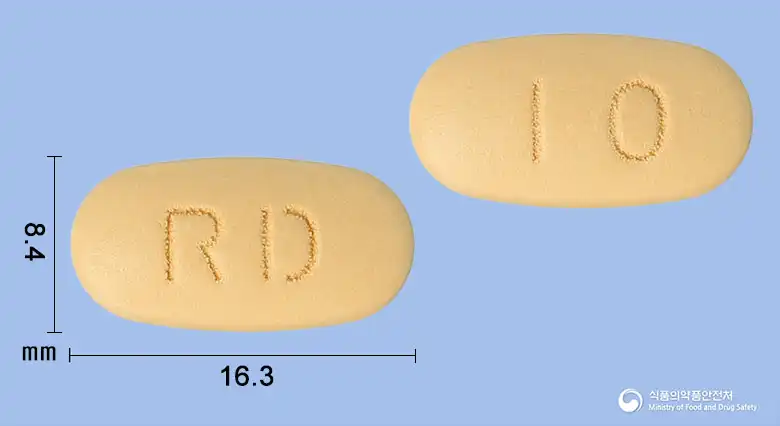
Sodium Bicarbonate 500mg · Rabeprazole Sodium 10mg
Tablet · Prescription medication · Combination
Samjin Pharmaceutical Co., Ltd.
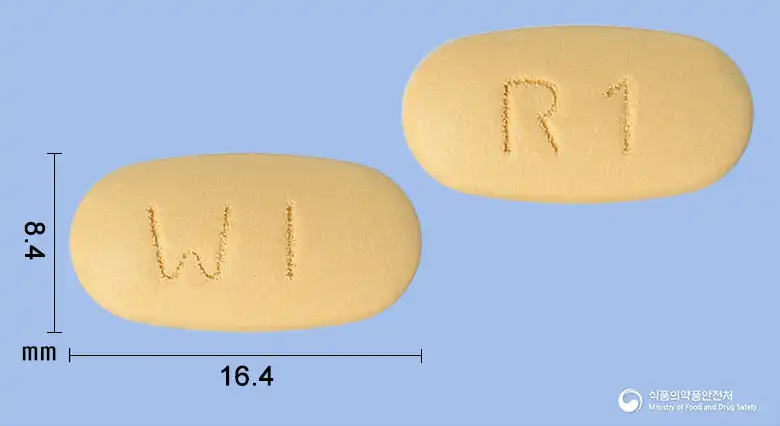 Combination
Sodium Bicarbonate 500mg · Rabeprazole Sodium 10mg
Tablet · Prescription medication · Combination
Hwanin Pharmaceutical Co., Ltd.
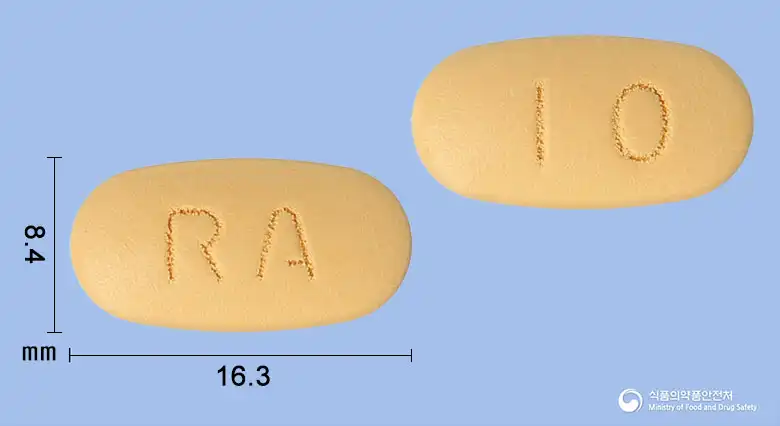 Combination
Sodium Bicarbonate 500mg · Rabeprazole Sodium 10mg
Tablet · Prescription medication · Combination
Donghwa Pharmaceutical Co., Ltd.
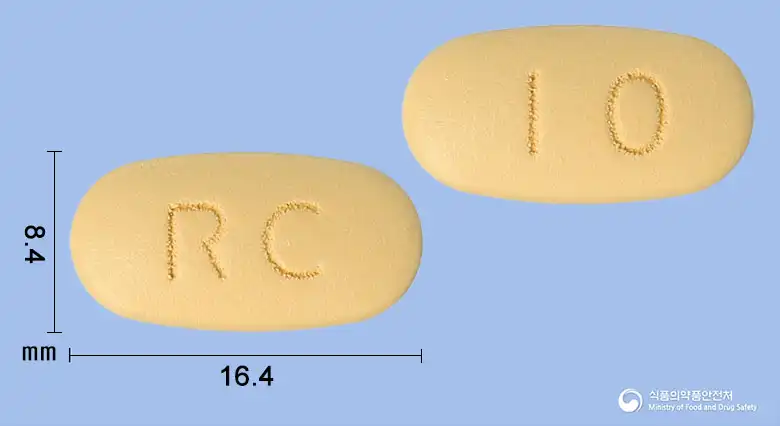 Combination
Sodium Bicarbonate 500mg · Rabeprazole Sodium 10mg
Tablet · Prescription medication · Combination
Dong-A ST Co., Ltd.
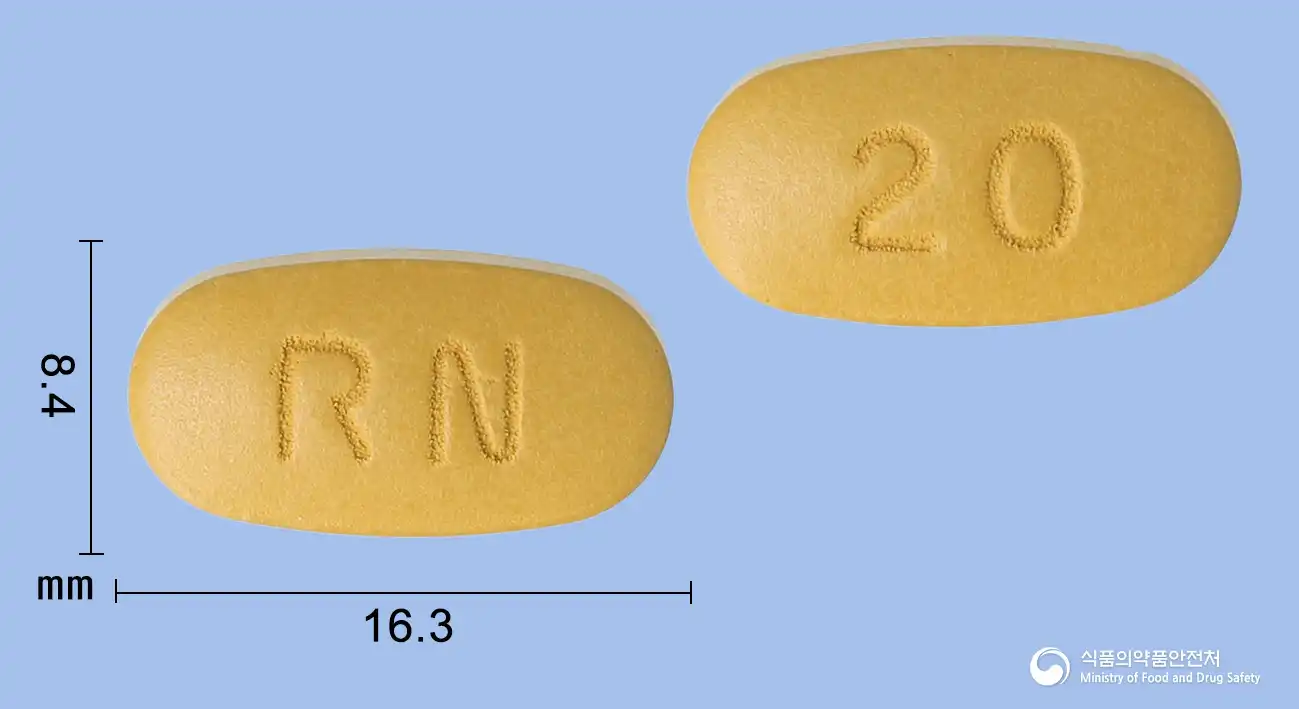 Combination
Sodium Bicarbonate 500mg · Rabeprazole Sodium 20mg
Tablet · Prescription medication · Combination
Youngjin Pharmaceutical Co., Ltd.
Even with the same ingredient, the dose and directions can differ by strength and dosage form. Talk to a doctor or pharmacist before switching from a medication you are already taking.
No questions yet.
For anything that needs medical judgment, consult a doctor or pharmacist.
This drug information is based on data provided by the Korea Ministry of Food and Drug Safety.
Consult a doctor or pharmacist for accurate dosage, administration, and usage instructions.