
 한국어
 English
 日本語
 中文(简体)
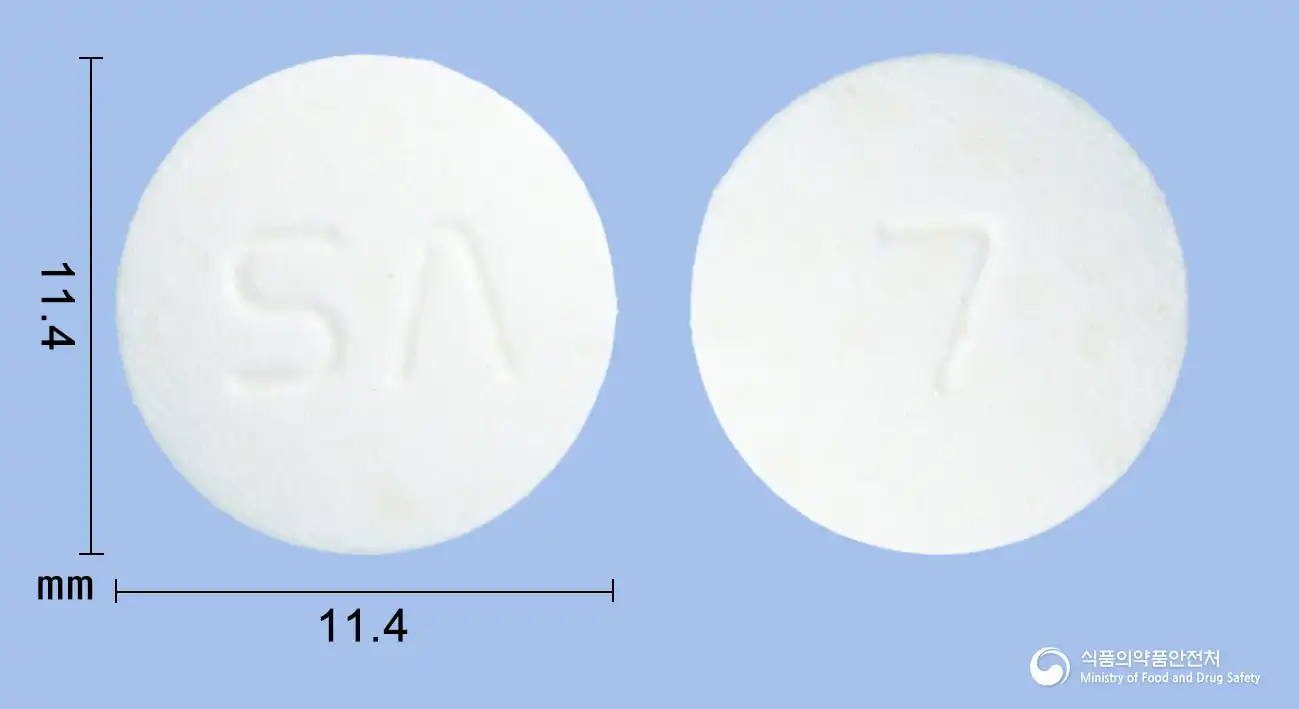 Viewing now
Citus Chewable Tablets 74.2mg (Franlukast Hydrate)
Pranlukast Hydrate 74.2mg
Chewable Tablet · Prescription medication
Sama Pharmaceutical Co., Ltd.
MFDS item code 202401992 · Approved 2024.08.14 · Insurance code 645702920
Treatment of bronchial asthma and perennial allergic rhinitis
This medication is primarily used for bronchial asthma and perennial allergic rhinitis.
Children: The standard dose per administration by body weight is as follows. Administer twice daily, after breakfast and dinner. Chew thoroughly before swallowing. 25kg or more to less than 35kg: 1 chewable tablet 53.0 mg (53.0 mg as pranlukast hydrate) 35kg or more to less than 45kg: 1 chewable tablet 74.2 mg (74.2 mg as pranlukast hydrate)
This medicine contains aspartame, an artificial sweetener that is metabolized into phenylalanine in the body, therefore, patients with phenylketonuria should not take this medicine. The intake of aspartame included in this medicine should be adjusted not to exceed the recommended amount by WHO, with a maximum daily dose of 2.4g for an adult weighing 60kg. Individuals with allergic reactions to this medicine or hypersensitivity to its components should not take it; it contains lactose, and patients with genetic issues such as galactose intolerance, lactose enzyme deficiency, and glucose-galactose malabsorption should also avoid it. Serious allergic reactions like shock or anaphylaxis may occur during use, so if symptoms such as low blood pressure, altered consciousness, breathing difficulties, or rash appear, the medication should be discontinued immediately and medical assistance should be sought. Blood abnormalities such as reduced white blood cell or platelet counts may occur, so if symptoms such as fever, sore throat, fatigue, or tendency to bleed arise, the medication should be stopped. Signs of liver dysfunction, such as jaundice or elevated liver enzyme levels, may occur; if these symptoms appear, the medication should be stopped, and appropriate treatment should be obtained. If respiratory issues arise, such as fever, cough, or difficulty breathing, the medication should be discontinued, and corticoid treatment may be necessary. Muscle pain or weakness, symptoms of rhabdomyolysis may occur, so if such symptoms appear, the medication should be stopped immediately, and renal function should be monitored. Hypersensitivity reactions such as skin rash, urticaria, and itching may occur; if symptoms are present, stop taking the medication and consult with a healthcare professional. Mental and neurological symptoms such as insomnia, numbness, tremor, anxiety, taste disturbance, seizures, headache, drowsiness, dizziness, and agitation may occur. Gastrointestinal symptoms such as heartburn, nausea, vomiting, diarrhea, abdominal pain, and constipation may occur, so exercise caution. Cardiovascular symptoms such as arrhythmias, palpitations, and facial flushing may appear. Urological abnormalities such as urinary dysfunction or decreased urine output, protein in the urine may occur. Additionally, symptoms such as swelling, hair loss, malaise, menstrual irregularities, thirst, and tinnitus may present, so if any abnormal symptoms occur, consult with a physician. This medication is not a quick reliever of asthma attacks, hence asthma patients should be well aware of this during consumption. In case of severe asthma attacks, bronchodilators or steroids should be used, and if trying to reduce steroid medications while taking this medicine, it should be done gradually. Suddenly discontinuing this medication may cause the original condition to worsen, thus caution is advised. While taking this medication, symptoms like vasculitis or eosinophilia may occur, parents should be alert to symptoms like numbness, fever, joint pain, and lung problems. Mental symptoms such as depression, suicidal thoughts, and aggressive behavior have been reported, so the patient's condition should be carefully monitored after administration. If no effect is observed, avoid prolonged use, especially in children who may have difficulty expressing symptoms; guardians should carefully observe their condition. This medication is metabolized in the liver, so if taken in combination with other drugs that affect liver metabolism, the drug concentration may change, thus consulting with a physician is needed. For women who are pregnant or may become pregnant, the safety of this medication is not established, therefore it should only be used when the benefits outweigh the risks. It is advisable not to use this medication in infants under 1 year of age or low birth weight infants as safety has not been confirmed. Elderly patients may have decreased bodily function, so they should take the medication with caution, possibly adjusting the dose. Finally, this medication should be kept out of reach of children, and transferring it to another container can lead to quality deterioration or accidents, hence caution is advised.
Not everyone experiences these, and they can vary from person to person.
This medication may be sensitive to air or moisture, so it should be stored in a tightly closed container. The recommended storage temperature is room temperature between 1°C and 30°C. This will help maintain the medication’s effectiveness and safety for an extended period.
White or light yellow chewable round tablet
60 tablets/box [(10 tablets/Alu-Alu x 6)]
Even with the same ingredient, strength, dosage form and how it is taken can differ.
Viewing nowPranlukast Hydrate 74.2mg
Chewable Tablet · Prescription medication
Sama Pharmaceutical Co., Ltd.
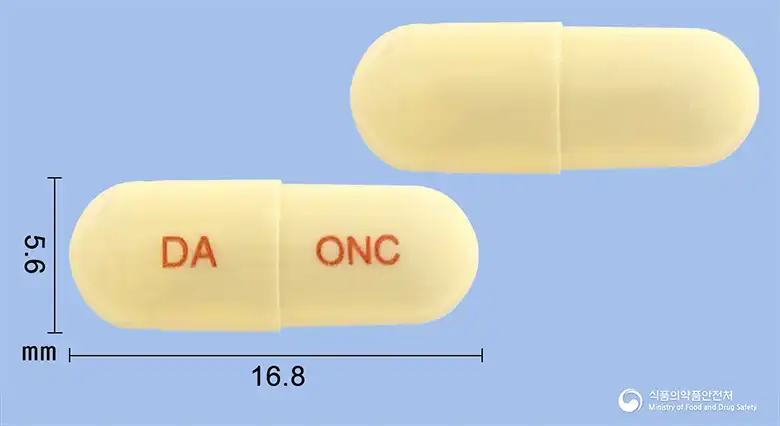
Pranlukast Hydrate 112.5mg
Hard capsule · Prescription medication
Dong-A ST Co., Ltd.
Pranlukast Hydrate
Prescription medication
Dong-A ST Co., Ltd.
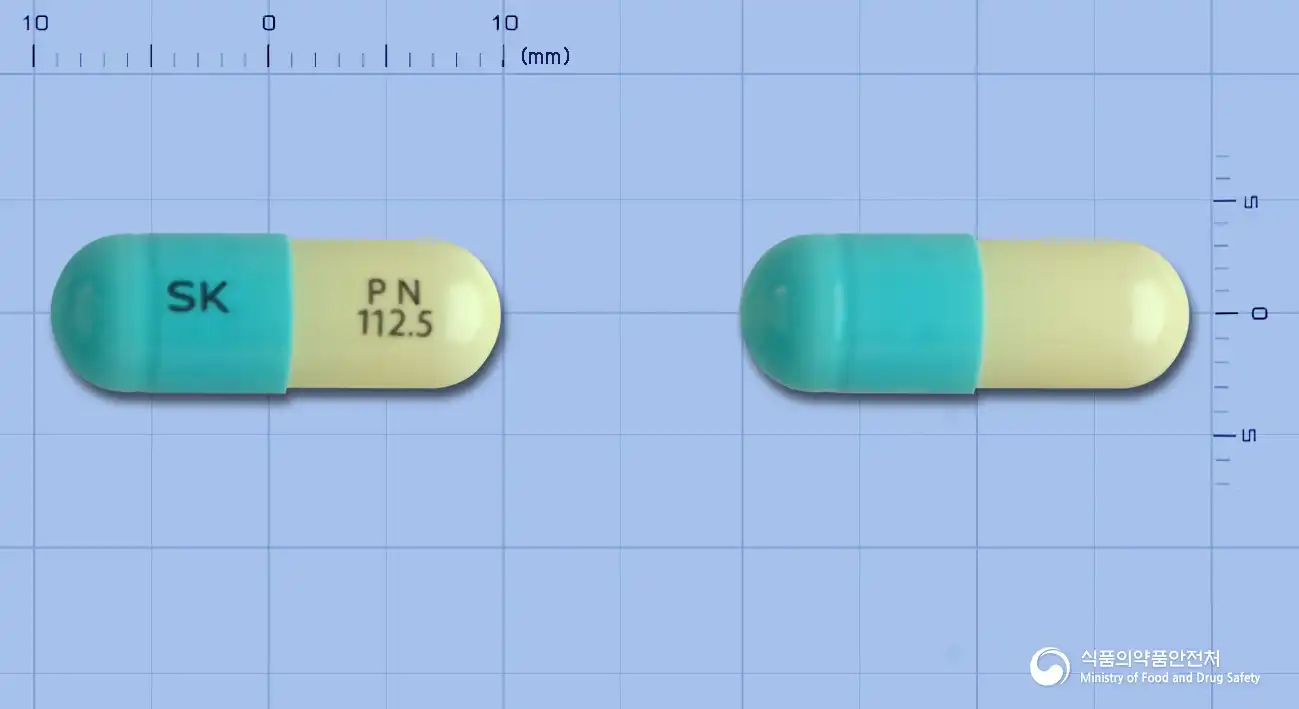
Pranlukast Hydrate 112.5mg
Hard capsule · Prescription medication
SK Chemicals Co., Ltd.
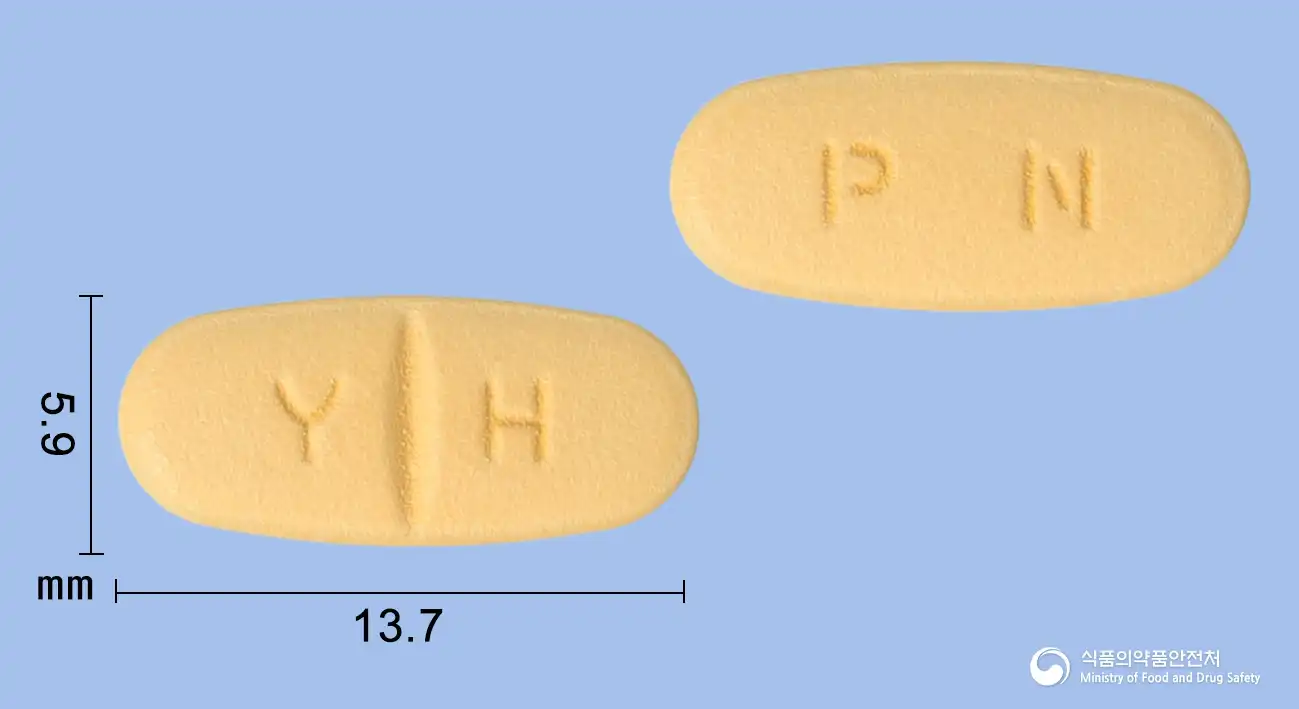
Pranlukast Hydrate 75mg
Tablet · Prescription medication
Yuhan Corporation
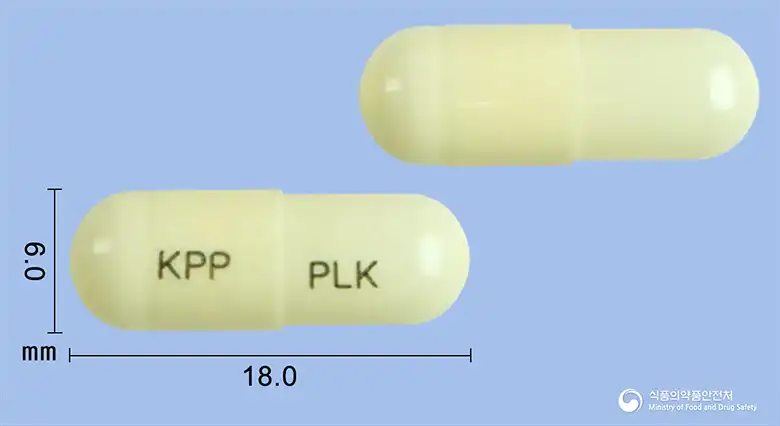
Pranlukast Hydrate 112.5mg
Hard capsule · Prescription medication
Korea Prime Pharmaceutical Co., Ltd.
Pranlukast Hydrate 10g
Syrup · Prescription medication
Sama Pharmaceutical Co., Ltd.
Pranlukast Hydrate 70mg
Prescription medication
Sama Pharmaceutical Co., Ltd.
Even with the same ingredient, the dose and directions can differ by strength and dosage form. Talk to a doctor or pharmacist before switching from a medication you are already taking.
No questions yet.
For anything that needs medical judgment, consult a doctor or pharmacist.
This drug information is based on data provided by the Korea Ministry of Food and Drug Safety.
Consult a doctor or pharmacist for accurate dosage, administration, and usage instructions.