
 한국어
 English
 日本語
 中文(简体)
 Viewing now
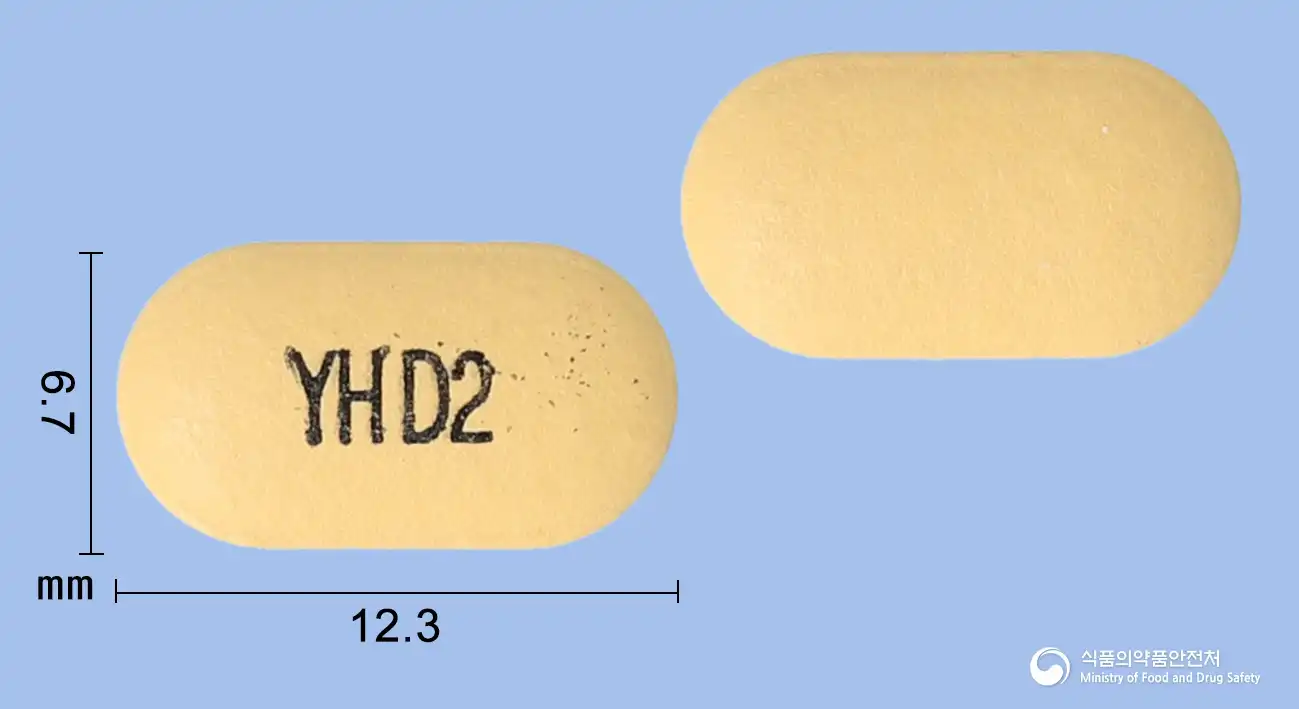
Mobana Tablet 0.2 mg (Dutasteride)
Dutasteride 0.2mg
Tablet · Prescription medication
Yuhan Corporation Co., Ltd.
MFDS item code 202401805 · Approved 2024.07.25
Treatment of male pattern hair loss in adult men (18~50 years)
This medicine is used to treat male pattern hair loss in adult men.
The recommended dose of this medicine is 1 tablet (0.2mg) once daily. To avoid irritation of the oropharyngeal mucosa, swallow this medicine whole without chewing or splitting it. This medicine may be taken with or without food. No dose adjustment is necessary in patients with renal impairment. Since no data are available on the administration of this medicine to patients with hepatic impairment, the recommended dose in these patients has not been established.
This medication is easily absorbed through the skin, so women who are pregnant or may become pregnant should not touch or handle it. Special care should be taken to avoid contact with broken or crushed pieces, as this could affect the external genital development of male fetuses. Additionally, this medicine should not be used by children under the age of 18, and care should be taken to ensure that children do not come into contact with pieces of this medication. This drug is not to be administered to women, nor should it be used by patients under 18 years of age or those who are allergic to this medication or similar components. Adult men planning to conceive should be cautious in using this medication since it may affect reproductive capability; it should be used under the guidance of a physician. Furthermore, patients with a large post-void residual volume or significant decrease in urinary flow may not be suitable candidates for this medication, and such cases require careful monitoring for urinary retention symptoms. Patients with liver dysfunction should take this medication cautiously, considering its metabolic and half-life characteristics. Patients on strong CYP3A4 enzyme inhibitors for extended periods may experience an increased blood concentration of this medication, hence caution is advised. This medication is used for the treatment of male pattern hair loss; reproductive system-related adverse reactions such as erectile dysfunction, ejaculation disorders, and decreased libido have been reported in clinical trials among some patients. Regular monitoring may be necessary as liver function test values may rise. During the use of this medication, donating blood should be avoided, as this is a precaution to prevent the transfer of the drug to pregnant women. Blood donation should only be done at least 6 months after the last dose. Since the prostate-specific antigen (PSA) levels may decrease due to this medication, PSA test results should be interpreted by comparing values before and after using the medication, and new baseline levels should be established after 3-6 months of use if prostate cancer evaluations are required. This medication may increase the risk of high-grade prostate cancer, thus men taking it should have regular prostate cancer risk assessments. It is important to immediately inform healthcare professionals if there are any changes in breast tissue during the use of this medication. Some men may experience a decrease in ejaculate volume while using this medication, but this does not significantly affect normal sexual function. This medication is unlikely to affect driving or machine operation ability, although individual responses may vary, so caution is necessary. In heart failure patients, symptoms of heart failure have been reported more frequently when this medication is used with other drugs, hence such patients should consult with healthcare providers. This medication may interact with various drugs; patients taking other medications should inform their healthcare providers, especially when using strong CYP3A4 inhibitors. Pregnant women and nursing mothers should not use this medication, and it is unknown if it passes into breast milk. There is no specific antidote for overdose; supportive therapy should be given according to the symptoms. Finally, this medication should be kept out of reach of children and stored in its original container to prevent misuse or degradation of quality.
Not everyone experiences these, and they can vary from person to person.
This medication should be stored in a tightly sealed container to prevent air from entering, ideally at room temperature between 1 to 30 degrees Celsius. Storing it this way will maintain the effectiveness of its components.
Yellow rectangular film-coated tablet
30 tablets/box [(10 tablets/PTP X 3)]
Even with the same ingredient, strength, dosage form and how it is taken can differ.
Viewing nowDutasteride 0.2mg
Tablet · Prescription medication
Yuhan Corporation Co., Ltd.
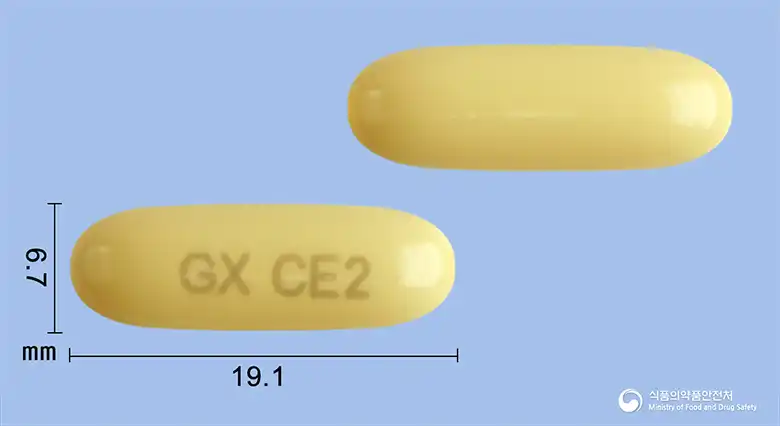
Dutasteride 0.5mg
Soft capsule · Prescription medication
GlaxoSmithKline Co., Ltd.
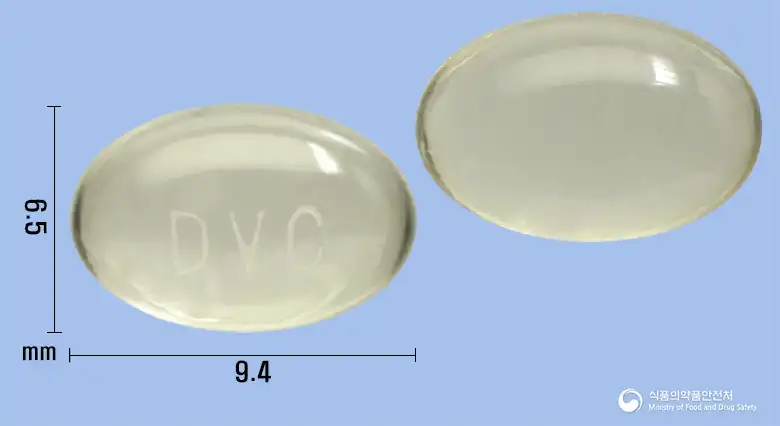
Dutasteride 0.5mg
Soft capsule · Prescription medication
Dong-A ST Co., Ltd.
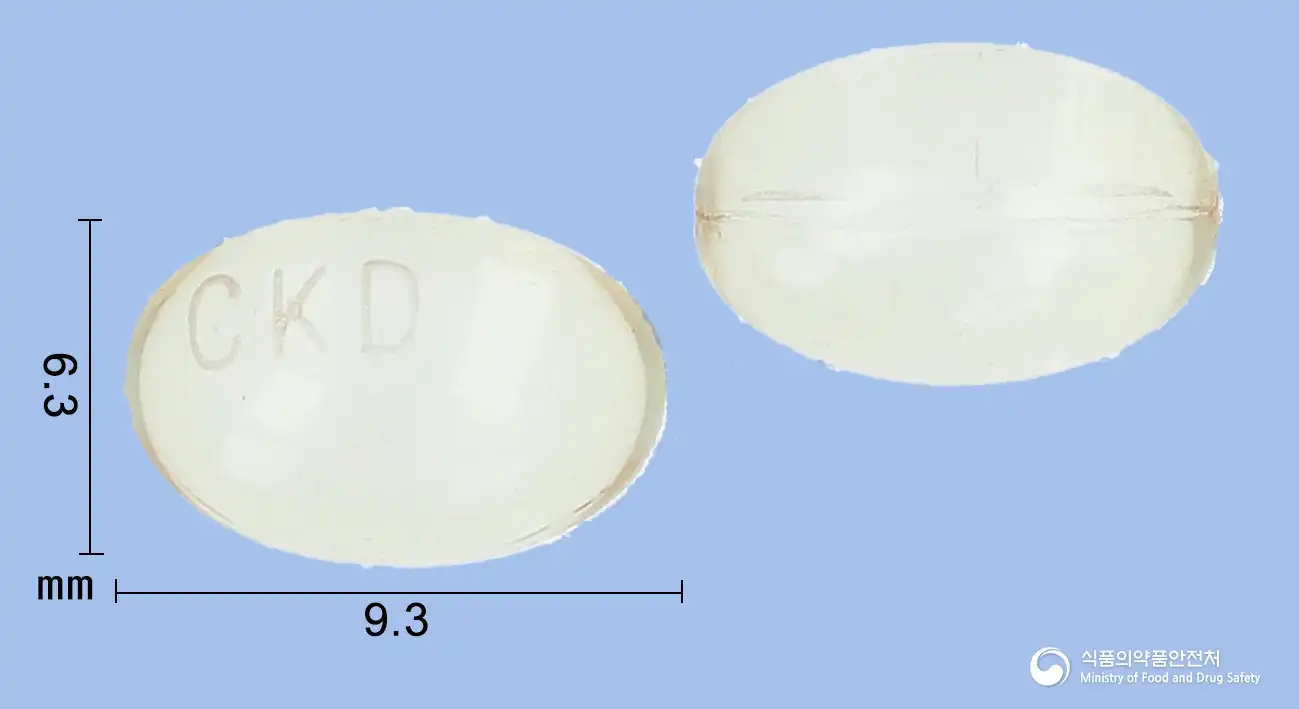
Dutasteride 0.5mg
Soft capsule · Prescription medication
Jongkundang Co., Ltd.
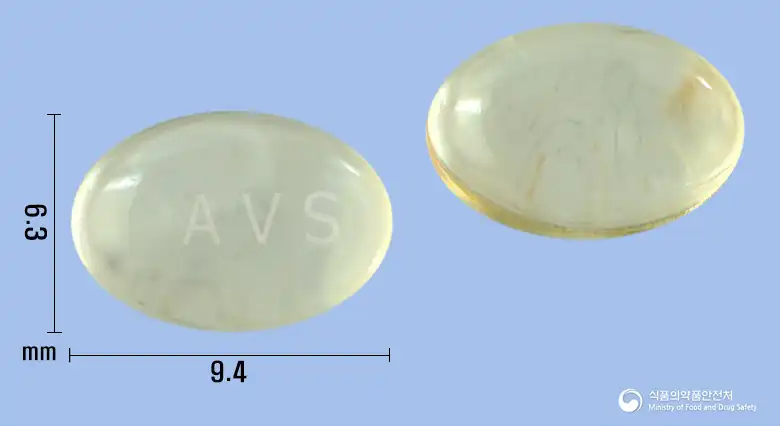
Dutasteride 0.5mg
Soft capsule · Prescription medication
IlYung Pharmaceutical Co., Ltd.
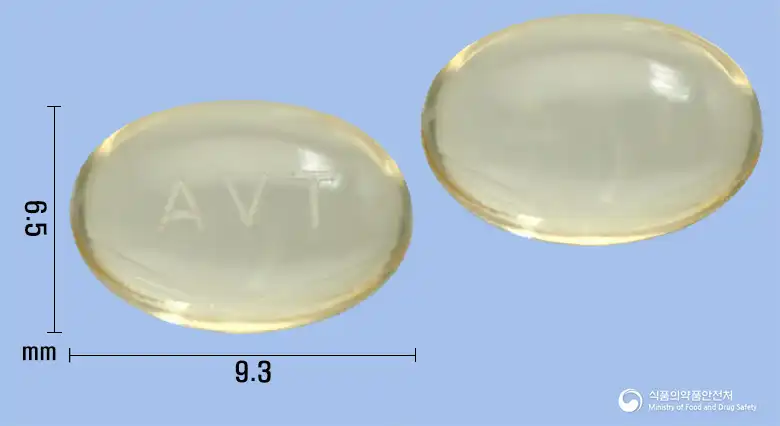
Dutasteride 0.5mg
Soft capsule · Prescription medication
Yuhan Corporation
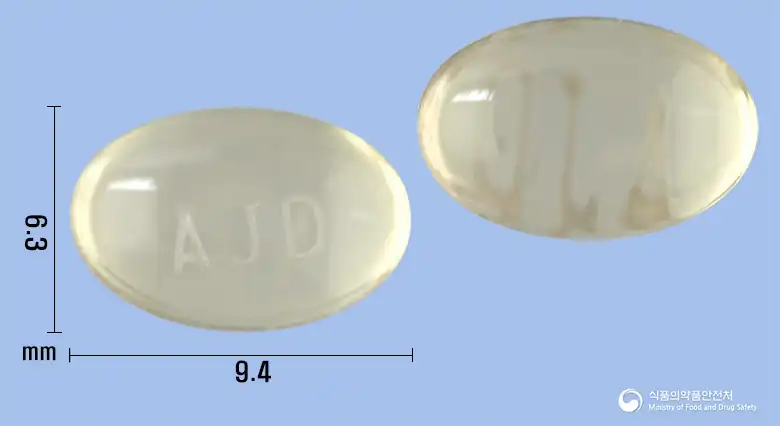
Dutasteride 0.5mg
Soft capsule · Prescription medication
Ajou Pharmaceutical Co., Ltd.
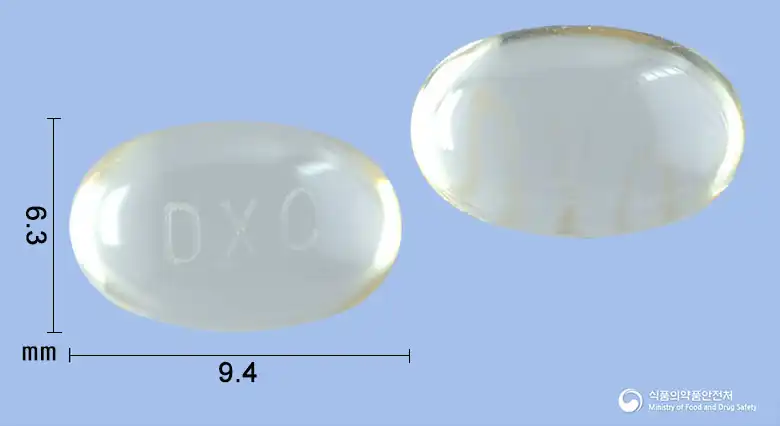
Dutasteride 0.5mg
Soft capsule · Prescription medication
JW Pharmaceutical Co., Ltd.
Even with the same ingredient, the dose and directions can differ by strength and dosage form. Talk to a doctor or pharmacist before switching from a medication you are already taking.
No questions yet.
For anything that needs medical judgment, consult a doctor or pharmacist.
This drug information is based on data provided by the Korea Ministry of Food and Drug Safety.
Consult a doctor or pharmacist for accurate dosage, administration, and usage instructions.