
 한국어
한국어 English
 日本語
日本語 中文(简体)
 Viewing nowCombination
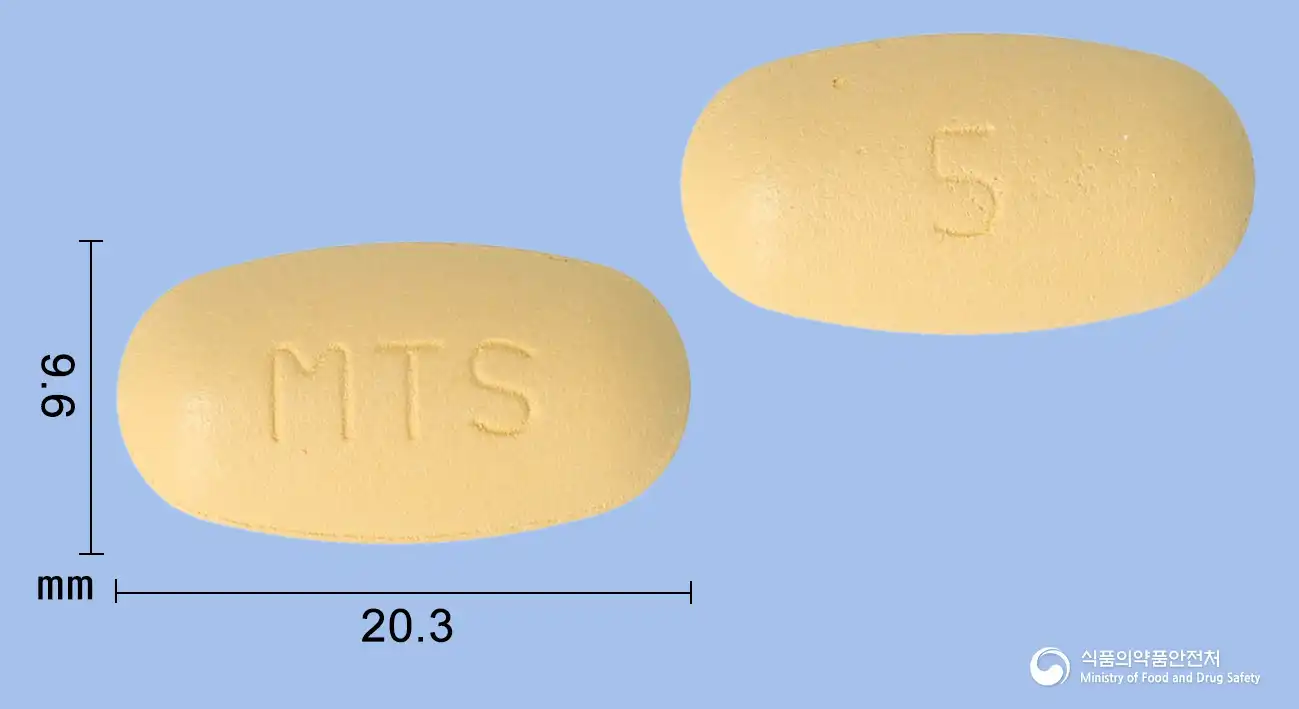
Triploduo Controlled Release Tablet 5/1000 mg (Linagliptin, Metformin)
Linagliptin Besylate 6.67mg · Metformin Hydrochloride 1000mg
Tablet · Prescription medication · Combination
Mothers Pharmaceuticals Co., Ltd.
MFDS item code 202401577 · Approved 2024.06.28 · Insurance code 622805340
Improvement of blood sugar control in type 2 diabetes
This medication aids patients with type 2 diabetes to control their blood sugar more effectively, along with diet and exercise therapies. It is used to improve blood glucose levels with the combined action of Linagliptin and Metformin.
This medication is taken orally once daily with the evening meal. To maintain controlled release properties, this medication should not be divided, crushed, or chewed but should be swallowed whole. The controlled release formulation of 5/1000 mg should be taken once daily, at a dosage of one tablet at a time. Patients taking the controlled release formulation of 2.5/1000 mg should take two tablets simultaneously once daily. 1. For patients not currently treated with Metformin:
This medication is designed to assist in blood sugar control and should not be administered to certain patients. For example, individuals allergic to the ingredients contained in this medication, patients with type 1 diabetes, severe renal impairment, or those experiencing acute infections or trauma may be at risk if they use this medication. This medication can rarely cause a life-threatening condition known as lactic acidosis, so caution is particularly necessary for patients with poor kidney function, liver dysfunction, severe alcohol dependence, or acute heart disease. Symptoms of lactic acidosis include difficulty breathing, abdominal pain, and lethargy; immediate medical attention is required if these symptoms occur. There is also a risk of hypoglycemia, so if taken with other hypoglycemic agents such as insulin or sulfonylureas, blood glucose levels should be monitored frequently and dosage adjustments may be needed. Additionally, excessive exercise, skipping meals, or excessive alcohol consumption can increase the risk of hypoglycemia. This medication requires dosage adjustments based on kidney function, and elderly patients or those with decreased kidney function should be managed with extra caution. Regular blood tests to monitor kidney function are important. Use of this medication should be temporarily halted during surgery or radiological examinations, and it should be resumed only after confirming stable kidney function post-testing. This medication can cause rare side effects such as pancreatitis or skin conditions (bullous pemphigoid); in cases of severe abdominal pain, skin rashes, or blisters, immediate consultation with a physician is necessary. Long-term use of this medication can lower vitamin B12 levels, so if symptoms of anemia or neurological disturbances occur, blood tests should be performed and supplementation treatment should be initiated as necessary. This medication should be swallowed whole and not chewed or crushed, with the tablet coating potentially appearing in stool being normal. It is advisable for women who are pregnant or breastfeeding to avoid using this medication; insulin treatment is recommended for those planning a pregnancy or already pregnant. Safety and efficacy in children have not been established, and elderly patients should have dosage adjustments based on kidney function with regular monitoring of kidney function. This medication may interact with other drugs, so consultation with a physician is necessary, especially when taking medications that may affect kidney function or blood sugar. In the event of overdose, gastrointestinal disturbances or lactic acidosis may occur, requiring immediate medical treatment, which may include dialysis. Finally, this medication should be stored out of reach of children, in a moisture-free environment, and not transferred to other containers.
Hives, angioedema, lactic acidosis, pancreatitis, bullous pemphigoid, abnormal liver function (liver dysfunction, hepatitis), severe allergic reactions (hypersensitivity, angioedema), significant edema (facial edema), severe neurological symptoms (cerebral infarction, stuttering, Alzheimer's-type dementia, drowsiness, confusion), respiratory problems (difficulty breathing, asthma), cardiac disorders (angina, acute myocardial infarction, unstable angina, cardiac arrest, congestive heart failure), renal and
Not everyone experiences these, and they can vary from person to person.
This medication should be stored in a tightly closed container to prevent moisture and air exposure. The storage temperature should be maintained between 1 to 30 degrees Celsius.
This medication is a yellow oval controlled release film-coated tablet.
30 tablets/bottle, 60 tablets/bottle
Even with the same ingredient, strength, dosage form and how it is taken can differ.
Viewing nowCombinationLinagliptin Besylate 6.67mg · Metformin Hydrochloride 1000mg
Tablet · Prescription medication · Combination
Mothers Pharmaceuticals Co., Ltd.
 Combination
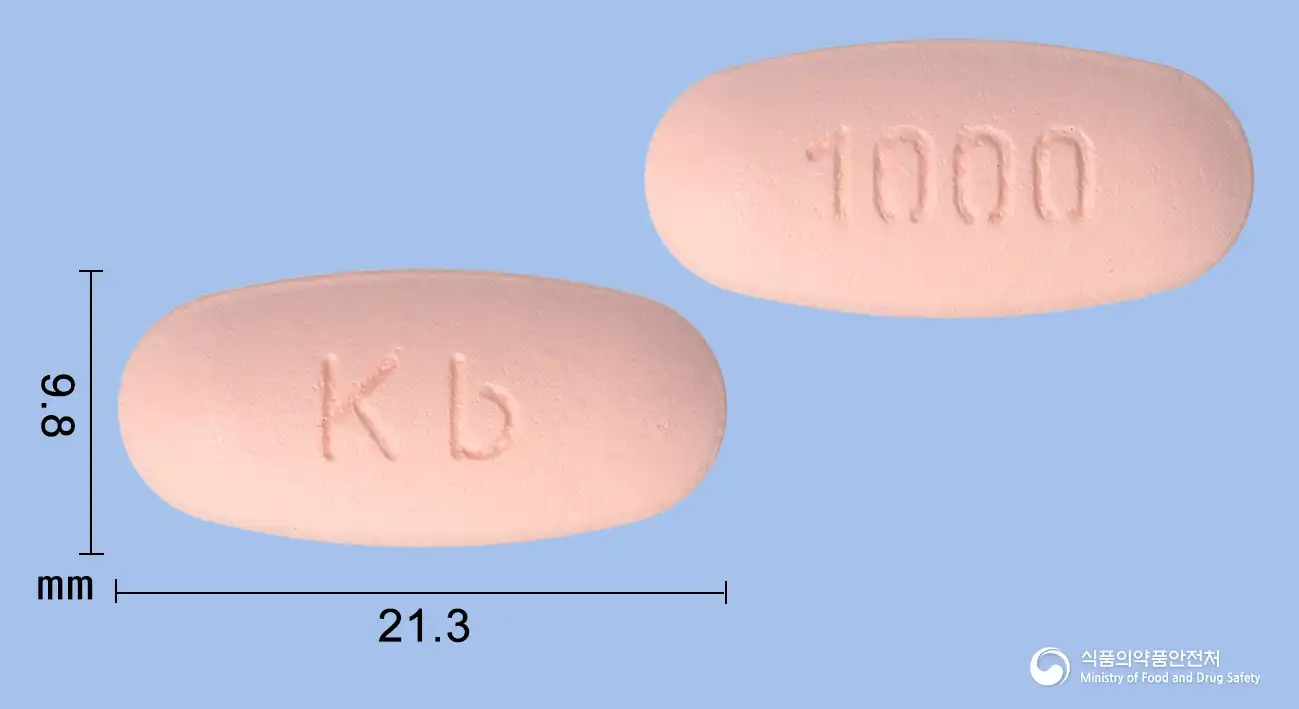
Linagliptin Besylate 3.34mg · Metformin Hydrochloride 1000mg
Tablet · Prescription medication · Combination
Kyungbo Pharmaceutical Co., Ltd.
 Combination
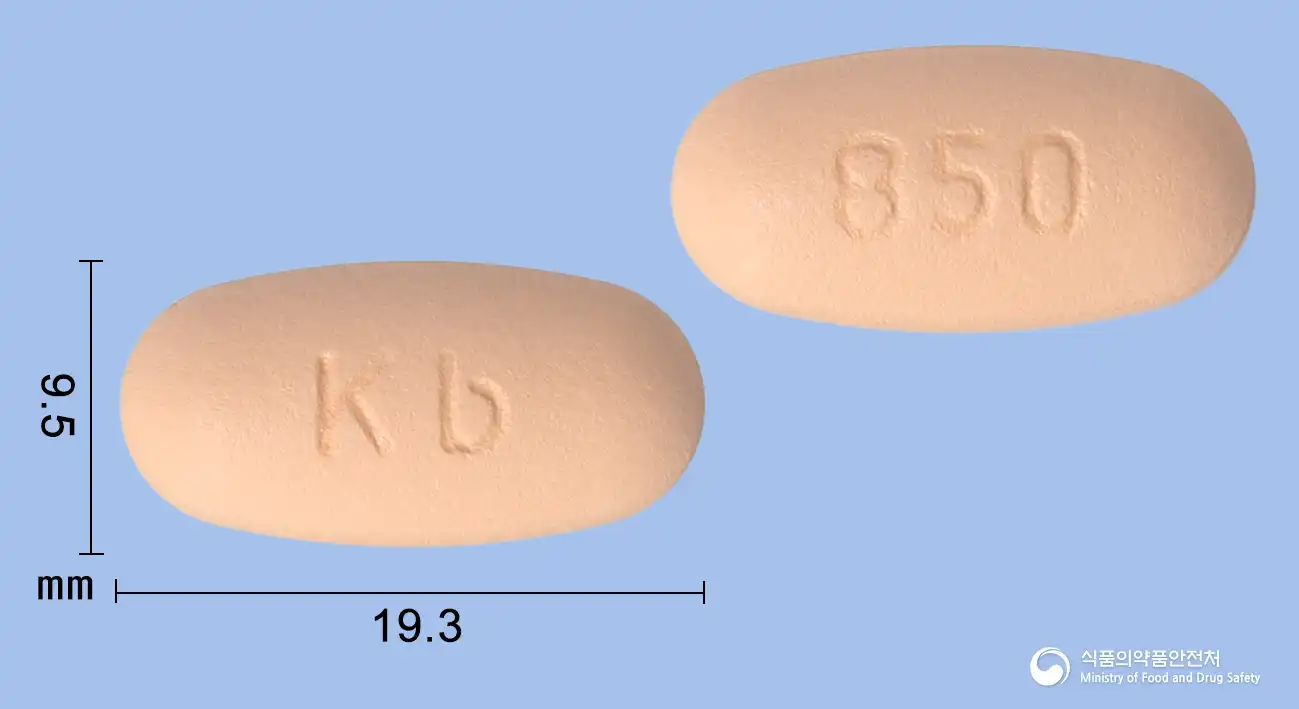
Linagliptin Besylate 3.34mg · Metformin Hydrochloride 850mg
Tablet · Prescription medication · Combination
Kyungbo Pharmaceutical Co., Ltd.
 Combination
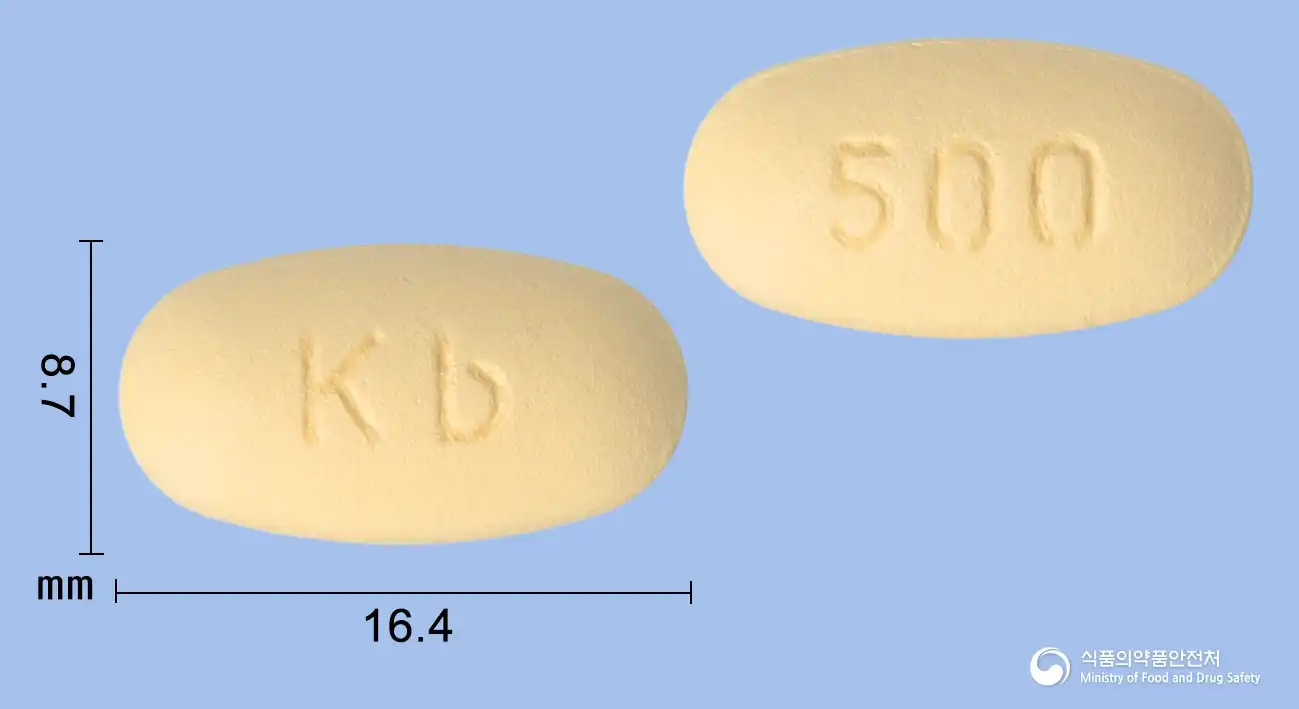
Linagliptin Besylate 3.34mg · Metformin Hydrochloride 500mg
Tablet · Prescription medication · Combination
Kyungbo Pharmaceutical Co., Ltd.
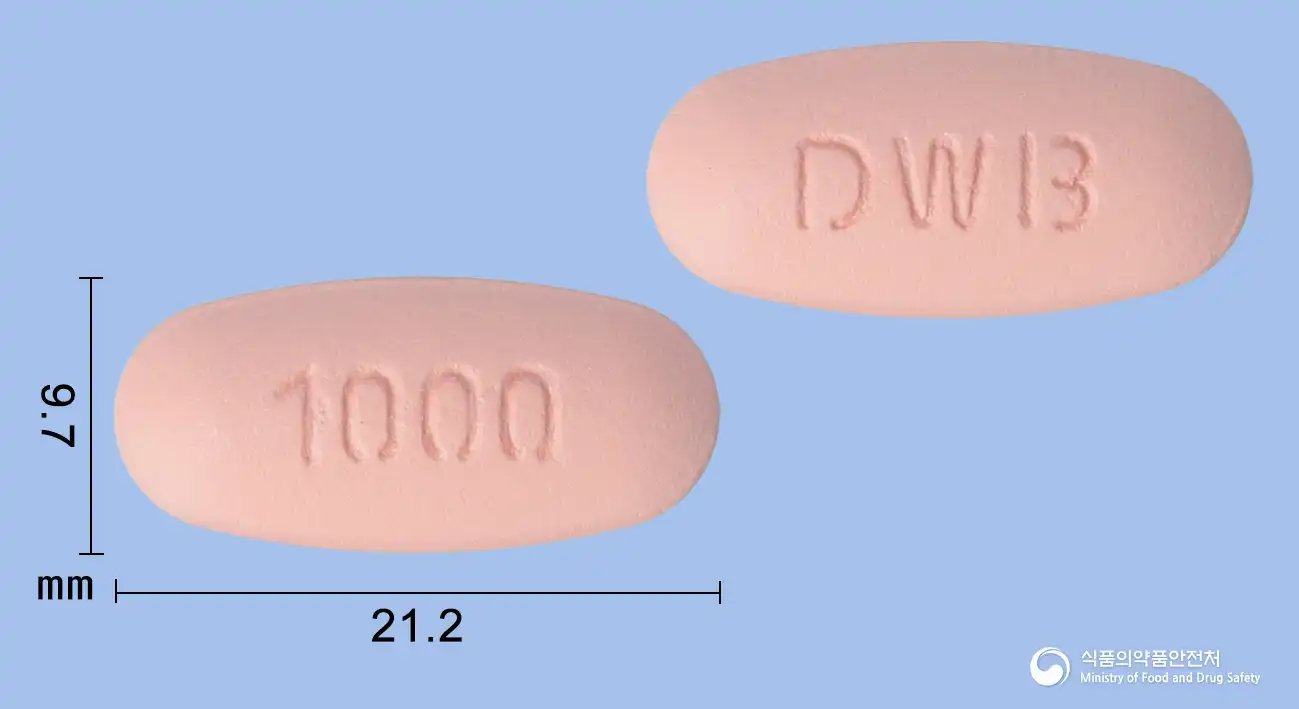 Combination
Linagliptin Besylate 3.34mg · Metformin Hydrochloride 1000mg
Tablet · Prescription medication · Combination
DaiWoong Bio Co., Ltd.
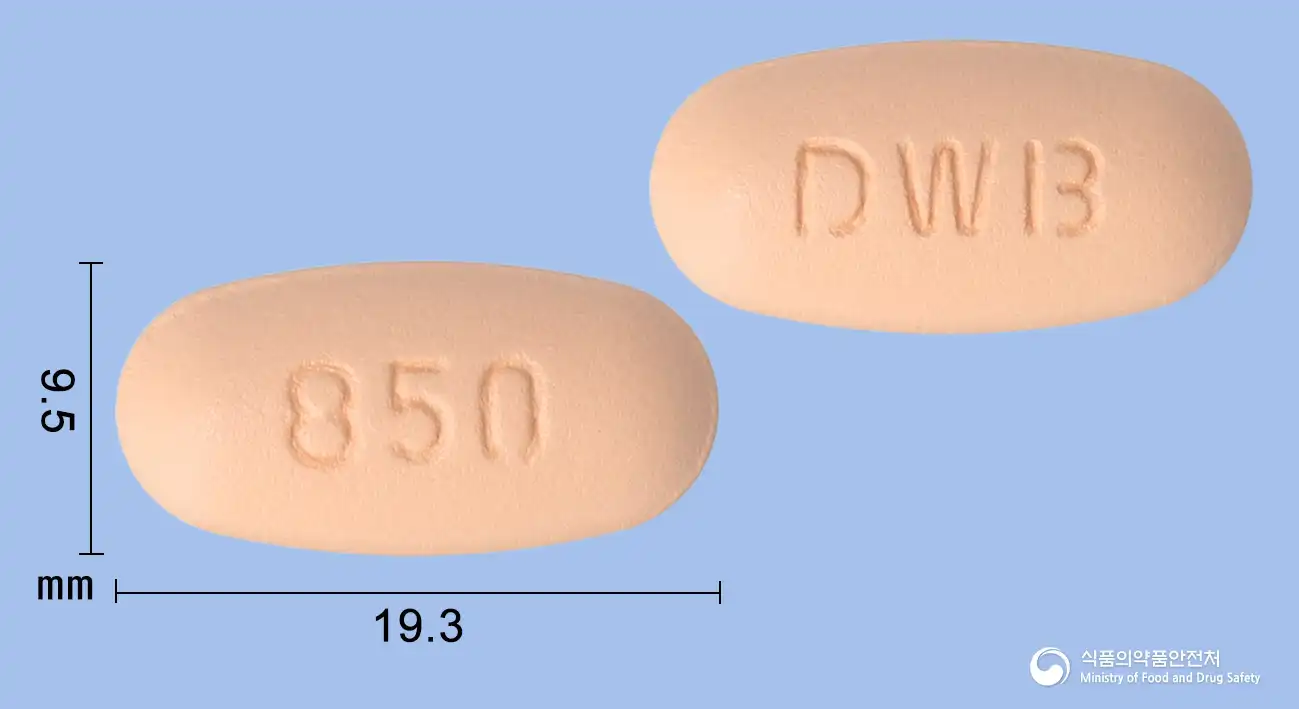 Combination
Linagliptin Besylate 3.34mg · Metformin Hydrochloride 850mg
Tablet · Prescription medication · Combination
Daewoong Bio Co., Ltd.
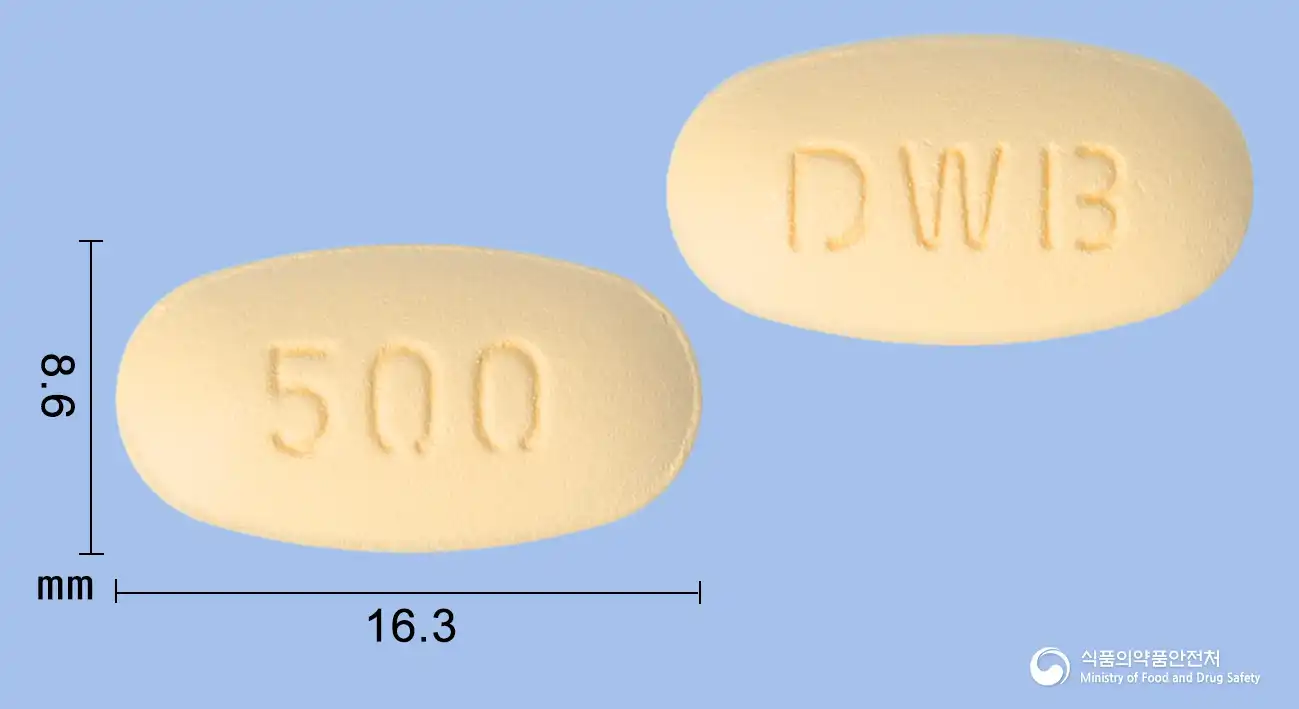 Combination
Linagliptin Besylate 3.34mg · Metformin Hydrochloride 500mg
Tablet · Prescription medication · Combination
Daewoong Bio Co., Ltd.
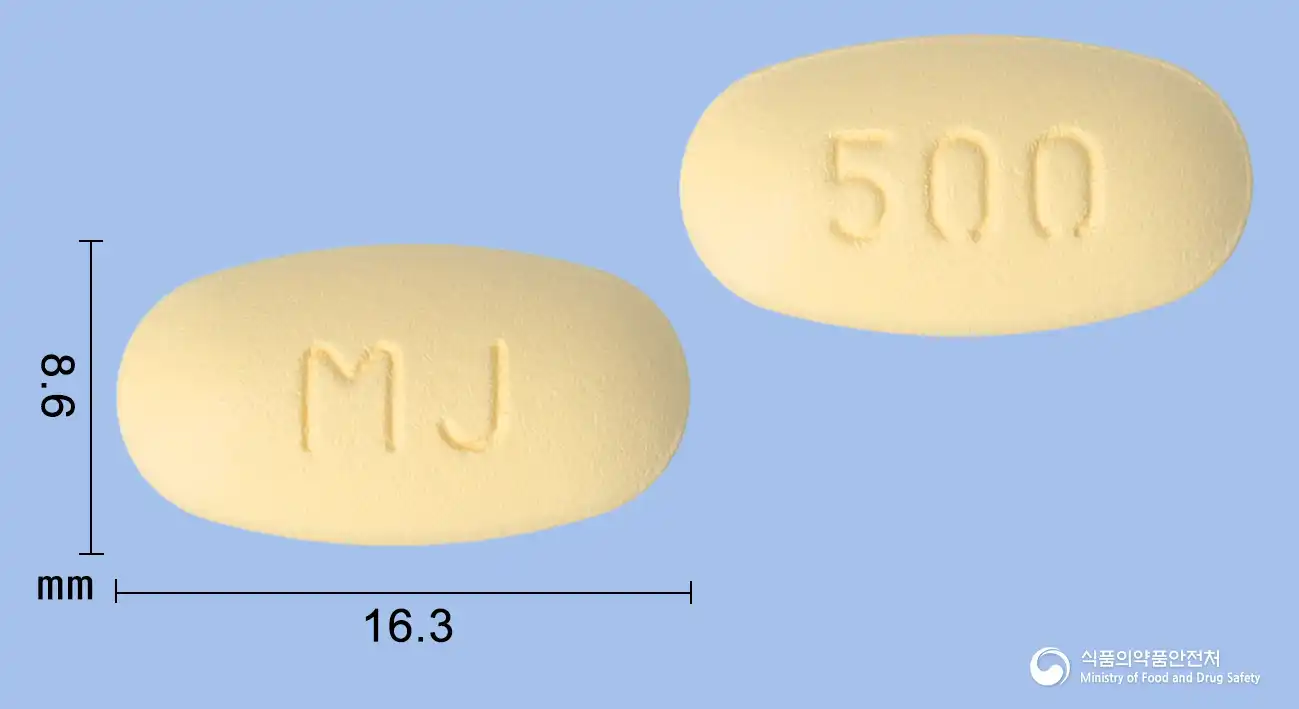 Combination
Linagliptin Besylate 3.34mg · Metformin Hydrochloride 500mg
Tablet · Prescription medication · Combination
Mothers Pharmaceutical Co., Ltd.
Even with the same ingredient, the dose and directions can differ by strength and dosage form. Talk to a doctor or pharmacist before switching from a medication you are already taking.
No questions yet.
For anything that needs medical judgment, consult a doctor or pharmacist.
This drug information is based on data provided by the Korea Ministry of Food and Drug Safety.
Consult a doctor or pharmacist for accurate dosage, administration, and usage instructions.