
 한국어
 English
 日本語
 中文(简体)
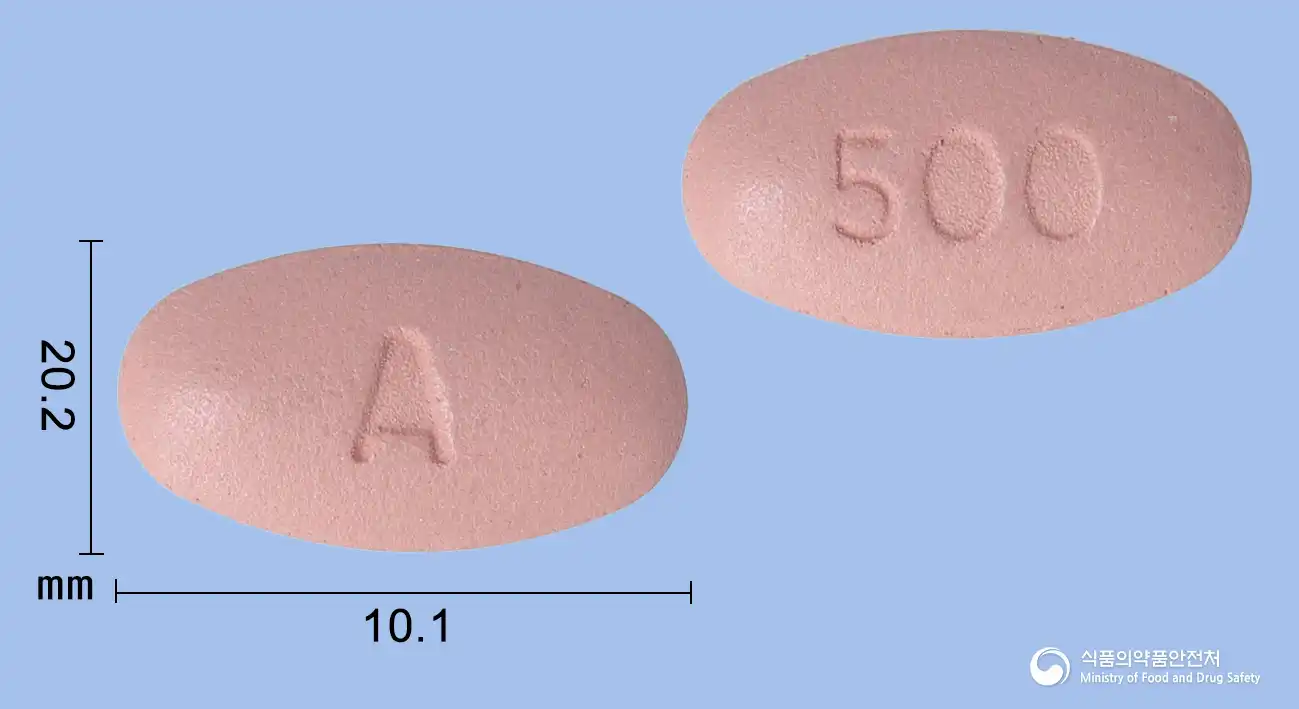 Viewing now
Abiraterone Tablet 500mg (Abiraterone Acetate (Unfractionated))
Abiraterone Acetate Micronized 500mg
Tablet · Prescription medication
Ace Pharma Co., Ltd.
MFDS item code 202401566 · Approved 2024.06.27 · Insurance code 052500070
Treatment of metastatic prostate cancer (castration-resistant and high-risk hormone-sensitive)
This drug is used to treat patients with asymptomatic or mildly symptomatic metastatic castration-resistant prostate cancer. It is also effective for patients who have previously received chemotherapy including docetaxel for metastatic castration-resistant prostate cancer. In newly diagnosed patients with hormone-sensitive high-risk metastatic prostate cancer (mHSPC), it is used in combination with androgen deprivation therapy (ADT). This drug should be taken with prednisone and plays a crucial role in prostate cancer treatment.
The recommended dose of this medicine is 1,000mg (two 500mg tablets) once daily. It must not be taken with food. This medicine must be taken once daily on an empty stomach. Take it at least 2 hours after a meal, and do not eat for at least 1 hour after taking it. Swallow the tablets whole with water. Prednisolone dose Patients with metastatic castration-resistant prostate cancer take 10mg daily in combination with this medicine. Patients with metastatic hormone-sensitive prostate cancer take 5mg daily in combination with this medicine. Recommended monitoring Measure serum aminotransferases and bilirubin before starting treatment with this medicine, every 2 weeks during the first 3 months of treatment, and monthly thereafter. Monitor blood pressure, serum potassium, and fluid retention monthly. 1. Dose adjustment in patients with hepatic impairment No dose adjustment is necessary in patients with mild hepatic impairment. In patients with moderate hepatic impairment (Child Pugh Class B) who were not cancer patients, systemic exposure to this medicine increased approximately 3.6-fold after a single dose of 1,000mg in subjects with normal [hepatic function]. There are no clinical safety and efficacy data for multiple-dose administration of this medicine in patients with moderate to severe hepatic impairment (Child Pugh Class B or C). This medicine should be used with caution in patients with moderate hepatic impairment only when the potential benefit clearly outweighs the potential risk. This medicine should not be used in patients with severe hepatic impairment. If hepatotoxicity occurs during treatment (alanine aminotransferase (ALT) or aspartate aminotransferase (AST) increased to 5 times or more the upper limit of normal, or bilirubin increased to 3 times or more the upper limit of normal), treatment should be withheld until liver function test results return to normal. Once liver function test results have recovered, the patient may be retreated at a reduced dose of 500mg (1 tablet) once daily from baseline. For patients who are retreated, serum aminotransferases and bilirubin should be monitored at least every 2 weeks for the first 3 months and monthly thereafter. If hepatotoxicity recurs at the reduced dose of 500mg once daily, discontinue treatment with this medicine. The reduced dose should not be taken with food. If severe hepatotoxicity (ALT or AST 20 times the upper limit of normal) occurs during treatment, discontinue treatment with this medicine and do not restart it. 2. Dose adjustment in patients with renal impairment No dose adjustment is required in patients with renal impairment.
This drug should not be administered to women who are pregnant or may become pregnant. Individuals who are allergic to this drug or its components should avoid taking it. It is not suitable for patients with lactose intolerance or certain genetic metabolic disorders. Co-administration with radium-223 chloride may pose risks, so it should not be used together. Caution is required for patients with symptoms of mineralocorticoid excess, such as hypertension, hypokalemia, and fluid retention; blood pressure and potassium levels should be monitored regularly. Patients with poor liver function are at risk of hepatotoxicity and should have liver function tests frequently; treatment should be discontinued if liver enzyme levels rise significantly. Patients with a history of cardiovascular disease should also exercise caution with this drug, especially as safety has not been established in heart failure patients. This drug may cause side effects such as hypertension, hypokalemia, fluid retention, and peripheral edema, as well as urinary tract infections. Muscle-related adverse reactions such as myopathy or rhabdomyolysis have also been reported. Taking this drug with food can increase absorption and alter safety and efficacy, thus it must be taken on an empty stomach. It may interact with other medicines, so especially when taking drugs metabolized in the liver, consultation with a doctor or pharmacist is essential. Women who are pregnant or breastfeeding should not use this drug, and male patients should ensure proper contraception, such as using condoms, during sexual intercourse with women who may become pregnant. It is not to be administered to children. In case of overdose, treatment should be stopped immediately, and heart rhythm and liver function should be monitored with appropriate care required. Keep the drug out of reach of children and store it in the original container.
Not everyone experiences these, and they can vary from person to person.
This drug should be stored in a tightly sealed container to prevent exposure to air and moisture. It is important to maintain a storage temperature between 1 degree and 30 degrees Celsius.
Purple oval film-coated tablets
56 tablets (PTP) - 56 tablets/box [(14 tablets/PTP x 4)]
Even with the same ingredient, strength, dosage form and how it is taken can differ.
Viewing nowAbiraterone Acetate Micronized 500mg
Tablet · Prescription medication
Ace Pharma Co., Ltd.
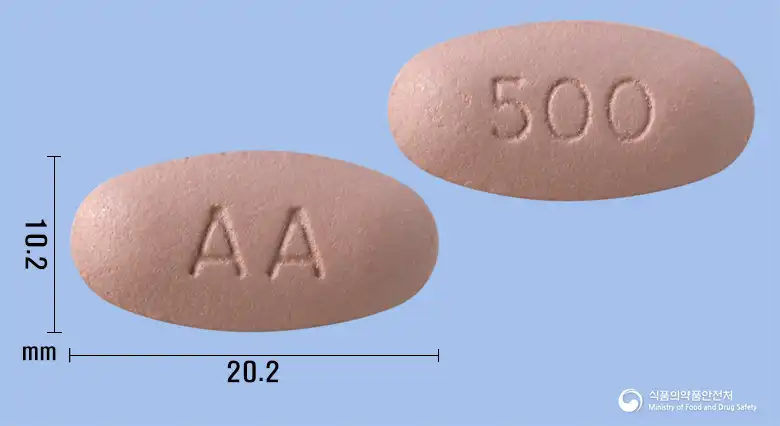
Abiraterone Acetate Micronized 500mg
Tablet · Prescription medication
Janssen Korea, Ltd.
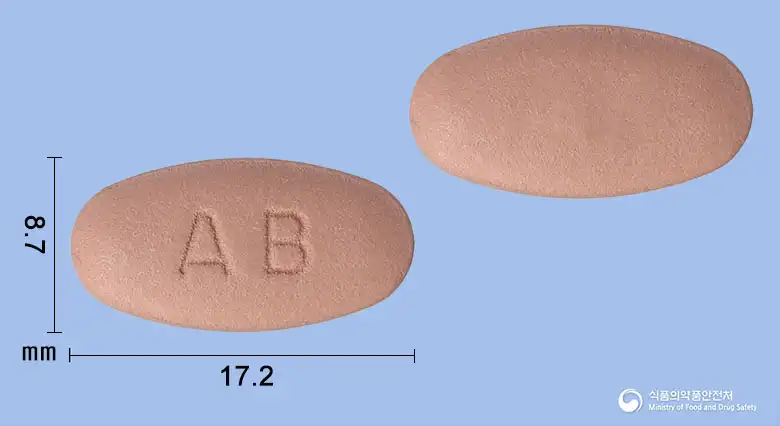
Abiraterone Acetate Micronized 500mg
Tablet · Prescription medication
Hanmi Pharmaceutical Co., Ltd.
Even with the same ingredient, the dose and directions can differ by strength and dosage form. Talk to a doctor or pharmacist before switching from a medication you are already taking.
No questions yet.
For anything that needs medical judgment, consult a doctor or pharmacist.
This drug information is based on data provided by the Korea Ministry of Food and Drug Safety.
Consult a doctor or pharmacist for accurate dosage, administration, and usage instructions.