
 한국어
한국어 English
 日本語
日本語 中文(简体)
 Viewing nowCombination
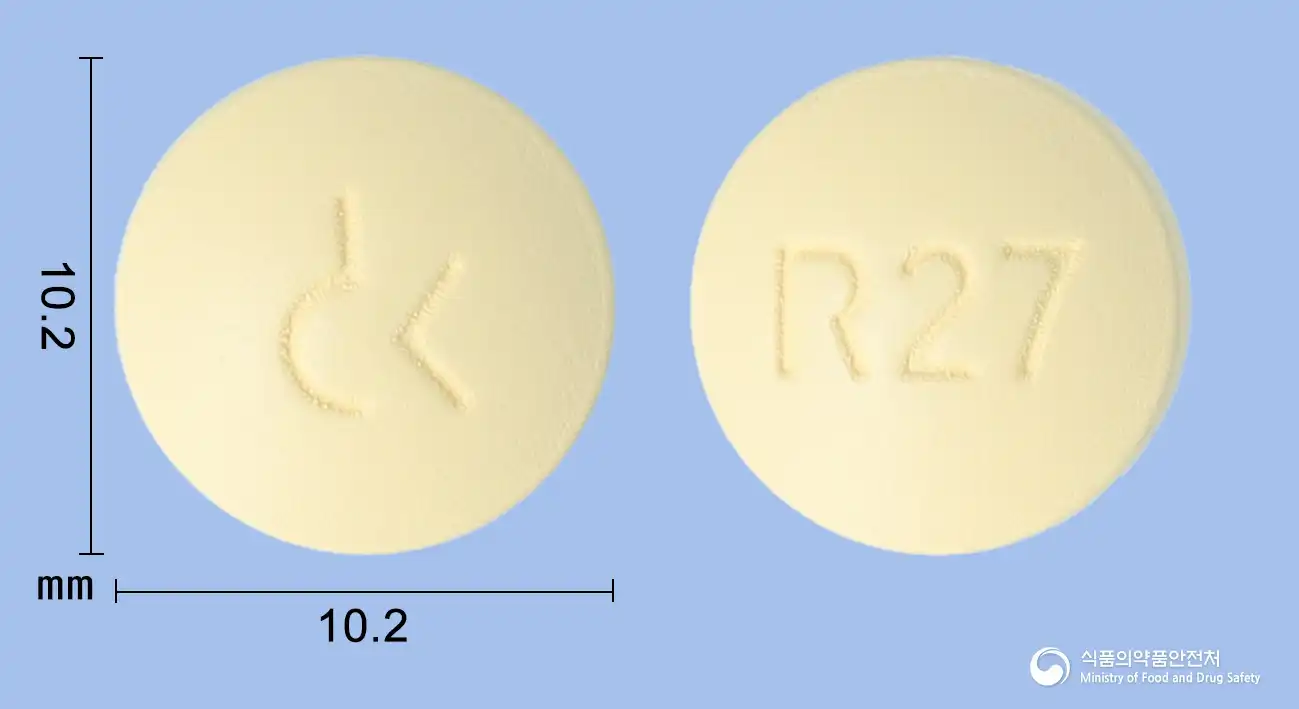
Raveton Tablet 20/600mg (Rabeprazole Sodium, Calcium Carbonate)
Rabeprazole Sodium 20mg · Precipitated Calcium Carbonate 110mg
Tablet · Prescription medication · Combination
Dongkuk Pharmaceutical Co., Ltd.
MFDS item code 202401499 · Approved 2024.06.20 · Insurance code 653405710
Relief and maintenance treatment of symptoms of gastric ulcers, duodenal ulcers, and gastroesophageal reflux disease
This drug is used for the treatment of gastric ulcers and duodenal ulcers. It also treats erosive and ulcerative gastroesophageal reflux disease and helps relieve the symptoms of gastroesophageal reflux disease. It is effective for long-term maintenance therapy of gastroesophageal reflux disease. It is used for the treatment of various gastrointestinal diseases and symptom relief.
1. Gastric ulcer, duodenal ulcer: Typically, administer 10/600mg orally once daily to adults. Depending on symptoms, 20/600mg can be administered orally once daily. Typically, treatment for gastric ulcers is for up to 8 weeks, and for duodenal ulcers, up to 6 weeks. 2. Erosive or ulcerative gastroesophageal reflux disease: Administer 10/600mg or 20/600mg once daily for 4 to 8 weeks. If treatment is not effective after 8 weeks with proton pump inhibitors (PPIs), an additional 8-week treatment of 10/600mg or 20/600mg can be administered orally twice daily. However, administering 20/600mg twice daily is limited to patients with severe mucosal damage. 3. Relief of symptoms of gastroesophageal reflux disease: Administer 10/600mg once daily. If symptoms are not controlled after 4 weeks, further medical attention may be required. After symptoms have resolved, on-demand therapy with 10/600mg once daily can be used to manage subsequent symptoms as needed. 4. Long-term maintenance therapy for gastroesophageal reflux disease: Administer 10/600mg or 20/600mg orally once daily according to the patient. 2. In patients with liver dysfunction: Adverse reactions of hepatic encephalopathy have been reported in patients with cirrhosis. Therefore, it should be administered cautiously. 3. Pediatrics: Safety in children has not been established. 4. The elderly: Special caution is required as liver function is often impaired.
This drug should not be used in certain patients. For example, it should not be administered to patients with allergies to any of its ingredients or those taking certain medications such as Atazanavir or Rilpivirine, pregnant or breastfeeding women, and patients with severe kidney or calcium-related diseases. Care should be taken when using this drug in patients with impaired liver function, the elderly, those with a history of drug allergies, constipation, or those with cardiopulmonary problems. This drug contains a pigment that can cause allergies, so caution is needed for individuals who are hypersensitive to that ingredient. This drug can cause various side effects. Symptoms such as skin rash, itching, blood abnormalities, liver function abnormalities, heart problems, gastrointestinal symptoms, neurological symptoms, respiratory issues, muscle and joint pain, etc., may occur, so if any unusual symptoms appear, discontinue use immediately and consult a doctor. Moreover, long-term use may increase the risk of osteoporosis and fractures, and electrolyte abnormalities such as hypomagnesemia may also occur, so regular check-ups are necessary. Since the inhibition of gastric acid secretion may slightly increase the risk of gastrointestinal infections, please inform your doctor if diarrhea persists. This drug does not significantly affect driving or operating machinery, but caution is required as drowsiness may occur. It may interact with specific medications, so when used with warfarin, methotrexate, atazanavir, and rilpivirine, it should be used as directed by a healthcare professional, considering the possibility of side effects due to changes in drug concentration. Pregnant or breastfeeding women should not use this drug, and safety in children has not been established. In cases of overdose, there is no specific antidote, so it is important to receive treatment based on symptoms. The tablets should be swallowed whole and not chewed or crushed. This drug should be stored out of reach of children and protected from direct sunlight, in a cool and dry place.
Hives, severe swelling (edema), tightness in the chest, difficulty breathing, cold sweat, paleness, severe rash with high fever, blisters, skin peeling, pain in oral/ocular mucosa, yellowing of skin or eyes (jaundice), extreme lethargy, sudden and extremely severe headache, thunderclap headache, seizures, confusion, visual disturbances, paralysis, markedly decreased urine output, severe systemic swelling accompanied by increased blood pressure, severe allergy
Not everyone experiences these, and they can vary from person to person.
This drug must be stored in a tightly sealed container to protect it from air and moisture. It is important to maintain room temperature between 1 and 30 degrees Celsius. This will help keep the drug’s effectiveness safe for a long time.
Pale yellow round film-coated tablet
28 tablets per bottle
Even with the same ingredient, strength, dosage form and how it is taken can differ.
Viewing nowCombinationRabeprazole Sodium 20mg · Precipitated Calcium Carbonate 110mg
Tablet · Prescription medication · Combination
Dongkuk Pharmaceutical Co., Ltd.
 Combination
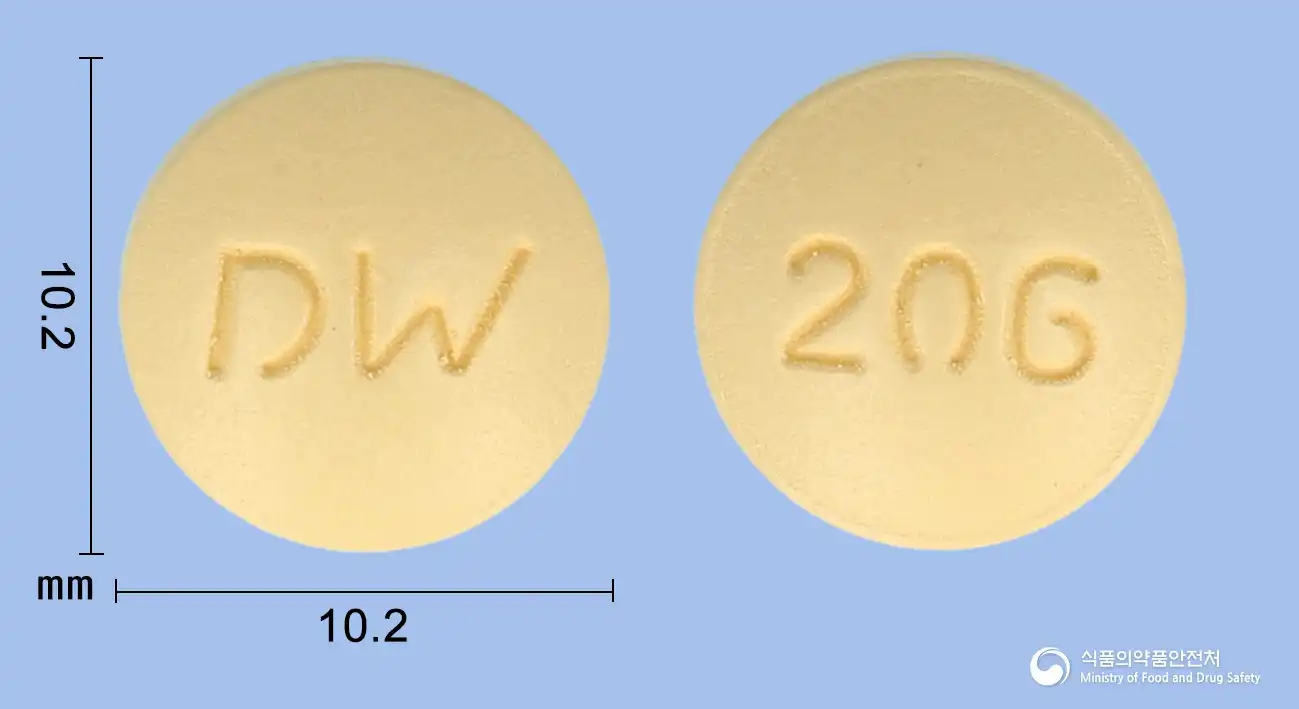
Rabeprazole Sodium 20mg · Precipitated Calcium Carbonate 490mg
Tablet · Prescription medication · Combination
Daewoong Pharmaceutical Co., Ltd.
 Combination
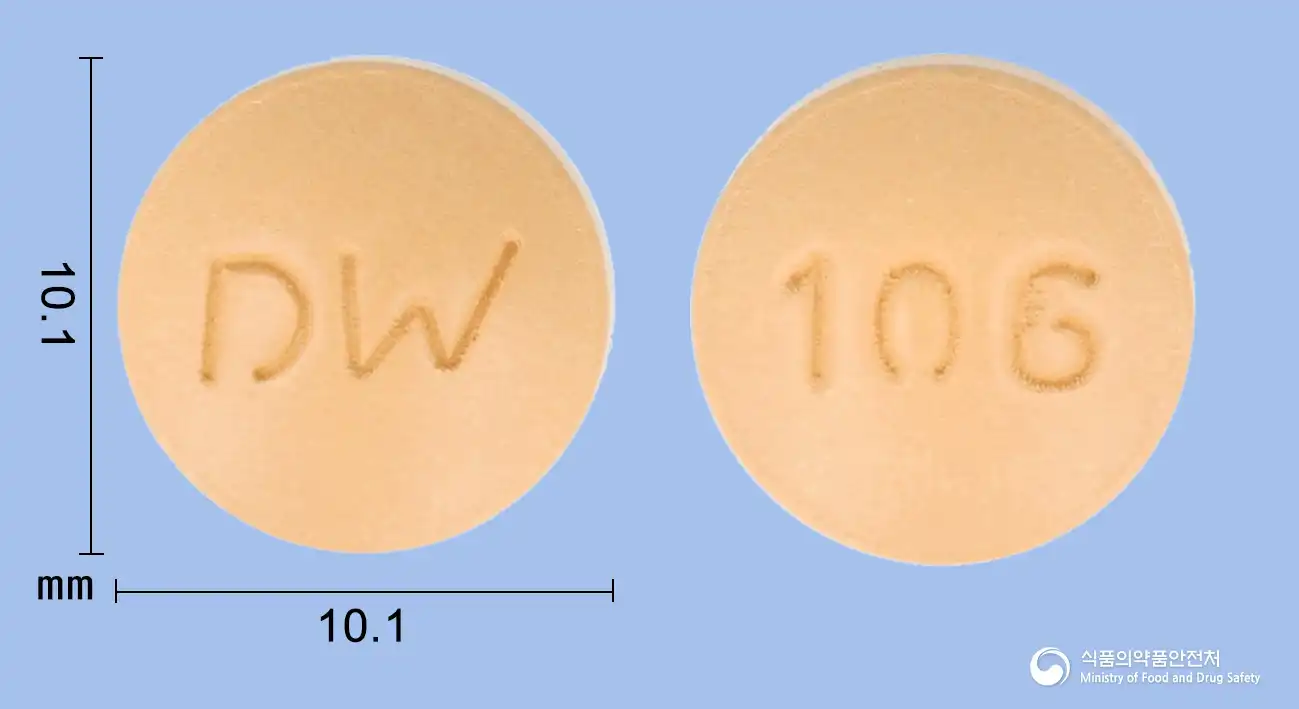
Rabeprazole Sodium 10mg · Precipitated Calcium Carbonate 510mg
Tablet · Prescription medication · Combination
Daewoong Pharmaceutical Co., Ltd.
 Combination
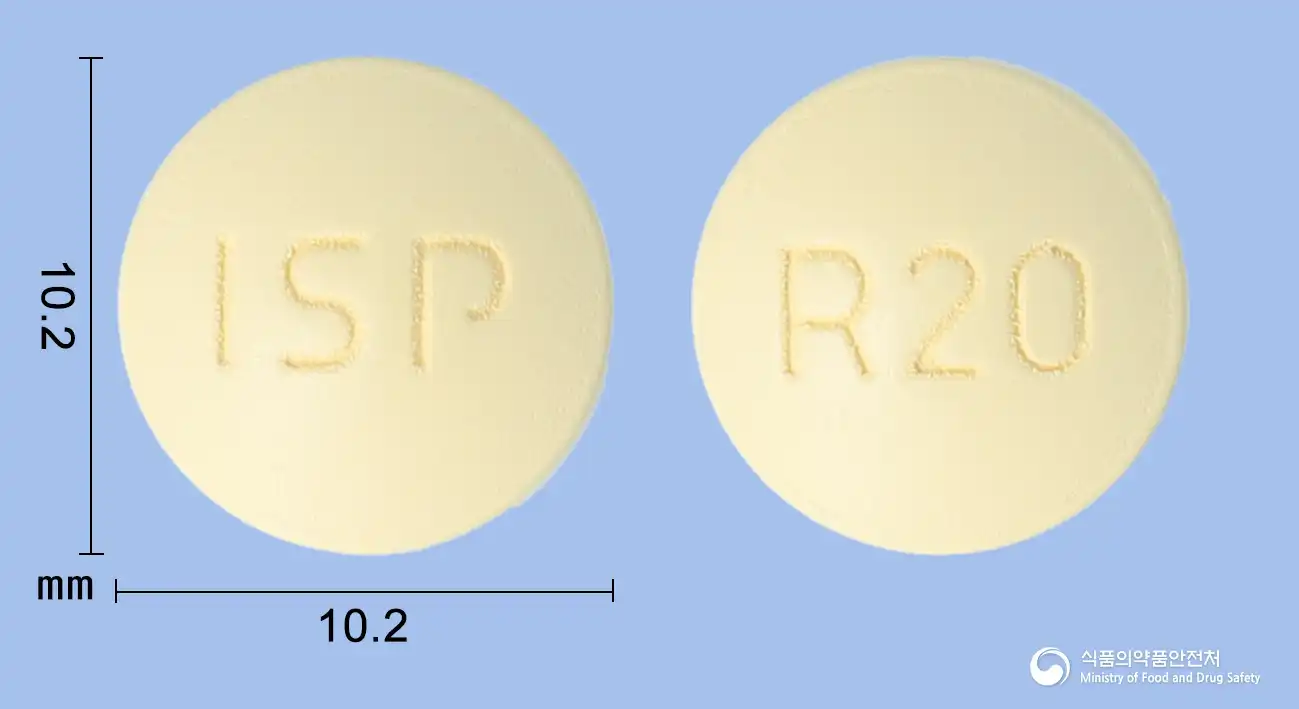
Rabeprazole Sodium 20mg · Precipitated Calcium Carbonate 490mg
Tablet · Prescription medication · Combination
Il Sung IS Co., Ltd.
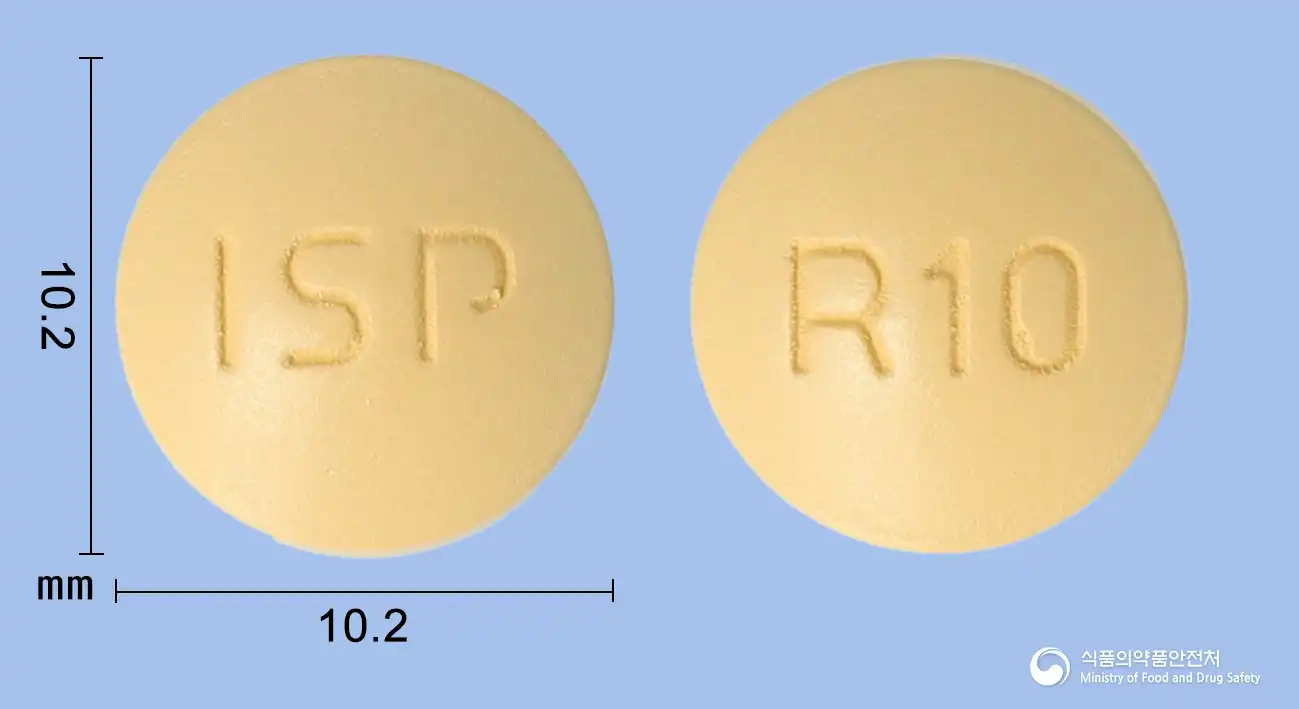 Combination
Rabeprazole Sodium 10mg · Precipitated Calcium Carbonate 510mg
Tablet · Prescription medication · Combination
Ilsung IS Co., Ltd.
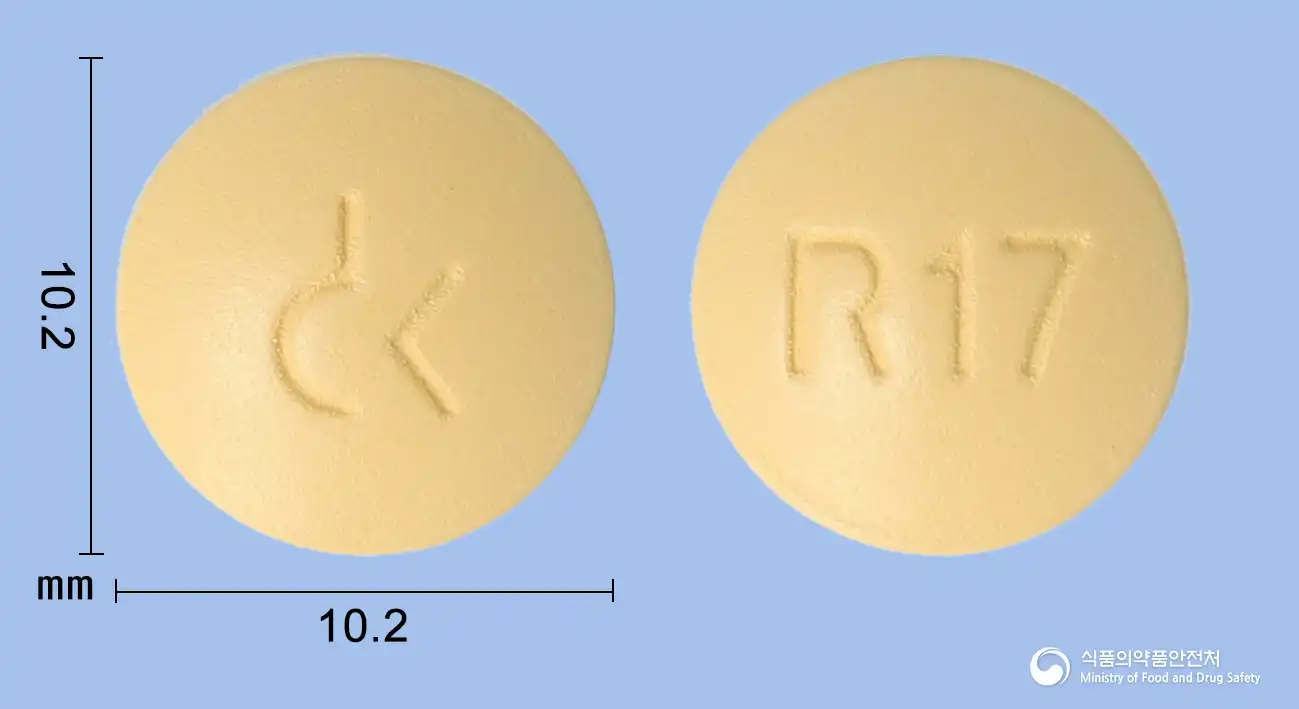 Combination
Rabeprazole Sodium 10mg · Precipitated Calcium Carbonate 510mg
Tablet · Prescription medication · Combination
Dongkook Pharmaceutical Co., Ltd.
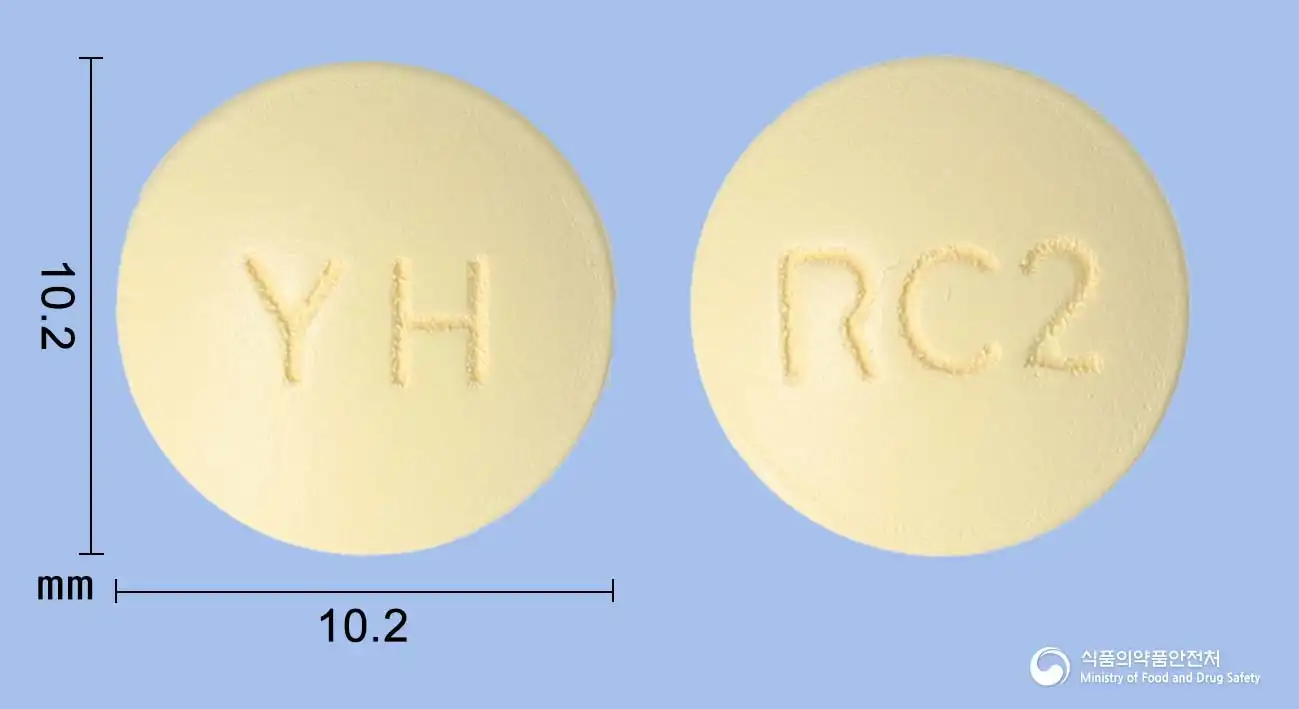 Combination
Rabeprazole Sodium 20mg · Precipitated Calcium Carbonate 490mg
Tablet · Prescription medication · Combination
Yuhan Corporation
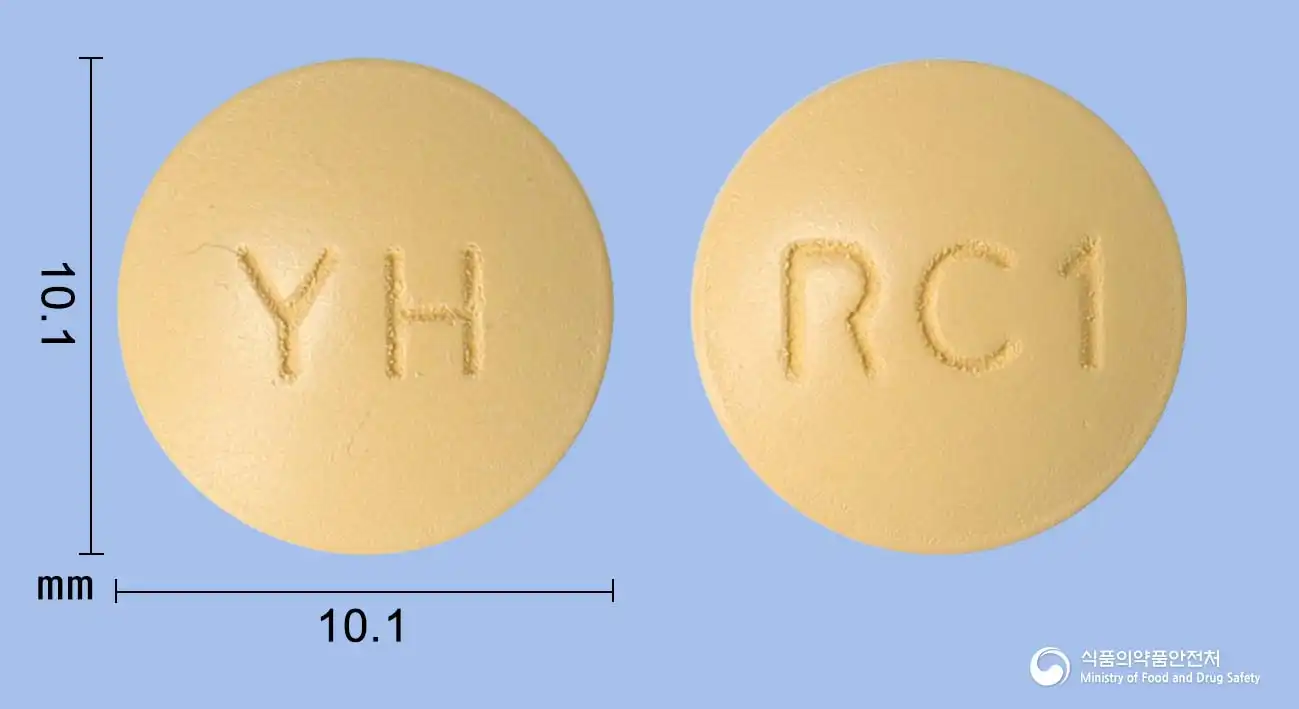 Combination
Rabeprazole Sodium 10mg · Precipitated Calcium Carbonate 510mg
Tablet · Prescription medication · Combination
Yuhan Corporation
Even with the same ingredient, the dose and directions can differ by strength and dosage form. Talk to a doctor or pharmacist before switching from a medication you are already taking.
No questions yet.
For anything that needs medical judgment, consult a doctor or pharmacist.
This drug information is based on data provided by the Korea Ministry of Food and Drug Safety.
Consult a doctor or pharmacist for accurate dosage, administration, and usage instructions.