
 한국어
한국어 English
 日本語
日本語 中文(简体)
 Viewing now
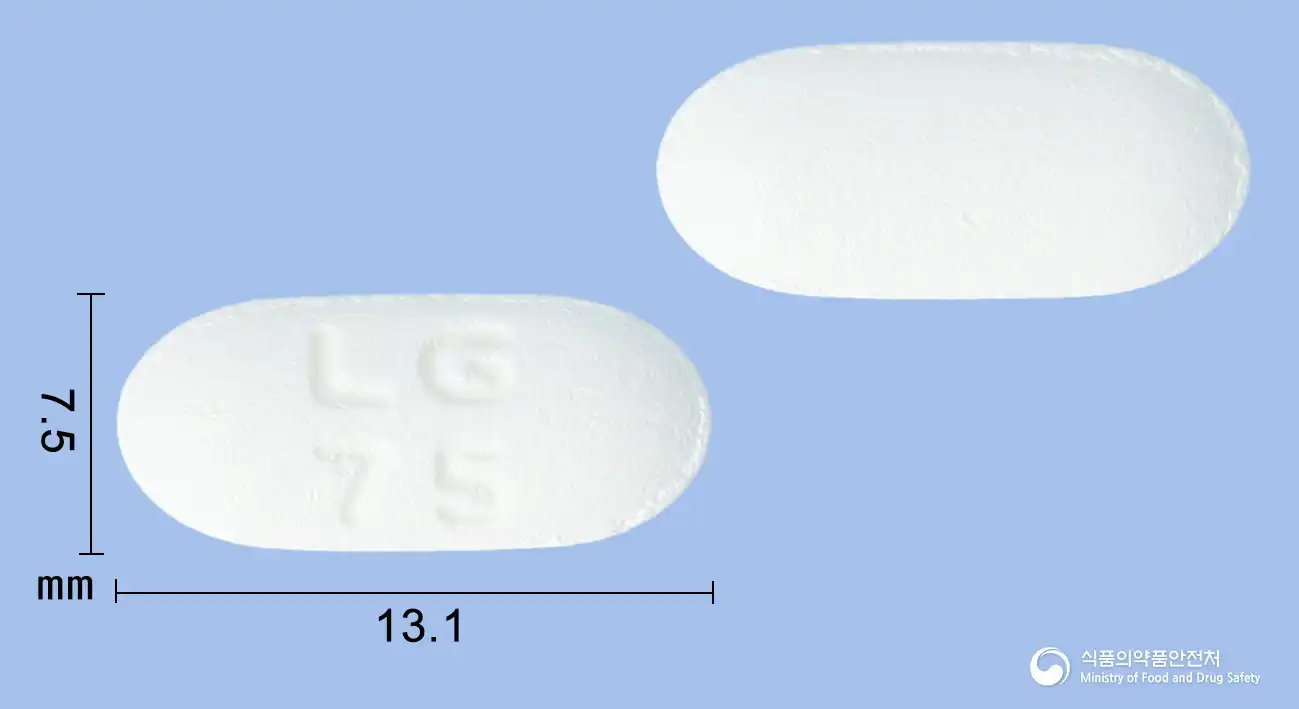
Jelly Sustained Release Tablet 75mg (Pregabalin)
Pregabalin 70mg
Tablet · Prescription medication
LG Chem, Ltd.
MFDS item code 202401340 · Approved 2024.05.29 · Insurance code 668903400
Relief of peripheral neuropathic pain
This medication is used for the treatment of peripheral neuropathic pain in adults. Peripheral neuropathic pain is caused by nerve damage and can cause significant discomfort in daily life. This medication helps alleviate the causes of pain and improve symptoms, aiding in enhancing the patient's quality of life. It safely and effectively manages pain, supporting patients to feel comfortable.
This medication is administered once daily after dinner. It should be swallowed whole and not split, crushed, or chewed. The starting dose for adults is one 150 mg tablet once daily, which can be increased up to a maximum of 600 mg daily depending on each patient's response and tolerance, with increments taken at weekly intervals. Patients with renal impairment may require dose adjustments according to creatinine clearance (CLcr).
The safety and efficacy of this medication in pediatric and adolescent patients under the age of 19 have not been established.
This medication may increase the risk of suicidal thoughts or behaviors, so if symptoms of depression or mood changes occur during treatment, it is imperative to inform a doctor immediately. Individuals allergic to any components of this medication should not take it. Patients with diabetes should be cautious, as this medication may cause weight gain that affects blood sugar control, and dosage adjustments of hypoglycemic agents may be necessary. If swelling occurs in the face or around the mouth, immediately discontinue the medication and consult a healthcare professional. Dizziness or drowsiness may occur, thus elderly patients should be cautious to avoid falls or injuries. Blurred vision or changes in eyesight may occur; consult a doctor if such symptoms appear. Discontinuing this medication abruptly may cause withdrawal symptoms such as insomnia, headaches, and anxiety, so dosage should be gradually reduced according to the doctor's instructions. Patients with a history of substance abuse should be particularly cautious due to the potential for misuse of this medication. Patients with decreased kidney function may need dosage adjustments. Patients with heart disease should consult their physician before taking this medication. Using this medication with opioid analgesics may increase the risk of central nervous system depression, so be cautious. This medication can cause respiratory depression; patients with respiratory conditions, kidney impairments, or elderly individuals should be particularly careful. During early pregnancy, there may be a risk of fetal malformations, so women who are pregnant or planning to become pregnant must consult a physician before taking it and should use effective contraception. This medication may cause dizziness and drowsiness, making it advisable to avoid dangerous activities such as driving or operating machinery until symptoms are confirmed. If severe rashes, red spots, blisters, or similar symptoms appear on the skin, discontinue use immediately and visit a healthcare facility. This medication interacts minimally with other drugs, but caution is advised when taken with alcohol or central nervous system depressants, as side effects may be exacerbated. Breastfeeding women should consult a physician about the potential transfer of this medication into breast milk, leading to the consideration of stopping breastfeeding or discontinuing the medication. Elderly patients may require dosing adjustments due to the possibility of delayed excretion of this medication caused by reduced kidney function. In cases of overdose, symptoms such as drowsiness, confusion, depression, and seizures may occur, necessitating immediate medical attention. This medication must be kept out of reach of children and should not be transferred to other containers.
Hives, severe swelling (edema), chest tightness, difficulty breathing, cold sweat, pallor, severe rash with fever, blisters, skin peeling, pain of oral/ocular mucous membranes, shortness of breath or difficulty breathing, asthma attacks, respiratory abnormalities accompanied by cough and fever, yellowing of the skin or eyes (jaundice), extreme lethargy, sudden and severe headaches, thunderclap headaches, seizures, confusion of consciousness, visual disturbances, paralysis, urinary problems
Not everyone experiences these, and they can vary from person to person.
This medication is sensitive to air and moisture, so it must be stored in a tightly sealed container. The recommended storage temperature is between 1 to 30 degrees Celsius. Proper storage will help maintain the medication's efficacy and safety over time.
This medication is a white to light yellow, rectangular, film-coated, sustained release three-layer tablet.
30 tablets/PTP (6 tablets/PTP x 5)
Even with the same ingredient, strength, dosage form and how it is taken can differ.
Viewing nowPregabalin 70mg
Tablet · Prescription medication
LG Chem, Ltd.
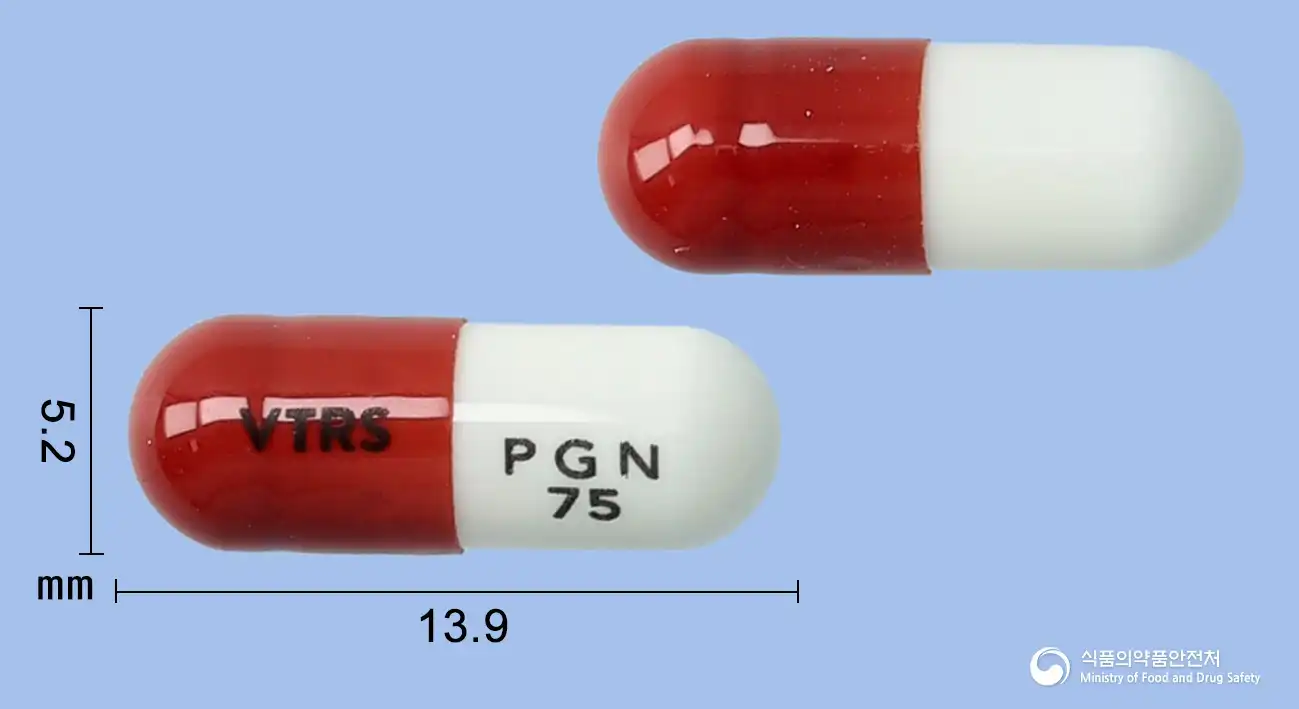
Pregabalin 75mg
Hard capsule · Prescription medication
Viatris Korea Co., Ltd.
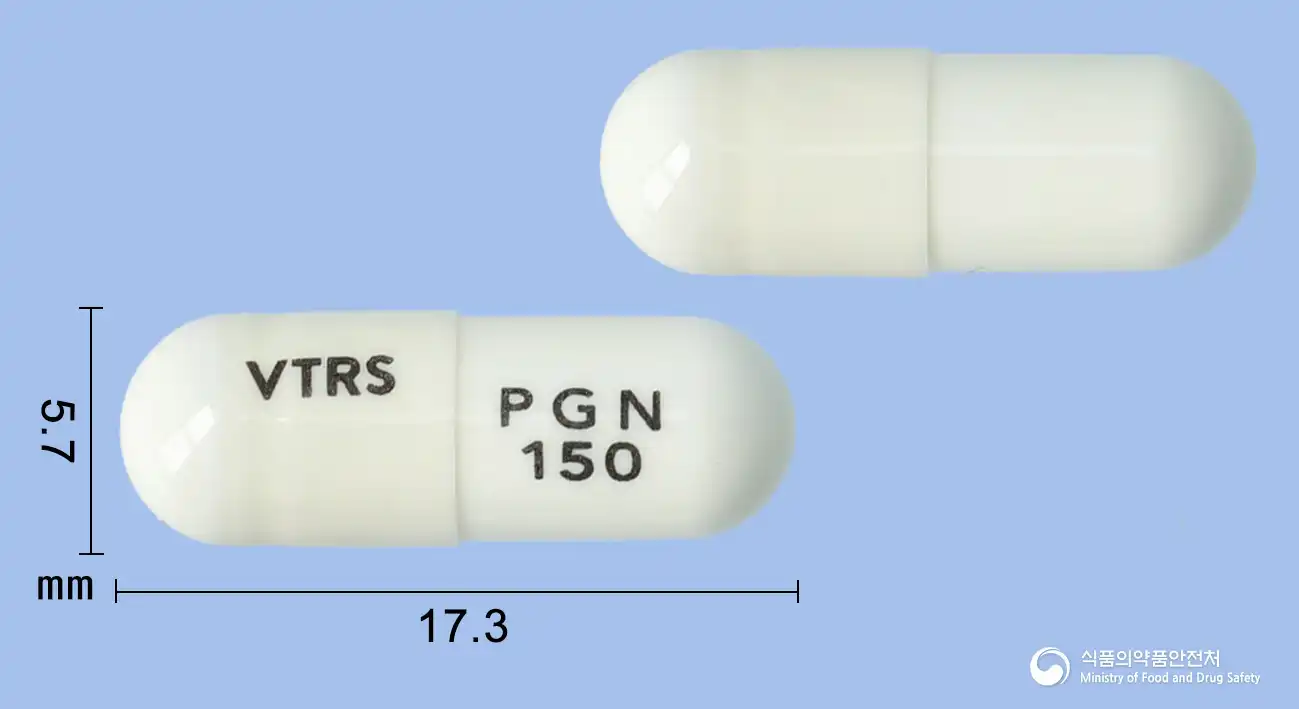
Pregabalin 150mg
Hard capsule · Prescription medication
Viatris Korea Co., Ltd.
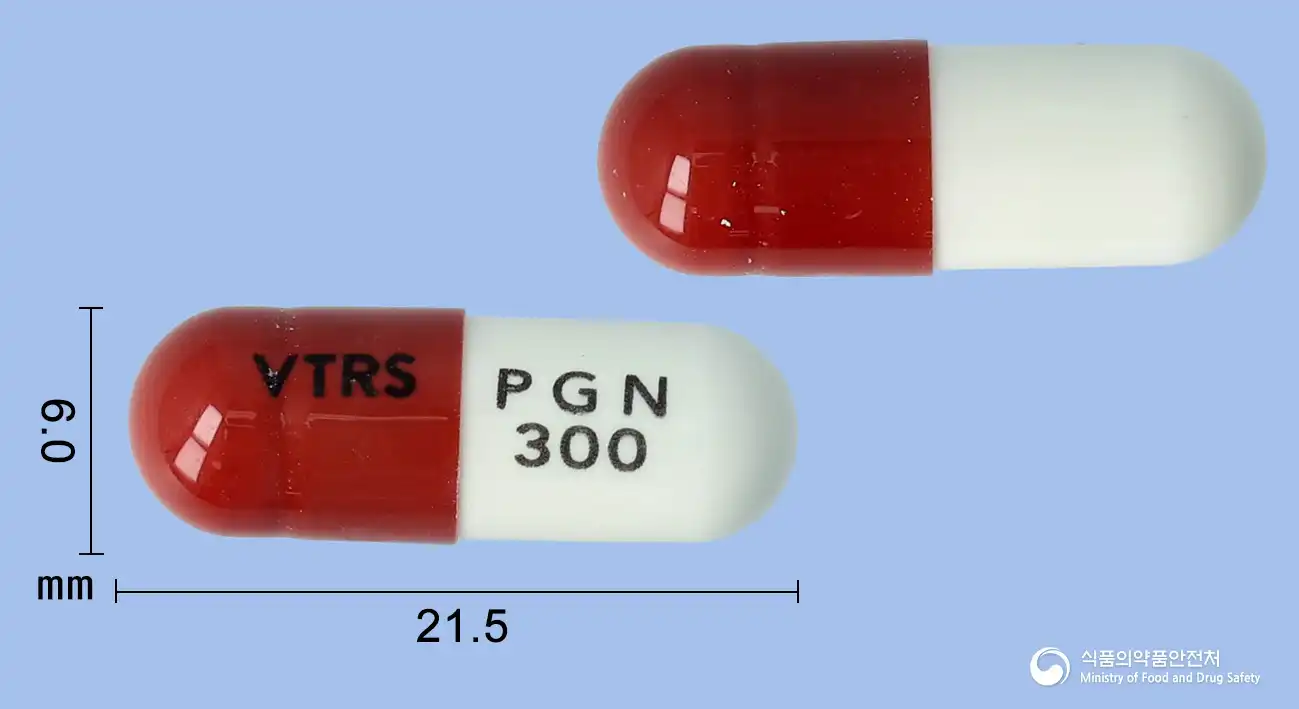
Pregabalin 300mg
Hard capsule · Prescription medication
Viatris Korea Co., Ltd.
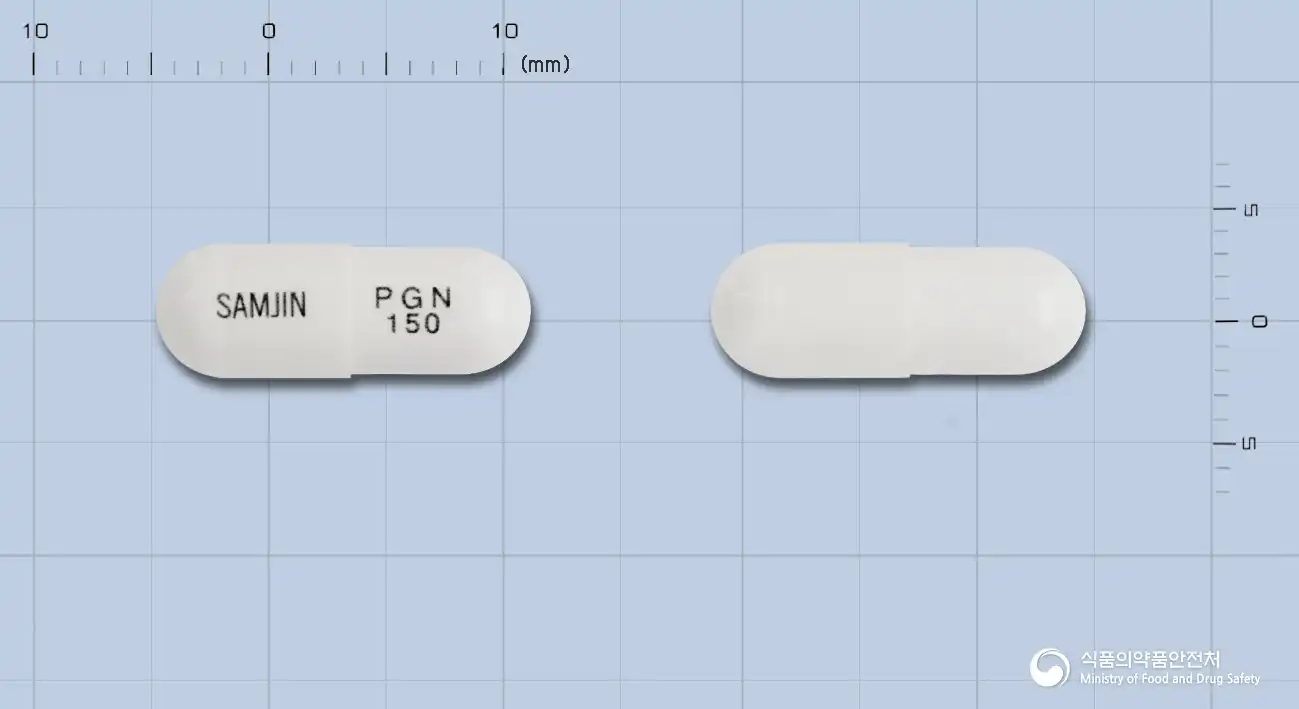
Pregabalin 150mg
Hard capsule · Prescription medication
Samjin Pharmaceutical Co., Ltd.
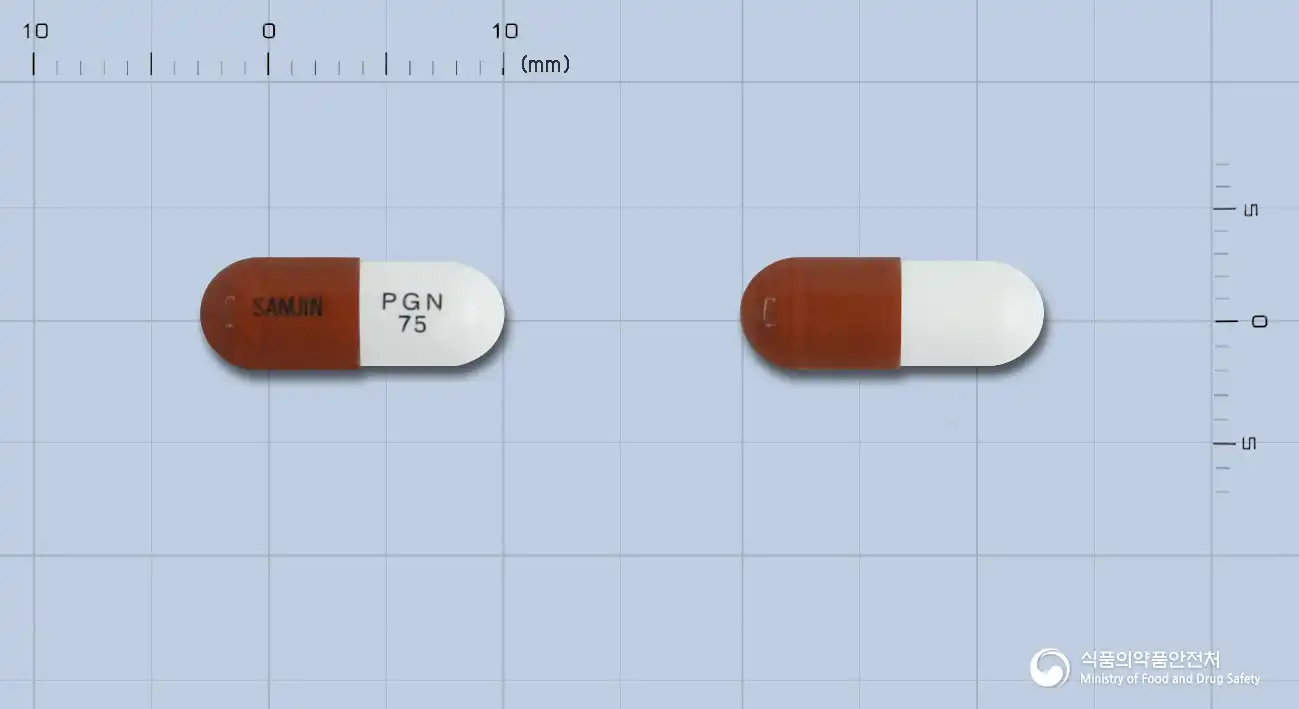
Pregabalin 75mg
Hard capsule · Prescription medication
Samjin Pharmaceutical Co., Ltd.
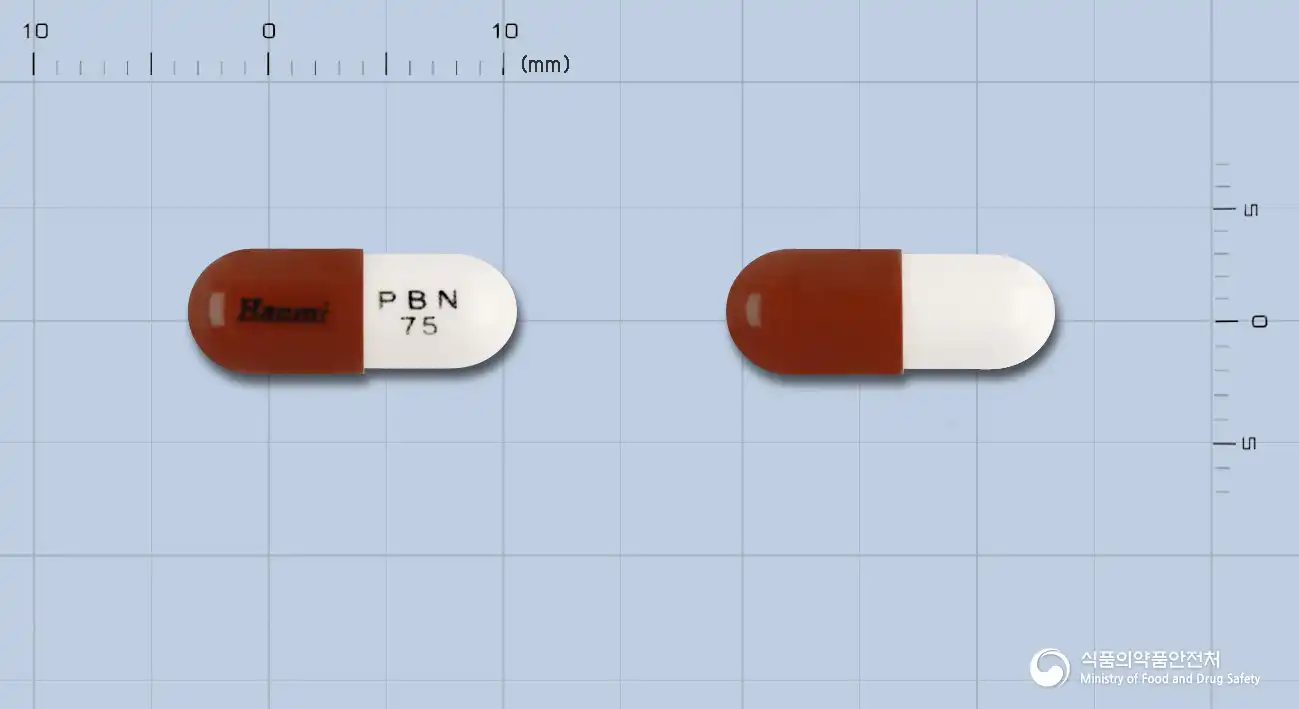
Pregabalin 75mg
Hard capsule · Prescription medication
Hanmi Pharm. Co., Ltd.
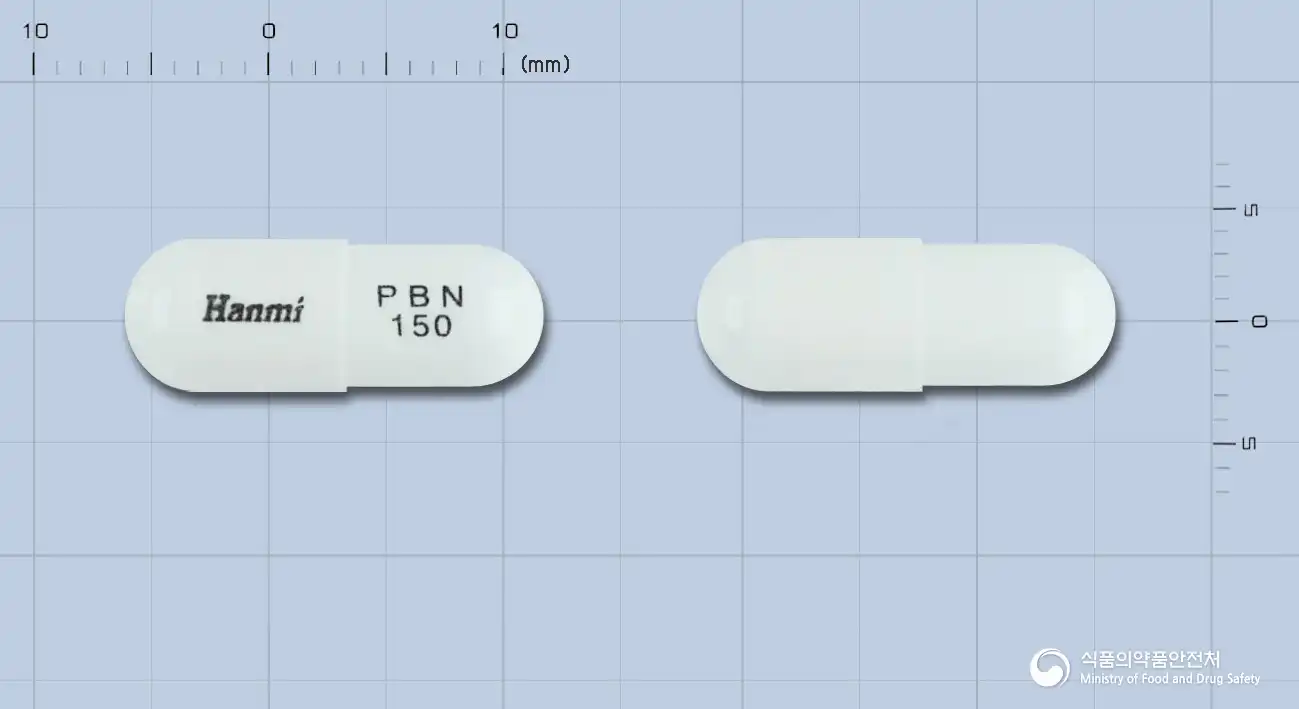
Pregabalin 150mg
Hard capsule · Prescription medication
Hanmi Pharmaceutical Co., Ltd.
Even with the same ingredient, the dose and directions can differ by strength and dosage form. Talk to a doctor or pharmacist before switching from a medication you are already taking.
No questions yet.
For anything that needs medical judgment, consult a doctor or pharmacist.
This drug information is based on data provided by the Korea Ministry of Food and Drug Safety.
Consult a doctor or pharmacist for accurate dosage, administration, and usage instructions.