
 한국어
 English
 日本語
 中文(简体)
Summary
- Main use
- Reduces the risk of related hospitalization in patients with a history of atrial fibrillation and normal sinus rhythm
- Who takes it
- Adults · Children
- Adult dose
- The recommended dose of this medicine for adults only is 1 tablet (equivalent to 400 milligrams of dronedarone) twice daily, taken with breakfast and dinner. Treatment with Class I or III antiarrhythmic agents (e.g., amiodarone, flecainide, propafenone, quinidine, disopyramide, dofetilide, sotalol) or potent CYP3A inhibitors (e.g., ketoconazole) should be discontinued before starting this medicine. No dosage adjustment is necessary in patients with renal impairment. (Renal excretion of dronedarone is very low.) No dosage adjustment is necessary in patients with mild or moderate hepatic impairment; however, clinical experience in patients with moderate hepatic impairment is limited. This medicine must not be administered to patients with severe hepatic impairment, as there is no experience of use in these patients. (Dronedarone is extensively metabolized in the liver.) No dosage adjustment is necessary.
- Child dose
- Under 19 years of age: Use of this medicine is not recommended because its safety and efficacy have not been established.
Ingredients
- Manufacturer
- Samjin Pharmaceutical Co., Ltd.
Efficacy & effects
Reduces the risk of related hospitalization in patients with a history of atrial fibrillation and normal sinus rhythm
View approved original textHide original text
This medication is used to reduce the risk of hospitalization due to atrial fibrillation in patients who have a history of paroxysmal or persistent atrial fibrillation and are currently maintaining normal sinus rhythm.
How to take
Adult dose
The recommended dose of this medicine for adults only is 1 tablet (equivalent to 400 milligrams of dronedarone) twice daily, taken with breakfast and dinner. Treatment with Class I or III antiarrhythmic agents (e.g., amiodarone, flecainide, propafenone, quinidine, disopyramide, dofetilide, sotalol) or potent CYP3A inhibitors (e.g., ketoconazole) should be discontinued before starting this medicine. No dosage adjustment is necessary in patients with renal impairment. (Renal excretion of dronedarone is very low.) No dosage adjustment is necessary in patients with mild or moderate hepatic impairment; however, clinical experience in patients with moderate hepatic impairment is limited. This medicine must not be administered to patients with severe hepatic impairment, as there is no experience of use in these patients. (Dronedarone is extensively metabolized in the liver.) No dosage adjustment is necessary.
Child dose
Under 19 years of age: Use of this medicine is not recommended because its safety and efficacy have not been established.
Precautions
This drug should not be used in patients with atrial fibrillation who have persistent atrial fibrillation for a long time and have high cardiovascular risk. Regular ECG examinations must be performed during treatment, and the medication should be discontinued if atrial fibrillation becomes permanent. This drug should not be used in patients with heart failure or decreased left ventricular function. If symptoms of heart failure appear, consult a physician immediately. Due to the risk of liver damage, any signs of liver dysfunction must be reported immediately, and liver function tests should be conducted before and during treatment. Blood levels of potassium and magnesium must be maintained within normal ranges, and supplementation may be necessary if levels are low. In patients with respiratory diseases, there is a risk of pulmonary toxicity, so if symptoms like shortness of breath or cough occur, seek medical attention. The drug should not be administered to those with hypersensitivity to it, certain cardiac conduction disorders, heart failure, bradycardia, or in combination with strong CYP3A inhibitors. Women who are pregnant or breastfeeding should not use this medication, and patients with genetic lactose intolerance should also avoid it. During the use of this drug, gastrointestinal symptoms such as diarrhea, nausea, abdominal pain, vomiting, fatigue, abnormal heartbeats, and skin rashes may occur. Additionally, temporary increases in creatinine levels in blood tests may occur, so kidney function should be monitored periodically. Effective contraception must be used during the period of this drug's use, and patients taking anticoagulants should closely monitor their blood coagulation state. There are many drug interactions with this medication, and it may be dangerous to take it with certain antifungals, antibiotics, antidepressants, and other antiarrhythmics, so consult a physician before use. Grapefruit juice should be avoided during the use of this drug, and any symptoms affecting liver, heart, or lung function should be reported to medical personnel immediately. Safety and efficacy have not been established for children and adolescents, so usage in these groups is not recommended; however, elderly patients can use it without special dosage adjustments. In case of overdose, heart rhythm and blood pressure should be closely monitored, and needed treatment should be provided. Finally, this drug should be stored out of reach of children, and care should be taken not to transfer it to another container.
Side effects
Cardiovascular death, increased stroke, increased cardiovascular hospitalization, worsening heart failure symptoms, weight gain, dependency edema, shortness of breath, hepatocellular liver damage, loss of appetite, nausea, vomiting, fever, malaise, fatigue, right upper abdominal pain, jaundice, dark urine, itching, pneumonia, pulmonary fibrosis, interstitial lung disease, dyspnea, non-productive cough, diarrhea, nausea, abdominal pain, vomiting, lethargy, bradycardia, rash, pruritus, eczema, dermatitis, allergic dermatitis, phototoxic reaction, taste disorder, increased serum creatinine, prolonged QTc Bazett interval, congestive heart failure, 1:1 atrioventricular conduction atrial flutter, increased liver enzyme levels, vasculitis, angioedema, anaphylactic reaction, cardiac arrhythmia, palpitations, exacerbation of atrial fibrillation, arrhythmia, dysfunction syndrome, dizziness, gastritis, systemic weakness, pulmonary congestion, arthritis, vertebral fracture, cholangitis, urinary tract infection, liver abscess, sepsis, nephrosclerosis, visual disturbances, cerebral infarction, hematoma, pulmonary embolism, malignant laryngeal neoplasm, malignant neoplasm, coronary artery disease, myocardial infarction, tachycardia, increased pulse rate, headache, sensory disturbances, leg cramps, dementia, eyelid ptosis, gait disturbances, sensory loss, motor disturbances, pre-syncope, tremor, irritable bowel syndrome, abdominal distension, unspecified intestinal disease, gastroenteritis, gastroesophageal reflux, chest discomfort, chest pain, facial edema, leg pain, syncope, facial flushing, edema, cold sensations, chest tightness, warmth sensation, limb pain, vasovagal syncope, hemoptysis, pleural effusion, sputum disease, sore throat, back pain, limb weakness, muscle pain, joint pain, flank pain, neck/shoulder pain, body pain, rib fracture, osteoarthritis, hypotension, exacerbation of hypertension, hypertension, cardiac hypertrophy, orthostatic hypotension, hepatitis, sinusitis, upper respiratory infection, hematuria, dysuria, proteinuria, insomnia, sleep disorders, drowsiness, erectile dysfunction, difficulty concentrating, urticaria, hair loss, skin diseases, increased sweating, bruising, gum bleeding, petechiae, flushing, conjunctival hemorrhage, ocular pain, keratitis, hyperkalemia, hyperuricemia, hyperlipidemia, decreased serum potassium, anemia, unspecified abrasion, food poisoning, soft tissue infection, medical device pain, increased thyroid-stimulating hormone, thyroid hormone toxicity, hearing loss, tinnitus, breast pain, menopausal symptoms, benign prostatic hyperplasia
Not everyone experiences these, and they can vary from person to person.
Storage
This drug should be stored in a tightly sealed container to protect it from air or moisture, ideally at room temperature between 1 to 30 degrees Celsius. Storing it this way helps maintain its efficacy and ensures safe use.
Appearance and packaging
Appearance
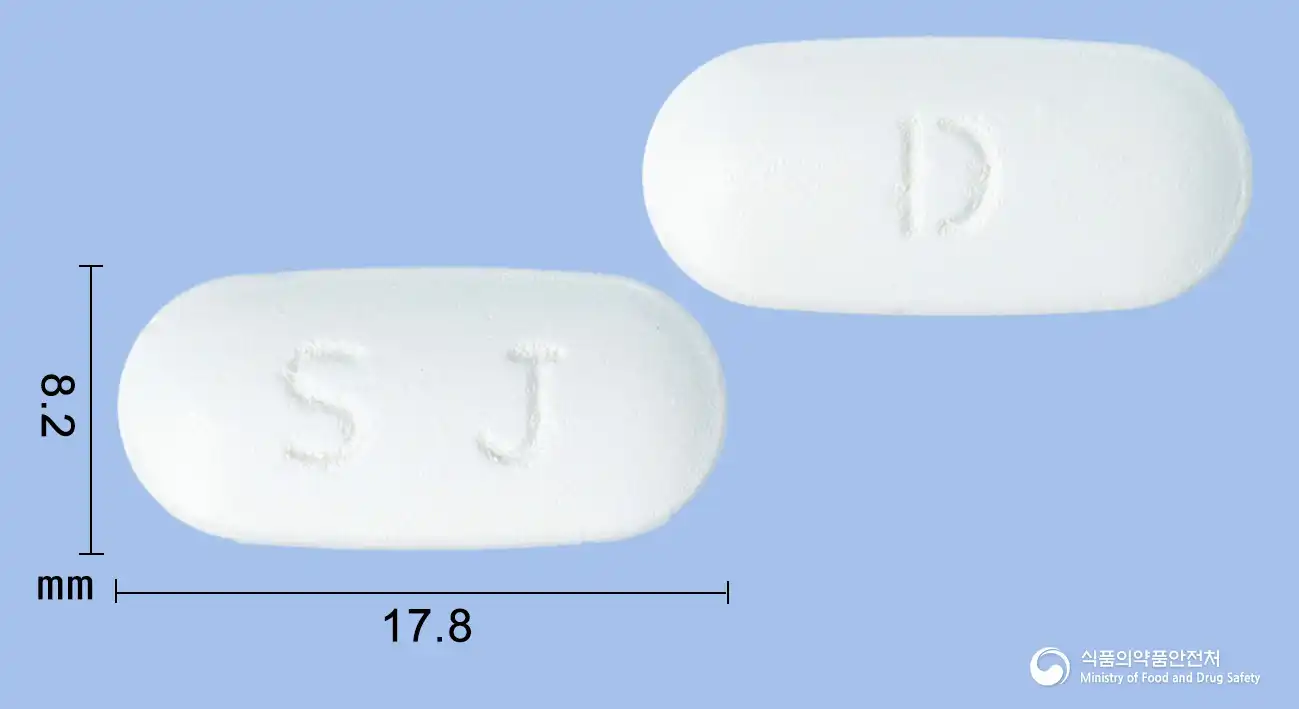
white oblong film-coated tablet
Package unit
60 tablets/box [10 tablets/PTP*6]
Questions about this medicine
No questions yet.
For anything that needs medical judgment, consult a doctor or pharmacist.