
 한국어
한국어 English
 日本語
日本語 中文(简体)
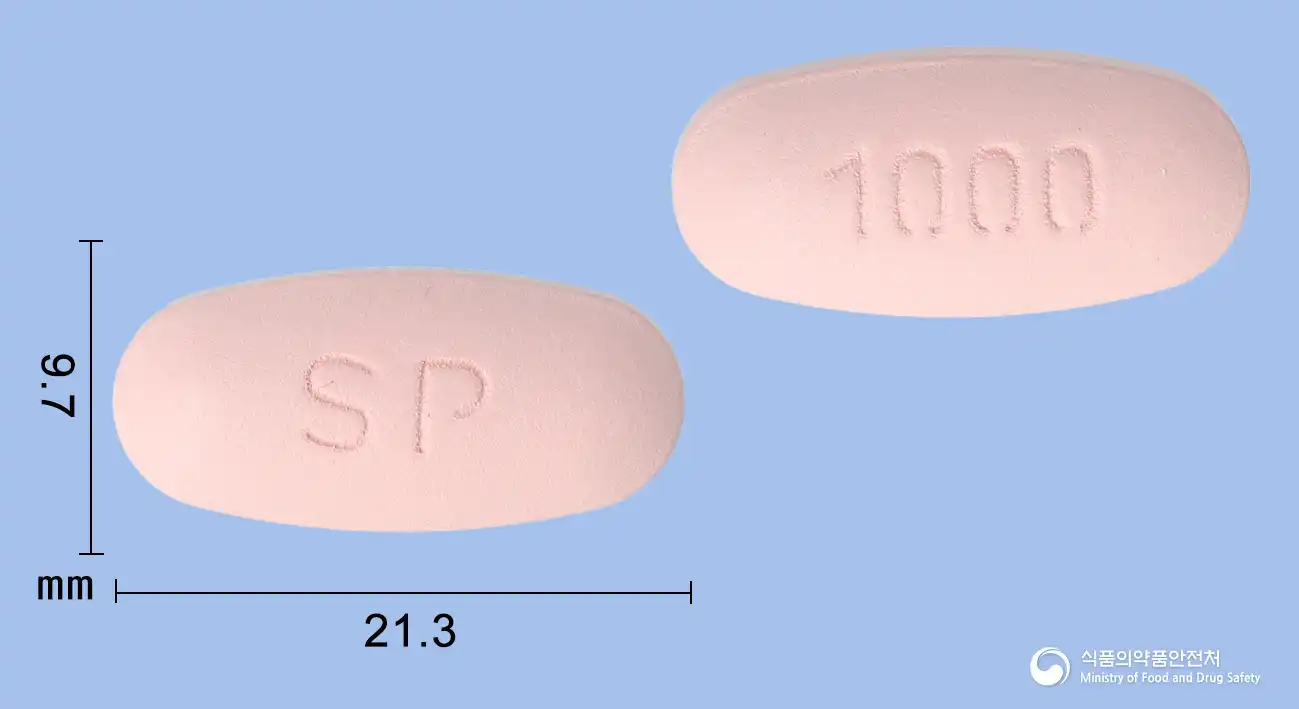 Viewing nowCombination
Linagliptin Duo Tablet 2.5/1000 mg (Linagliptin, Metformin)
Linagliptin Besylate 3.34mg · Metformin Hydrochloride 1000mg
Tablet · Prescription medication · Combination
Shinpoong Pharmaceutical Co., Ltd.
MFDS item code 202401060 · Approved 2024.04.30
Improvement of blood sugar control in type 2 diabetes
This medication helps improve blood sugar control in patients with type 2 diabetes for whom the combination of Linagliptin and Metformin is appropriate. When used in conjunction with diet and exercise, it can facilitate more effective blood sugar management. This medication maintains stable blood sugar levels and also helps prevent complications. With consistent use, positive effects on diabetes treatment can be expected. It is an important treatment that supports the patient's healthy lifestyle.
This medication is administered twice daily with meals. 1. For patients not currently treated with Metformin: Take one tablet of this medication 2.5/500 mg twice a day, and may increase to one tablet of 2.5/1000 mg twice a day. 2. If sufficient blood sugar control cannot be achieved with Metformin monotherapy: Administer Linagliptin 2.5 mg twice a day and the existing dose of Metformin.
This medication is helpful for controlling blood sugar levels. However, caution must be exercised as serious side effects such as lactic acidosis may occur when taking this medication. Lactic acidosis is a rare condition that occurs when too much lactic acid builds up in the body and can be life-threatening if symptoms are severe. This medication should not be used in patients with certain conditions. For example, patients who are allergic to any of the components of this medication, have type 1 diabetes, severe kidney impairment, liver dysfunction, acute alcohol intoxication, or women who are pregnant or breastfeeding should not take this medication. Additionally, caution is needed when using this medication with other drugs that have a risk of hypoglycemia, as blood sugar can drop too low. In particular, when taken with insulin or sulfonylureas, the dosage should be adjusted according to the physician’s instructions. In situations where renal function may decline, this medication should be temporarily discontinued, and regular monitoring of kidney function is important. For example, this medication should be discontinued in cases of dehydration, severe infection, severe trauma, shock, or before and after the use of radiologic contrast agents. Acute pancreatitis or skin blistering may occur, so if abdominal pain or skin abnormalities occur during treatment, the patient should inform their doctor immediately. This medication may lower vitamin B12 levels, so if taken for an extended period, vitamin B12 deficiency should be periodically checked. Women who are pregnant or planning to become pregnant should avoid taking this medication, and breastfeeding women are also advised against its use. In the elderly, decline in kidney function is common, so while using this medication, kidney function should be regularly monitored, and appropriate dosage adjustments should be made. There may also be interactions with other medications taken concurrently, so if the patient is taking other medications, they must inform their doctor or pharmacist. Lastly, in case of overdose, there is a risk of lactic acidosis and other complications, so the dosage must be strictly adhered to, and in the event of overdose, immediate medical treatment should be sought. This medication is not recommended for children, and its effects on driving or operating machinery are not known. Store it in a place out of reach of children and avoid moisture and direct sunlight.
Hives, angioedema, lactic acidosis, pancreatitis, bullous pemphigoid, abnormal liver function (elevated liver function tests, hepatitis), angina pectoris, acute myocardial infarction, unstable angina, congestive heart failure, cardiac arrest, acute myocardial infarction, unstable angina, cardiac arrest, cerebral infarction, acute kidney injury, end-stage renal disease, acute cholangitis, acute cholecystitis, cholangitis, cholelithiasis, acute pyelonephritis, pneumonia, sepsis, fever, facial edema, chest pain, kidney transplant
Not everyone experiences these, and they can vary from person to person.
This medication may be sensitive to air and moisture, so it should be kept in a tightly closed container. It is advisable to maintain a storage temperature between 1°C and 30°C to ensure the efficacy of the medication.
Pink, oval, film-coated tablet with a double convex shape
30 tablets/bottle, 60 tablets/bottle
Even with the same ingredient, strength, dosage form and how it is taken can differ.
Viewing nowCombinationLinagliptin Besylate 3.34mg · Metformin Hydrochloride 1000mg
Tablet · Prescription medication · Combination
Shinpoong Pharmaceutical Co., Ltd.
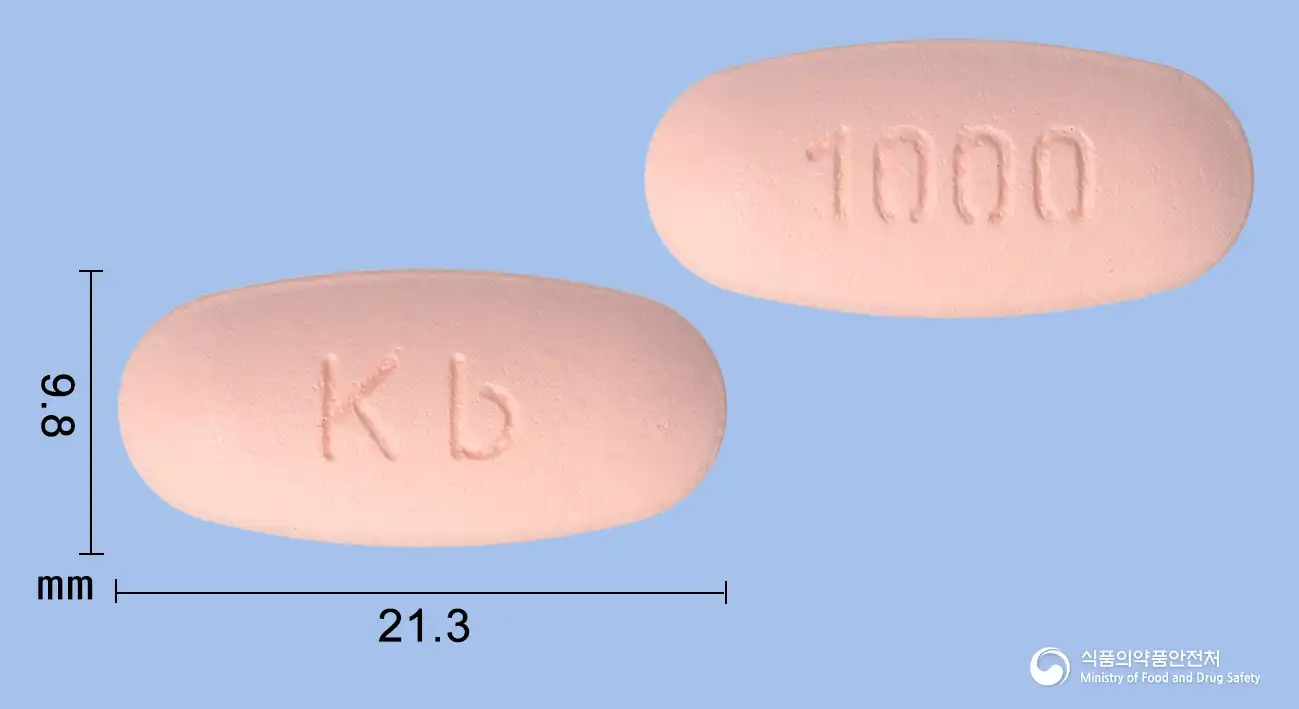 Combination
Linagliptin Besylate 3.34mg · Metformin Hydrochloride 1000mg
Tablet · Prescription medication · Combination
Kyungbo Pharmaceutical Co., Ltd.
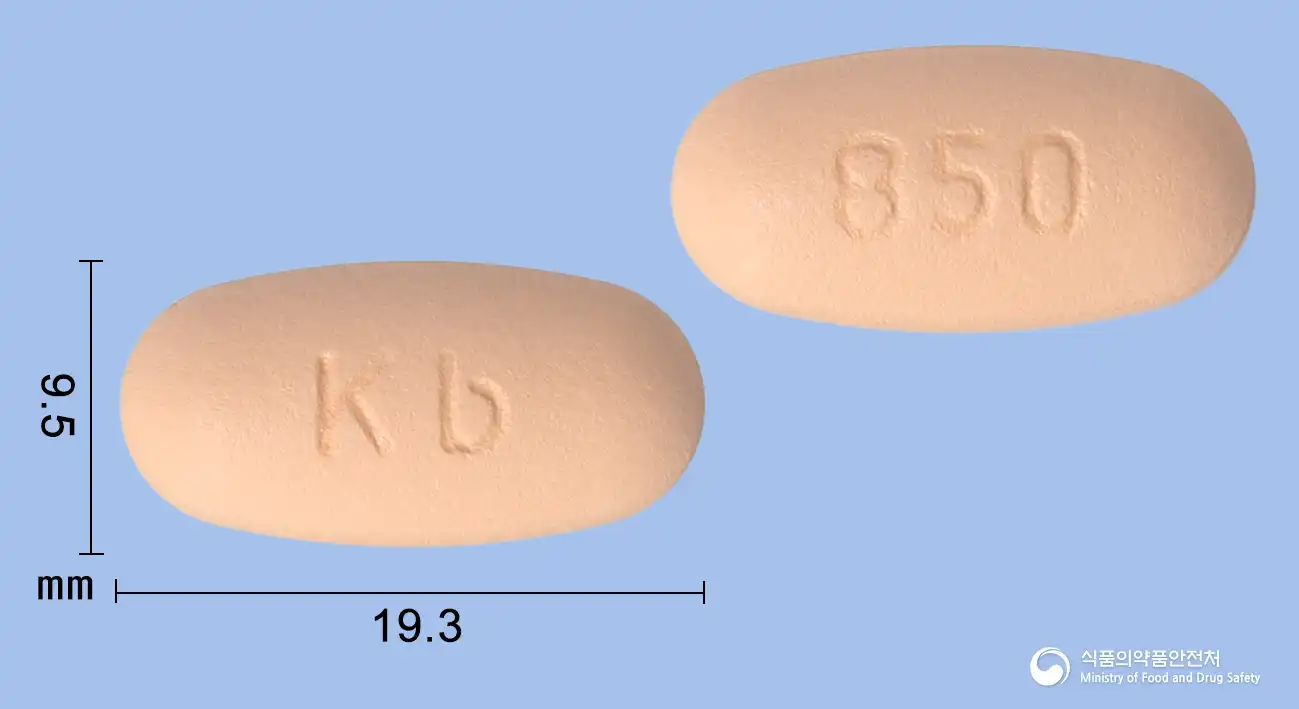 Combination
Linagliptin Besylate 3.34mg · Metformin Hydrochloride 850mg
Tablet · Prescription medication · Combination
Kyungbo Pharmaceutical Co., Ltd.
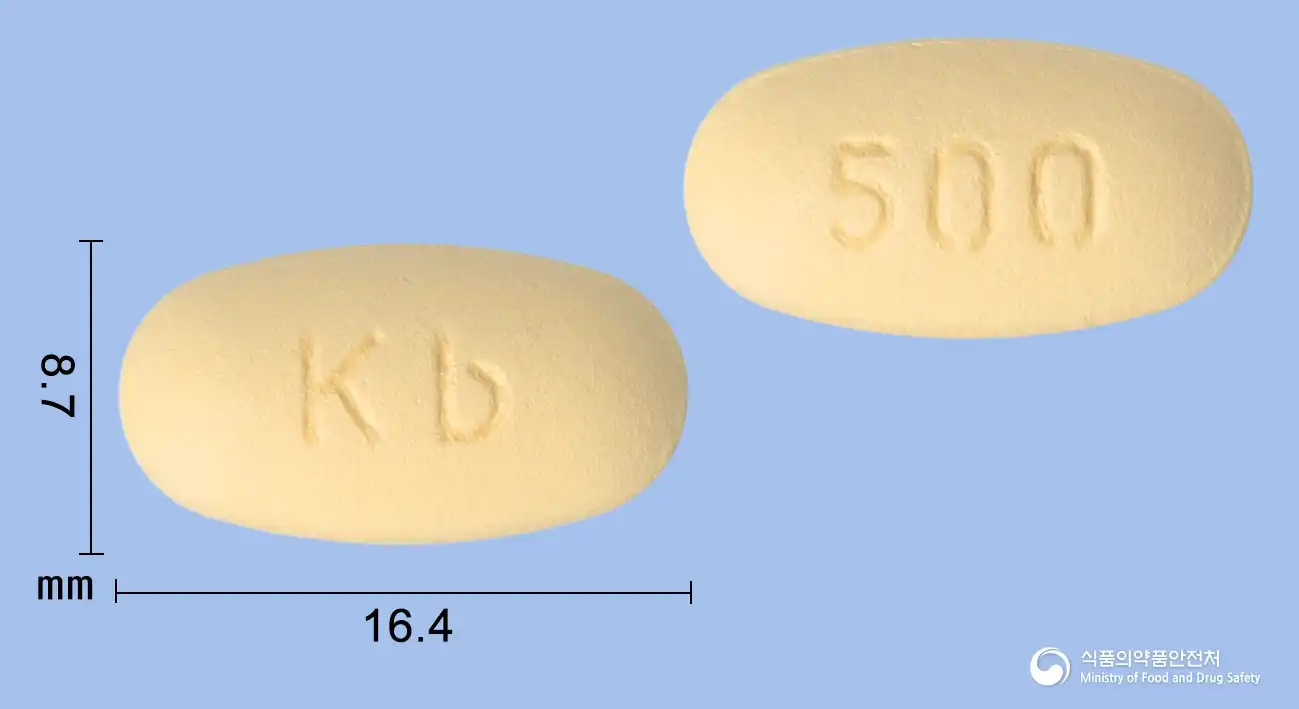 Combination
Linagliptin Besylate 3.34mg · Metformin Hydrochloride 500mg
Tablet · Prescription medication · Combination
Kyungbo Pharmaceutical Co., Ltd.
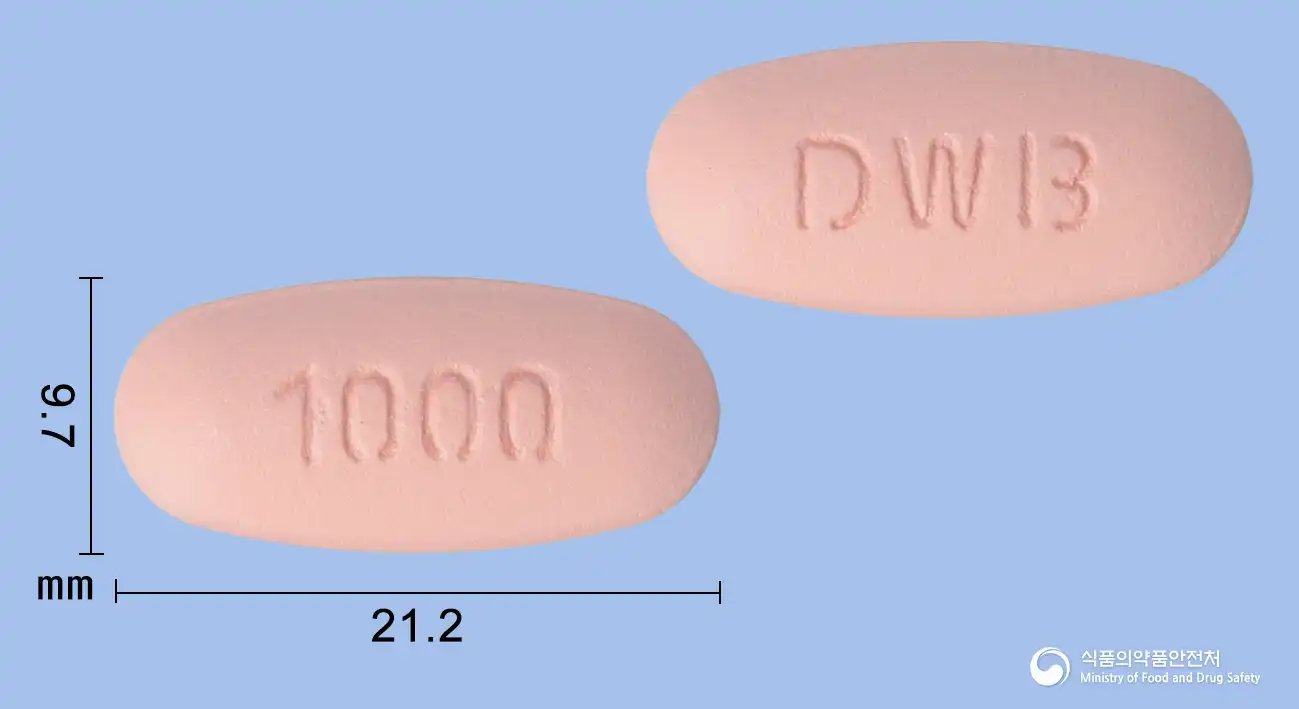 Combination
Linagliptin Besylate 3.34mg · Metformin Hydrochloride 1000mg
Tablet · Prescription medication · Combination
DaiWoong Bio Co., Ltd.
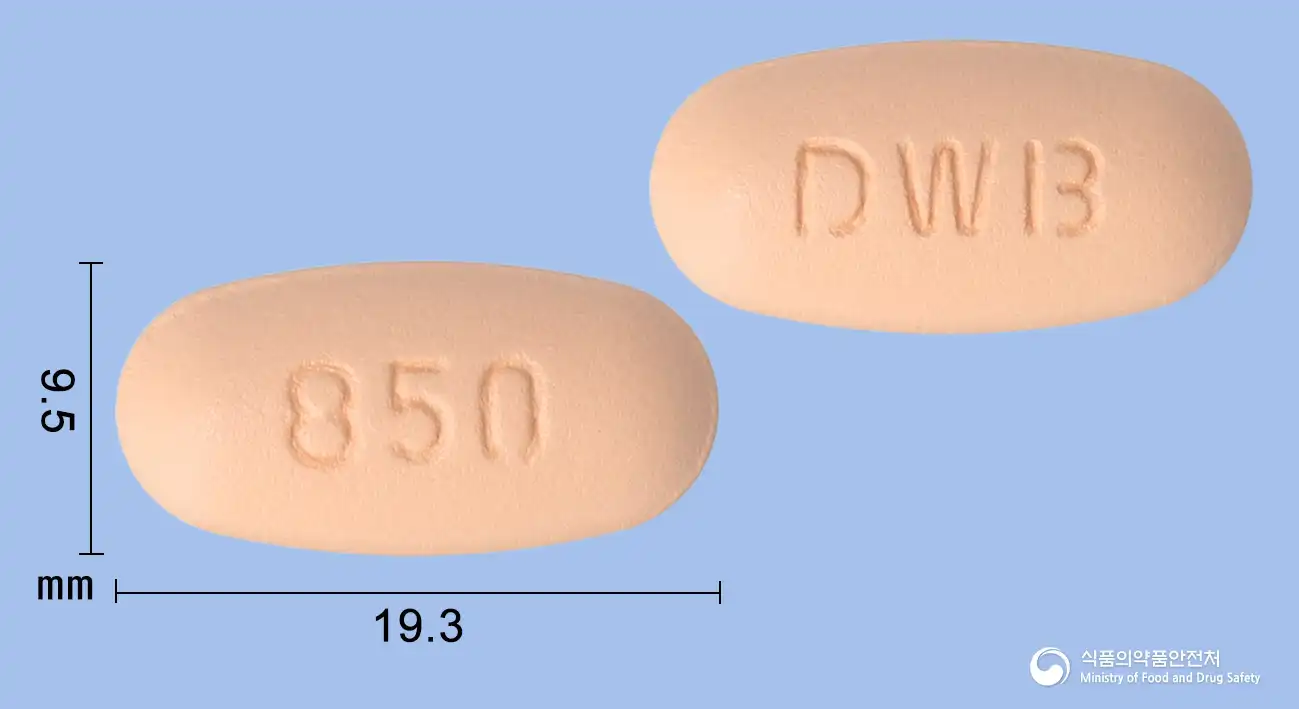 Combination
Linagliptin Besylate 3.34mg · Metformin Hydrochloride 850mg
Tablet · Prescription medication · Combination
Daewoong Bio Co., Ltd.
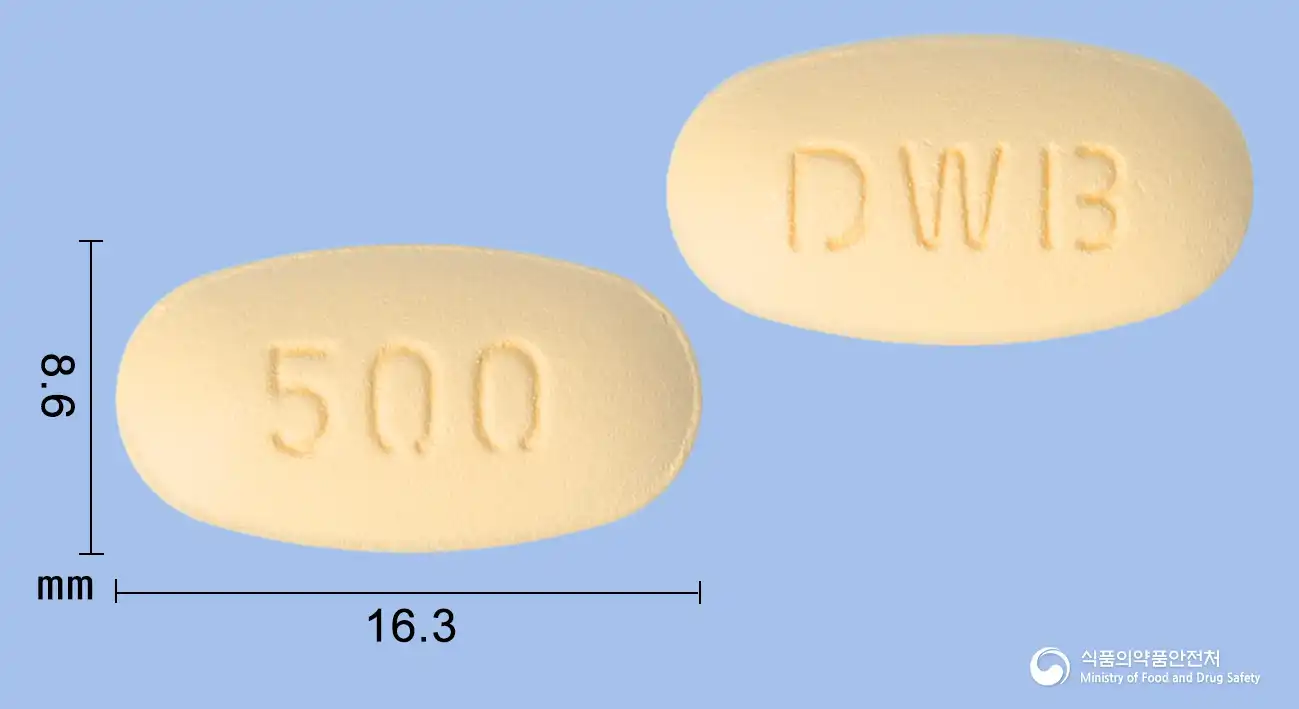 Combination
Linagliptin Besylate 3.34mg · Metformin Hydrochloride 500mg
Tablet · Prescription medication · Combination
Daewoong Bio Co., Ltd.
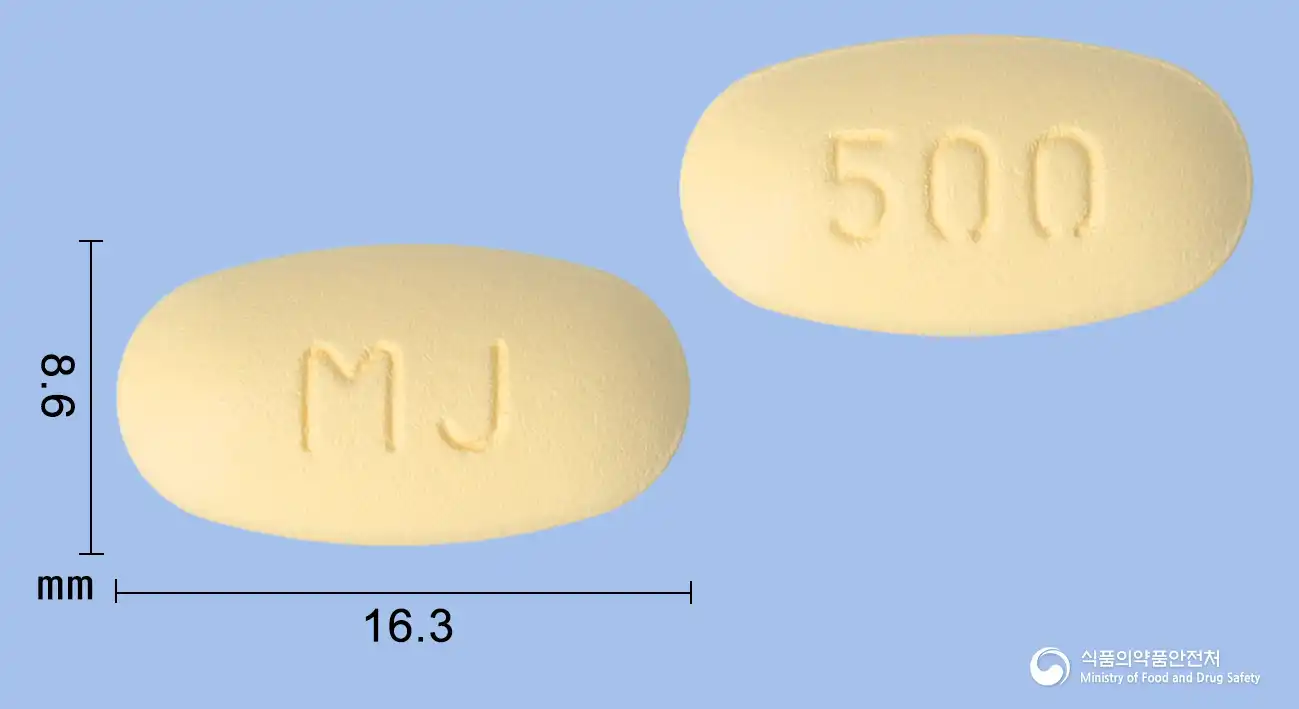 Combination
Linagliptin Besylate 3.34mg · Metformin Hydrochloride 500mg
Tablet · Prescription medication · Combination
Mothers Pharmaceutical Co., Ltd.
Even with the same ingredient, the dose and directions can differ by strength and dosage form. Talk to a doctor or pharmacist before switching from a medication you are already taking.
No questions yet.
For anything that needs medical judgment, consult a doctor or pharmacist.
This drug information is based on data provided by the Korea Ministry of Food and Drug Safety.
Consult a doctor or pharmacist for accurate dosage, administration, and usage instructions.