
 한국어
한국어 English
 日本語
日本語 中文(简体)
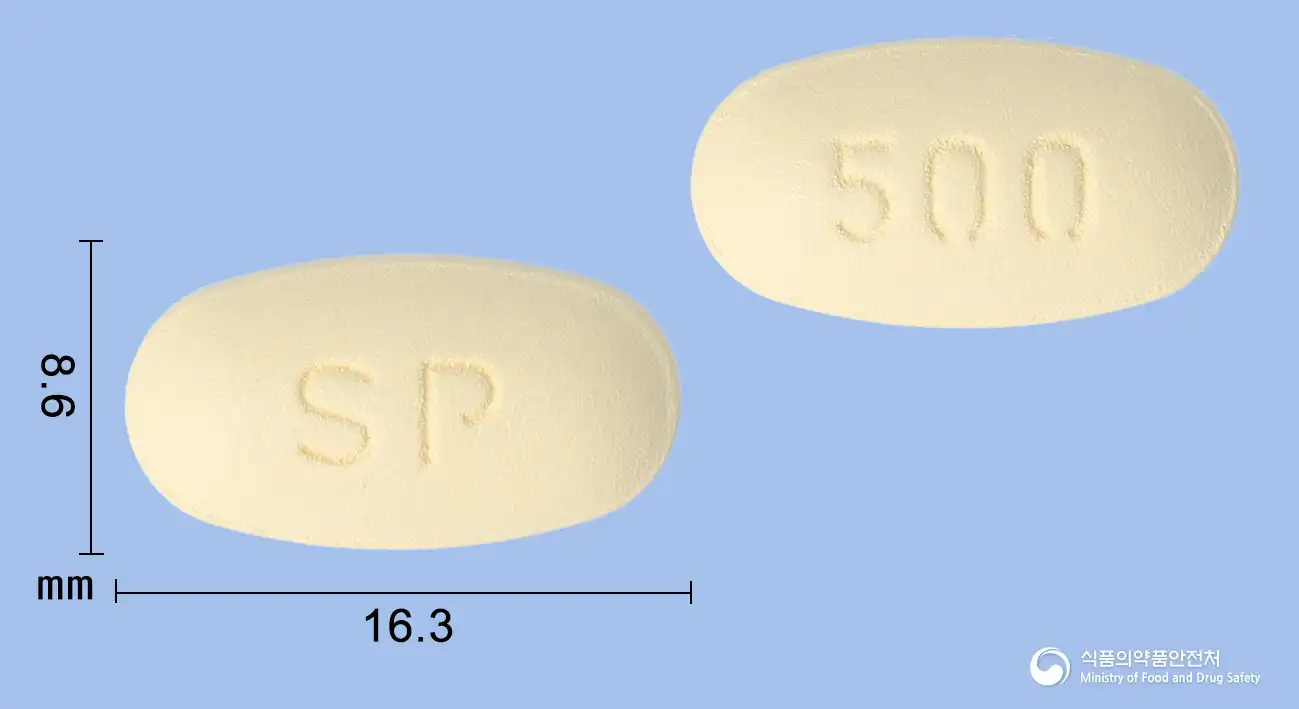 Viewing nowCombination
Linarutinduo 2.5/500 mg (Linagliptin, Metformin)
Linagliptin Besylate 3.34mg · Metformin Hydrochloride 500mg
Tablet · Prescription medication · Combination
Shinpoong Pharmaceuticals Co., Ltd.
MFDS item code 202401059 · Approved 2024.04.30
Improvement of blood sugar control in type 2 diabetes
This medication is used to help control blood sugar in patients with type 2 diabetes who are taking linagliptin and metformin together. When used alongside dietary and exercise therapy, it enhances efficacy for more stable blood sugar management. This aids patients in managing their diabetes more effectively.
This medication is taken twice a day with meals. To minimize gastrointestinal side effects associated with metformin, dosage increases should be gradual. 1. If not currently treated with metformin: The initial dosage is 2.5/500 mg of this medication twice daily, taking one tablet each time and can be increased to a maximum of 2.5/1000 mg twice daily, taking one tablet each time. 2. In combination therapy with linagliptin and metformin,
This medication contains two components, linagliptin and metformin, that help control blood sugar. Before taking this medication, caution is advised due to the rare but serious risk of lactic acidosis, which may be heightened in cases of impaired kidney function or pre-existing issues with the heart or liver. This medication should not be used in specific patient situations. For instance, patients with allergies to linagliptin or metformin, those with type 1 diabetes, severely impaired kidney function, acute infections, or severe dehydration, as well as pregnant or nursing women, should avoid taking it. Additionally, this medication should be used cautiously and with regular monitoring of kidney function, especially in older adults or those with mildly impaired kidney function. If this medication is used alongside sulfonylureas or insulin, the risk of hypoglycemia may increase, necessitating careful monitoring of blood sugar levels. If patients experience persistent and severe abdominal pain, sudden skin rashes, or blisters while on this medication, they should consult a doctor immediately, as these may indicate serious side effects such as pancreatitis or bullous pemphigoid. The metformin component may lower vitamin B12 levels, so it’s advisable to check for vitamin B12 deficiency with long-term use. Taking this medication with alcohol may increase the risk of lactic acidosis, so it is safest to avoid alcohol consumption. When undergoing radiological examinations using iodinated contrast agents, this medication should be temporarily discontinued before and after the procedure and can be resumed only once kidney function is stabilized. If surgery is scheduled, the medication should be stopped 48 hours prior and can only be resumed after confirming that kidney function has returned to normal post-surgery. Since kidney impairment is common in older adults, regular monitoring of kidney function and dosage adjustments may be necessary when using this medication. Women who are pregnant or planning to become pregnant should avoid taking this medication and should consider alternative methods for blood sugar control. The safety and efficacy of this medication have not been established in children and adolescents (under 10 years), thus it is not recommended for this age group. In cases of overdose, gastrointestinal disturbances or lactic acidosis may occur, necessitating immediate medical treatment, possibly including hemodialysis. This medication should be stored in a tightly closed container to avoid moisture and kept out of reach of children; transferring to another container is not recommended.
Not everyone experiences these, and they can vary from person to person.
This medication should be stored in a tightly closed container to prevent exposure to air and moisture. It is advisable to maintain storage temperatures between 1 and 30 degrees Celsius.
Yellow, double-convex, oval film-coated tablets
30 tablets/bottle, 60 tablets/bottle
Even with the same ingredient, strength, dosage form and how it is taken can differ.
Viewing nowCombinationLinagliptin Besylate 3.34mg · Metformin Hydrochloride 500mg
Tablet · Prescription medication · Combination
Shinpoong Pharmaceuticals Co., Ltd.
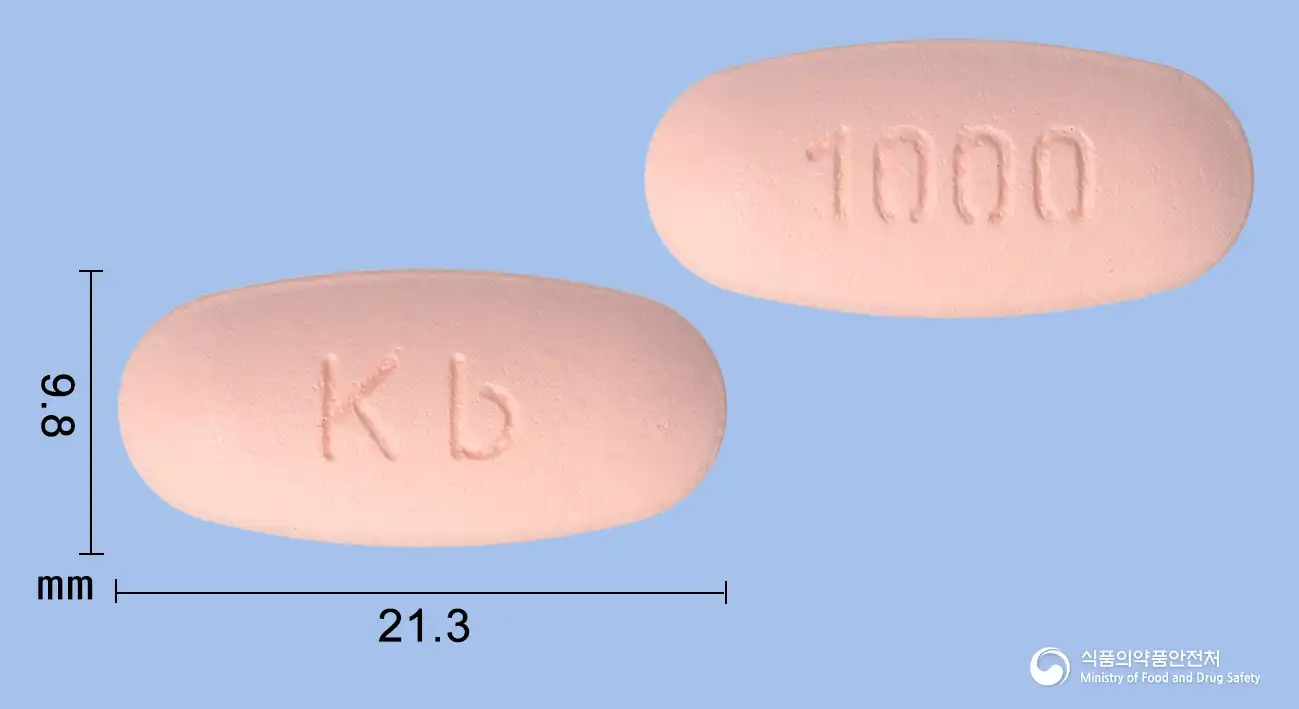 Combination
Linagliptin Besylate 3.34mg · Metformin Hydrochloride 1000mg
Tablet · Prescription medication · Combination
Kyungbo Pharmaceutical Co., Ltd.
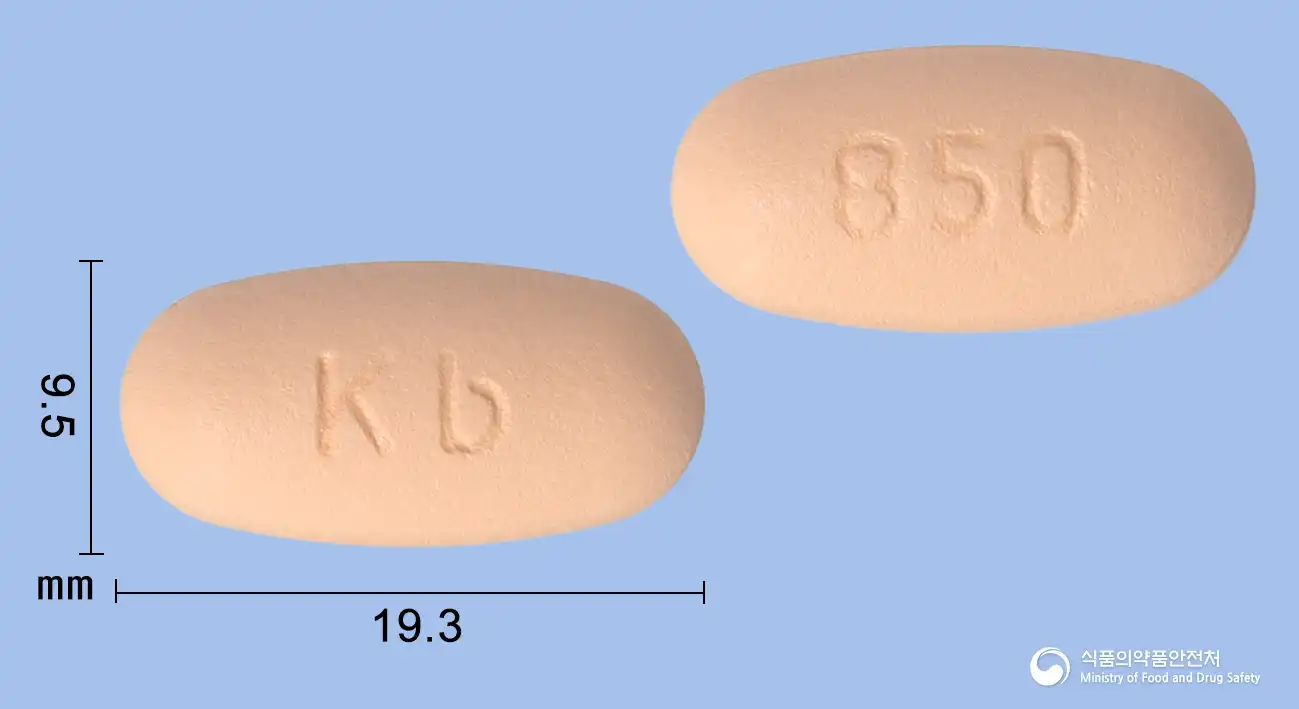 Combination
Linagliptin Besylate 3.34mg · Metformin Hydrochloride 850mg
Tablet · Prescription medication · Combination
Kyungbo Pharmaceutical Co., Ltd.
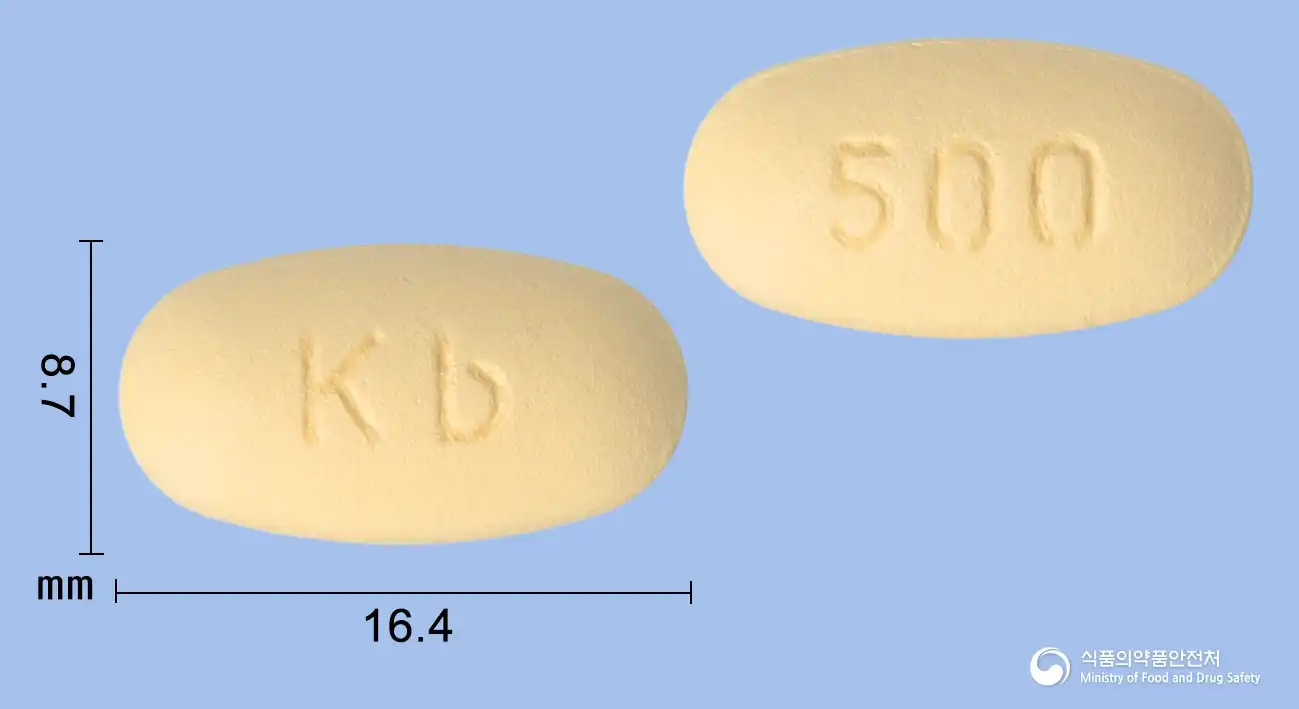 Combination
Linagliptin Besylate 3.34mg · Metformin Hydrochloride 500mg
Tablet · Prescription medication · Combination
Kyungbo Pharmaceutical Co., Ltd.
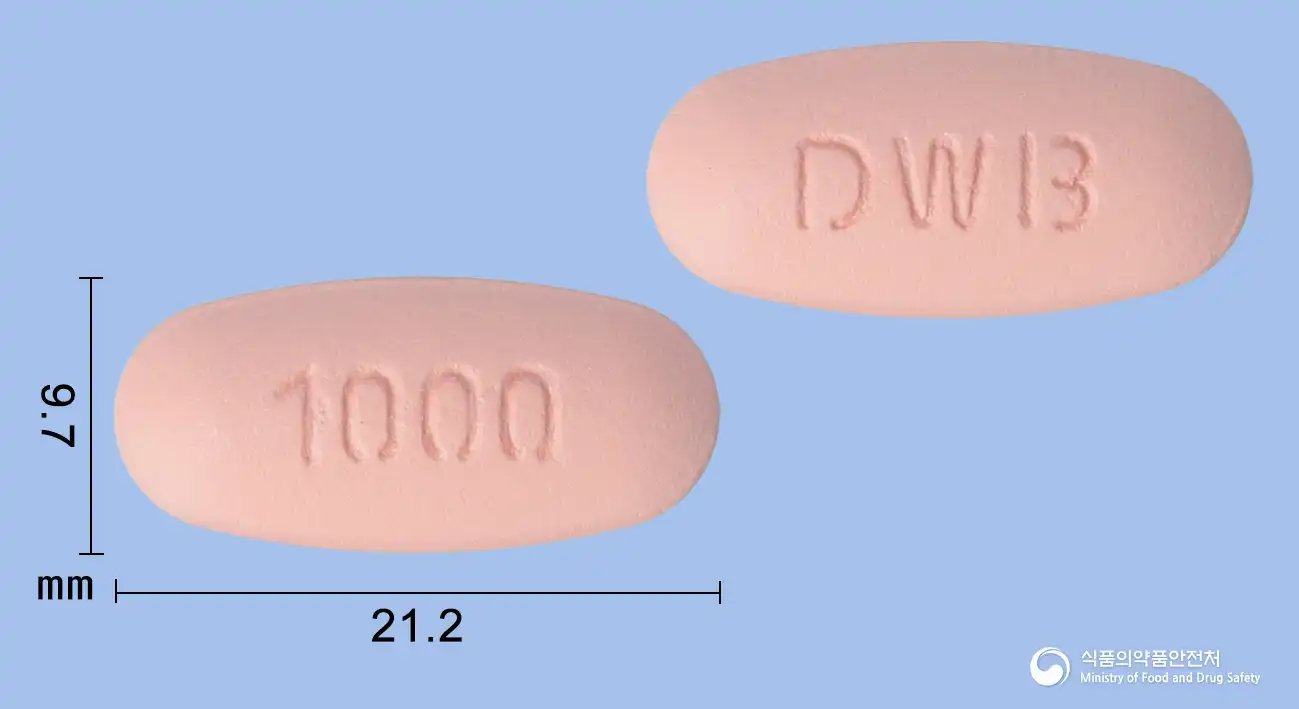 Combination
Linagliptin Besylate 3.34mg · Metformin Hydrochloride 1000mg
Tablet · Prescription medication · Combination
DaiWoong Bio Co., Ltd.
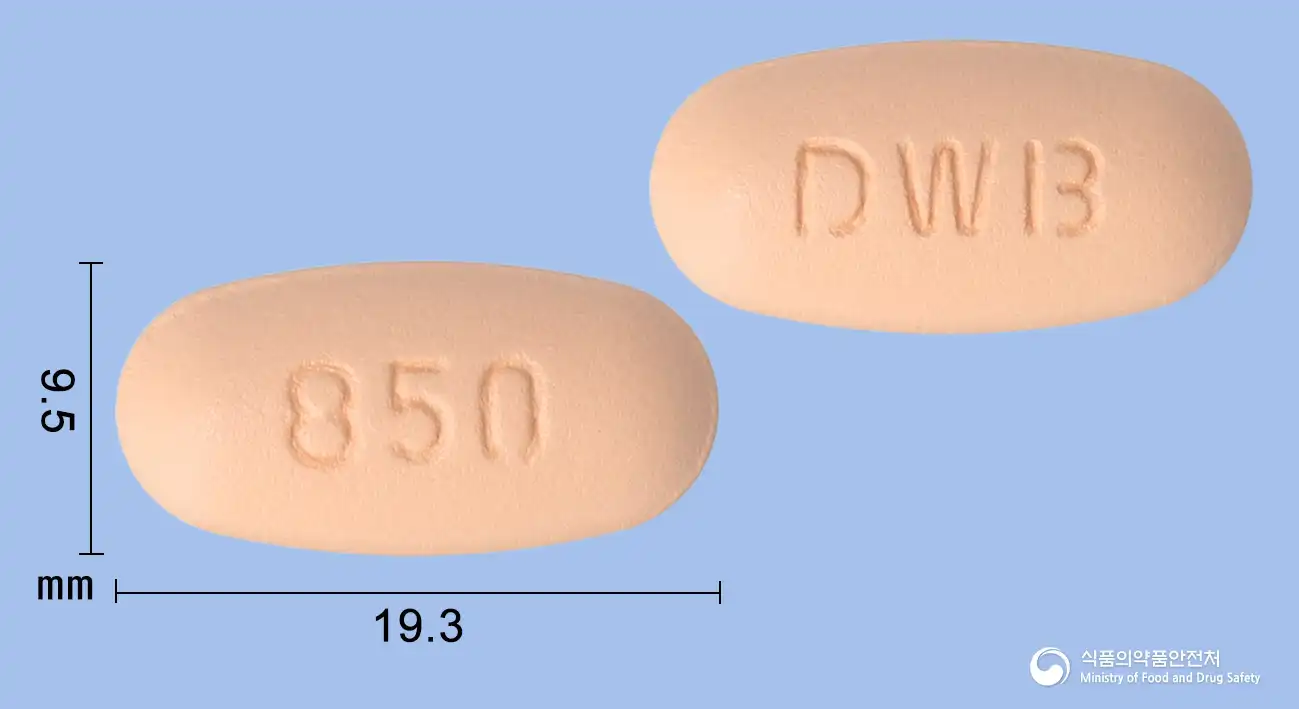 Combination
Linagliptin Besylate 3.34mg · Metformin Hydrochloride 850mg
Tablet · Prescription medication · Combination
Daewoong Bio Co., Ltd.
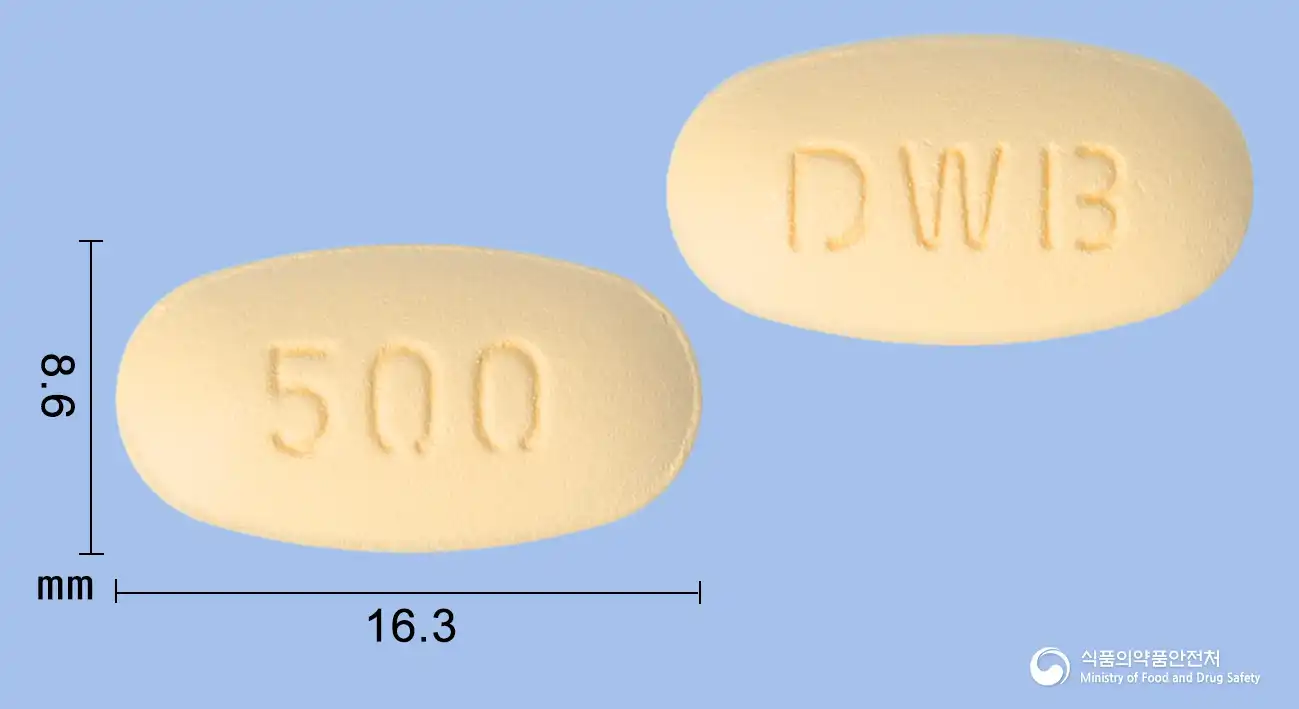 Combination
Linagliptin Besylate 3.34mg · Metformin Hydrochloride 500mg
Tablet · Prescription medication · Combination
Daewoong Bio Co., Ltd.
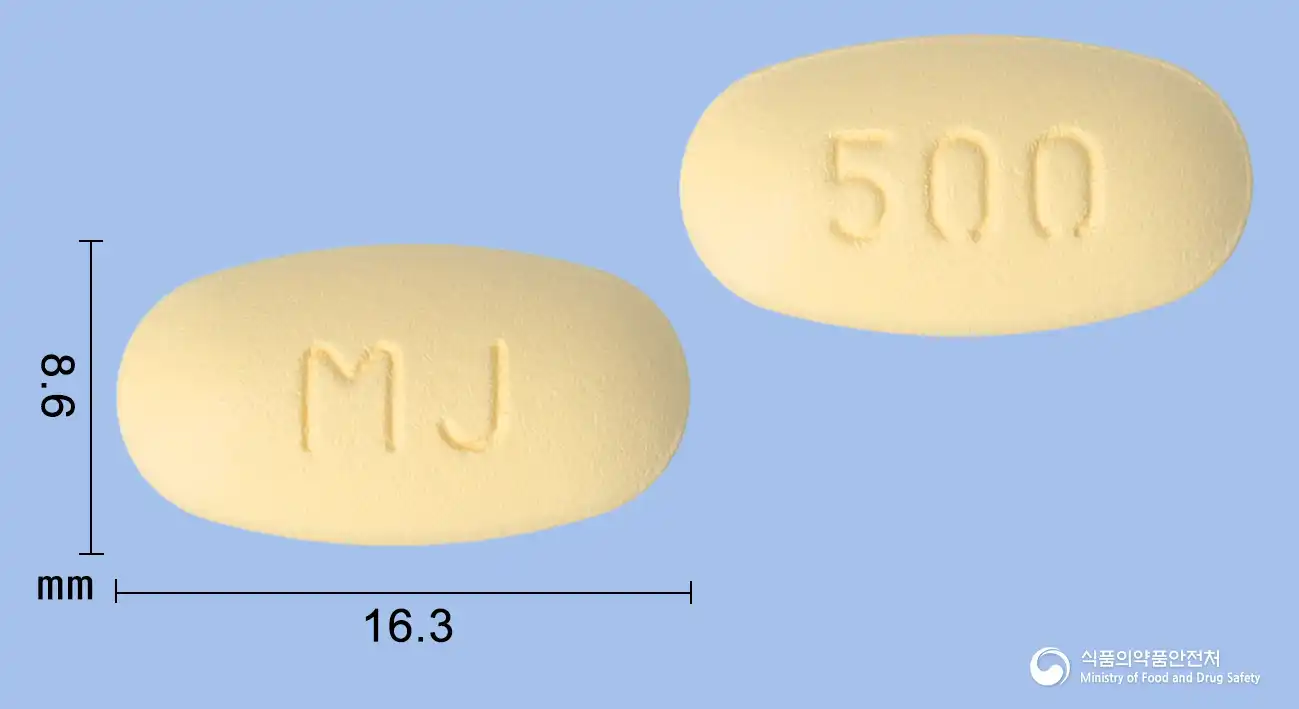 Combination
Linagliptin Besylate 3.34mg · Metformin Hydrochloride 500mg
Tablet · Prescription medication · Combination
Mothers Pharmaceutical Co., Ltd.
Even with the same ingredient, the dose and directions can differ by strength and dosage form. Talk to a doctor or pharmacist before switching from a medication you are already taking.
No questions yet.
For anything that needs medical judgment, consult a doctor or pharmacist.
This drug information is based on data provided by the Korea Ministry of Food and Drug Safety.
Consult a doctor or pharmacist for accurate dosage, administration, and usage instructions.