
 한국어
한국어 English
 日本語
日本語 中文(简体)
 Viewing nowCombination
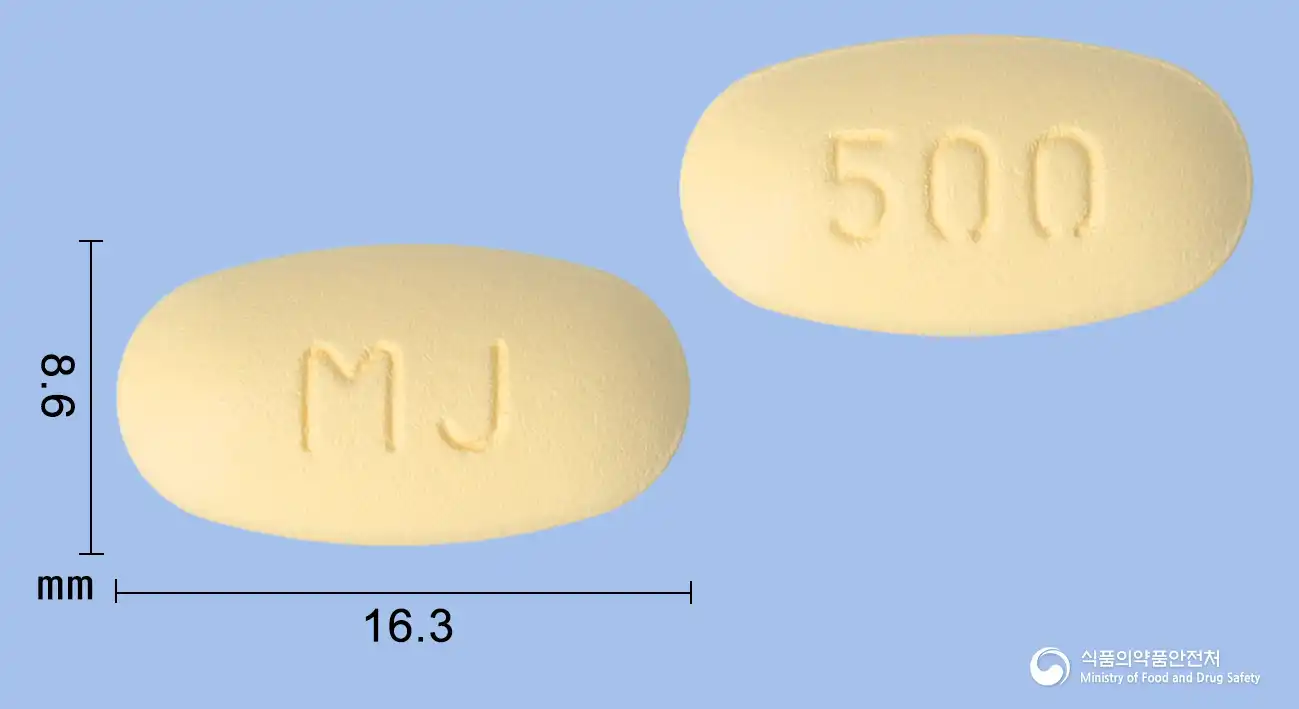
Tripm Duo Tablet 2.5/500 mg (Linagliptin, Metformin)
Linagliptin Besylate 3.34mg · Metformin Hydrochloride 500mg
Tablet · Prescription medication · Combination
Mothers Pharmaceutical Co., Ltd.
MFDS item code 202401055 · Approved 2024.04.30 · Insurance code 622805280
Improvement of blood sugar control in type 2 diabetes
This medication helps patients with type 2 diabetes improve blood sugar control while following dietary and exercise regimens. It is used to effectively manage blood sugar levels through the combination of linagliptin and metformin.
This medication is administered twice daily with meals. 1. For those not currently being treated with metformin: - Initial dose of this medication at 2.5/500 mg taken twice daily, 1 tablet per dose, - Can be increased up to 2.5/1000 mg taken twice daily, 1 tablet per dose. 2. For those transitioning from combination therapy with linagliptin and metformin: - Start on the same dose as the linagliptin and metformin previously taken.
This medication helps to control blood sugar levels. However, there is a risk of serious side effects such as lactic acidosis, which can occur rarely, thus caution is necessary. Individuals who are allergic to any of the components of this product, have type 1 diabetes, lactic acidosis, or severe renal impairment should not use this medication. Additionally, it should not be taken by individuals who are dehydrated, have severe infections, heart failure, liver dysfunction, acute alcohol intoxication, or pregnant or breastfeeding women. Since there is a risk of hypoglycemia, blood sugar levels should be monitored frequently and doses adjusted as needed when used with insulin or sulfonylureas. In cases of decreased renal function, the use of this medication is limited, and regular kidney function tests should be conducted. Acute pancreatitis or skin blistering disorders may occur, so if severe abdominal pain or skin abnormalities persist while taking this medication, immediate consultation with a doctor is necessary. Common side effects include gastrointestinal disorders, especially diarrhea, abdominal pain, decreased appetite, and vomiting, which typically improve over time. Vitamin B12 deficiency may occur, so it is recommended to check vitamin B12 levels through blood tests during prolonged use. If pregnant or planning to become pregnant, this medication should be avoided, and other treatment options should be discussed as necessary. Safety for use in children or adolescents has not been established, and it is not recommended for children under 10 years old. Elderly patients often experience decreased kidney function, so dosage adjustments and regular kidney function monitoring are necessary. There is insufficient research on the effects of this medication on driving or operating machinery, so caution is advised. In case of overdose, there is a risk of lactic acidosis; immediate medical treatment is required, and, if necessary, the removal of the drug can be done via hemodialysis. This medication should be stored in a tightly sealed container to prevent exposure to moisture and direct sunlight, and kept out of reach of children.
Urticaria, angioedema, lactic acidosis, pancreatitis, bullous pemphigoid, liver dysfunction (abnormal liver function tests, hepatitis), cardiac complications (acute myocardial infarction, unstable angina, cardiac arrest, congestive heart failure), respiratory problems (shortness of breath, asthma, pneumonia, impaired lung function, chronic obstructive pulmonary disease, lung masses, vocal cord polyp), severe edema (facial edema, generalized edema), severe neurological symptoms (cerebral infarction, seizures, consciousness confusion, headache,
Not everyone experiences these, and they can vary from person to person.
This medication should be stored in a tightly sealed container to prevent exposure to air or moisture. It is recommended to maintain the storage temperature between 1 to 30 degrees Celsius at room temperature. This will help ensure the medication's effectiveness is preserved and remains safe for a long time.
Yellow, oval, film-coated tablets with a double convex shape
30 tablets/bottle, 60 tablets/bottle
Even with the same ingredient, strength, dosage form and how it is taken can differ.
Viewing nowCombinationLinagliptin Besylate 3.34mg · Metformin Hydrochloride 500mg
Tablet · Prescription medication · Combination
Mothers Pharmaceutical Co., Ltd.
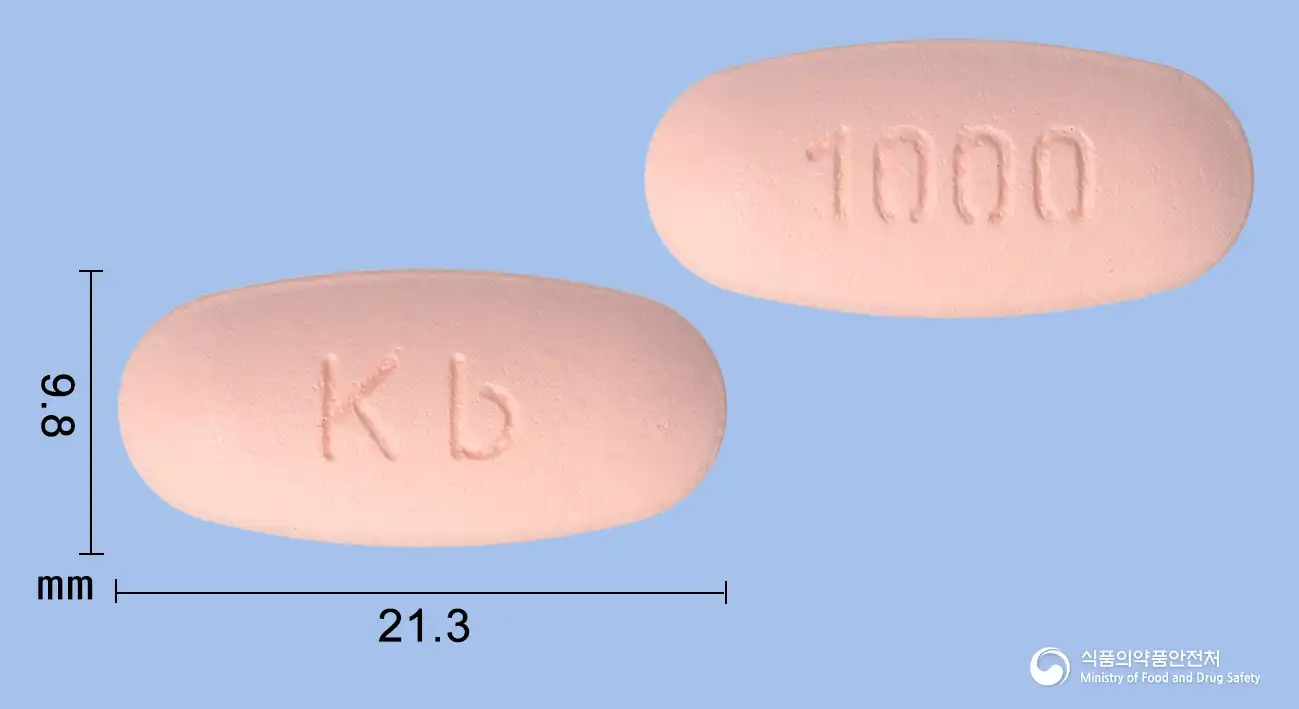 Combination
Linagliptin Besylate 3.34mg · Metformin Hydrochloride 1000mg
Tablet · Prescription medication · Combination
Kyungbo Pharmaceutical Co., Ltd.
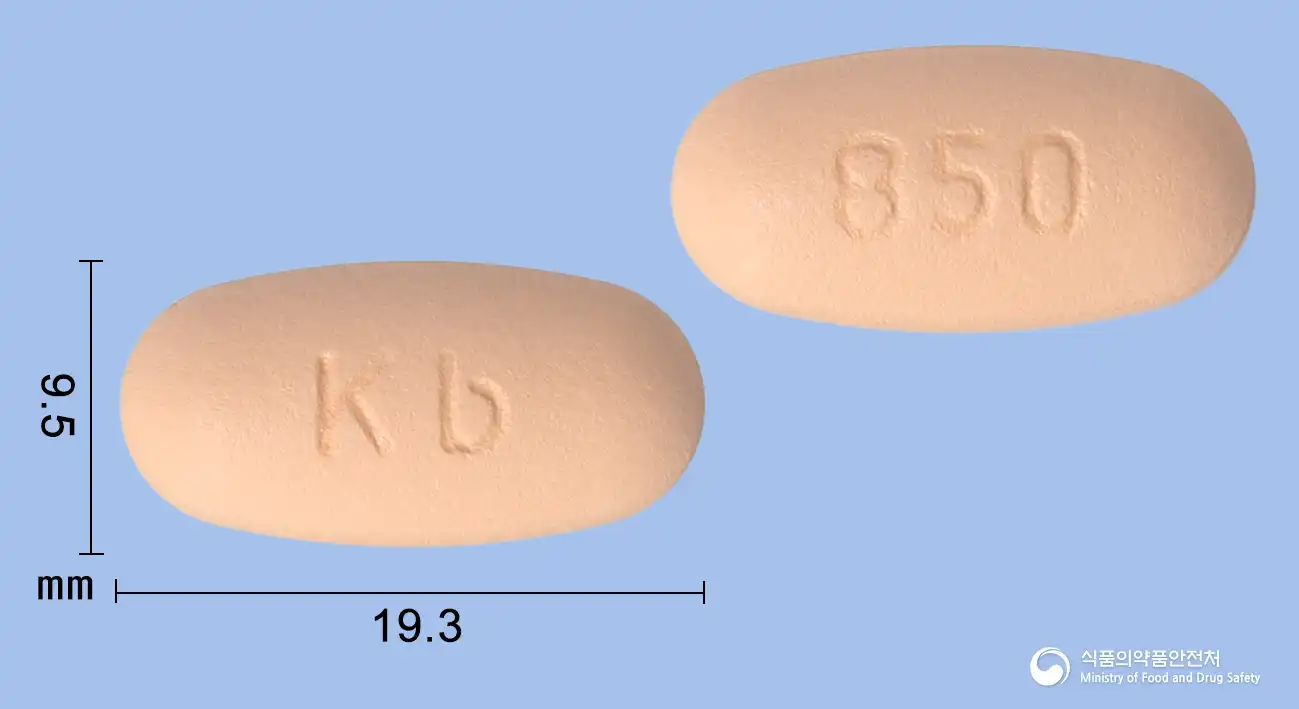 Combination
Linagliptin Besylate 3.34mg · Metformin Hydrochloride 850mg
Tablet · Prescription medication · Combination
Kyungbo Pharmaceutical Co., Ltd.
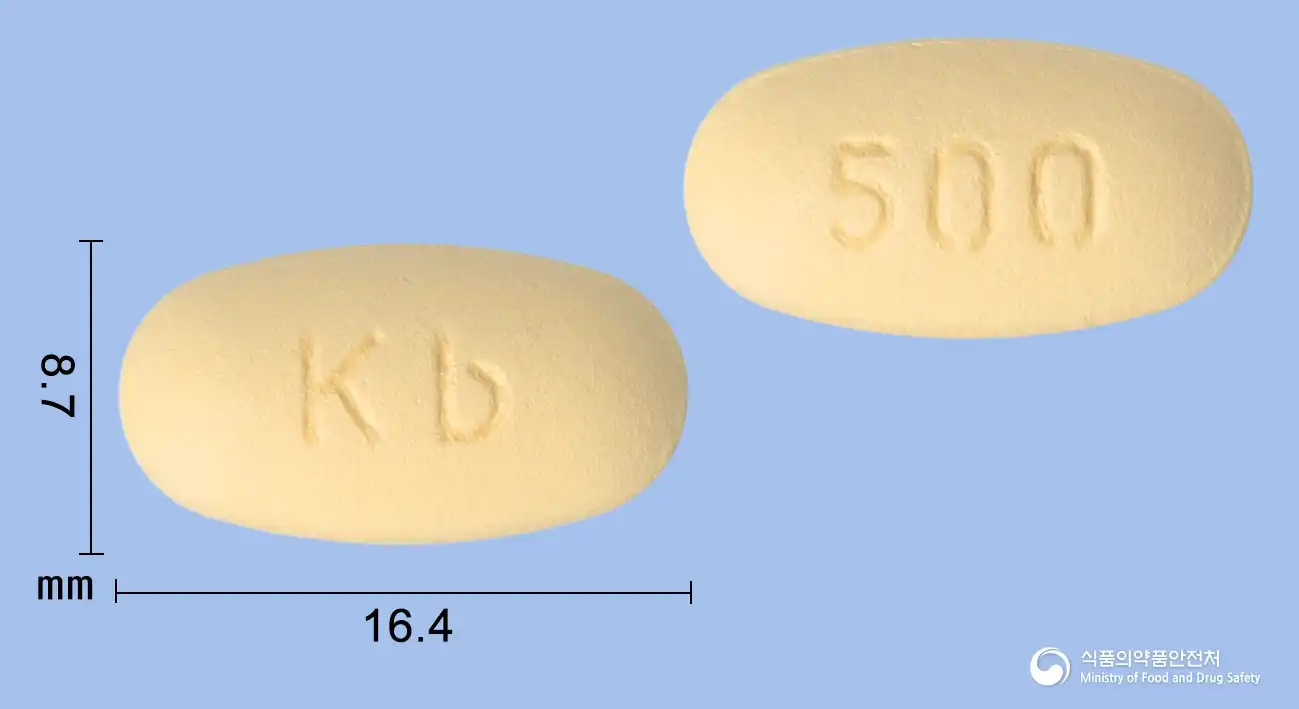 Combination
Linagliptin Besylate 3.34mg · Metformin Hydrochloride 500mg
Tablet · Prescription medication · Combination
Kyungbo Pharmaceutical Co., Ltd.
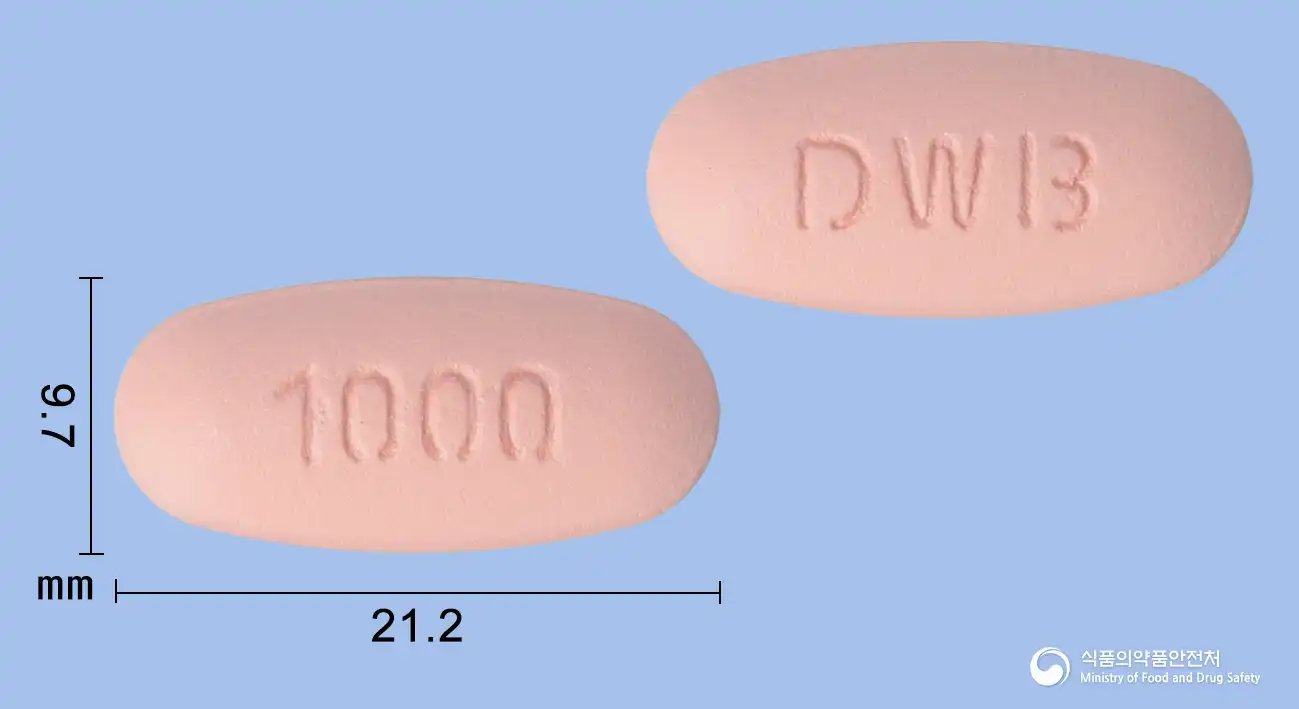 Combination
Linagliptin Besylate 3.34mg · Metformin Hydrochloride 1000mg
Tablet · Prescription medication · Combination
DaiWoong Bio Co., Ltd.
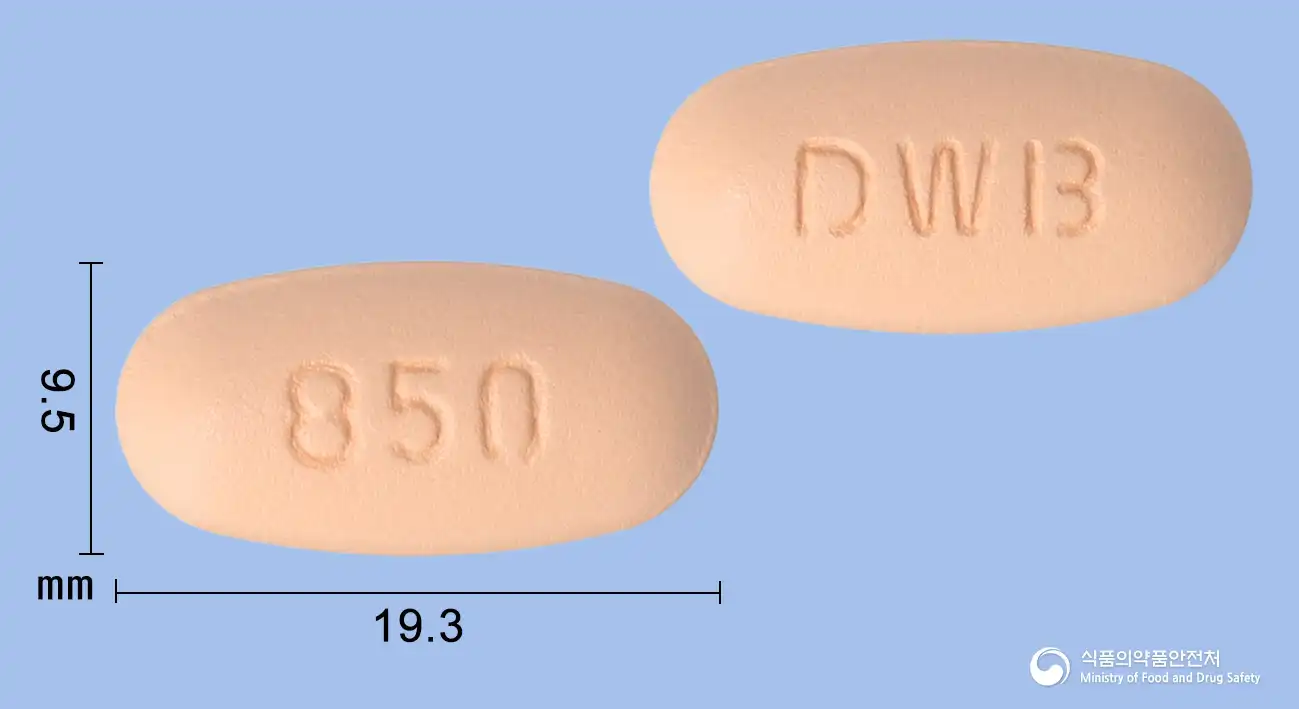 Combination
Linagliptin Besylate 3.34mg · Metformin Hydrochloride 850mg
Tablet · Prescription medication · Combination
Daewoong Bio Co., Ltd.
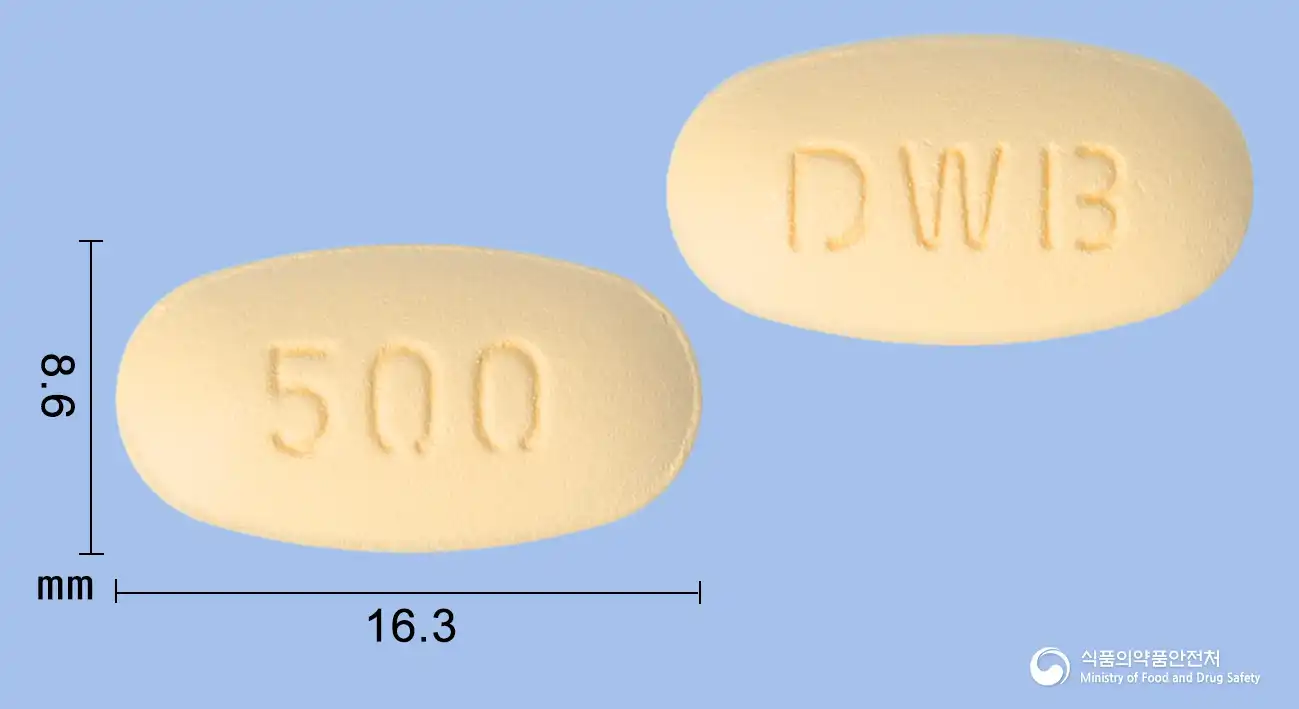 Combination
Linagliptin Besylate 3.34mg · Metformin Hydrochloride 500mg
Tablet · Prescription medication · Combination
Daewoong Bio Co., Ltd.
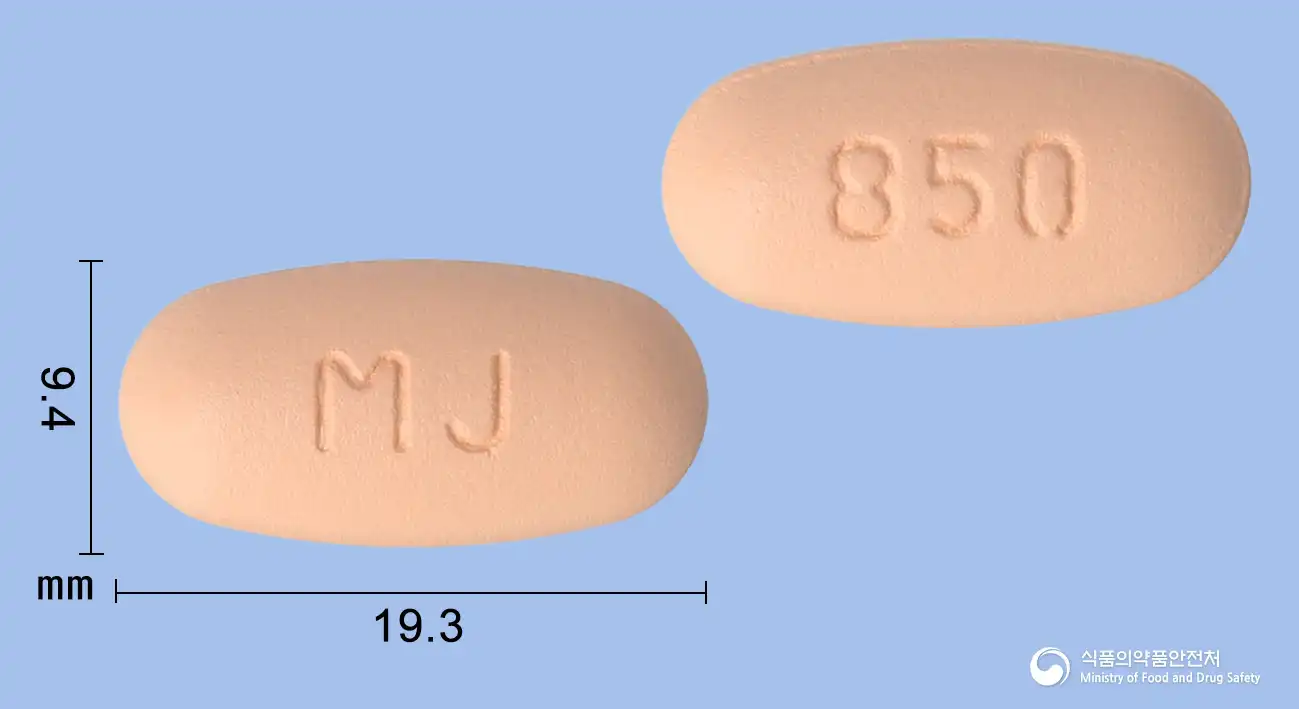 Combination
Linagliptin Besylate 3.34mg · Metformin Hydrochloride 850mg
Tablet · Prescription medication · Combination
Mothers Pharmaceutical Co., Ltd.
Even with the same ingredient, the dose and directions can differ by strength and dosage form. Talk to a doctor or pharmacist before switching from a medication you are already taking.
No questions yet.
For anything that needs medical judgment, consult a doctor or pharmacist.
This drug information is based on data provided by the Korea Ministry of Food and Drug Safety.
Consult a doctor or pharmacist for accurate dosage, administration, and usage instructions.