
 한국어
한국어 English
 日本語
日本語 中文(简体)
 Viewing nowCombination
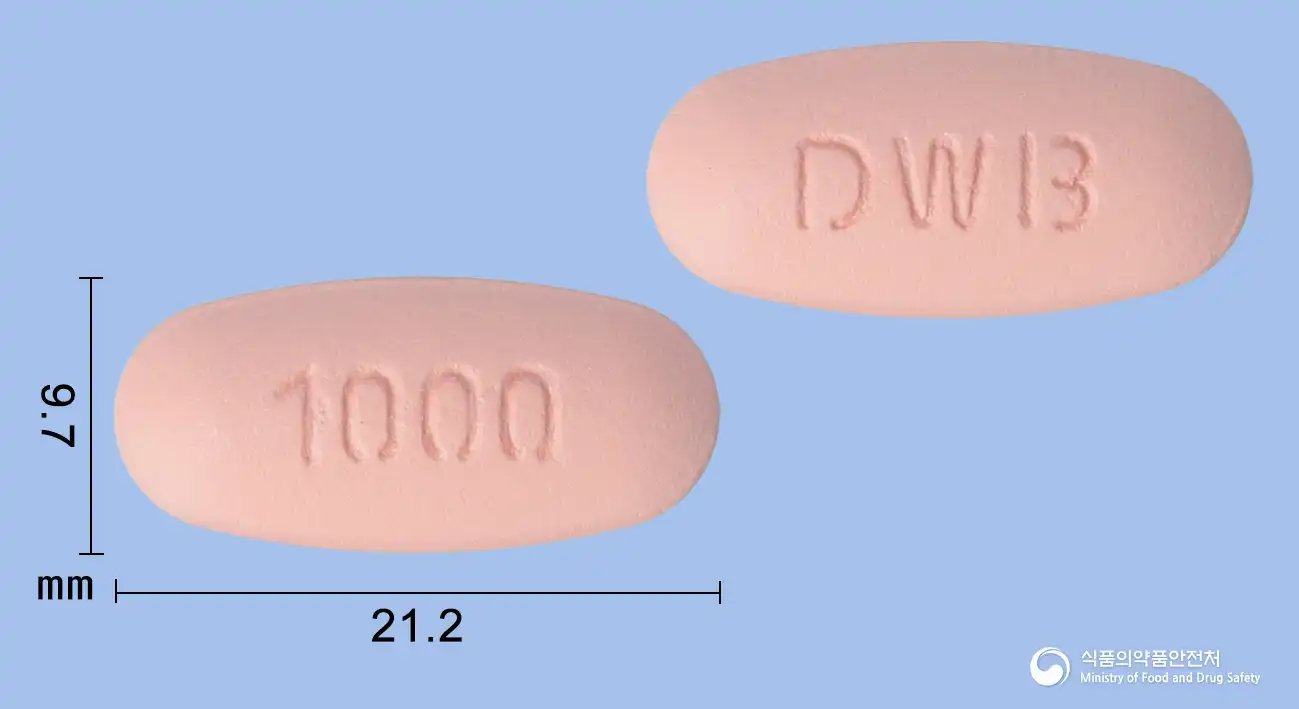
Trinam 2.5/1000 mg (Linagliptin, Metformin)
Linagliptin Besylate 3.34mg · Metformin Hydrochloride 1000mg
Tablet · Prescription medication · Combination
DaiWoong Bio Co., Ltd.
MFDS item code 202401052 · Approved 2024.04.30
Improvement of blood sugar control in type 2 diabetes
This medication helps patients with type 2 diabetes manage their blood sugar more effectively. It is used to improve blood sugar levels through the combined action of linagliptin and metformin, while adhering to dietary and exercise regimens. Therefore, it is a suitable treatment option for those who find it challenging to manage their blood sugar.
The dosage of this medication should be determined based on the maximum recommended doses of each ingredient, which are linagliptin 2.5 mg (linagliptin besilate 3.34 mg) and metformin 1000 mg, considering each patient's current treatment regimen, efficacy, and tolerability, not exceeding two times per day. This medication is administered twice daily with meals. 1. If currently not receiving metformin treatment: Start with this medication at 2.5/500 mg, administered twice daily.
This medication helps regulate blood sugar levels. However, caution is necessary as rare complications, such as lactic acidosis, may occur when taking this medication. If severe abdominal pain, muscle pain, weakness, or difficulty breathing arises, consultation with a physician should be sought immediately. This medication should not be used by patients with impaired kidney function, liver dysfunction, severe infections, or dehydration. It is also advisable for pregnant or breastfeeding women to avoid taking this medication. Since hypoglycemia may occur, it is important to frequently check blood sugar levels, especially when taken with other hypoglycemic agents or insulin. Excessive alcohol consumption should also be avoided for safety. This medication should be taken with regular kidney function checks, and if there are situations where kidney function may suddenly worsen, temporary discontinuation should occur. If iodinated contrast agents are used in radiological examinations, discontinuation of this medication is also required until kidney function stabilizes. Rarely, adverse effects such as pancreatitis or blistering disorders like bullous pemphigoid may occur, so immediate notification to a physician is essential if severe abdominal pain or skin lesions appear. This medication may lower vitamin B12 levels, so if used for a prolonged period, monitoring for vitamin B12 deficiency is advised with supplementation if necessary. Elderly patients may require adjustment of dosage and regular monitoring of kidney function since kidney function can decline. It is not recommended for use in children under 10 years of age. The impact on driving or operating machinery is unclear, but caution is advised due to potential hypoglycemic symptoms. In cases of overdose, gastrointestinal symptoms or lactic acidosis may occur, and immediate medical attention should be sought. Store this medication in a place out of reach of children and avoid moisture.
Urticaria, angioedema, lactic acidosis, pancreatitis, bullous pemphigoid, liver dysfunction (abnormal liver function tests, hepatitis), angina pectoris, acute myocardial infarction, unstable angina, cardiac arrest, heart failure, acute kidney injury, end-stage renal disease, acute cholangitis, acute cholecystitis, cholangitis, cholelithiasis, cerebrovascular accident, stroke-like episodes, confusional state, severe allergic reactions (urticaria, angioedema), difficulty breathing, asthma attacks, chest tightness.
Not everyone experiences these, and they can vary from person to person.
Store this medication in a sealed container to protect it from air and moisture. It is recommended to maintain a storage temperature between 1 to 30 degrees Celsius.
Pink, oval, biconvex, film-coated tablet
30 tablets/bottle, 60 tablets/bottle
Even with the same ingredient, strength, dosage form and how it is taken can differ.
Viewing nowCombinationLinagliptin Besylate 3.34mg · Metformin Hydrochloride 1000mg
Tablet · Prescription medication · Combination
DaiWoong Bio Co., Ltd.
 Combination
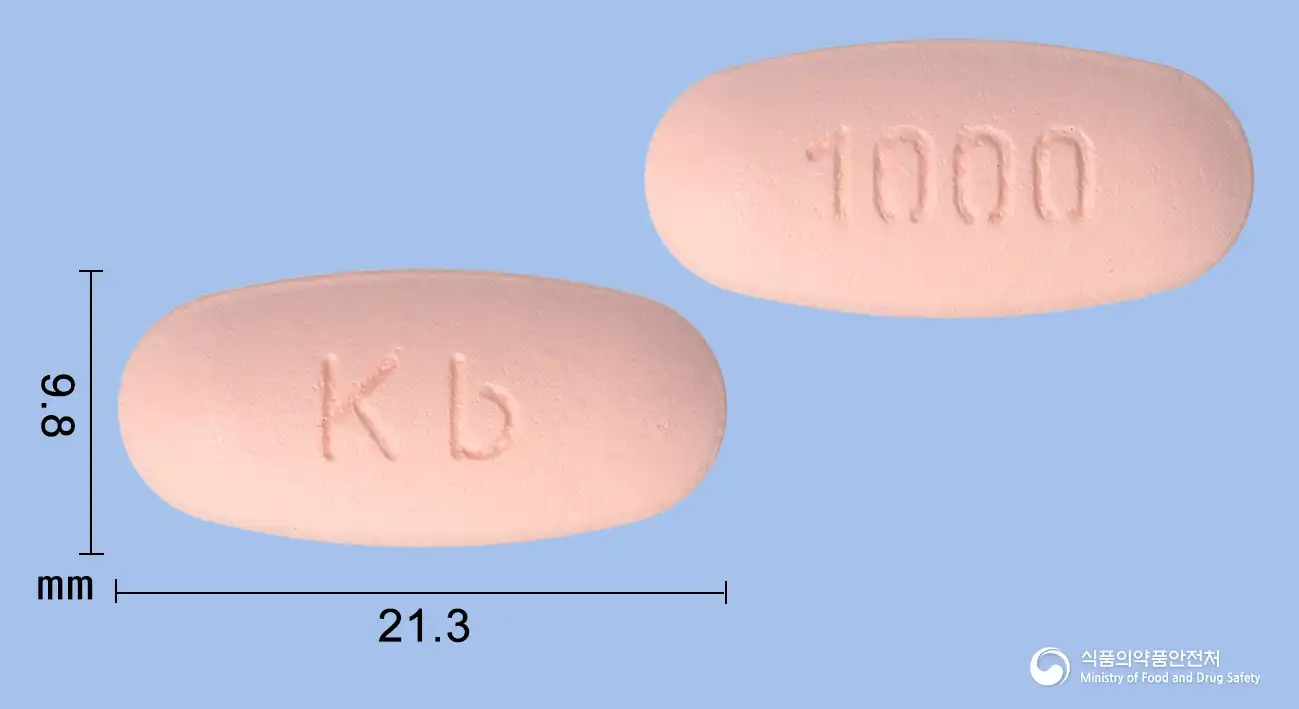
Linagliptin Besylate 3.34mg · Metformin Hydrochloride 1000mg
Tablet · Prescription medication · Combination
Kyungbo Pharmaceutical Co., Ltd.
 Combination
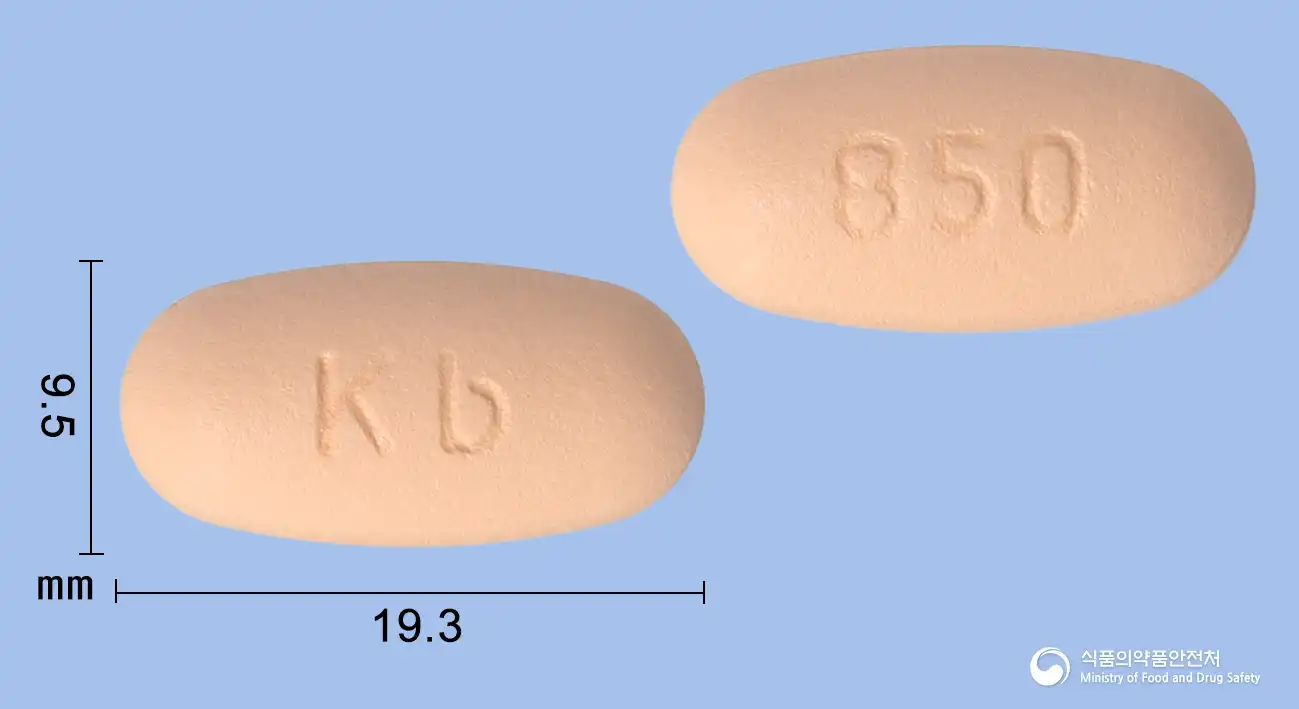
Linagliptin Besylate 3.34mg · Metformin Hydrochloride 850mg
Tablet · Prescription medication · Combination
Kyungbo Pharmaceutical Co., Ltd.
 Combination
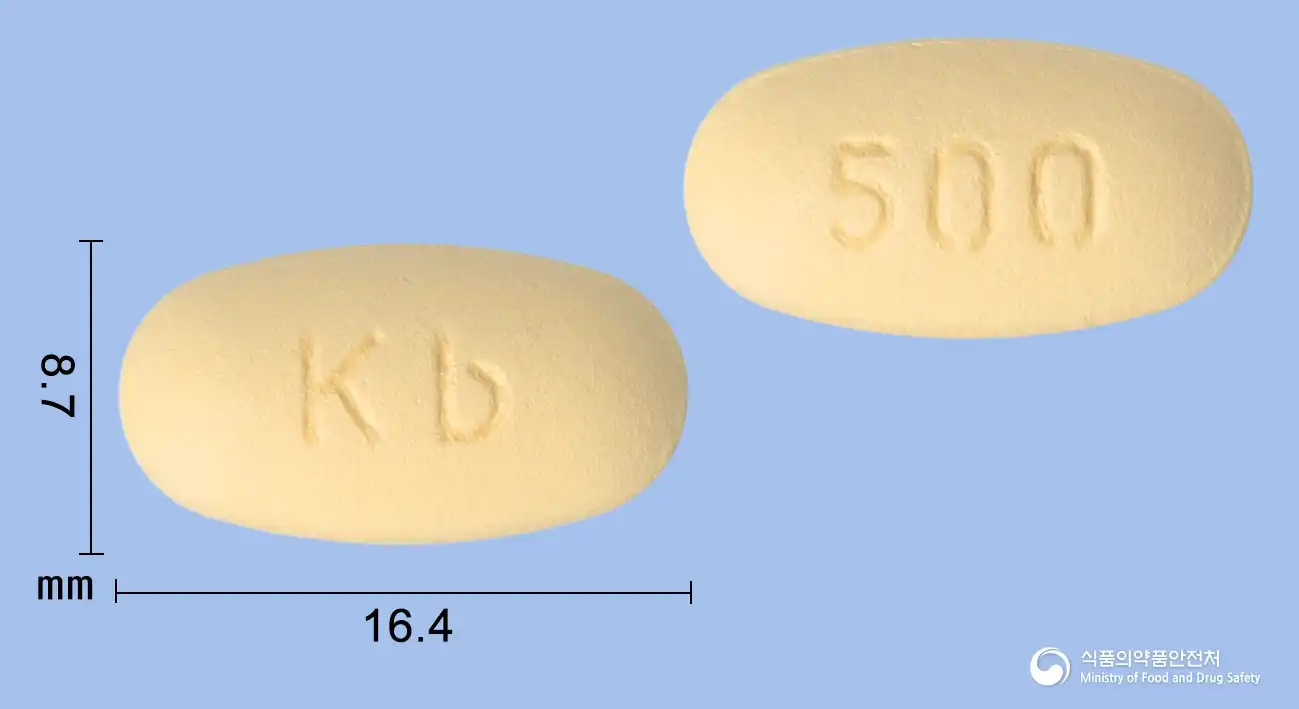
Linagliptin Besylate 3.34mg · Metformin Hydrochloride 500mg
Tablet · Prescription medication · Combination
Kyungbo Pharmaceutical Co., Ltd.
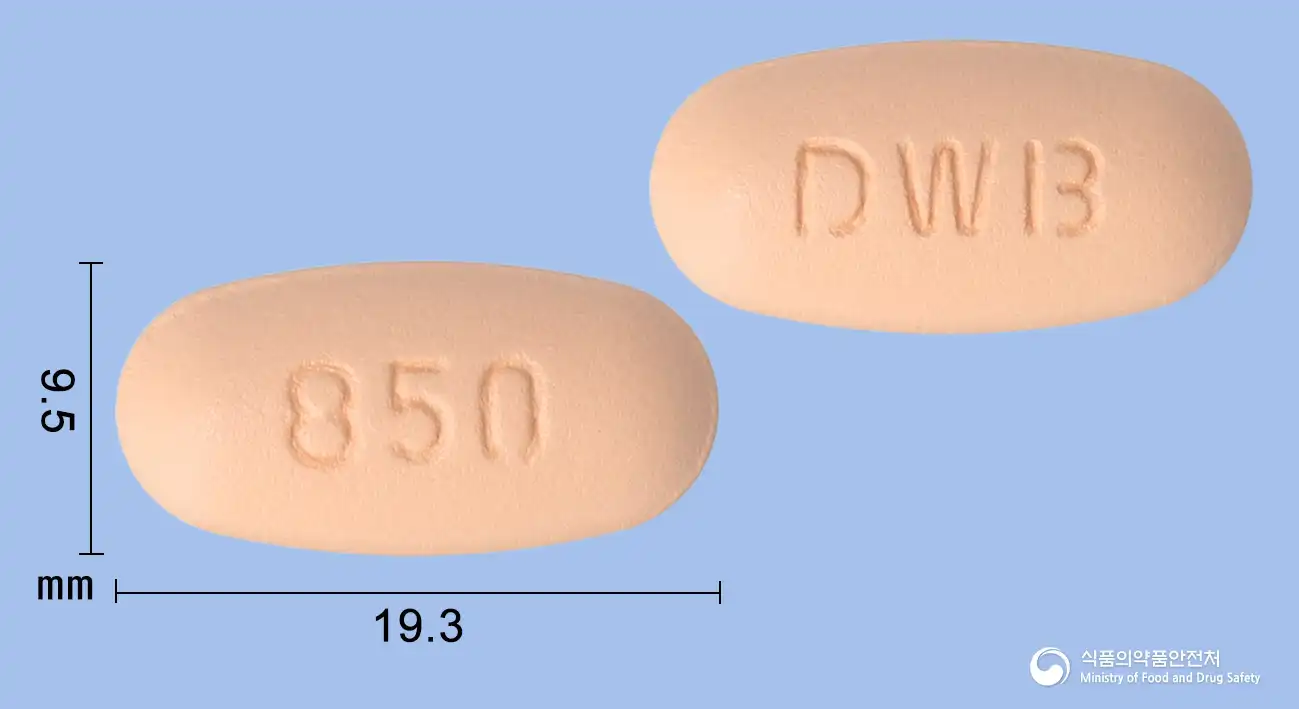 Combination
Linagliptin Besylate 3.34mg · Metformin Hydrochloride 850mg
Tablet · Prescription medication · Combination
Daewoong Bio Co., Ltd.
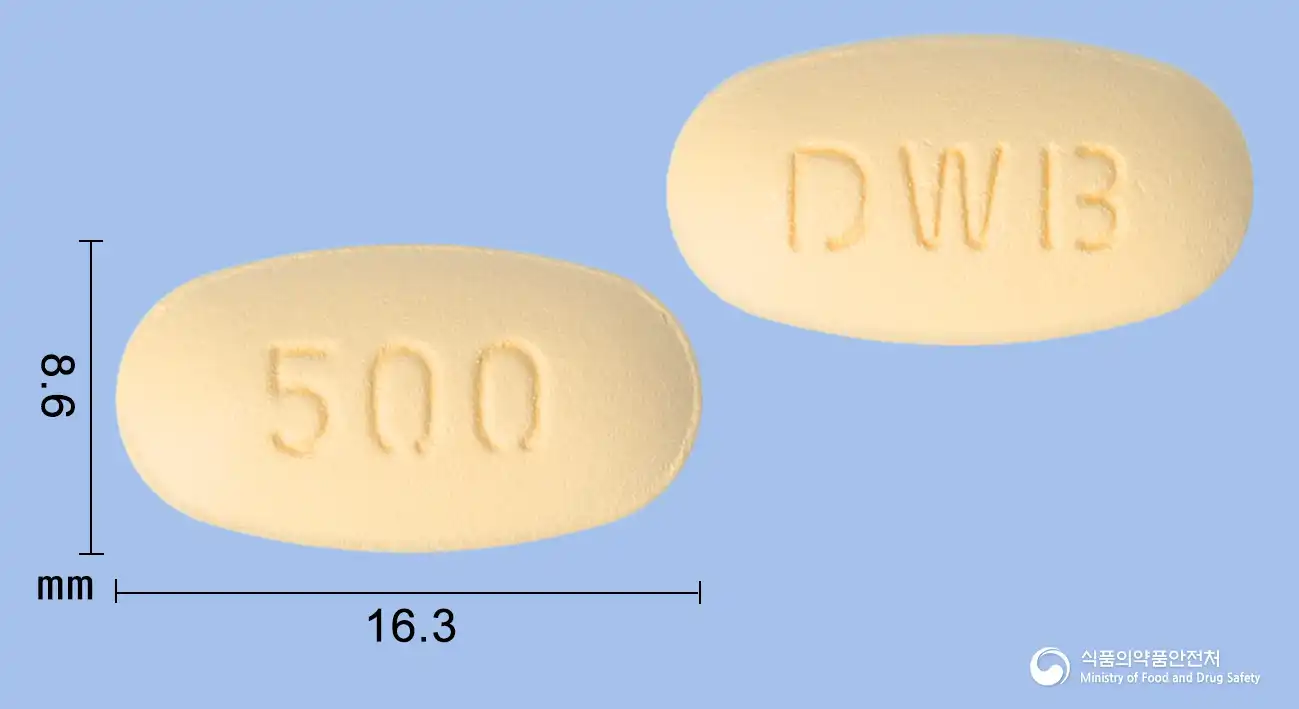 Combination
Linagliptin Besylate 3.34mg · Metformin Hydrochloride 500mg
Tablet · Prescription medication · Combination
Daewoong Bio Co., Ltd.
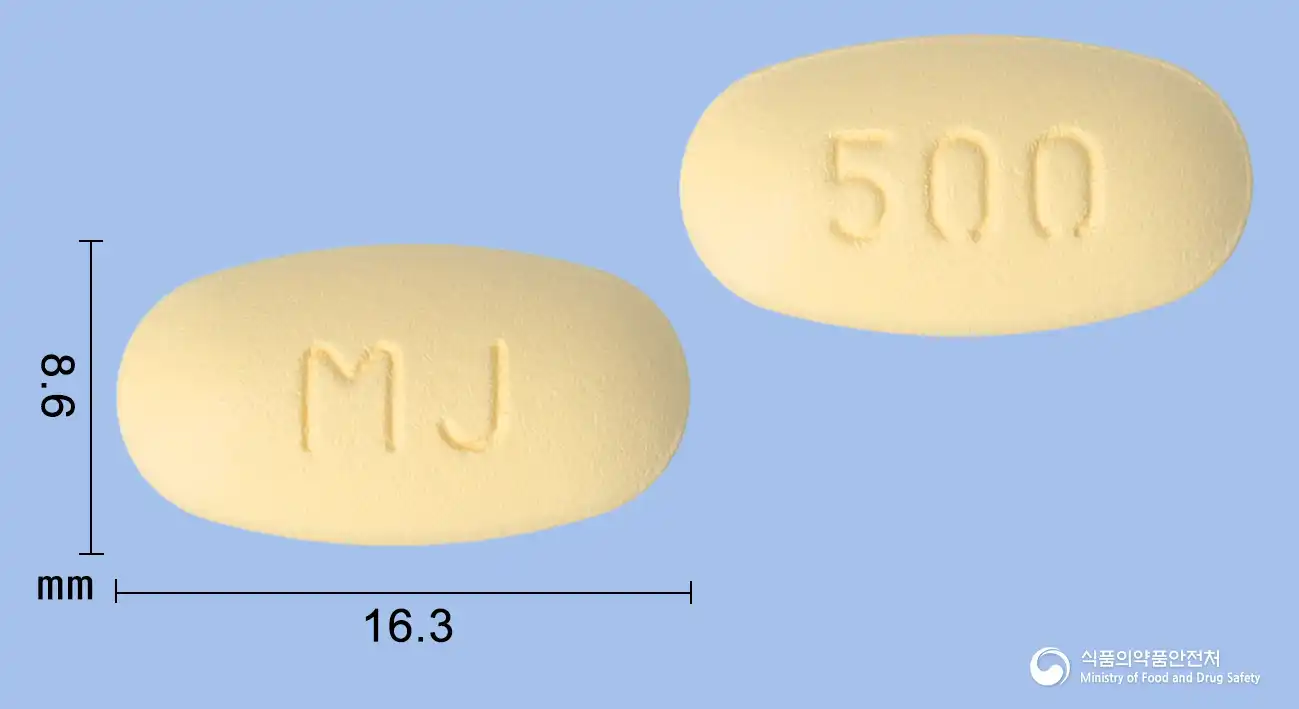 Combination
Linagliptin Besylate 3.34mg · Metformin Hydrochloride 500mg
Tablet · Prescription medication · Combination
Mothers Pharmaceutical Co., Ltd.
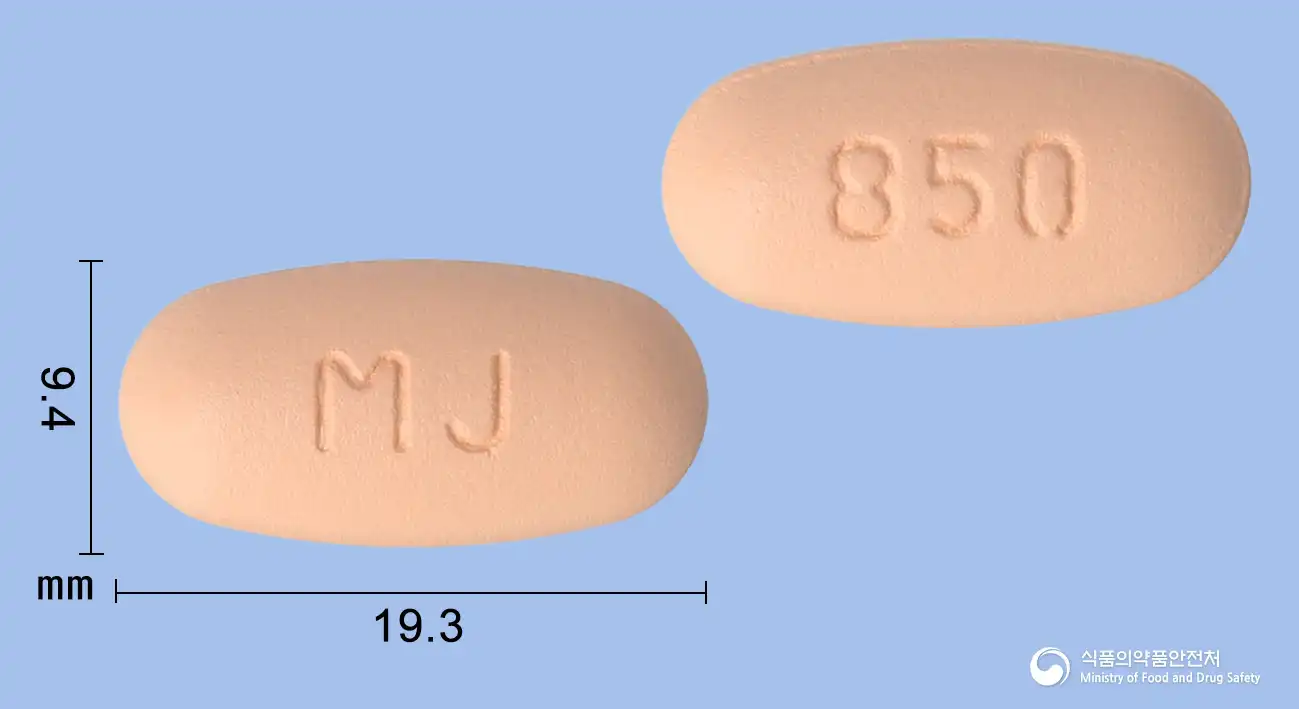 Combination
Linagliptin Besylate 3.34mg · Metformin Hydrochloride 850mg
Tablet · Prescription medication · Combination
Mothers Pharmaceutical Co., Ltd.
Even with the same ingredient, the dose and directions can differ by strength and dosage form. Talk to a doctor or pharmacist before switching from a medication you are already taking.
No questions yet.
For anything that needs medical judgment, consult a doctor or pharmacist.
This drug information is based on data provided by the Korea Ministry of Food and Drug Safety.
Consult a doctor or pharmacist for accurate dosage, administration, and usage instructions.