
 한국어
한국어 English
 日本語
日本語 中文(简体)
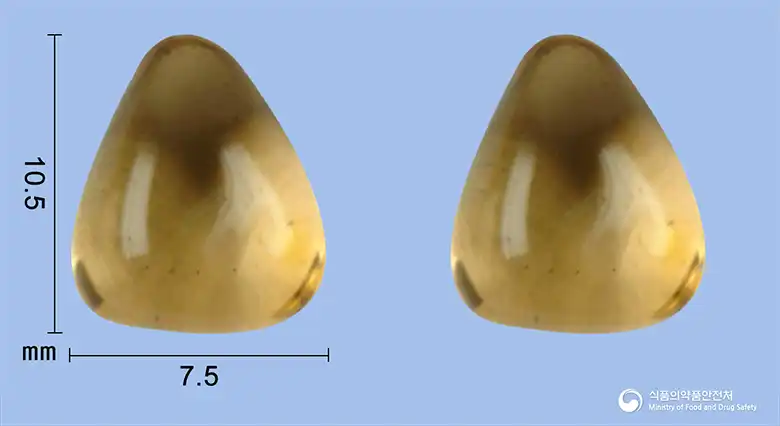
Dosage form image
Viewing nowAlfacalm Soft Capsules 1 Microgram (Alfacalcidol)
Alfacalcidol 1μg
Soft capsule · OTC medication
Mothers Pharmaceutical Co., Ltd.
MFDS item code 202400990 · Notified 2024.04.25
Improvement of symptoms related to vitamin D metabolism abnormalities (hypocalcemia, bone pain, etc.) and osteoporosis.
This medication improves symptoms associated with hypocalcemia, tetany, bone pain, and bone lesions due to vitamin D metabolism abnormalities following chronic kidney disease, hypoparathyroidism, vitamin D resistant rickets, and osteomalacia. It is also used for osteoporosis to help strengthen bones and reduce the risk of fractures. It is effectively used to alleviate symptoms of various bone-related diseases.
Chronic kidney disease and osteoporosis: Administer 0.5 to 1 µg once daily as Alfacalcidol. Hypoparathyroidism and other diseases related to vitamin D metabolism abnormalities: Administer 1 to 4 µg once daily as this medication.
For osteoporosis: Administer 0.01 to 0.03 µg/kg body weight once daily as Alfacalcidol. For other conditions: Administer 0.05 to 0.1 µg/kg body weight once daily as this medication.
This medication should not be taken by individuals with abnormally high levels of calcium, phosphorus, or magnesium in the blood. Additionally, individuals with excessively alkaline blood or symptoms of vitamin D overdose should not take it. During the use of this medication, it is advisable not to take magnesium-containing preparations, vitamin D or its derivatives, calcium-containing preparations, and diuretics concurrently. These substances may interact with this medication and increase the risk of side effects or elevated blood calcium levels. Women who are breastfeeding should preferably avoid taking this medication as its safety has not been sufficiently established; if it is essential to take it, breastfeeding should be avoided. Women who are pregnant or may become pregnant should only take it after consultation with a physician, as there is a risk of harm to the fetus. Children, the elderly, individuals with a history of kidney stones, or those taking specific medications should also consult with a specialist before using this medication. If symptoms such as appetite loss, nausea, vomiting, muscle spasms, headaches, dizziness, abnormal heart rhythms, renal abnormalities, skin rashes, or ocular symptoms occur while taking this medication, it is necessary to stop taking it immediately and consult medical personnel. Serum calcium levels should be monitored regularly to ensure they remain within the normal range, and emergency treatment may be needed in cases of overdose. If an overdose is suspected, discontinue the medication immediately and visit a healthcare facility.
Hives, severe swelling (edema), chest tightness, difficulty breathing, cold sweat, pallor, severe allergic reactions, severe rashes with high fever, blisters, skin peeling, pain in oral/ocular mucosa, severe skin adverse reactions, difficulty breathing or severe shortness of breath, asthma attacks, respiratory abnormalities accompanied by cough and fever, yellowing of the skin or eyes (jaundice), extreme lethargy, liver abnormalities (jaundice), sudden and severe headaches.
Not everyone experiences these, and they can vary from person to person.
This medication is sensitive to light; it should be stored in a container that blocks light. It is also advisable to store it at room temperature between 1 degree and 30 degrees Celsius. Proper storage helps maintain the medication's efficacy and safety.
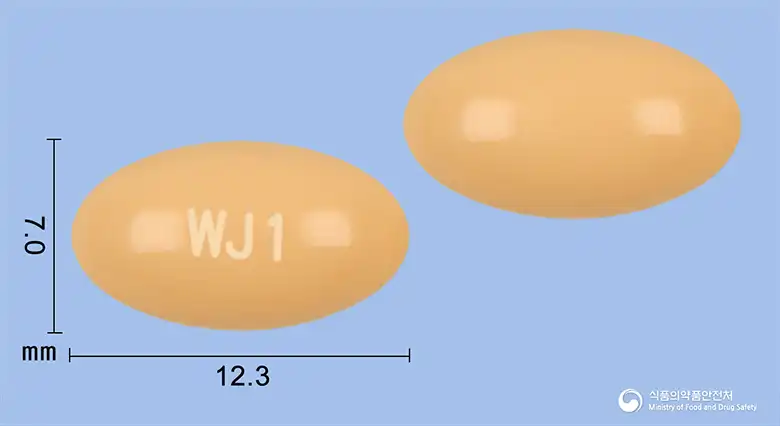
Brown oval soft capsules containing colorless to transparent or light yellow oily solution.
30 capsules/box [(10 capsules/PTP)X3], 60 capsules/box [(10 capsules/PTP)X6], 90 capsules/box [(10 capsules/PTP)X9]
Even with the same ingredient, strength, dosage form and how it is taken can differ.
Alfacalcidol 1μg
Soft capsule · OTC medication
Mothers Pharmaceutical Co., Ltd.
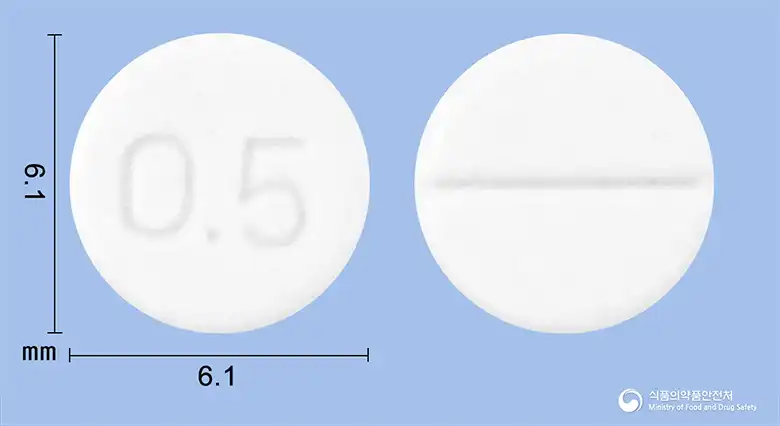
Alfacalcidol 0.5μg
Tablet · OTC medication
Il Sung I.S. Corporation
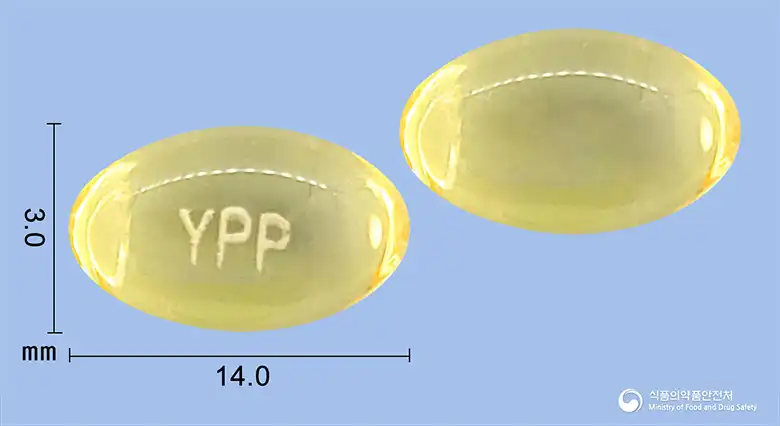
Alfacalcidol 0.5μg
Soft capsule · OTC medication
Youngpoong Pharmaceutical Co., Ltd.
Alfacalcidol 0.5μg
Soft capsule · OTC medication
Anguk Pharmaceutical Co., Ltd.
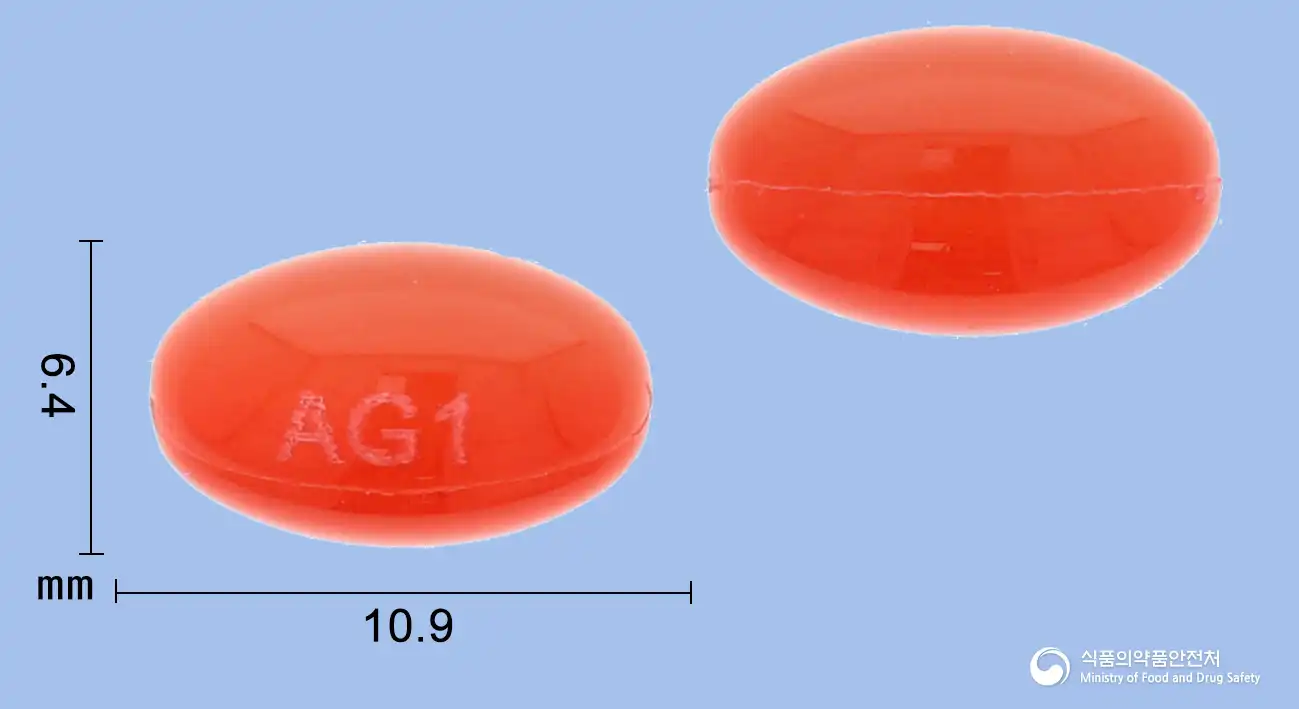
Alfacalcidol 1μg
Soft capsule · OTC medication
Ahn-Gook Pharmaceutical Co., Ltd.
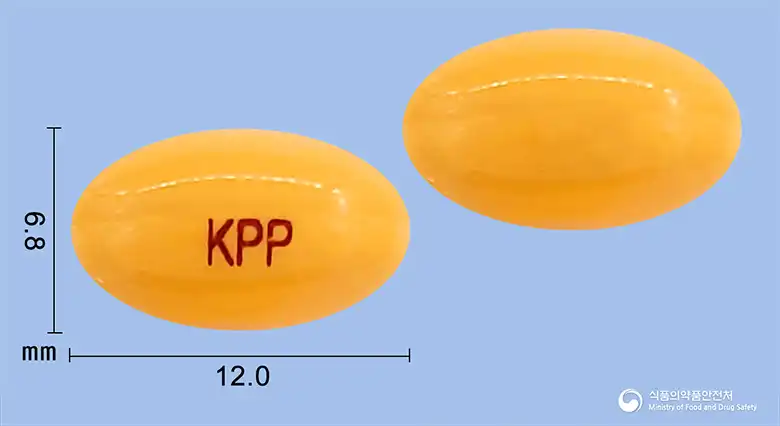
Alfacalcidol 1μg
Soft capsule · OTC medication
Korea Prime Pharmaceutical Co., Ltd.
Alfacalcidol 0.5μg
Soft capsule · OTC medication
Shinil Pharmaceutical Co., Ltd.
Alfacalcidol 0.5μg
Soft capsule · OTC medication
Austin Pharmaceutical Co., Ltd.
Even with the same ingredient, the dose and directions can differ by strength and dosage form. Talk to a doctor or pharmacist before switching from a medication you are already taking.
No questions yet.
For anything that needs medical judgment, consult a doctor or pharmacist.
This drug information is based on data provided by the Korea Ministry of Food and Drug Safety.
Consult a doctor or pharmacist for accurate dosage, administration, and usage instructions.