
 한국어
한국어 English
 日本語
日本語 中文(简体)
 Viewing nowCombination
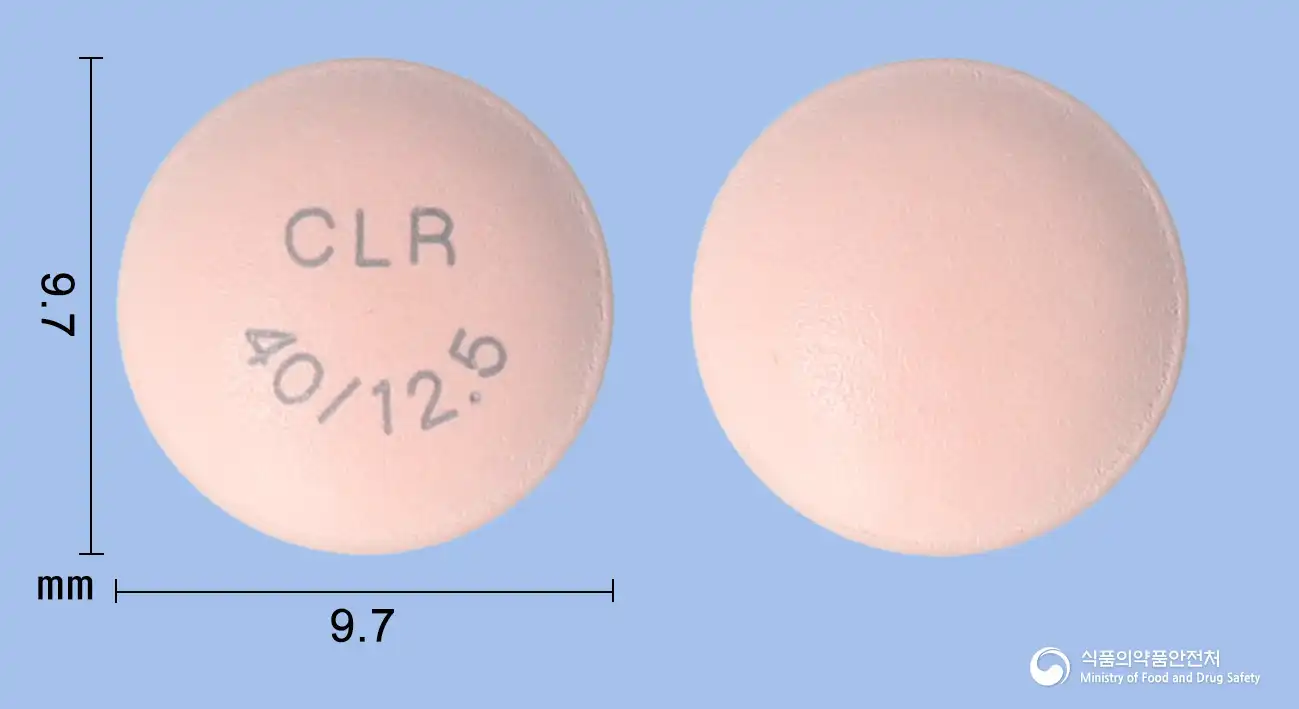
Idalbi Clopidogrel 40/12.5mg (Azilsartan Medoxomil Potassium, Chlorthalidone)
Potassium Azilsartan Medoxomil 42.68mg · Chlorthalidone 12.5mg
Tablet · Prescription medication · Combination
Celltrion Pharmaceutical Co., Ltd.
MFDS item code 202400975 · Approved 2024.04.25
Improvement of blood pressure control in essential hypertension and Stage 2 hypertension
This medication is used primarily in patients with essential hypertension who do not achieve adequate blood pressure control with monotherapy using Azilsartan Medoxomil. It is also used as an initial therapy for Stage 2 hypertension patients who require combination therapy to reach their target blood pressure. In other words, it effectively works to control blood pressure stably.
The recommended initial dose is 40/12.5 mg once daily and should be taken with water, regardless of meals. If necessary, the dose may be increased up to 40/25 mg after 2-4 weeks. Doses exceeding 40/25 mg are not useful. In cases where blood pressure is not adequately controlled, it is possible to consider switching to this medication after adjusting the dose using Azilsartan Medoxomil monotherapy; the recommended initial dose is 40/12.5 mg once daily.
Safety and efficacy in pediatric patients and adolescents under 18 years of age have not been established.
This drug can cause serious harm to the fetus and newborn, especially during the second and third trimesters of pregnancy, so it should be discontinued immediately if pregnancy is confirmed. Patients with impaired liver function or progressive liver disease may easily disrupt their body's fluid and electrolyte balance, so caution is needed as there is a risk of hepatic encephalopathy. Severe renal disease patients can experience azotemia due to the diuretic component of this drug, and there is a risk of drug accumulation in the body, so caution should be exercised in its use. This drug should not be used in patients who are allergic to this drug or its components, in those who are hypersensitive to certain diuretics, in pregnant or nursing women, in patients with anuria, and in patients with severe liver or kidney impairment. Patients with electrolyte imbalance in the blood, gout, Addison's disease, those undergoing lithium therapy, and patients with certain heart diseases should also be cautioned. In patients with very low blood pressure or reduced blood volume, hypotension may occur, so their condition should be carefully checked before administration, and appropriate measures should be taken if hypotension occurs. Since this drug can affect kidney function, patients with weak kidney function should routinely check their renal function and electrolyte levels through blood tests. Due to the diuretic component, hypokalemia, hyponatremia, and hypercalcemia can occur, thus electrolyte status should be frequently examined in the blood. Patients who need blood sugar control may experience changes in blood sugar levels while taking this drug, so adjustments to diabetes medications may be necessary. This medication may cause dizziness or drowsiness while driving or operating machinery, so caution is advised. There may be interactions when taken concomitantly with other drugs, especially with lithium, potassium-sparing diuretics, and non-steroidal anti-inflammatory drugs (NSAIDs), so should be taken under the supervision of a healthcare professional. It is best to avoid this medication during pregnancy or breastfeeding, and especially during breastfeeding, alternative treatments should be considered for the baby's safety. In case of overdose, symptoms such as hypotension, dizziness, and electrolyte imbalance may occur, and immediate medical attention should be sought, followed by appropriate treatment. This drug should be stored in its original packaging, away from light and moisture, and kept out of reach of children, avoiding transfer to other containers.
Not everyone experiences these, and they can vary from person to person.
This medication should be stored in a container that does not allow light and airflow, at room temperature between 1 to 30 degrees Celsius. It is also important to store it in a place away from high humidity.
Light red, biconvex, round film-coated tablets
28 tablets/PTP [(14 tablets * 2ea)]
Even with the same ingredient, strength, dosage form and how it is taken can differ.
Viewing nowCombinationPotassium Azilsartan Medoxomil 42.68mg · Chlorthalidone 12.5mg
Tablet · Prescription medication · Combination
Celltrion Pharmaceutical Co., Ltd.
Potassium Azilsartan Medoxomil 42.68mg · Chlorthalidone 12.5mg
Tablet · Prescription medication · Combination
Celltrion Pharmaceutical Co., Ltd.
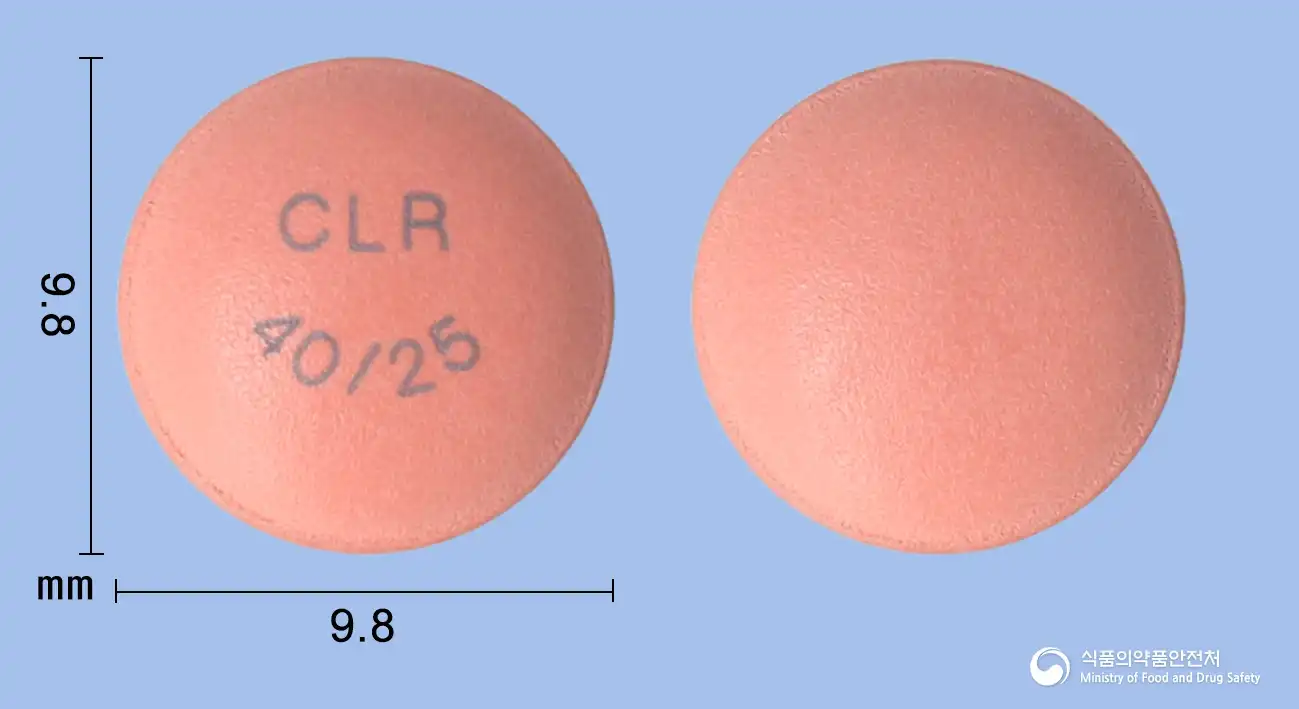
Potassium Azilsartan Medoxomil 42.68mg · Chlorthalidone 25mg
Tablet · Prescription medication · Combination
Celltrion Pharmaceutical Co., Ltd.
 Combination
Potassium Azilsartan Medoxomil 42.68mg · Chlorthalidone 25mg
Tablet · Prescription medication · Combination
Celltrion Pharmaceutical Co., Ltd.
Even with the same ingredient, the dose and directions can differ by strength and dosage form. Talk to a doctor or pharmacist before switching from a medication you are already taking.
No questions yet.
For anything that needs medical judgment, consult a doctor or pharmacist.
This drug information is based on data provided by the Korea Ministry of Food and Drug Safety.
Consult a doctor or pharmacist for accurate dosage, administration, and usage instructions.