
 한국어
 English
 日本語
 中文(简体)
Dosage form image
Viewing nowAcyclin Injection 250 mg (Acyclovir)
Acyclovir 250mg
Prescription medication
Daewoong Bio Co., Ltd.
MFDS item code 202400839 · Approved 2024.04.12
Treatment and prevention of herpes simplex (genital herpes, encephalitis, etc.) and treatment of herpes zoster
This medication is used to treat severe primary genital herpes, recurrent varicella zoster virus infections, and herpes simplex encephalitis in patients with normal immune function. It is also effective in the treatment and prevention of herpes simplex virus infections, primary and recurrent varicella zoster virus infections, and herpes simplex encephalitis in immunocompromised patients. Therefore, this drug is used to manage various herpes virus infection diseases.
At each administration, slowly infuse the injection intravenously over at least 1 hour. A treatment duration of 5 days is appropriate, but may be adjusted according to the patient's symptoms and healing status. Herpes simplex encephalitis is usually treated for 10 days. 1) Herpes simplex infections: In patients with normal or impaired immune function, administer acyclovir 5mg/kg every 8 hours. 2) Recurrent varicella-zoster virus infections: In patients with normal immune function, administer this medicine 5mg/kg every 8 hours. 3) Initial and recurrent varicella-zoster virus infections: In immunocompromised patients, administer this medicine 10mg/kg every 8 hours. 4) Herpes simplex encephalitis: In patients with normal or impaired immune function, administer this medicine 10mg/kg every 8 hours. 5) Prevention of herpes simplex virus infections in immunocompromised patients: Consider this when oral administration is not possible; determine the duration of administration according to the period of risk of infection. 6) Intravenous administration of acyclovir based on actual body weight in obese patients may increase plasma concentrations. Therefore, dose reduction should be considered in obese patients, especially those with renal impairment or elderly patients. Creatinine clearance (mL/min) 25~50: Administer the recommended dose for the relevant indication above every 12 hours Creatinine clearance (mL/min) 10~25: Administer the recommended dose for the relevant indication above every 24 hours Creatinine clearance (mL/min) 0 (anuria)~10: For patients receiving peritoneal dialysis, administer half the recommended dose (2.5 or 5mg/kg) every 24 hours. For patients receiving hemodialysis, administer half the recommended dose (2.5 or 5mg/kg) every 24 hours and after dialysis. Administer 1 vial (acyclovir 250mg/10mL) intravenously using an infusion pump that allows the infusion rate to be controlled, or dilute and administer by intravenous infusion. When administering intravenously using an infusion pump, administer the acyclovir 25mg/mL solution undiluted over at least 1 hour. When diluting for intravenous infusion, the acyclovir concentration must be 0.5%w/v or less. Dilute a vial containing 250mg in at least 50mL of solution and administer over at least 1 hour. The following infusion solutions may be used for dilution; the mixture is stable for 12 hours at room temperature (15~25℃). 0.45%w/v or 0.9%w/v sodium chloride injection for infusion Mixture of 0.18%w/v sodium chloride injection and 4%w/v glucose for infusion Mixture of 0.45%w/v sodium chloride injection and 2.5%w/v glucose for infusion Compound sodium lactate solution (Hartmann's solution) for infusion After adding this medicine to the infusion solution, shake the mixture to ensure it is thoroughly mixed. If cloudiness or crystals are visible in the solution before or during infusion, discard the mixture; do not refrigerate the solution.
The dose for children (3 months to 12 years) is calculated according to body surface area and administered as for adults. For herpes simplex (excluding herpes simplex encephalitis) or varicella-zoster virus infections: administer 250mg per ㎡ of body surface area every 8 hours. The dose for children (3 months to 12 years) is calculated according to body surface area and administered as for adults. For immunocompromised children with varicella-zoster infection or herpes simplex encephalitis: if renal function is normal, administer 500mg per ㎡ of body surface area every 8 hours. For pediatric patients with renal impairment, adjust the dose appropriately according to the degree of impairment.
This medication should not be used in patients who have had an allergic reaction to this drug, its components, or valacyclovir. Patients with impaired kidney function should be cautious when using this drug as they are at a higher risk of experiencing adverse effects on the neurological system. Patients with liver dysfunction should use this drug with caution, as it may worsen liver function. Infants and children should be especially careful when using this drug, and it is advisable to administer the minimum dose only when necessary. Elderly patients may have decreased kidney function, leading to increased drug concentration and potential side effects; therefore, dose and administration intervals should be adjusted. Anaphylactic shock or severe allergic reactions may rarely occur during administration; if symptoms such as drop in blood pressure, breathing difficulties, or chest tightness occur, administration should be stopped immediately, and appropriate treatment sought. Skin rashes, fever, blisters, urticaria, and other hypersensitivity reactions may arise; if these symptoms appear, administration should be halted and treatment received. Alopecia, severe skin conditions (Stevens-Johnson syndrome, toxic epidermal necrolysis) may rarely occur, so any abnormal symptoms should be reported immediately. Altered consciousness, hallucinations, seizures, anxiety, dizziness, and other neurological symptoms may appear; if these symptoms occur, the dosage should be reduced or administration should be stopped. Acute renal failure or urinary abnormalities such as hematuria and proteinuria may occur, so careful observation is necessary. Hepatitis, jaundice, and elevated liver function tests may occur; regular liver function tests should be performed, and administration should be stopped if abnormalities are detected. Various side effects like blood abnormalities, gastrointestinal disturbances, cardiac rhythm disturbances, arthralgia, myalgia, dysuria, edema, and fever have been reported; any concerning symptoms should be reported immediately. This drug is most effective when administered early, especially during high-dose treatment, where adequate hydration is necessary to prevent dehydration and reduce renal toxicity risk. There may be interactions with other medications when used concurrently, so it is imperative to inform the healthcare provider of any medications being taken. Pregnant women or those who may become pregnant should use this medication cautiously, and breastfeeding should be discontinued during treatment for safety. Overdose may lead to coma, seizures, and renal failure; if overdose is suspected, immediate medical treatment should be sought. This medication should be administered slowly as an intravenous drip; rapid intravenous administration may cause kidney damage. Injection sites should be well observed for possible venous pain or inflammation. This drug should preferably not be mixed with other medications during administration and must be prepared appropriately during compounding.
Not everyone experiences these, and they can vary from person to person.
This drug should be stored in a sealed container to avoid contact with air and kept at a cool temperature below 25 degrees Celsius. By doing this, the drug's efficacy can be maintained longer and degradation can be prevented.
A clear, colorless or pale yellow liquid contained in a colorless and transparent vial.
1 vial/box (10 milliliters/vial), 10 vials/box (10 milliliters/vial)
Even with the same ingredient, strength, dosage form and how it is taken can differ.
Acyclovir 250mg
Prescription medication
Daewoong Bio Co., Ltd.
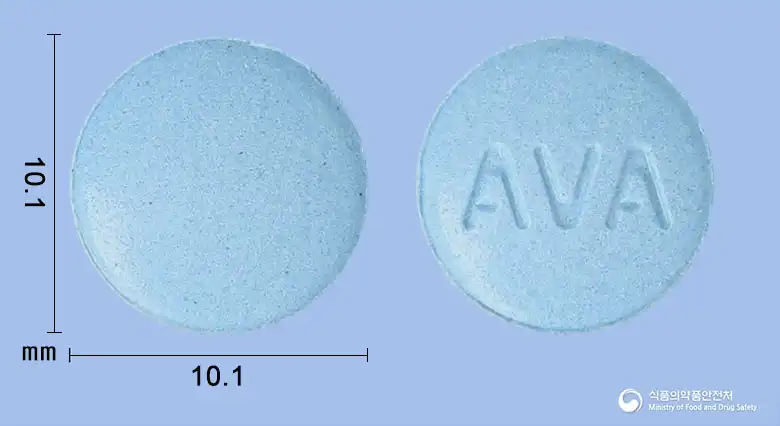
Acyclovir 200mg
Tablet · Prescription medication
Kyung dong Pharm Co., Ltd.

Acyclovir 200mg
Tablet · Prescription medication
SK Chemicals Co., Ltd.
Acyclovir
Prescription medication
Baskan Biopharmaceutical Co., Ltd.
Acyclovir 50mg
Cream · OTC medication
Dongkwang Pharmaceutical Co., Ltd.
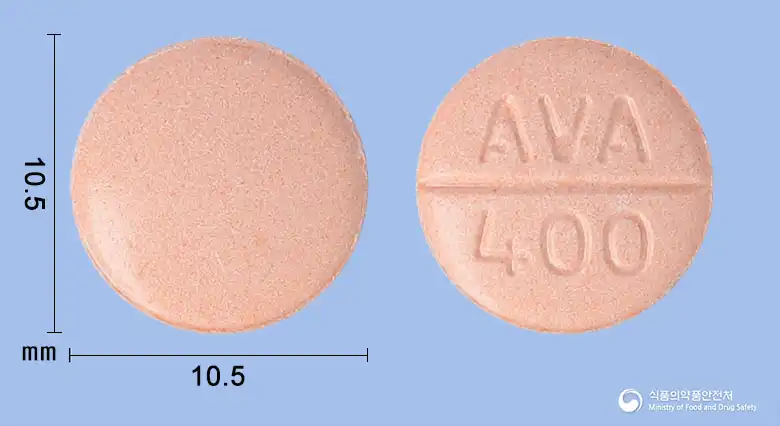
Acyclovir 400mg
Tablet · Prescription medication
Kyung dong Pharm Co., Ltd.
Acyclovir 50mg
Cream · OTC medication
Kyungdong Pharmaceutical Co., Ltd.
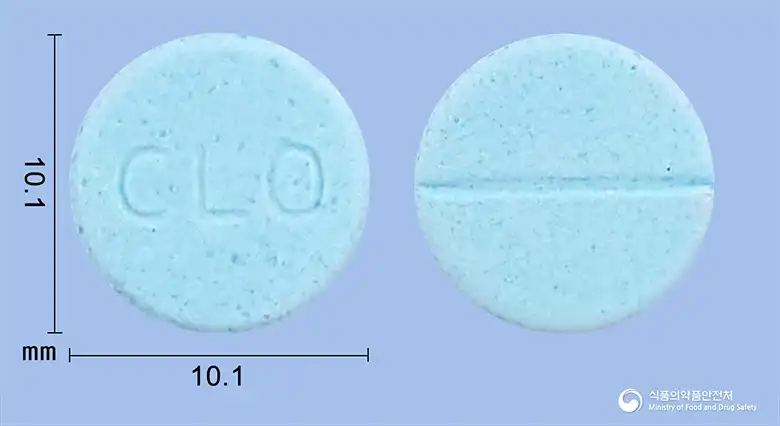
Acyclovir 200mg
Tablet · Prescription medication
Vivozon Pharmaceutical Co., Ltd.
Even with the same ingredient, the dose and directions can differ by strength and dosage form. Talk to a doctor or pharmacist before switching from a medication you are already taking.
No questions yet.
For anything that needs medical judgment, consult a doctor or pharmacist.
This drug information is based on data provided by the Korea Ministry of Food and Drug Safety.
Consult a doctor or pharmacist for accurate dosage, administration, and usage instructions.