
 한국어
한국어 English
 日本語
日本語 中文(简体)
 Viewing nowCombination
Prinoz ES Tablet
Acetaminophen 400mg · Pseudoephedrine Hydrochloride 30mg +1 more
Tablet · OTC medication · Combination
Il Yang Pharmaceutical Co., Ltd.
MFDS item code 202400648 · Notified 2024.03.26
Relief of cold symptoms (runny nose, nasal congestion, etc.)
This medication is used to relieve various symptoms of a cold, including runny nose, nasal congestion, sneezing, sore throat, chills, fever, headache, joint pain, and muscle pain.
Aged 15 years and older: 1 tablet once, 3 times a day after meals for 30 minutes.
Ages 11 years and older to under 15 years: 1 tablet once, 2 times a day, or 2 tablets once, 1 time a day after meals for 30 minutes. Ages 8 years and older to under 11 years: 1 tablet once a day after meals for 30 minutes.
This medication may cause liver damage if taken by individuals who regularly consume more than three alcoholic drinks per day, so consultation with a doctor or pharmacist is essential. The acetaminophen component included in this medication may rarely cause serious skin reactions, therefore, if any rashes or hypersensitivity symptoms occur, the intake should be stopped immediately. The maximum daily dosage of acetaminophen is 4,000 mg; care must be taken not to exceed this dosage, and it should not be taken with other products containing acetaminophen. Additionally, as it contains pseudoephedrine, which may cause severe skin adverse reactions, if symptoms such as fever, red spots, or blisters appear, the intake should be stopped and a specialist should be consulted. This medication should not be taken by individuals with a history of specific allergic reactions or asthma, infants under 3 months, individuals currently taking or who have stopped taking MAO inhibitors within the last two weeks, individuals with genetic disorders like lactose intolerance, and individuals with severe hypertension or kidney disease. Do not take medications that include expectorants, cough syrups, other cold medicines, antipyretic analgesics, sedatives, or antihistamines simultaneously. Children with chickenpox or suspected influenza, those with allergic tendencies, liver, kidney or heart disease, elderly people, and women who are pregnant or breastfeeding must consult a specialist before intake. If symptoms such as rash, itching, nausea, vomiting, swelling, dizziness, or insomnia occur during treatment, discontinue immediately and consult a physician. In particular, seek immediate medical help in the event of anaphylactic shock, Stevens-Johnson syndrome, liver dysfunction, interstitial pneumonia, severe headache, or confusion. Children under 2 years old should not take this medication, and if necessary, a doctor's examination is required. Follow the dosage and administration instructions precisely and do not use for extended periods; adult supervision is necessary for children during intake. Avoid alcohol during treatment, and since drowsiness may occur, refrain from driving or operating machinery. Concomitant use with certain antibiotics such as flucloxacillin may cause high anion gap metabolic acidosis, so caution is advised, and if abnormal symptoms are suspected, discontinue use immediately. When stored, keep out of reach of children, avoid direct sunlight, and store in a cool, dry place in a tightly closed container. Do not transfer to other containers and be careful to use correctly.
Rash, redness (hyperemia), itching, nausea, vomiting, loss of appetite, constipation, swelling (edema), difficulty urinating, thirst (persistent or severe), dizziness, anxiety, tremor, insomnia, high anion gap metabolic acidosis (HAGMA)
Not everyone experiences these, and they can vary from person to person.
Do not take this medication if you are taking MAO inhibitors used for the treatment of depression and Parkinson's disease, or if you have stopped taking them within the last two weeks. Do not take oral medications that contain expectorants, other cold medicines, antipyretic analgesics, sedatives, or antihistamines. If you are receiving medications for diabetes, gout, arthritis, anticoagulants, or steroids, consult your doctor or pharmacist.
Do not consume alcohol while taking this medication.
This medication should be stored in a tightly sealed container to prevent air from entering, and it is safe to keep it at room temperature between 1°C and 30°C. Storing it this way helps maintain the medication's effectiveness and prevents degradation.
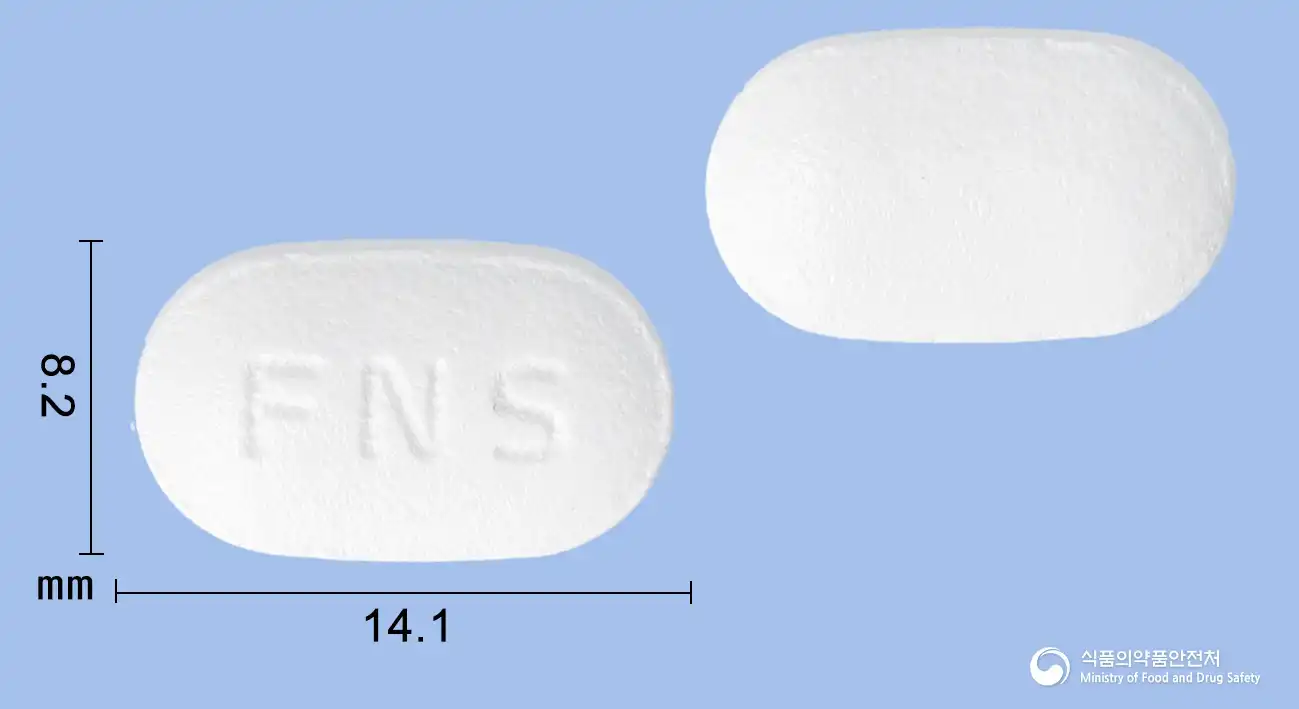
White oval film-coated tablet
10 tablets / PTP
Even with the same ingredient, strength, dosage form and how it is taken can differ.
Viewing nowCombinationAcetaminophen 400mg · Pseudoephedrine Hydrochloride 30mg +1 more
Tablet · OTC medication · Combination
Il Yang Pharmaceutical Co., Ltd.
Acetaminophen 500mg · Pseudoephedrine Hydrochloride 30mg +1 more
Tablet · OTC medication · Combination
Aprogen Biologics Co., Ltd.
 Combination
Acetaminophen 325mg · Pseudoephedrine Hydrochloride 30mg +1 more
Tablet · OTC medication · Combination
Taeguk Pharmaceutical Co., Ltd.
Acetaminophen 500mg · Pseudoephedrine Hydrochloride 30mg +1 more
Tablet · OTC medication · Combination
IlYang Pharmaceutical Co., Ltd.
Acetaminophen 500mg · Pseudoephedrine Hydrochloride 30mg +1 more
Tablet · OTC medication · Combination
Myungmoon Pharmaceutical Co., Ltd.
Acetaminophen · Chlorpheniramine Maleate +1 more
OTC medication · Combination
RP Bio Co., Ltd.
Acetaminophen 500mg · Pseudoephedrine Hydrochloride 30mg +1 more
Tablet · OTC medication · Combination
Daehwa Pharmaceutical Co., Ltd.
Acetaminophen 500mg · Pseudoephedrine Hydrochloride 30mg +1 more
OTC medication · Combination
Allico Pharmaceutical Co., Ltd.
Even with the same ingredient, the dose and directions can differ by strength and dosage form. Talk to a doctor or pharmacist before switching from a medication you are already taking.
QIs it okay for a 10-year-old child to take it?
Answers 1 · 2026.09.14
For anything that needs medical judgment, consult a doctor or pharmacist.
This drug information is based on data provided by the Korea Ministry of Food and Drug Safety.
Consult a doctor or pharmacist for accurate dosage, administration, and usage instructions.