Improvement in blood sugar control for type 2 diabetes
Who takes it
Adults
Adult dose
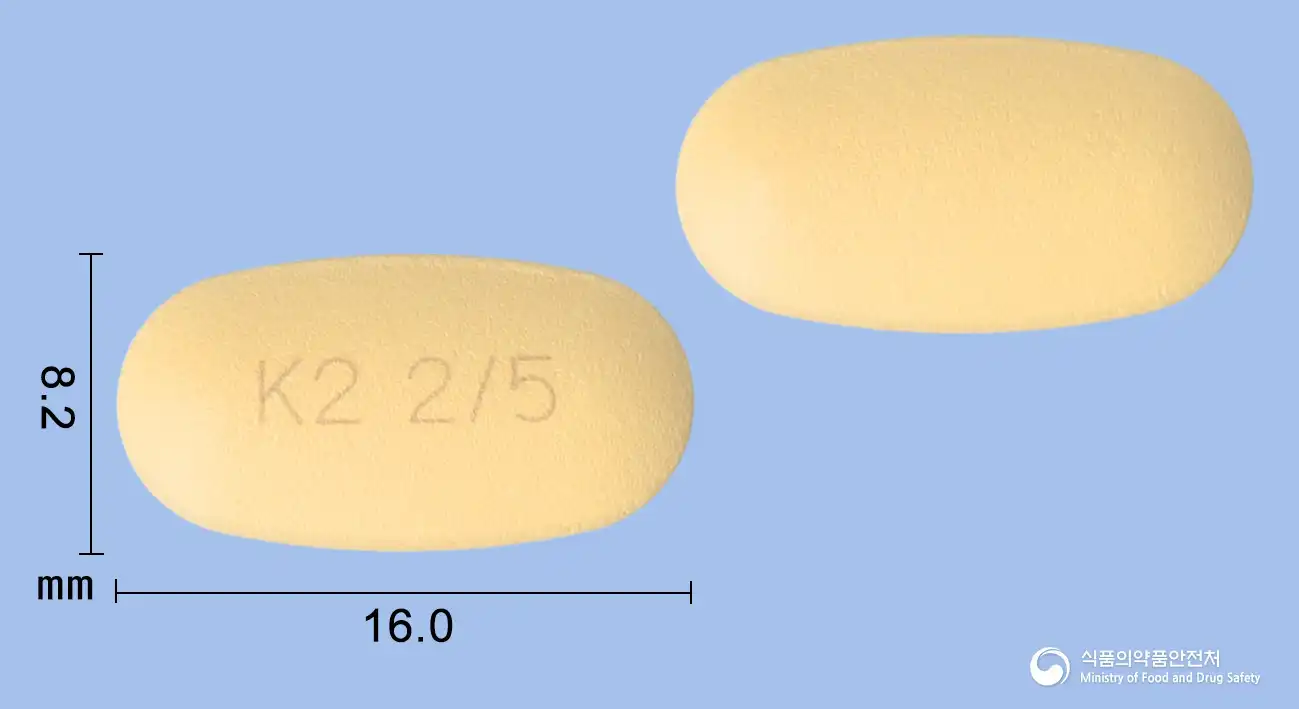
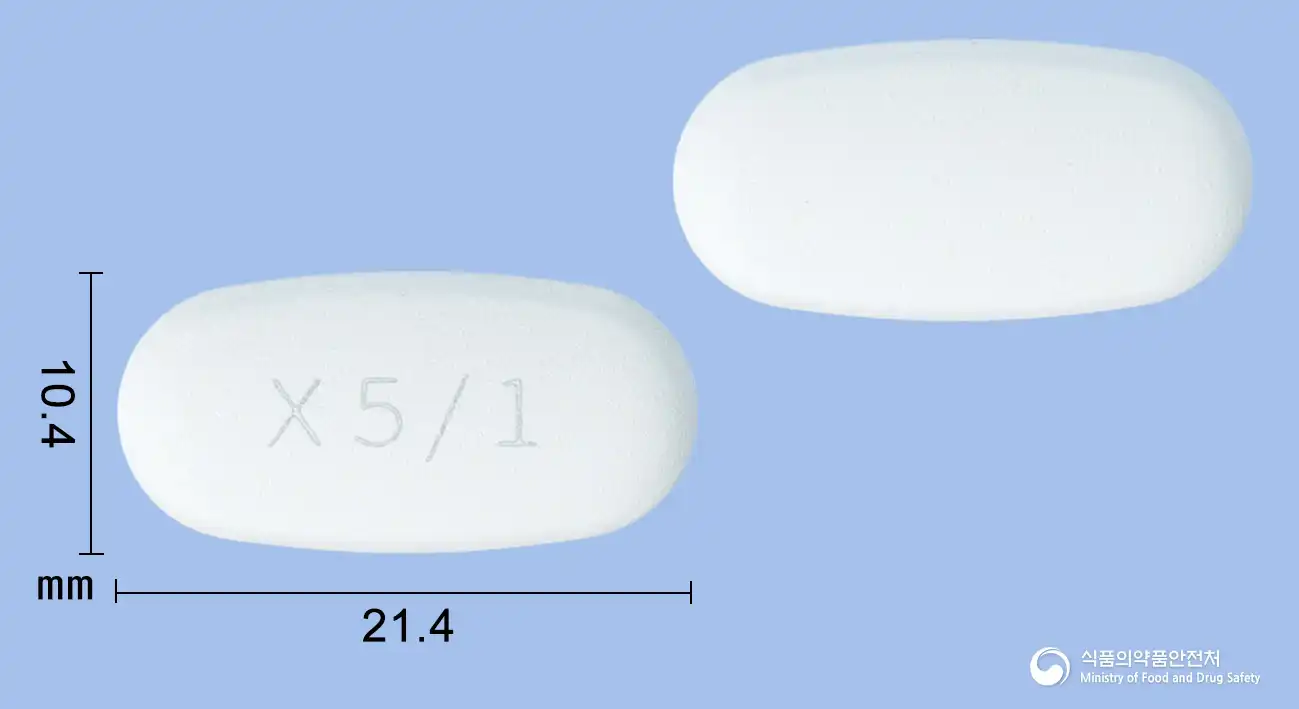
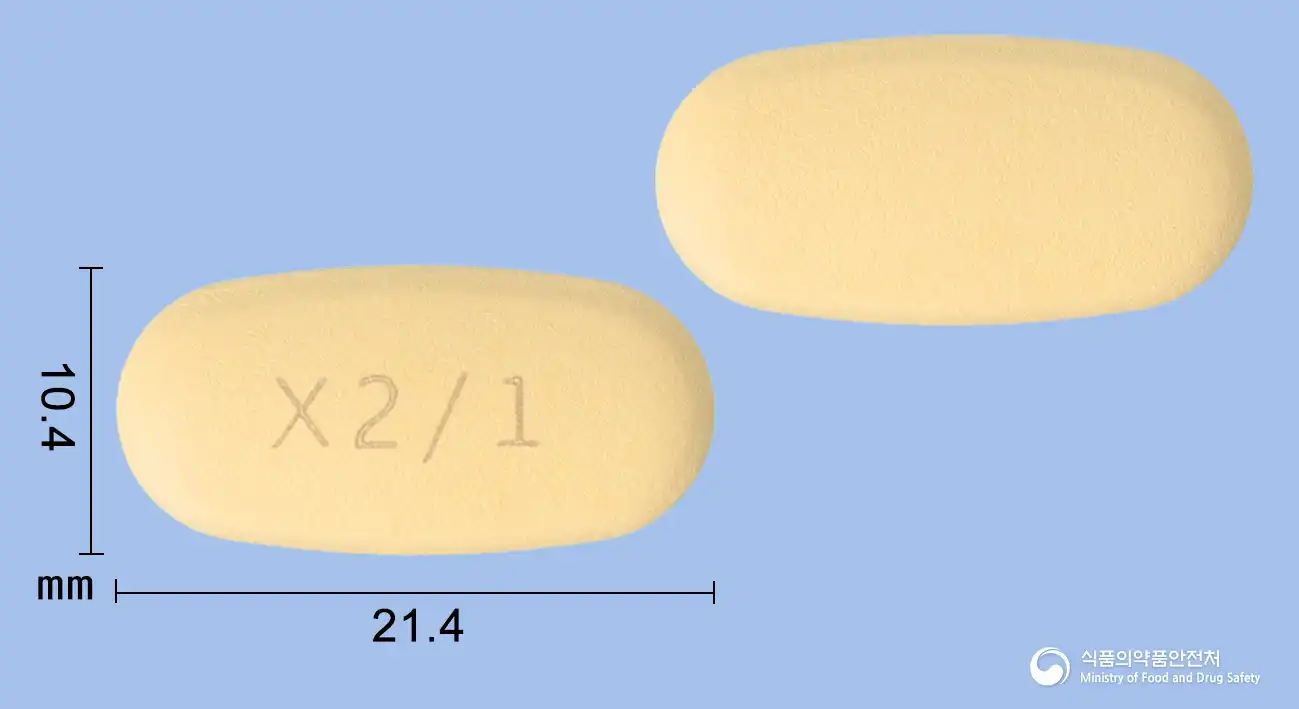
This medication should be taken once a day with meals, preferably with the evening meal. The 5/1000 mg extended-release tablet is taken once daily, 1 tablet at a time. Patients taking the 2.5/1000 mg extended-release tablet should take 2 tablets at once, once daily. If not currently treated with metformin, the initial total daily dose is 5 mg of linagliptin and 1000 mg of metformin hydrochloride.
Improvement in blood sugar control for type 2 diabetes
View approved original textHide original text
This medication helps control blood sugar levels in patients with type 2 diabetes by combining linagliptin and metformin. Taking it in conjunction with meals and exercise enhances its effectiveness. It helps stabilize blood sugar levels, reducing the risk of complications related to diabetes. Regular use can assist in maintaining healthy blood sugar management. This medication improves blood sugar control in type 2 diabetes patients.
How to take
Adult dose
This medication should be taken once a day with meals, preferably with the evening meal. The 5/1000 mg extended-release tablet is taken once daily, 1 tablet at a time. Patients taking the 2.5/1000 mg extended-release tablet should take 2 tablets at once, once daily. If not currently treated with metformin, the initial total daily dose is 5 mg of linagliptin and 1000 mg of metformin hydrochloride.
Precautions
This medication consists of two main ingredients that mainly assist with blood sugar control. However, there is a risk of rare but serious lactic acidosis, so caution is necessary.
This medication should not be used in certain patients. For example, it should not be administered to individuals with an allergy to this medication or any of its components, those with type 1 diabetes, severe kidney dysfunction, severe liver dysfunction, acute infection, or acute myocardial infarction.
Additionally, patients who are acutely or chronically alcohol intoxicated, those in very poor nutritional states, patients with acute and unstable heart failure, and pregnant women who may pose a risk to the fetus should avoid this medication.
When administering this medication, it is important to pay attention to symptoms of hypoglycemia. The risk of hypoglycemia may increase, especially when taken with insulin or sulfonylureas, so blood sugar levels should be monitored frequently and doses adjusted as necessary.
Lactic acidosis is very rare but can be fatal, so if symptoms such as sudden abdominal pain, muscle weakness, breathing difficulties, or lethargy appear, immediate consultation with medical personnel is necessary.
Patients with decreased kidney function may have difficulty excreting this medication, increasing the risk of side effects, so renal function tests should be conducted regularly before and during treatment, and this medication should not be used if kidney function falls below a certain level.
Patients with poor cardiac function or heart failure should also use this medication with caution, and cardiac status should be monitored regularly.
When intravenous iodinated contrast agents used in radiological examinations are administered, they may affect kidney function and increase the risk of side effects from this medication, so it is advisable to discontinue this medication for a certain period before and after the examination.
In cases of surgery, this medication should be discontinued 48 hours prior to surgery and should only be resumed after renal function has recovered post-surgery.
During treatment with this medication, acute pancreatitis or vesicular skin diseases may occur, so if persistent severe abdominal pain or skin abnormalities arise, notify a doctor immediately.
The metformin component can interfere with vitamin B12 absorption, thus regular testing for vitamin B12 deficiency during long-term use is advisable.
This medication should not be crushed or chewed but should be swallowed whole, and it is normal for the tablet coating to be excreted in feces.
Due to potential drug interactions, especially with medications that affect kidney function or blood sugar control, patients should inform medical personnel and take precautionary measures.
Use of this medication is not recommended during pregnancy or while breastfeeding, and if planning to become pregnant, appropriate treatment options should be discussed with a healthcare professional.
For the safety of children, this medication should be stored out of reach of children and in a dry place.
In case of overdose, serious side effects such as lactic acidosis may occur, necessitating immediate medical treatment.
Side effects and when to seek care immediately
Serious side effects
Hives
angioedema
lactic acidosis
pancreatitis
erythema multiforme
chest tightness
difficulty breathing
respiratory distress
asthma attacks
peeling skin
Show 12 moreCollapse
pain in oral/ocular mucosa
severe rash with fever
cold sweat
pallor
severe swelling (edema)
jaundice (yellowing of skin or eyes)
profound lethargy
sudden and severe headaches
thunderclap headaches
seizures
altered consciousness
visual disturbances
Mild side effects
Hypoglycemia
taste disturbances
cough
decreased appetite
diarrhea
constipation
nausea
vomiting
abdominal pain
oral ulcers
Show 20 moreCollapse
liver function abnormalities
hepatitis
itching
erythema
rash
severe joint pain with disability
increased lipase
increased amylase
nasopharyngitis
hypersensitivity
angioedema
abnormal vitamin B12 absorption tests
increased blood creatinine
headaches
dizziness
stuttering
drowsiness
nosebleeds
oropharyngeal pain
voice disorders
Not everyone experiences these, and they can vary from person to person.
Storage
This medication should be stored in a tightly closed container to protect it from air and moisture, and it is best to keep it at room temperature between 1 to 30 degrees Celsius. Proper storage will help maintain the medication's effectiveness and safety.
Appearance and packaging
Appearance
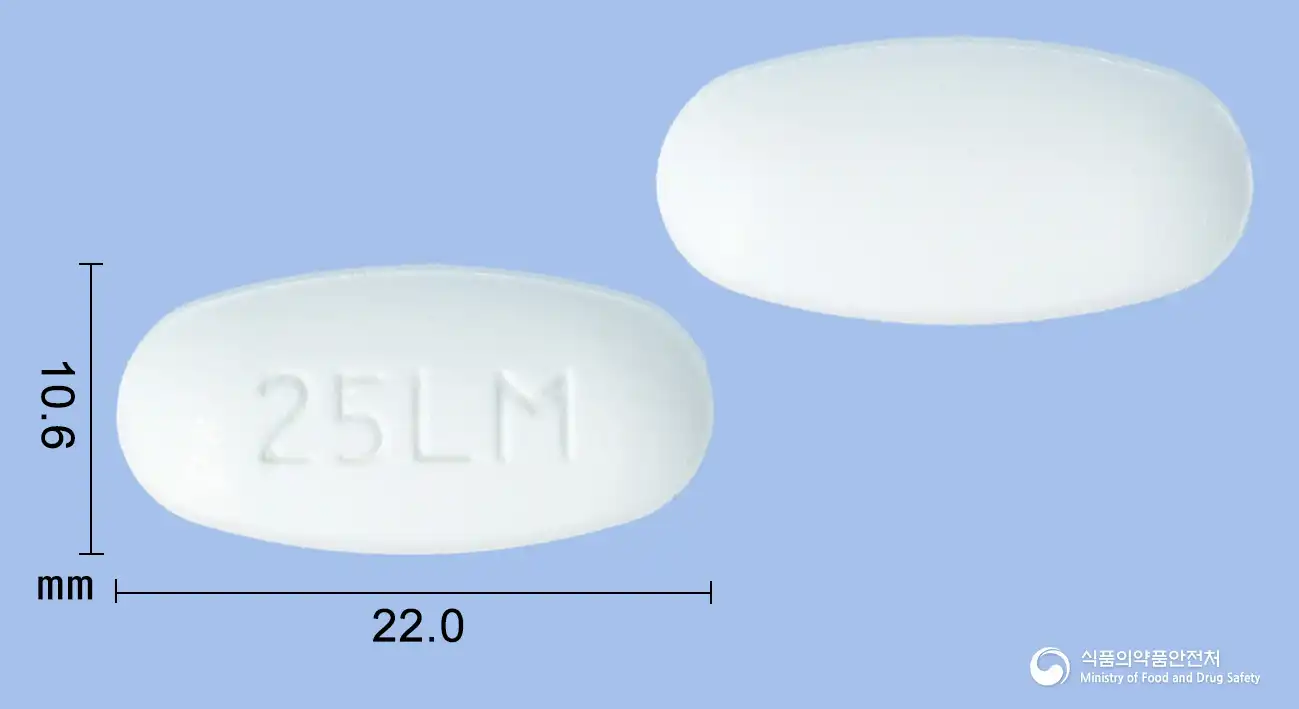
Oval extended-release tablet, white to nearly white with '25LM' engraved on one side
Package unit
28 tablets/box (7 tablets/PTP x 4)
Same-ingredient medicines
Even with the same ingredient, strength, dosage form and how it is taken can differ.
Even with the same ingredient, the dose and directions can differ by strength and dosage form. Talk to a doctor or pharmacist before switching from a medication you are already taking.
Questions about this medicine
No questions yet.
For anything that needs medical judgment, consult a doctor or pharmacist.
This drug information is based on data provided by the Korea Ministry of Food and Drug Safety. Consult a doctor or pharmacist for accurate dosage, administration, and usage instructions.

 한국어
한국어 English
 日本語
日本語 中文(简体)
 Viewing nowCombination