
 한국어
한국어 English
 日本語
日本語 中文(简体)
 Viewing nowCombination
Rinamax Sustained Release Tablet 5/1000 mg (Linagliptin, Metformin Hydrochloride)
Metformin Hydrochloride 1000mg · Linagliptin Micronized 5mg
Tablet · Prescription medication · Combination
Korea Prime Pharmaceutical Co., Ltd.
MFDS item code 202400612 · Approved 2024.03.22 · Insurance code 663608790
Improvement of blood sugar control in type 2 diabetes
This medication is used to help individuals with type 2 diabetes control their blood sugar levels. By administering linagliptin and metformin together, it complements dietary and exercise regimens to effectively manage blood glucose levels. This combination therapy aids in improving blood sugar control and has a positive impact on patients' diabetes management.
This medication should be taken once daily in the evening with meals. As a sustained release formulation, do not split, crush, chew, or break; swallow whole. For the 5/1000 mg sustained release tablet, take 1 tablet once daily. For the 2.5/1000 mg sustained release tablet, take 2 tablets once daily. 1. If using metformin for the first time, the initial dose is 5 mg of linagliptin and 1000 mg of metformin hydrochloride.
This medication can cause severe lactic acidosis or hypoglycemia, so immediate medical attention should be sought if these symptoms occur. Do not use this medication if you have an allergy to any of its components or have conditions such as type 1 diabetes, severe kidney dysfunction, liver dysfunction, or acute infections. Patients with impaired kidney function or the elderly should regularly monitor kidney function while using this medication, and dosage adjustments may be required if necessary. Caution is needed when taking this medication with sulfonylureas or insulin as the risk of hypoglycemia may increase, and blood sugar levels should be closely monitored. Acute pancreatitis or blistering skin lesions may occur, so if there is persistent severe abdominal pain or skin abnormalities, discontinue use and consult a doctor immediately. It is advisable to take this medication during or after meals to reduce gastrointestinal side effects. If pregnant or breastfeeding, it is recommended to avoid using this medication and consult a doctor if pregnancy is planned. This medication may interact with other drugs, so it is essential to inform your doctor or pharmacist of any current medications. If undergoing surgery or receiving iodinated contrast agents during radiological examinations, temporarily discontinue this medication and resume it only after kidney function stabilizes. This medication should be swallowed whole without chewing or breaking, and the tablet coating may be expelled in the stool, which is normal. Possible adverse reactions during treatment may include diarrhea, abdominal pain, nausea, vomiting, etc. Severely persistent symptoms should be discussed with a physician. Regular blood tests and kidney function tests during use of this medication are advisable for safety.
Not everyone experiences these, and they can vary from person to person.
This medication should be stored in a tightly closed container to protect it from air and moisture. Additionally, it is best kept at room temperature between 1°C and 30°C, avoiding excessively hot or cold environments.
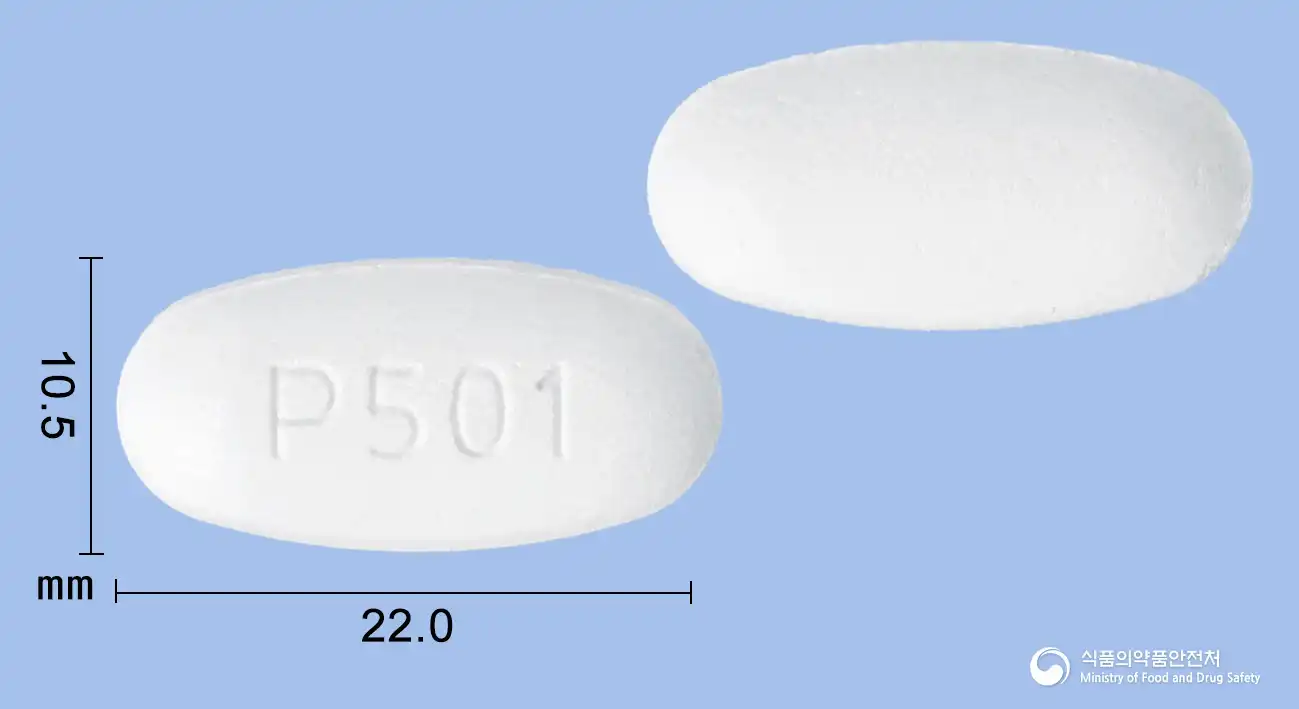
Oval-shaped sustained release tablet with P501 engraved on one side, white to almost white
28 tablets/box [7 tablets/PTP x 4], 30 tablets/bottle
Even with the same ingredient, strength, dosage form and how it is taken can differ.
Viewing nowCombinationMetformin Hydrochloride 1000mg · Linagliptin Micronized 5mg
Tablet · Prescription medication · Combination
Korea Prime Pharmaceutical Co., Ltd.
Linagliptin Micronized 2.5mg · Metformin Hydrochloride 1000mg
Tablet · Prescription medication · Combination
Samjin Pharmaceutical Co., Ltd.
Linagliptin Micronized 2.5mg · Metformin Hydrochloride 500mg
Tablet · Prescription medication · Combination
Samjin Pharmaceutical Co., Ltd.
Linagliptin Micronized 2.5mg · Metformin Hydrochloride 850mg
Tablet · Prescription medication · Combination
Samjin Pharmaceutical Co., Ltd.
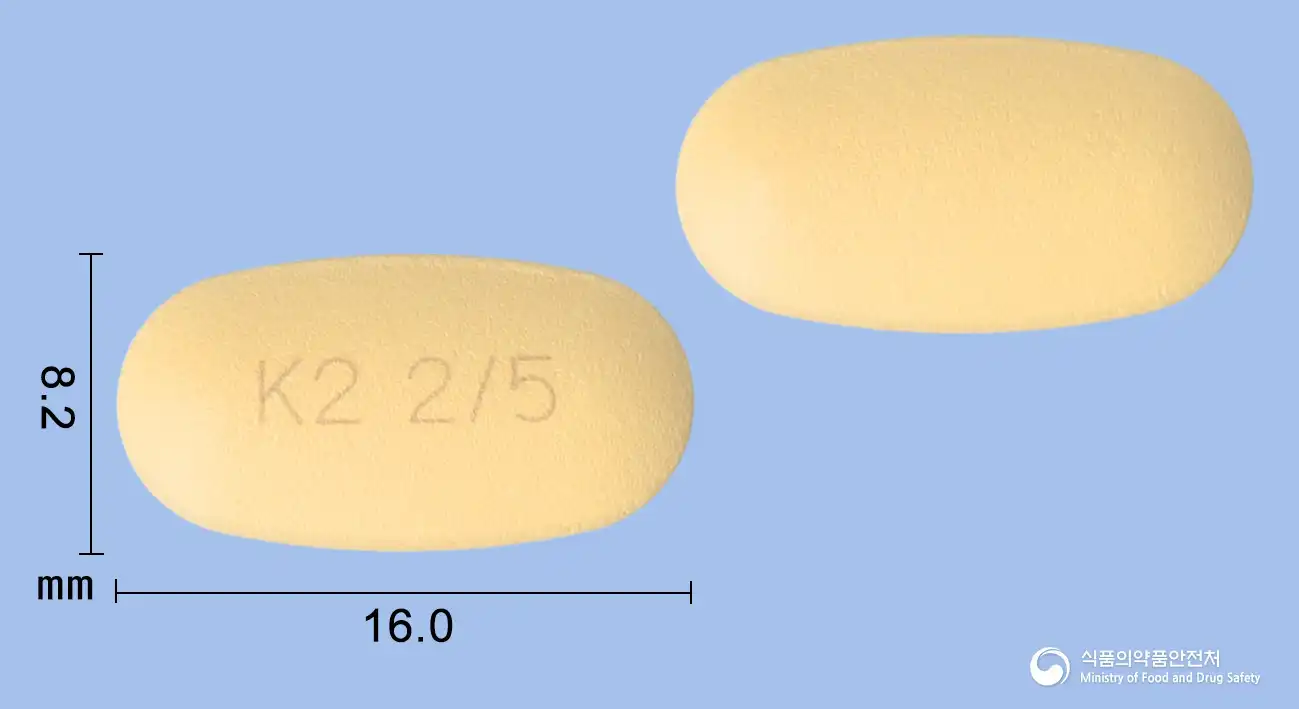 Combination
Linagliptin Micronized 2.5mg · Metformin Hydrochloride 500mg
Tablet · Prescription medication · Combination
Genewon Science Co., Ltd.
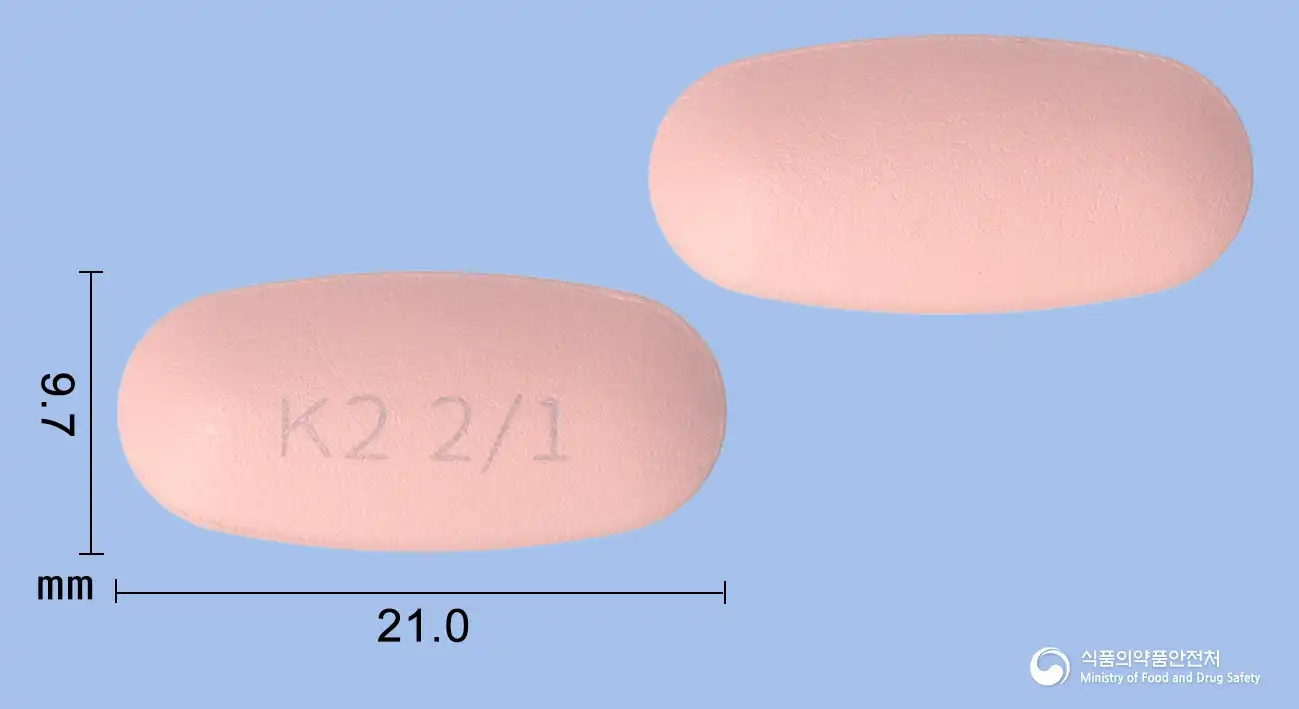 Combination
Linagliptin Micronized 2.5mg · Metformin Hydrochloride 1000mg
Tablet · Prescription medication · Combination
Genewon Science Co., Ltd.
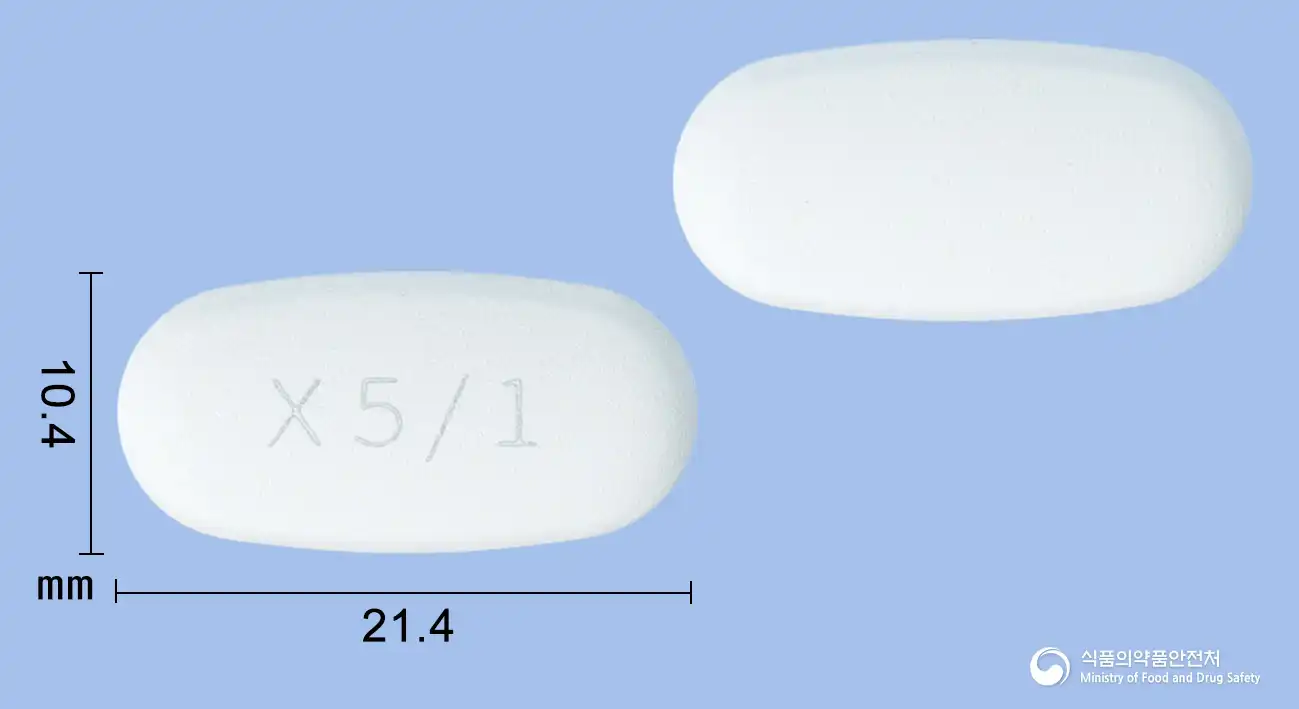 Combination
Linagliptin Micronized 5mg · Metformin Hydrochloride 1000mg
Tablet · Prescription medication · Combination
Genewon Science Co., Ltd.
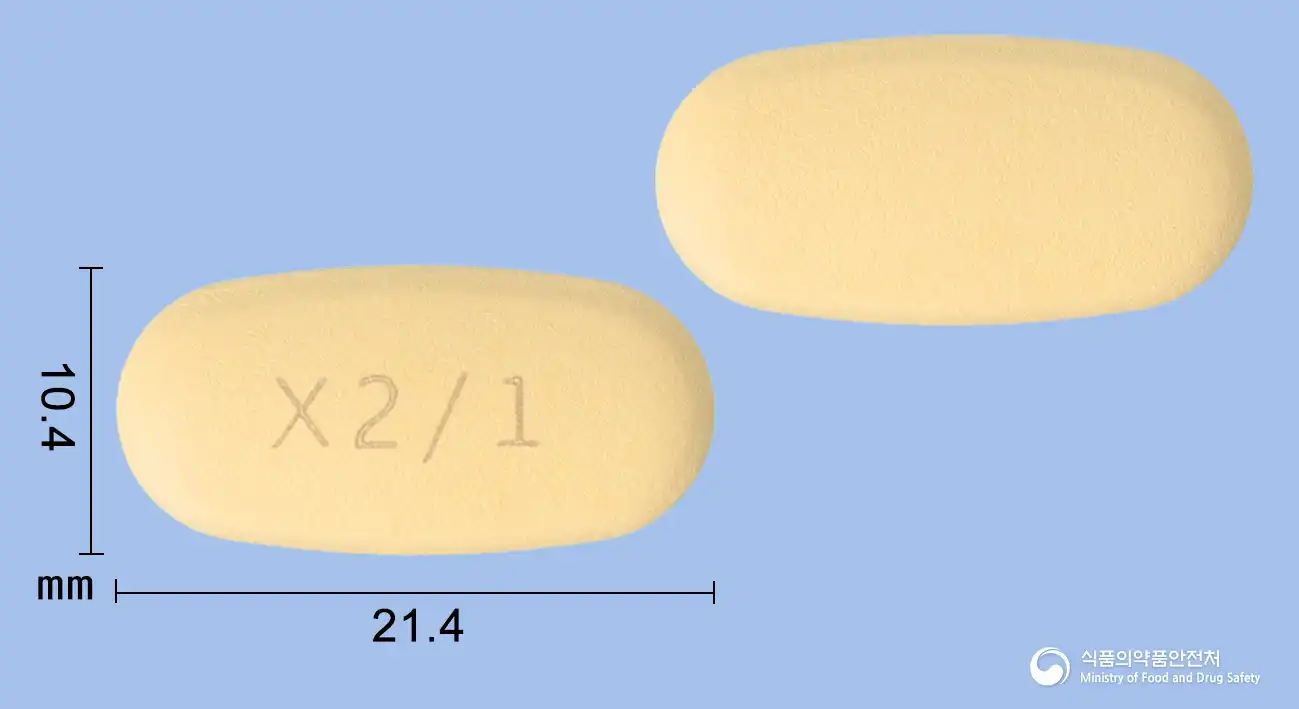 Combination
Linagliptin Micronized 2.5mg · Metformin Hydrochloride 1000mg
Tablet · Prescription medication · Combination
Genewon Science Co., Ltd.
Even with the same ingredient, the dose and directions can differ by strength and dosage form. Talk to a doctor or pharmacist before switching from a medication you are already taking.
No questions yet.
For anything that needs medical judgment, consult a doctor or pharmacist.
This drug information is based on data provided by the Korea Ministry of Food and Drug Safety.
Consult a doctor or pharmacist for accurate dosage, administration, and usage instructions.