
 한국어
한국어 English
 日本語
日本語 中文(简体)
 Viewing nowCombination
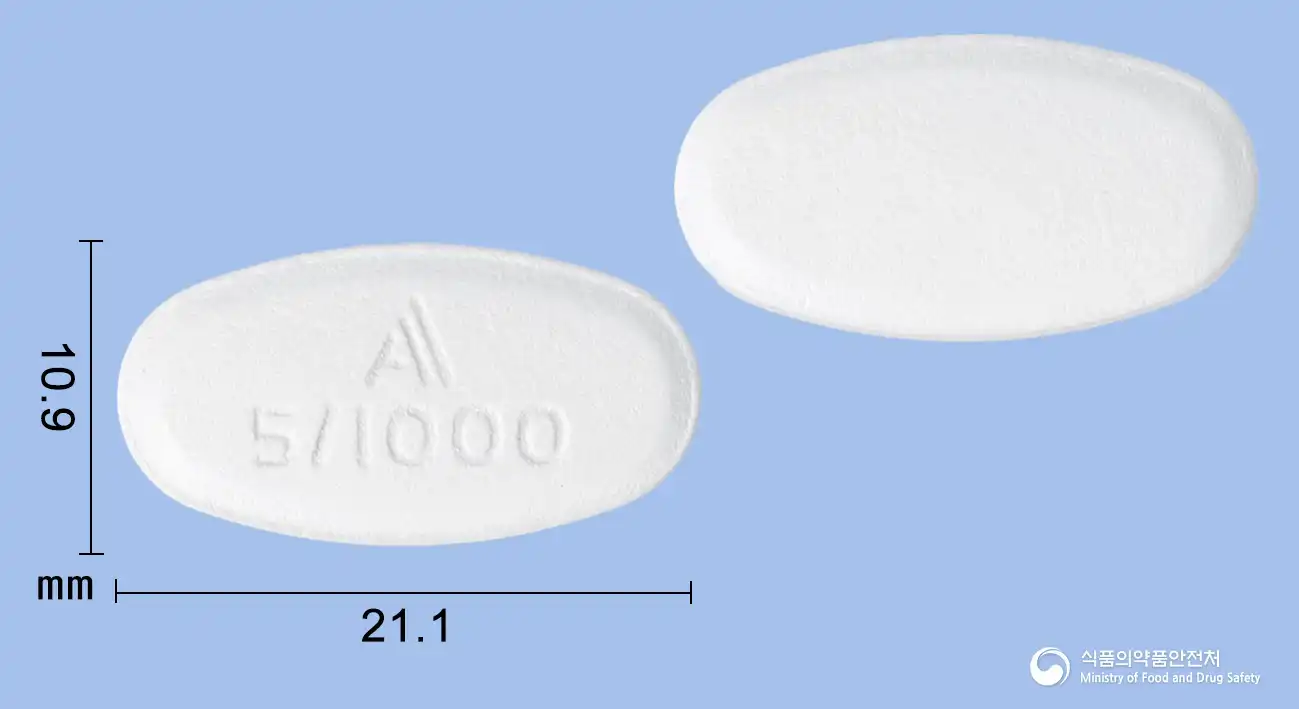
Rinacombi Sustained Release Tablet 5/1000 mg (Linagliptin, Metformin)
Metformin Hydrochloride 1000mg · Linagliptin Micronized 5mg
Tablet · Prescription medication · Combination
Aprogen Biologics, Co., Ltd.
MFDS item code 202400574 · Approved 2024.03.19 · Insurance code 645210910
Improvement in blood sugar control for type 2 diabetes
This medication helps improve blood sugar control in patients with type 2 diabetes who require a combination of linagliptin and metformin, supplementing dietary and exercise therapies.
Take this medication once a day with the evening meal. For the 5/1000 mg sustained-release tablet, take 1 tablet once daily. For the 2.5/1000 mg sustained-release tablet, take 2 tablets together once daily. If not currently being treated with metformin, the initial dosage is linagliptin 5 mg and metformin hydrochloride 1000 mg, with a maximum gradual increase up to 2000 mg. Met
This medication assists in blood sugar control, and one of its active ingredients, metformin, can rarely cause a dangerous condition called lactic acidosis. Lactic acidosis occurs when there is an excessive buildup of lactic acid in the body, and if not treated immediately, it can be life-threatening. This medication should not be used in certain patients. For instance, it should not be given to those who are allergic to this medication or its components, patients with type 1 diabetes, patients with severe kidney dysfunction, patients with acute infections or serious trauma, patients with liver dysfunction, patients suffering from acute alcohol intoxication, patients with severely poor nutritional status, or pregnant women. This medication may cause hypoglycemia, and caution should be exercised, especially when used in conjunction with other hypoglycemic agents or insulin. Additionally, if lactic acidosis is suspected, this medication should be stopped immediately and medical attention sought. Before treatment initiation and during treatment, kidney function should be regularly monitored; if kidney function is impaired, this medication should not be used. Patients with poor heart function should also use this medication with caution. When taking this medication, use of iodinated contrast media for radiological tests or surgeries should involve a temporary discontinuation prior, and the medication should be resumed only after normal kidney function is confirmed. Adverse reactions such as acute pancreatitis or vesicular skin disorders may occur during treatment, and if persistent abdominal pain or skin vesicles develop, the patient should inform their doctor immediately. Side effects of this medication may include gastrointestinal symptoms (abdominal pain, diarrhea, nausea, vomiting, etc.), hypoglycemia, skin rash, liver dysfunction, muscle pain, etc., and vitamin B12 deficiency may occur, so regular monitoring is required with prolonged use. This medication should be swallowed whole and not chewed or crushed, although the tablet coating may appear in the feces, which is normal. When taken with other medications, interactions may occur, thus careful management in accordance with a doctors instructions is necessary, especially with drugs affecting kidney function or hypoglycemic agents. It is generally advisable not to use this medication during pregnancy or breastfeeding, and its safety and efficacy in children have not been established. Elderly patients may have decreased kidney function, so dosage adjustments and regular monitoring of kidney function are required. In the event of an overdose, steps should be taken to ensure the drug is not fully absorbed from the gastrointestinal tract, and if necessary, treatment may involve dialysis to remove the drug. This medication should be stored out of reach of children, in a moisture-free environment, and not transferred to another container.
Urticaria, angioedema, lactic acidosis, pancreatitis, pemphigoid, chest tightness, difficulty breathing, asthma attacks, yellowing of the skin or eyes (jaundice), sudden and severe headache, seizures, confusion, visual disturbances, paralysis, significantly reduced urine output, severe swelling of the body with increased blood pressure, angioedema, severe allergic reactions, severe swelling or urinary changes, cardiac disorders (acute myocardial infarction, cardiac arrest)
Not everyone experiences these, and they can vary from person to person.
This medication should be stored in a tightly sealed container to prevent exposure to air or moisture. The recommended storage temperature is between 1 and 30 degrees Celsius.
White, oval, sustained-release film-coated tablet imprinted with AI 5/1000 on one side
28 tablets (7 tablets/PTPX4) / box, 30 tablets / bottle, 100 tablets / bottle
Even with the same ingredient, strength, dosage form and how it is taken can differ.
Viewing nowCombinationMetformin Hydrochloride 1000mg · Linagliptin Micronized 5mg
Tablet · Prescription medication · Combination
Aprogen Biologics, Co., Ltd.
Linagliptin Micronized 2.5mg · Metformin Hydrochloride 1000mg
Tablet · Prescription medication · Combination
Samjin Pharmaceutical Co., Ltd.
Linagliptin Micronized 2.5mg · Metformin Hydrochloride 500mg
Tablet · Prescription medication · Combination
Samjin Pharmaceutical Co., Ltd.
Linagliptin Micronized 2.5mg · Metformin Hydrochloride 850mg
Tablet · Prescription medication · Combination
Samjin Pharmaceutical Co., Ltd.
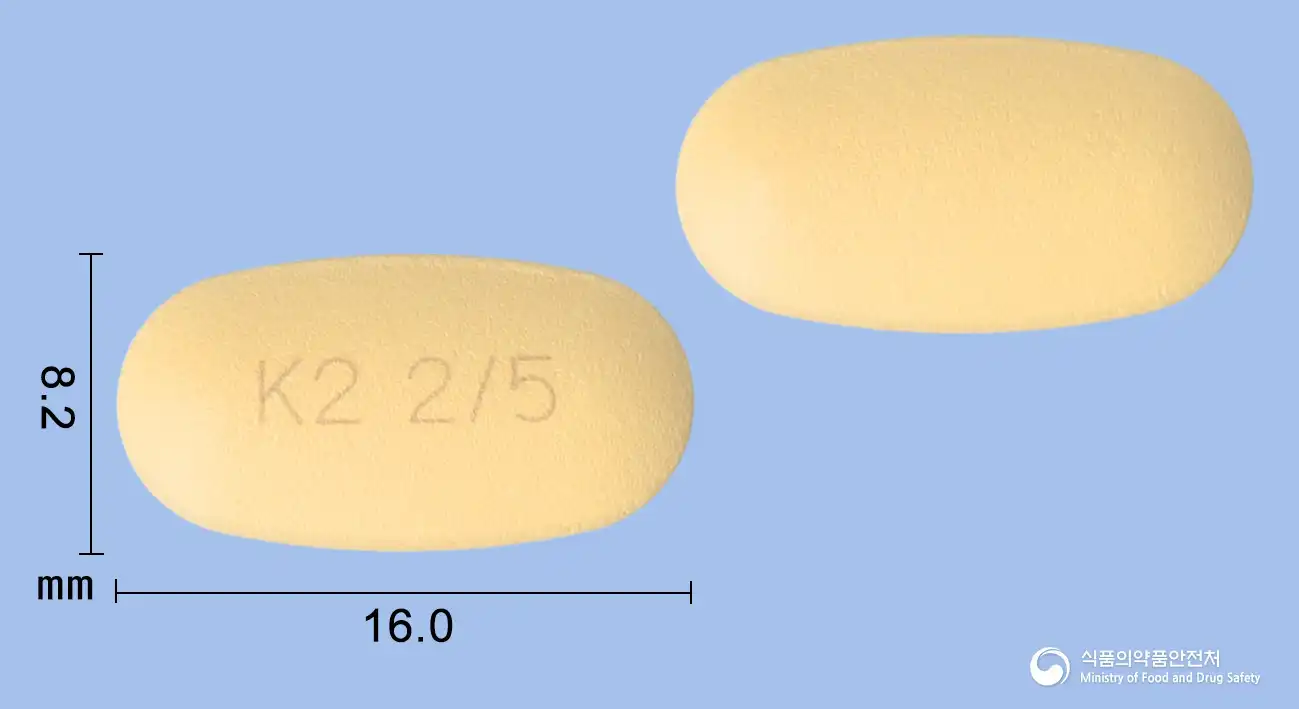 Combination
Linagliptin Micronized 2.5mg · Metformin Hydrochloride 500mg
Tablet · Prescription medication · Combination
Genewon Science Co., Ltd.
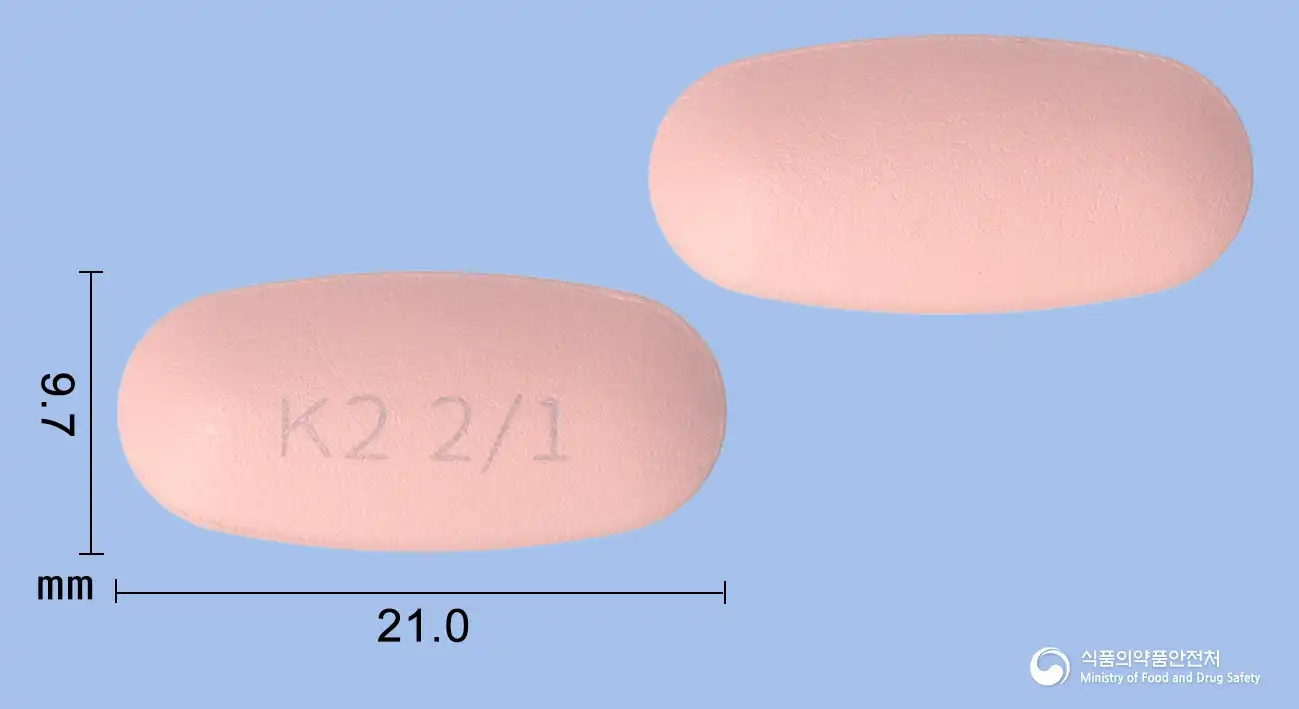 Combination
Linagliptin Micronized 2.5mg · Metformin Hydrochloride 1000mg
Tablet · Prescription medication · Combination
Genewon Science Co., Ltd.
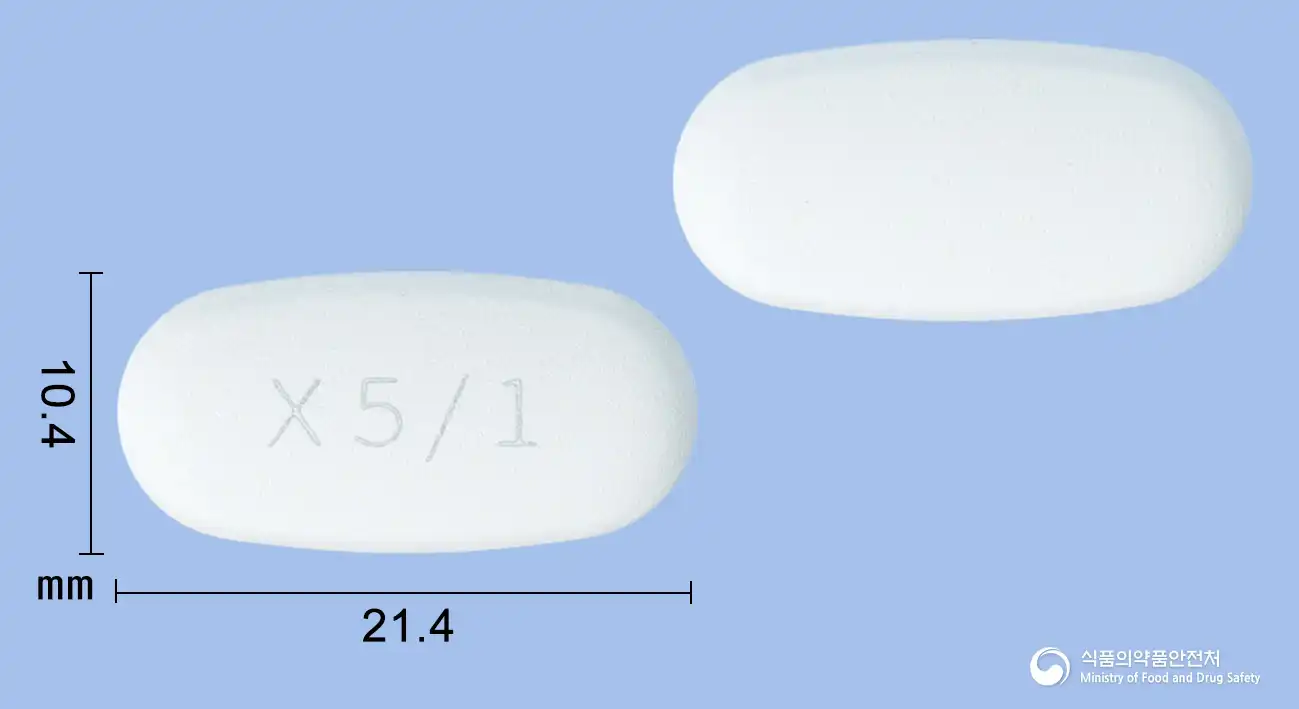 Combination
Linagliptin Micronized 5mg · Metformin Hydrochloride 1000mg
Tablet · Prescription medication · Combination
Genewon Science Co., Ltd.
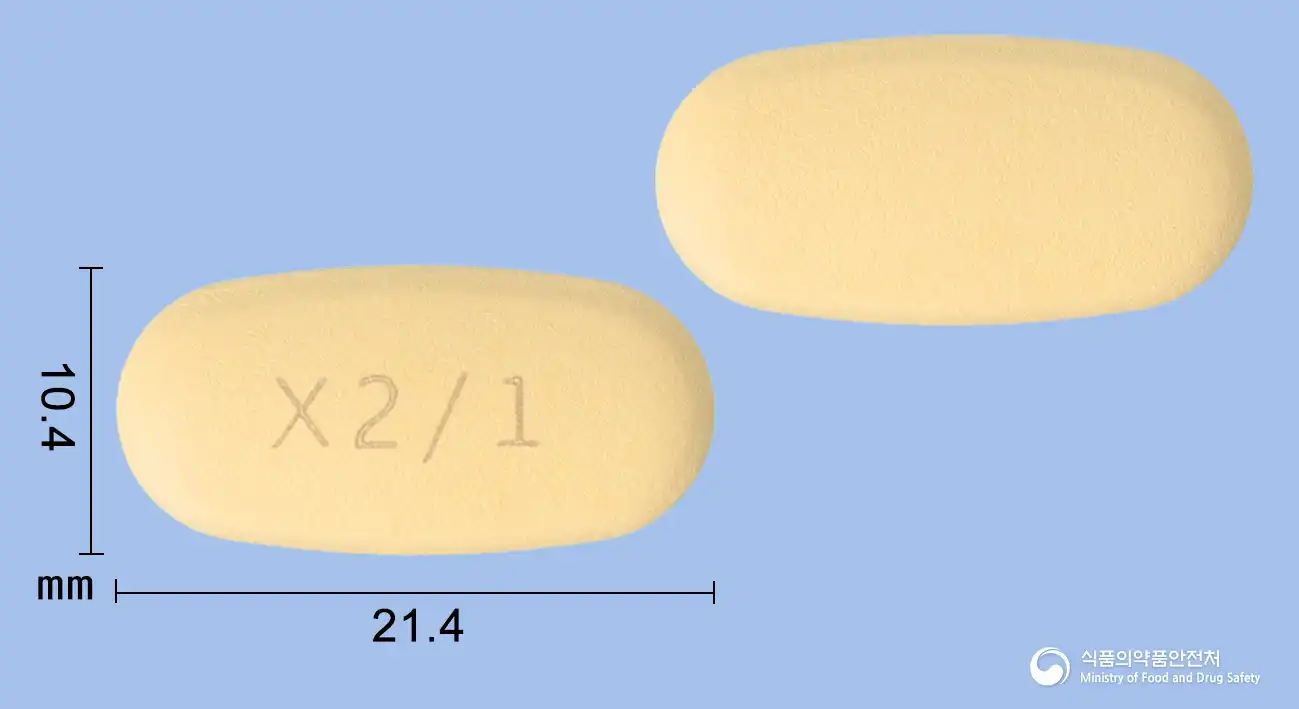 Combination
Linagliptin Micronized 2.5mg · Metformin Hydrochloride 1000mg
Tablet · Prescription medication · Combination
Genewon Science Co., Ltd.
Even with the same ingredient, the dose and directions can differ by strength and dosage form. Talk to a doctor or pharmacist before switching from a medication you are already taking.
No questions yet.
For anything that needs medical judgment, consult a doctor or pharmacist.
This drug information is based on data provided by the Korea Ministry of Food and Drug Safety.
Consult a doctor or pharmacist for accurate dosage, administration, and usage instructions.