
 한국어
한국어 English
 日本語
日本語 中文(简体)
 Viewing nowCombination
Newjenta CR Tablets (Linagliptin, Metformin)
Metformin Hydrochloride 1000mg · Linagliptin Micronized 5mg
Tablet · Prescription medication · Combination
Korea United Pharmaceutical Co., Ltd.
MFDS item code 202400470 · Approved 2024.03.05 · Insurance code 644309770
Improvement in blood sugar control for type 2 diabetes
This medication is used in conjunction with dietary and exercise therapy to help control blood sugar levels in patients with type 2 diabetes. The ingredients Linagliptin and Metformin work together to effectively lower and regulate blood sugar levels. Regular intake will greatly assist in improving blood sugar management.
One tablet containing 5 mg of Linagliptin and 1000 mg of Metformin Hydrochloride (sustained release) can be administered once daily with a meal. To reduce gastrointestinal side effects caused by Metformin, it is recommended to take this medication with dinner. To maintain the sustained-release properties, the tablet should be swallowed whole and should not be split, crushed, ground, or chewed. The medication may be inadequately dissolved and excreted in the stool. It is unknown whether the active ingredient is present in the stools. If a patient repeatedly reports finding this medication in their stool, healthcare providers should assess if blood sugar is being adequately controlled (refer to prescribing precautions, section 5. General Precautions). Special Groups: Impaired Kidney Function: Dosage adjustments are necessary according to kidney function, hence periodic assessment of kidney function before and after administration is recommended. For patients with mild renal impairment [creatinine clearance (CrCl) ≧ 60 mL/min or estimated glomerular filtration rate (eGFR) ≧ 60 mL/min/1.73 m2], dosage adjustment is not necessary. In cases of moderate renal impairment (CKD stage 3A), where CrCl is between 45 mL/min and 60 mL/min or eGFR is between 45 mL/min/1.73 m2 and 60 mL/min/1.73 m2, Metformin Hydrochloride can be used with adjusted dosages, provided there are no symptoms that significantly increase the risk of lactic acidosis. The starting dosage of sustained release Metformin Hydrochloride is either 500 mg or 750 mg taken once daily, and initiation of therapy should not begin with this medication. The maximum daily dosage of Metformin Hydrochloride is 1000 mg. If CrCl falls below 45 mL/min or eGFR falls below 45 mL/min/1.73 m2, this medication should be discontinued immediately.
This medication can rarely cause severe lactic acidosis or hypoglycemia, so it should be used with caution. In particular, it should not be used in patients with severely impaired kidney function or liver dysfunction, or in cases of acute infection or dehydration. It is also unsafe for pregnant women or those with severe heart diseases such as congestive heart failure or acute myocardial infarction to take this medication. Patients should be vigilant for symptoms of hypoglycemia during treatment, and the risk of hypoglycemia may increase if used in conjunction with sulfonylureas or insulin. If symptoms of lactic acidosis such as muscle cramps, abdominal pain, or weakness occur, notify a doctor immediately, and the use of this medication should be determined based on kidney function. Additionally, if iodinated contrast agents are used during radiological examinations, this medication should be temporarily discontinued and resumed only after kidney function has recovered. Patients scheduled for surgery should stop taking this medication 48 hours prior to surgery and may restart it once kidney function has normalized post-operation. This medication should be swallowed whole without chewing or breaking it. It is normal for the outer coating of the tablet to appear in the stool. If symptoms suggestive of acute pancreatitis or blistering skin conditions arise during treatment, the patient should stop the medication immediately and consult a doctor. Long-term use may reduce vitamin B12 levels, so regular blood tests to monitor this are necessary. This medication may interact with other drugs, so it is essential to inform the doctor or pharmacist about any other medications being taken. Elderly patients are commonly at risk for reduced kidney function, so kidney function should be evaluated before administration and dosage adjustments may be necessary. Women who are pregnant or breastfeeding should avoid using this medication. In cases of overdose, there is a risk of lactic acidosis, and immediate medical attention is required. Keep out of reach of children, store in a moisture-free environment, and keep in the original container.
Hives, angioedema, chest tightness, difficulty breathing, lactic acidosis, pancreatitis, blistering dermatitis, liver function abnormalities (jaundice, hepatitis), angina pectoris, acute myocardial infarction, unstable angina, cardiac arrest, joint pain accompanied by severity and disability, acute kidney injury, end-stage renal disease, angioedema, shock, sepsis, asthma, respiratory distress, acute choledochitis, acute cholecystitis, cholangitis, angioedema, acid respiratory distress related to lactic acidosis, weakness, abdominal pain
Hypoglycemia, taste disturbance, cough, decreased appetite, diarrhea, constipation, nausea, vomiting, abdominal pain, oral ulcers, itching, erythema, rash, joint pain accompanied by severity and disability, abnormal vitamin B12 absorption test results, liver function abnormalities, hepatitis, increased serum triglycerides, elevated amylase, infections (e.g., rhinitis), hypersensitivity reactions, fatigue, headache, dizziness, drowsiness, insomnia, depression, anxiety, hypertension, lightheadedness, chest pain,
Not everyone experiences these, and they can vary from person to person.
This medication is sensitive to air and moisture, so it must be stored in a tightly sealed container. To maintain the drug's efficacy, it is important to store it at room temperature between 1°C and 30°C.
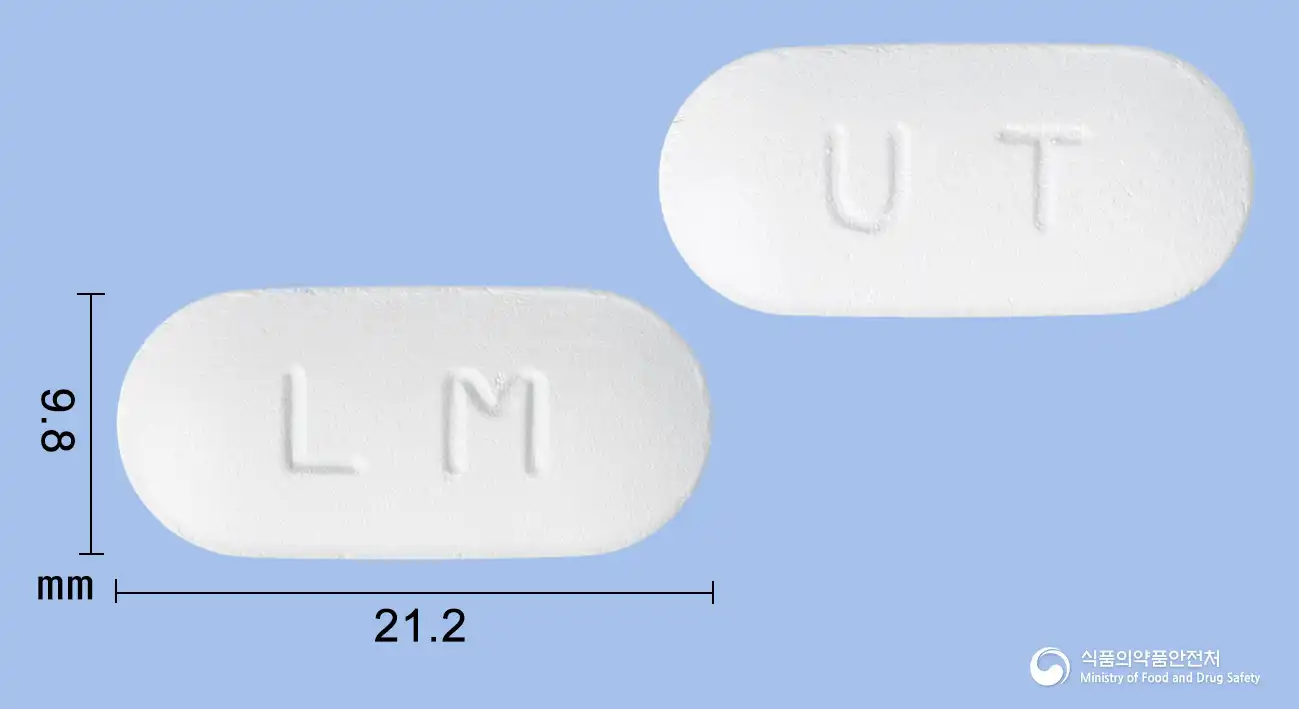
White, double-sided, convex, elongated, sustained-release film-coated tablet
60 tablets / box [10 tablets / PTP × 6]
Even with the same ingredient, strength, dosage form and how it is taken can differ.
Viewing nowCombinationMetformin Hydrochloride 1000mg · Linagliptin Micronized 5mg
Tablet · Prescription medication · Combination
Korea United Pharmaceutical Co., Ltd.
Linagliptin Micronized 2.5mg · Metformin Hydrochloride 1000mg
Tablet · Prescription medication · Combination
Samjin Pharmaceutical Co., Ltd.
Linagliptin Micronized 2.5mg · Metformin Hydrochloride 500mg
Tablet · Prescription medication · Combination
Samjin Pharmaceutical Co., Ltd.
Linagliptin Micronized 2.5mg · Metformin Hydrochloride 850mg
Tablet · Prescription medication · Combination
Samjin Pharmaceutical Co., Ltd.
 Combination
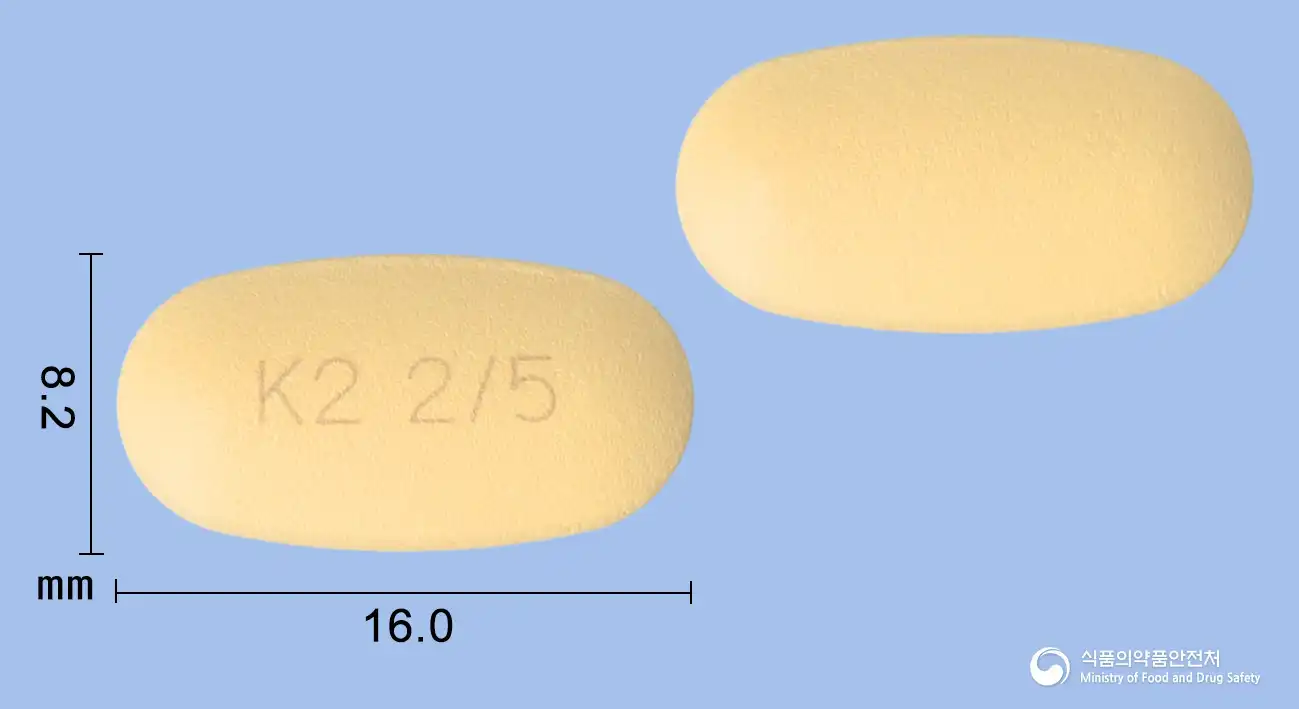
Linagliptin Micronized 2.5mg · Metformin Hydrochloride 500mg
Tablet · Prescription medication · Combination
Genewon Science Co., Ltd.
 Combination
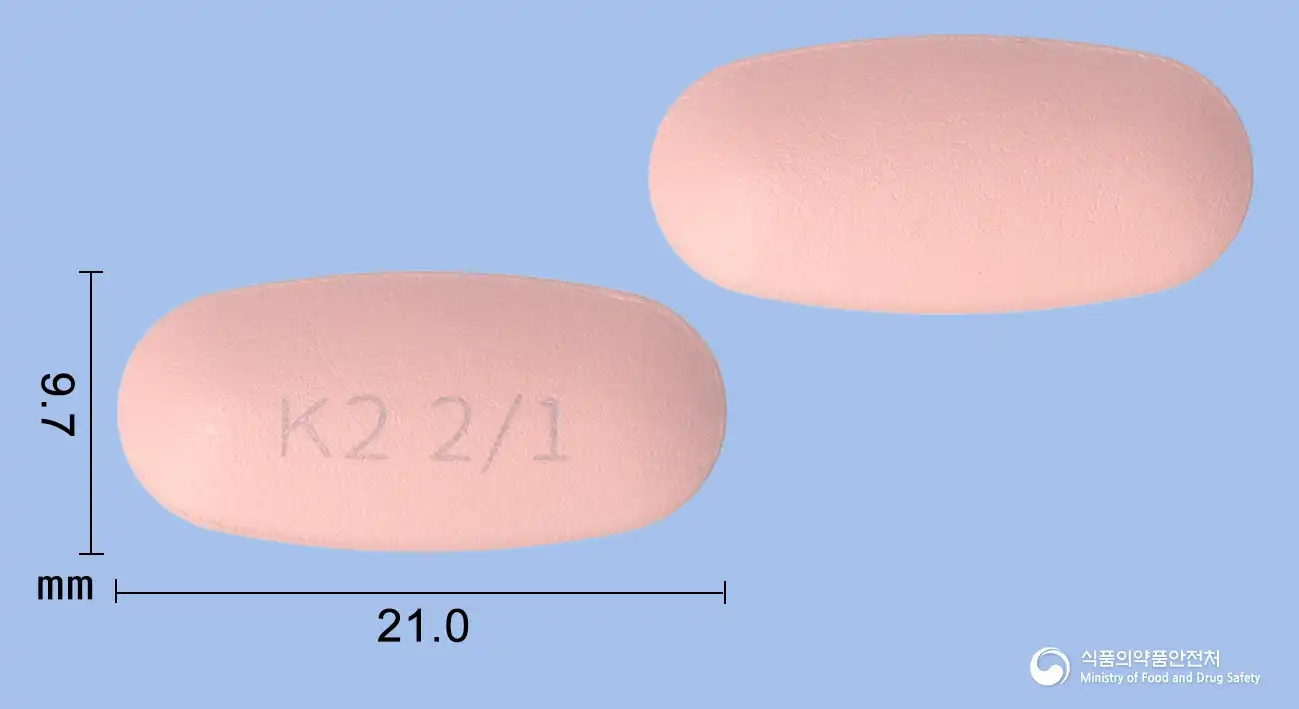
Linagliptin Micronized 2.5mg · Metformin Hydrochloride 1000mg
Tablet · Prescription medication · Combination
Genewon Science Co., Ltd.
 Combination
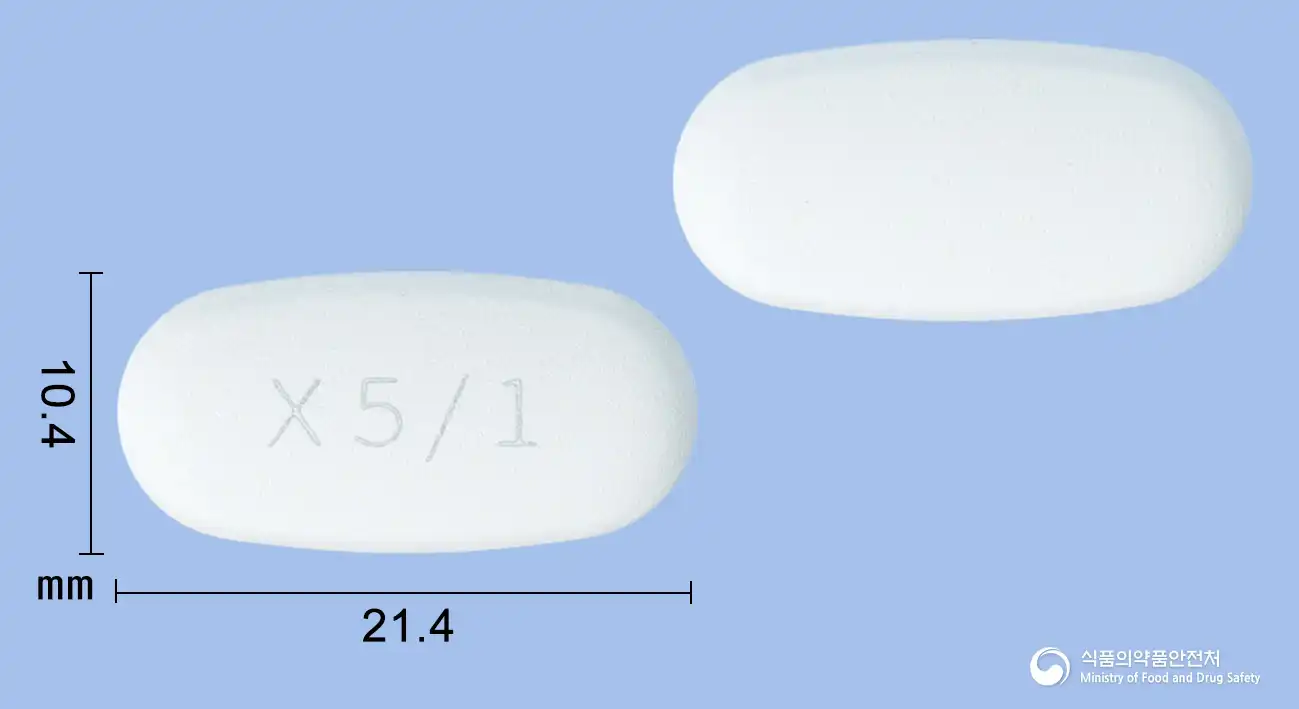
Linagliptin Micronized 5mg · Metformin Hydrochloride 1000mg
Tablet · Prescription medication · Combination
Genewon Science Co., Ltd.
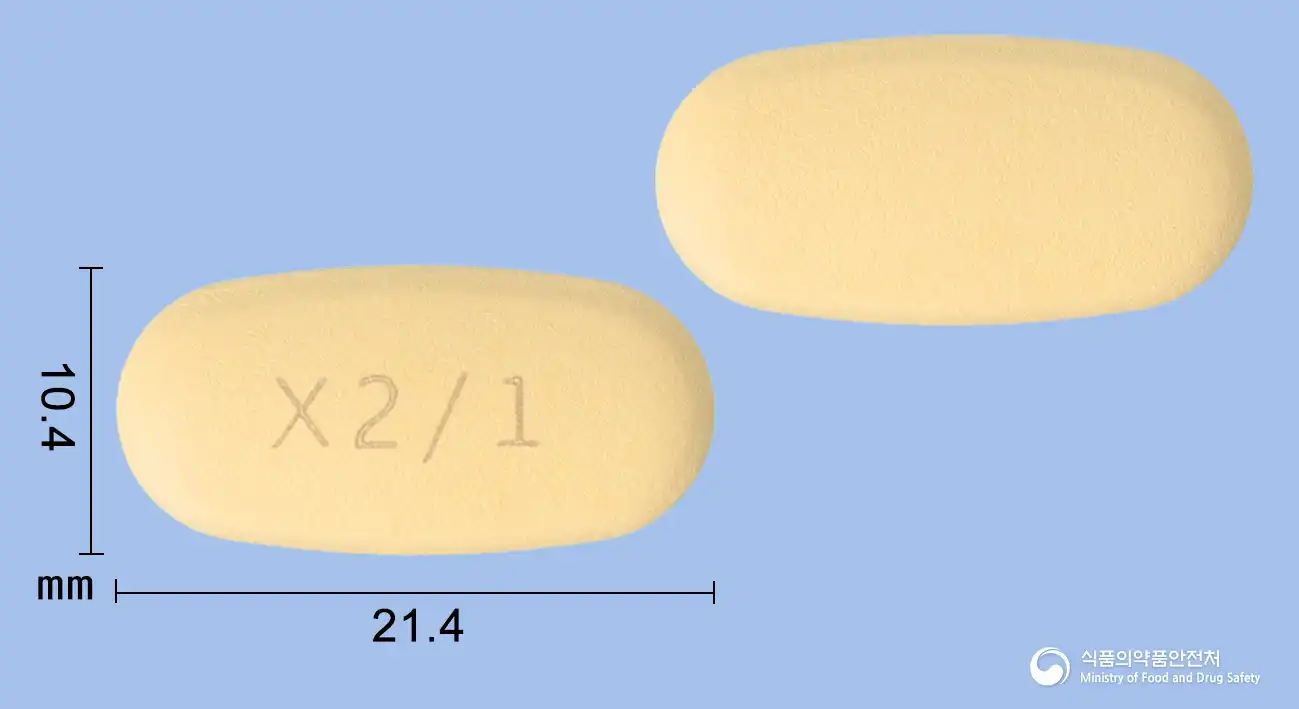 Combination
Linagliptin Micronized 2.5mg · Metformin Hydrochloride 1000mg
Tablet · Prescription medication · Combination
Genewon Science Co., Ltd.
Even with the same ingredient, the dose and directions can differ by strength and dosage form. Talk to a doctor or pharmacist before switching from a medication you are already taking.
No questions yet.
For anything that needs medical judgment, consult a doctor or pharmacist.
This drug information is based on data provided by the Korea Ministry of Food and Drug Safety.
Consult a doctor or pharmacist for accurate dosage, administration, and usage instructions.