
 한국어
한국어 English
 日本語
日本語 中文(简体)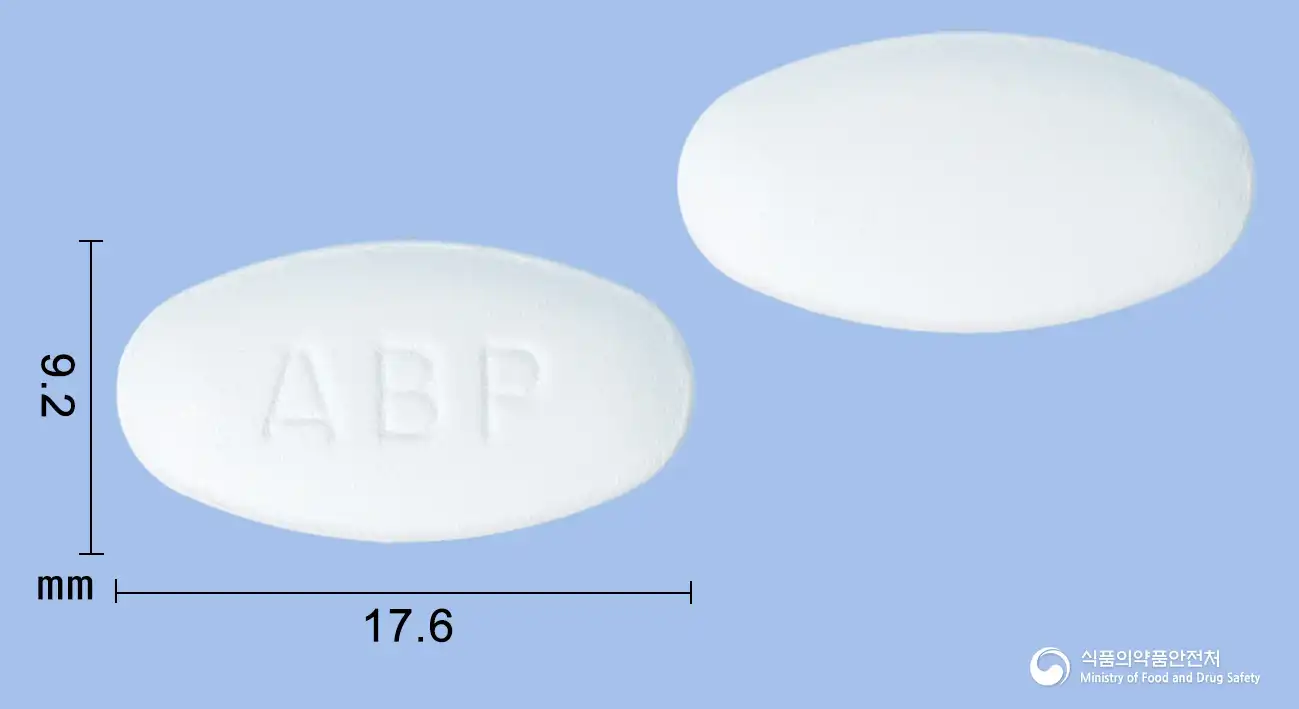
Summary
- Main use
- Efficacy in the treatment of hormone-responsive high-risk metastatic prostate cancer
- Who takes it
- Adults
- Adult dose
- The recommended dose of this drug is 2 tablets (Abiraterone acetate 1,000 mg / Prednisolone 5 mg) once daily, and it must be taken on an empty stomach. Take at least 2 hours after a meal and avoid eating for at least 1 hour after taking the medication. The tablets should be swallowed whole with water. In case of liver function abnormalities, treatment should be withheld until liver function test results return to normal.
Ingredients
- Manufacturer
- 한미약품(주)
Efficacy & effects
Efficacy in the treatment of hormone-responsive high-risk metastatic prostate cancer
View approved original textHide original text
For newly diagnosed patients with hormone-responsive high-risk metastatic prostate cancer (mHSPC), combination therapy with androgen deprivation therapy (ADT) is recommended. This combination therapy blocks the action of male hormones, which play an important role in the growth of cancer cells, thus inhibiting cancer cell proliferation. This helps to slow the progression of the disease and improve survival rates. It is important for patients to take the medication consistently as directed by their doctor to enhance treatment efficacy. Additionally, it is wise to discuss and manage side effects with healthcare professionals during treatment. This therapy effectively improves the progression of prostate cancer.
How to take
Adult dose
The recommended dose of this drug is 2 tablets (Abiraterone acetate 1,000 mg / Prednisolone 5 mg) once daily, and it must be taken on an empty stomach. Take at least 2 hours after a meal and avoid eating for at least 1 hour after taking the medication. The tablets should be swallowed whole with water. In case of liver function abnormalities, treatment should be withheld until liver function test results return to normal.
Precautions
This drug should not be used by women who are pregnant or may become pregnant. Patients allergic to the ingredients in this medication should also not take it. Co-administration with Radium-223 dichloride can increase mortality and fracture risk, so it should be avoided. Patients with infections or weakened immune function may experience exacerbation of infections and require caution. Patients with severe liver dysfunction should not use this drug, and those with moderate to severe liver function should carefully consider the risks and benefits. Frequent liver function tests should be conducted, and if signs of liver damage occur, the medication should be discontinued. This medication may raise blood pressure, lower potassium levels in the blood, and cause fluid retention, so patients with heart or kidney disease should undergo regular blood pressure and blood tests. Additionally, symptoms of muscle damage such as myopathy or rhabdomyolysis may occur while taking this drug, so patients should consult their doctor if they experience muscle pain or weakness. Taking this drug with food may alter its effectiveness, so it must be taken on an empty stomach, and patients should inform their healthcare provider of any other medications they are taking due to potential interactions. As it contains corticosteroids, there is an increased risk of infections, and live vaccinations are prohibited. Long-term use may lead to side effects such as adrenal insufficiency, osteoporosis, hypertension, and diabetes, necessitating periodic testing. This drug is not intended for children, and caution should be exercised when used in older patients due to a higher risk of side effects. In case of overdose, medication should be stopped immediately, and appropriate treatment, including monitoring for arrhythmias and liver function, should be undertaken. Lastly, this medication should be stored out of reach of children and kept in its original container to maintain quality.
Side effects and when to seek care immediately
Serious side effects
Hives, severe swelling (edema), tightness in the chest, difficulty breathing, cold sweat, pallor, severe rashes with high fever, blisters, skin peeling, pain in oral/eye mucosa, shortness of breath or difficulty breathing, asthma attacks, respiratory distress accompanied by cough and fever, jaundice (yellowing of the skin or eyes), profound lethargy, sudden and severe headache, thunderclap headache, seizures, confusion of consciousness, visual disturbances, paralysis, loss.
Mild side effects
- Itching
- sweating
- skin lesions
- skin peeling
- fatigue
- fever
- weakness
- facial swelling
- pain
- chest pain
Show 23 moreCollapse
- chest discomfort
- mucosal inflammation
- dizziness
- headache
- sensory impairment
- burning sensation
- paresthesia
- nausea
- vomiting
- abdominal pain
- esophagitis
- enteritis
- rectal urgency
- hemorrhoidal bleeding
- diabetes
- decreased appetite
- hyperlipidemia
- increased urination
- nocturia
- elevated prostate-specific antigen
- weight gain
- increased blood sugar
- blood alkaline phosphatase elevation.
Not everyone experiences these, and they can vary from person to person.
Storage
This medication should be stored in a tightly sealed container to protect it from air and moisture. It is best to maintain a storage temperature between 1 and 30 degrees Celsius to preserve its effectiveness.
Appearance and packaging
Appearance
White, oval, film-coated tablet
Package unit
56 tablets/box [14 tablets/PTPX4]
Questions about this medicine
No questions yet.
For anything that needs medical judgment, consult a doctor or pharmacist.