
 한국어
 English
 日本語
 中文(简体)
 Viewing now
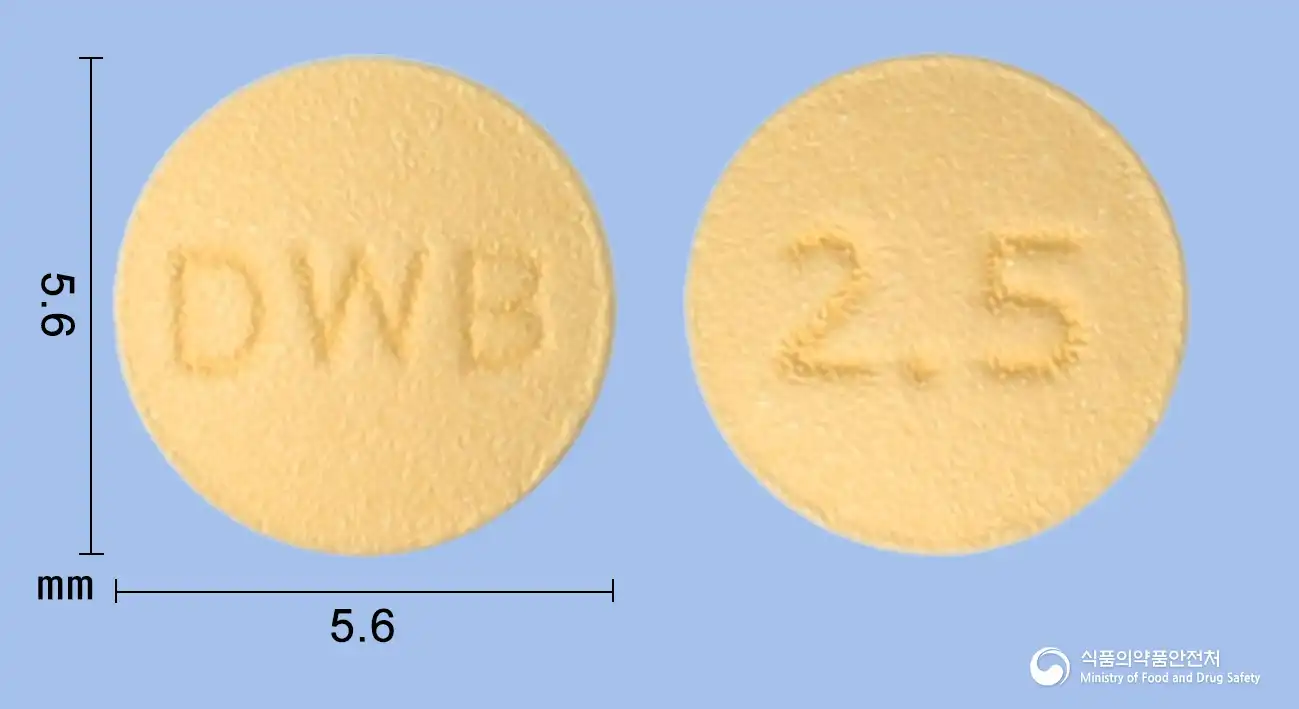
Kratin Tablet 2.5 mg (Rosuvastatin Calcium (Unrefined))
Rosuvastatin Calcium Micronized 2.6mg
Tablet · Prescription medication
Daewoong Bio Co., Ltd.
MFDS item code 202400207 · Approved 2024.01.26 · Insurance code 694004160
Improvement of primary hypercholesterolemia and mixed dyslipidemia
This medication is primarily used in patients with primary hypercholesterolemia, heterozygous familial hypercholesterolemia, and mixed dyslipidemia. It serves as an adjunct to diet when adequate control cannot be achieved with diet and exercise alone. This helps lower blood cholesterol levels and reduces the risk of cardiovascular diseases. Therefore, it is effectively used for managing hypercholesterolemia.
Patients should follow a standard cholesterol-lowering diet before and during treatment with this medication, and continue it throughout the treatment period. This medication may be taken at any time of day, with or without food. The initial dose is 2.5 or 5 milligrams once daily; the dose may be adjusted as a maintenance dose if a greater reduction in LDL cholesterol is needed. The maintenance dose is 10 milligrams once daily, which is sufficient for most patients. The maintenance dose should be adjusted as appropriate at intervals of 4 weeks or longer according to LDL cholesterol levels, treatment goals, and patient response; the dose may be increased to a maximum of 20 milligrams daily. Elderly patients: No dose adjustment is necessary. Patients with renal impairment: No dose adjustment is necessary in patients with mild or moderate renal impairment. Do not administer to patients with severe renal impairment. Exercise particular caution when administering 20mg of this medication to patients with moderate renal impairment. Patients with hepatic impairment: No increase in systemic exposure to rosuvastatin was observed in patients with a Child-Pugh score of 7 or less, but an increase was observed in patients with a Child-Pugh score of 8 or 9. Renal function testing should be considered in these patients. There is no experience with administration to patients with a Child-Pugh score greater than 9. Do not administer this medication to patients with active liver disease. Race: Because systemic exposure to this medication is increased in Asian patients, the recommended initial dose is 2.5 or 5 milligrams. Administration of the 40-milligram dose is contraindicated. Patients predisposed to myopathy: The recommended initial dose for patients predisposed to myopathy is 2.5 or 5 milligrams. Administration of the 40-milligram dose is contraindicated in some of these patients.
This medication should not be used in patients who are allergic to certain components. Patients with severely impaired liver function or unexplained elevation of liver enzyme levels should also avoid administration. It is safer not to use it in patients with muscle diseases or abnormalities in muscle. Caution is needed as the risk of muscle problems may increase when taken with certain medications. Patients with severely impaired kidney function and women who are pregnant or breastfeeding should not take this medication. Women with a possibility of pregnancy should take this medication only if the chance of becoming pregnant is very low and must use appropriate contraceptive measures. High-dose administration is prohibited for patients at high risk of myopathy or rhabdomyolysis. This medication contains lactose, so patients with lactose intolerance or related genetic disorders should not take it. Patients with a history of alcohol consumption or liver disease should undergo regular liver function tests, and if they have hypothyroidism or nephrotic syndrome, these conditions should be treated first. If symptoms such as muscle pain, weakness, or cramps appear, they must inform their doctor immediately and may need to check for muscle damage through blood tests. If severe muscle abnormality symptoms appear, discontinue the medication and follow the doctor's instructions. This medication may temporarily elevate liver enzyme levels in some patients, so liver function tests may be necessary. When taking this medication with certain drugs, caution is advised as the drug concentration may increase, raising the risk of side effects. It should not be used during pregnancy or breastfeeding, and women planning to become pregnant must consult a doctor before taking it. There is no specific antidote for overdose, so treatment according to symptoms and monitoring of liver and muscle enzyme levels are necessary. This medication can cause dizziness; hence caution is warranted when driving or operating machinery.
Dyspepsia, pruritus, immune thrombocytopenic purpura, facial swelling, herpes zoster, vulvar pruritus, angioedema, hypersensitivity reactions, diabetes, headache, dizziness, constipation, nausea, abdominal pain, pancreatitis, itching, rash, urticaria, myalgia, myopathy, rhabdomyolysis, weakness, polyneuropathy, amnesia, peripheral neuropathy, myasthenia gravis, cough, dyspnea, diarrhea, oculobulbar weakness, thrombocytopenia, jaundice, hepatitis, increased transaminases, Stevens-Johnson syndrome, eosinophilia with systemic symptoms drug reaction syndrome, drug rash resembling psoriasis, lupus-like syndrome, muscle rupture, arthralgia, immune-mediated necrotizing myopathy, hematuria, edema, depression, sleep disorders, interstitial lung disease, sexual dysfunction, gynecomastia, liver failure, cognitive impairment, headache, dizziness, increased ALT, chest pain, myalgia, increased CK, constipation, increased AST, weakness, joint pain, fatigue, numbness, paresthesia, chest discomfort, nausea, abdominal pain, diarrhea, loss of appetite, abdominal bloating, abnormal liver function tests, syncope, generalized pain, muscle cramps, gout, erectile dysfunction, acute renal failure, oliguria, increased serum creatinine
Not everyone experiences these, and they can vary from person to person.
This medication may be sensitive to air and moisture; therefore, it must be stored in a tightly sealed container. It is recommended to maintain a storage temperature between 1 degree and 30 degrees Celsius at room temperature. This way, the medication's efficacy can be preserved for a longer duration.
Yellow round film-coated tablet
30 tablets/bottle, 100 tablets/bottle
Even with the same ingredient, strength, dosage form and how it is taken can differ.
Viewing nowRosuvastatin Calcium Micronized 2.6mg
Tablet · Prescription medication
Daewoong Bio Co., Ltd.
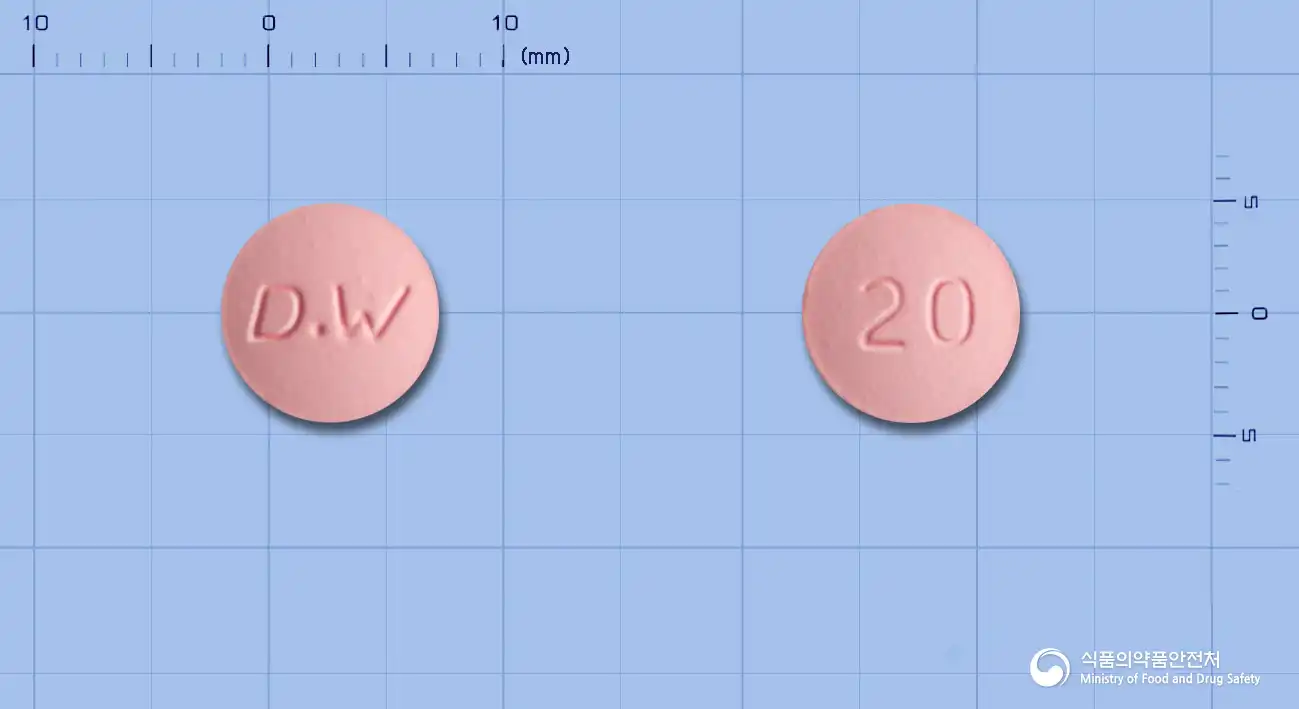
Rosuvastatin Calcium Micronized 20.8mg
Tablet · Prescription medication
Daewoong Pharmaceutical Co., Ltd.
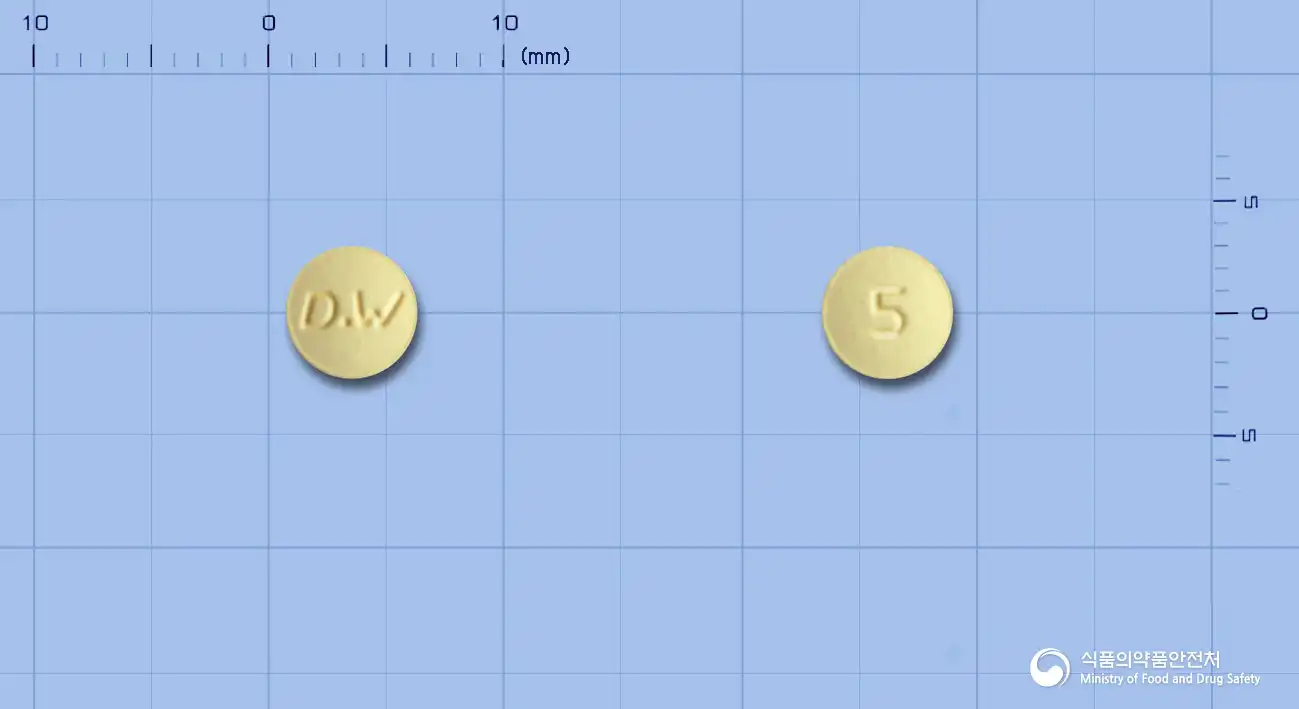
Rosuvastatin Calcium Micronized 5.2mg
Tablet · Prescription medication
Daiwoo Pharmaceutical Co., Ltd.
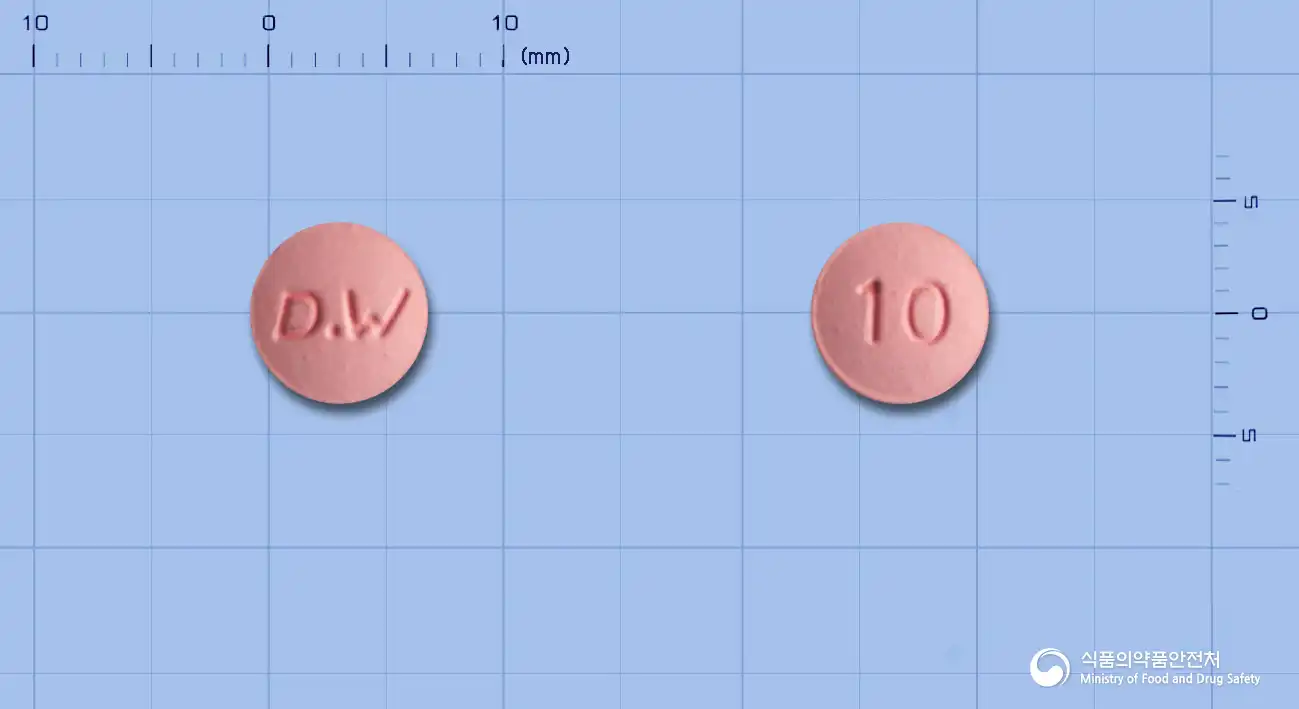
Rosuvastatin Calcium Micronized 10.4mg
Tablet · Prescription medication
Daewoong Pharmaceutical Co., Ltd.
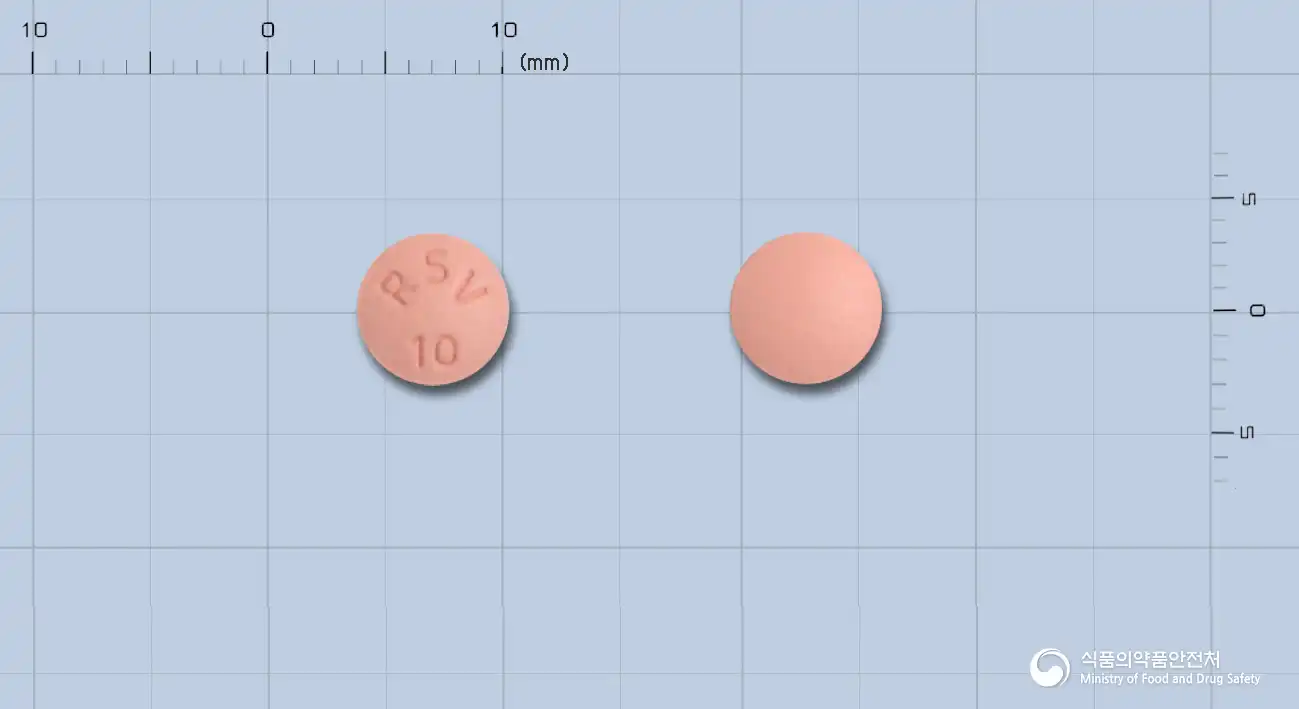
Rosuvastatin Calcium Micronized 10.4mg
Tablet · Prescription medication
Hanin Pharmaceutical Co., Ltd.
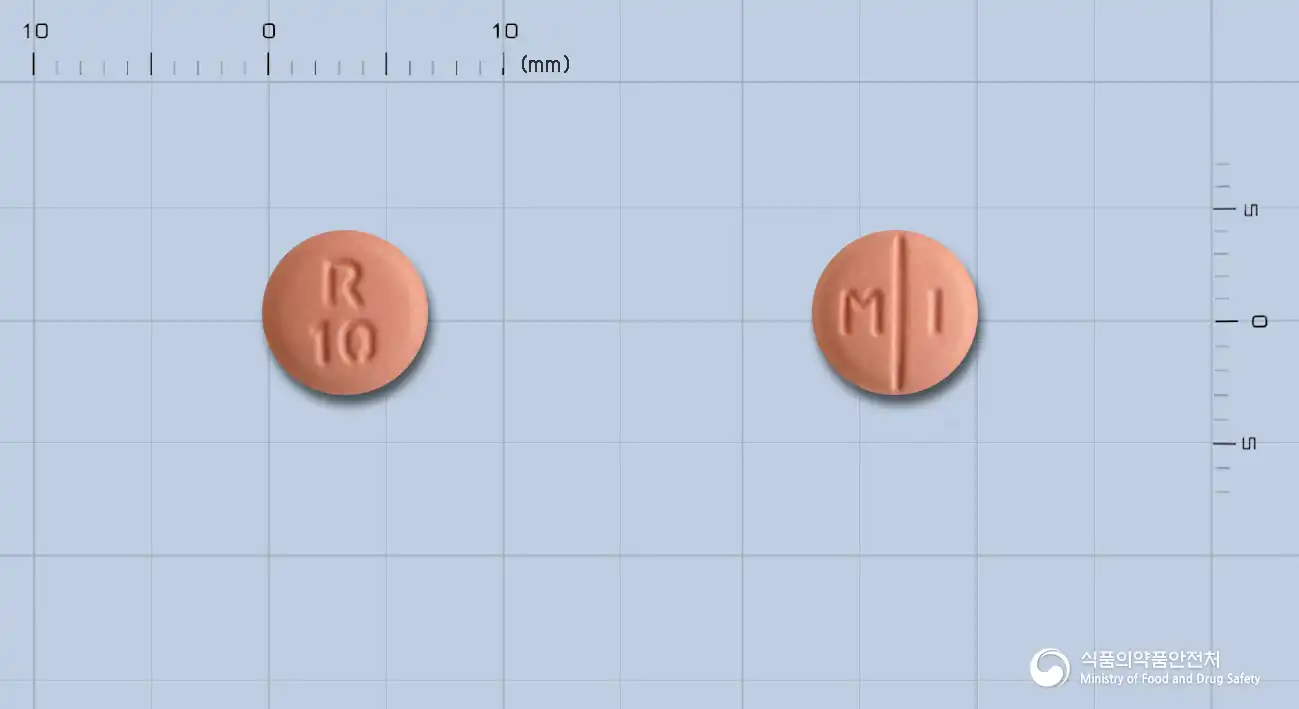
Rosuvastatin Calcium Micronized 10.4mg
Tablet · Prescription medication
Myungjin Pharmaceutical Co., Ltd.
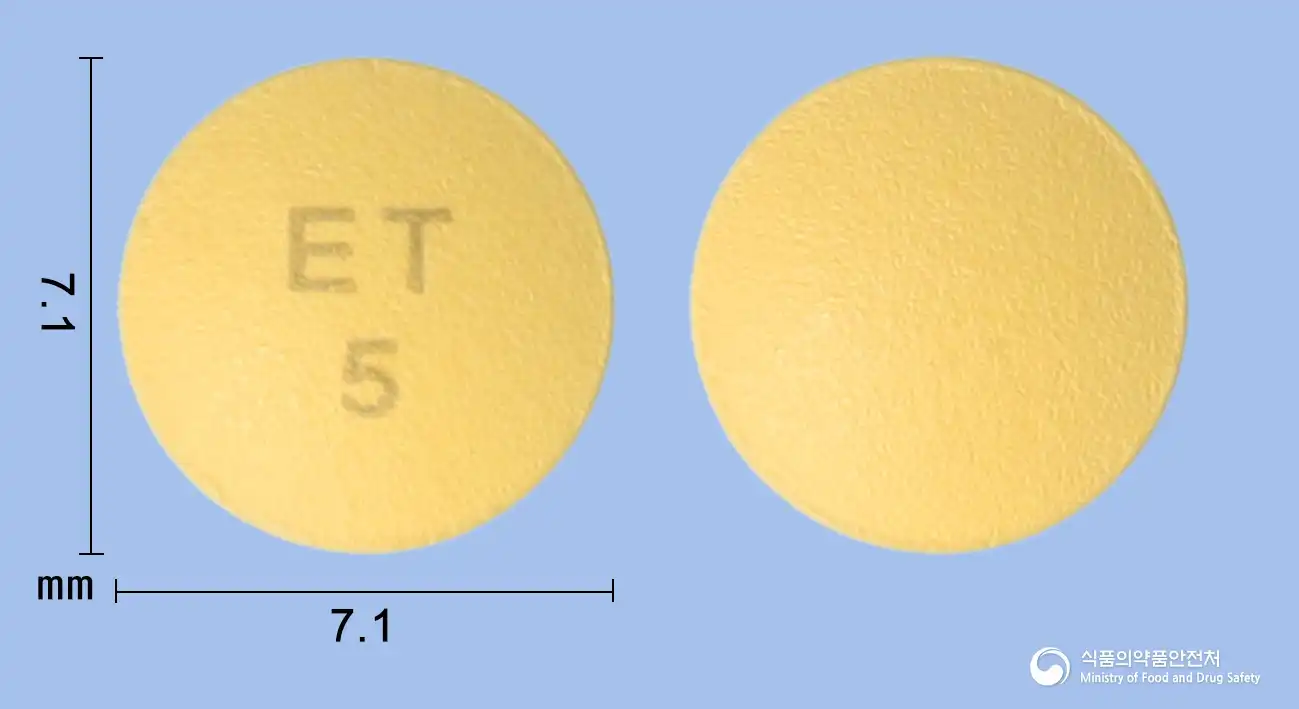
Rosuvastatin Calcium Micronized 5.2mg
Tablet · Prescription medication
Teragen Itex Co., Ltd.
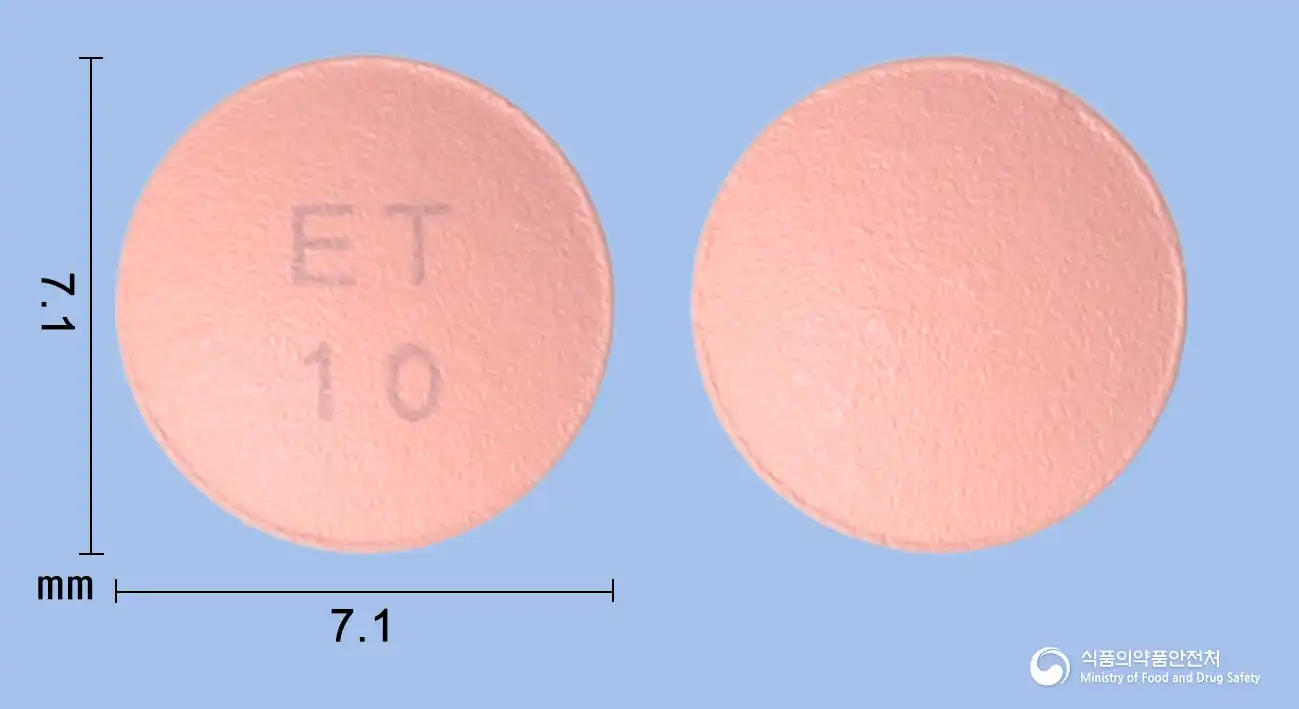
Rosuvastatin Calcium Micronized 10.4mg
Tablet · Prescription medication
Teragen Etex Co., Ltd.
Even with the same ingredient, the dose and directions can differ by strength and dosage form. Talk to a doctor or pharmacist before switching from a medication you are already taking.
No questions yet.
For anything that needs medical judgment, consult a doctor or pharmacist.
This drug information is based on data provided by the Korea Ministry of Food and Drug Safety.
Consult a doctor or pharmacist for accurate dosage, administration, and usage instructions.