
 한국어
한국어 English
 日本語
日本語 中文(简体)
 Viewing nowCombination
Jemimet Extended Release Tablets 25/750 mg (Jemigliptin, Metformin)
Gemigliptin Tartrate Sesquihydrate 34.45mg · Metformin Hydrochloride 1000mg
Tablet · Prescription medication · Combination
LG Chem, Ltd.
MFDS item code 202400205 · Approved 2024.01.26 · Insurance code 668903380
Improvement in blood sugar control in type 2 diabetes
This medication is used as an adjunct to assist in controlling blood sugar in patients with type 2 diabetes when used in combination with Jemigliptin and Metformin. It helps enhance blood sugar control primarily when administered alongside dietary regimes and exercise therapy. This supports more stable management of blood sugar levels. This medication is effectively used to improve blood sugar control in diabetes treatment.
The dosage of this medication should be individualized based on the current treatment regimen, efficacy, and tolerability of the patient. This drug is generally administered with the evening meal, and the dosage should be increased gradually to reduce gastrointestinal side effects associated with Metformin. This drug 50/500 mg extended-release tablets or 50/1000 mg extended-release tablets should be taken once daily, one tablet at a time. For the 25/500 mg extended-release tablets, 25/750 mg extended-release tablets, or 25/1000 mg extended-release tablets, the patient should take two tablets simultaneously once daily. - In patients not currently receiving treatment with Metformin and who require Jemigliptin 50 mg, the recommended starting dose for this drug is Jemigliptin 50 mg/Metformin 500 mg extended-release tablet once daily, with gradual dose escalation to reduce gastrointestinal side effects associated with Metformin. - In patients who are not achieving adequate blood sugar control with Metformin monotherapy, or in those who are not achieving adequate blood sugar control with combinations of Metformin with sulfonylureas or Metformin with insulin, the initial dose of this medication provides Jemigliptin 50 mg once daily in conjunction with the current Metformin dosage. When converting from immediate-release Metformin to an extended-release formulation, blood sugar control should be closely monitored and dosage adjustments should be appropriately made. - When this medication is taken alongside sulfonylureas or insulin, a reduction in the doses of sulfonylureas or insulin may be necessary to mitigate the risk of hypoglycemia. - In patients shifting from combination therapy of Jemigliptin and Metformin to this drug, the dosage can be initiated based on the existing dosages of Jemigliptin and Metformin. Tight monitoring of blood glucose control is required during the transition from immediate-release to extended-release formulations. The maximum recommended daily dosage is Jemigliptin 50 mg and extended-release Metformin 2000 mg. Safety and efficacy of this drug have not been specifically evaluated in patients transitioning from other hypoglycemic agents. Any changes in therapy should be monitored closely, as they may lead to changes in blood sugar control. This drug should be swallowed whole and must not be crushed, cut, or chewed.
This drug is used in the treatment of diabetes and aids in controlling blood sugar levels. When taking this medication, renal function is very important, so it should not be used in patients with impaired kidney function. It should be avoided in cases of severe renal disease, heart failure, or liver dysfunction, as these conditions could pose risks when taking this drug. The drug may cause rare but serious side effects such as lactic acidosis; patients should inform their doctor immediately if symptoms of lactic acidosis such as malaise, muscle pain, difficulty breathing, or abdominal pain occur. Additionally, this drug can induce hypoglycemia, so when taken with other hypoglycemic agents, hypoglycemic symptoms should be closely monitored. Due to the risk of acute pancreatitis, if sudden severe abdominal pain occurs, use should be discontinued immediately and a doctor should be consulted. Pregnant or breastfeeding women are advised to avoid this medication. In the event of surgery or Iodine contrast radioisotope examination, this drug should be discontinued 48 hours before the procedure or examination and can be resumed only after confirming normal kidney function. It is advisable to avoid alcohol consumption while taking this medication, and regular blood tests are needed as vitamin B12 levels may decrease. This drug may cause allergic reactions or hypersensitivity reactions such as skin rash or urticaria in some patients, so any unusual symptoms should be reported to a doctor immediately. Also, some components of this drug may be excreted in the feces, which is a normal phenomenon and unrelated to the drug's effect. Before and during the course of taking this medication, regular kidney and liver function tests should be discussed with a physician, and any unusual symptoms during treatment should prompt immediate consultation with healthcare professionals.
Urticaria, vesicular pemphigoid, severe lactic acidosis, severe hypoglycemia, anaphylaxis, angioedema, acute pancreatitis, exacerbation of asthma, difficulty in breathing, angina, severe joint pain, Stevens-Johnson syndrome, acute myocardial infarction, sepsis, acute renal failure, renal insufficiency, hepatitis, acute pulmonary embolism, severe respiratory dysfunction, jaundice, severe rash with high fever, blisters, skin peeling, and pain in mucous membranes of mouth/eyes.
Joint pain, nasopharyngitis, bacteriuria, upper respiratory infection, increased serum CPK levels, increased serum amylase levels, increased lipase levels, fever, diarrhea, urinary tract infection, hypoglycemia, dizziness, nausea, weakness, muscle pain, back pain, headache, constipation, hypoglycemia accompanied by symptoms when taken alone or in combination with insulin, pharyngitis, chronic gastritis, cough, diabetic nephropathy, gastritis, gingivitis, colon polyps, dyspepsia, dyslipidemia
Not everyone experiences these, and they can vary from person to person.
This drug is susceptible to air and moisture, so it should be stored in a tightly sealed container. The storage temperature should be maintained at room temperature between 1 degree and 30 degrees Celsius.
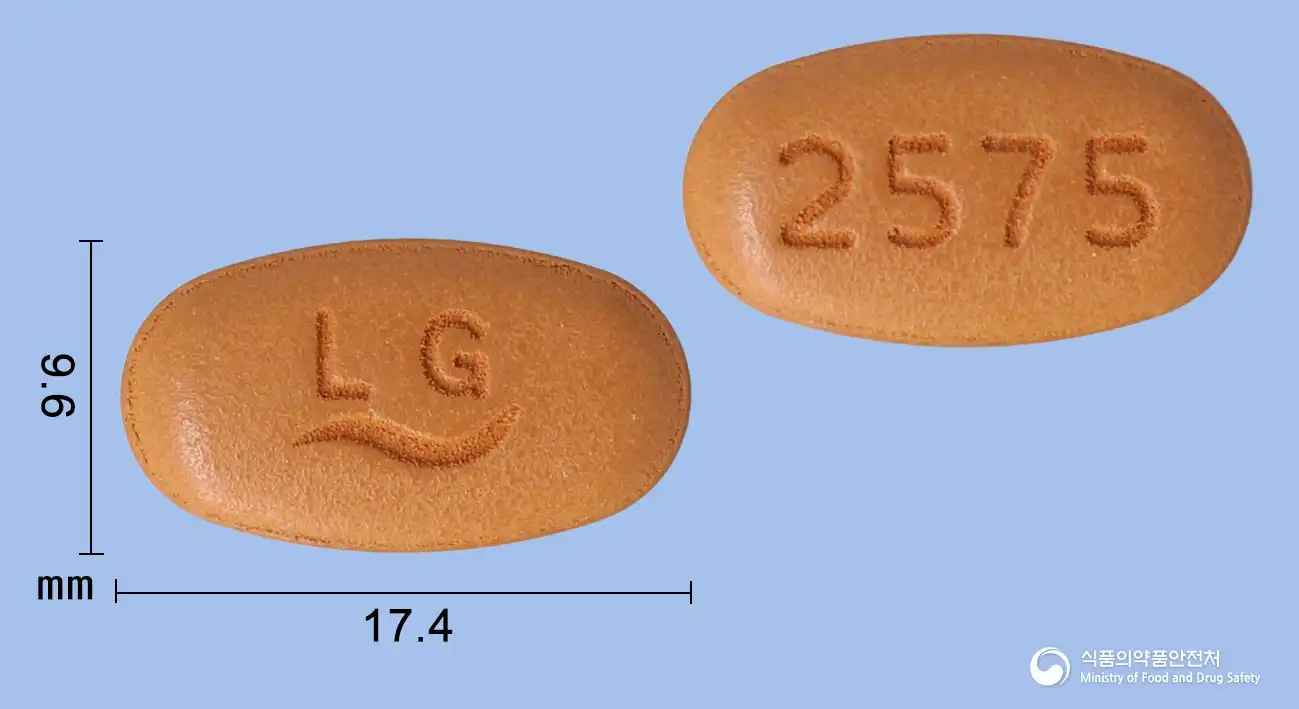
Brown oval-shaped extended-release film-coated tablets
30 tablets per bottle
Even with the same ingredient, strength, dosage form and how it is taken can differ.
Viewing nowCombinationGemigliptin Tartrate Sesquihydrate 34.45mg · Metformin Hydrochloride 1000mg
Tablet · Prescription medication · Combination
LG Chem, Ltd.
 Combination
Gemigliptin Tartrate Sesquihydrate 34.45mg · Metformin Hydrochloride 1000mg
Tablet · Prescription medication · Combination
LG Chem, Ltd.
Even with the same ingredient, the dose and directions can differ by strength and dosage form. Talk to a doctor or pharmacist before switching from a medication you are already taking.
No questions yet.
For anything that needs medical judgment, consult a doctor or pharmacist.
This drug information is based on data provided by the Korea Ministry of Food and Drug Safety.
Consult a doctor or pharmacist for accurate dosage, administration, and usage instructions.