
 한국어
한국어 English
 日本語
日本語 中文(简体)
 Viewing nowCombination
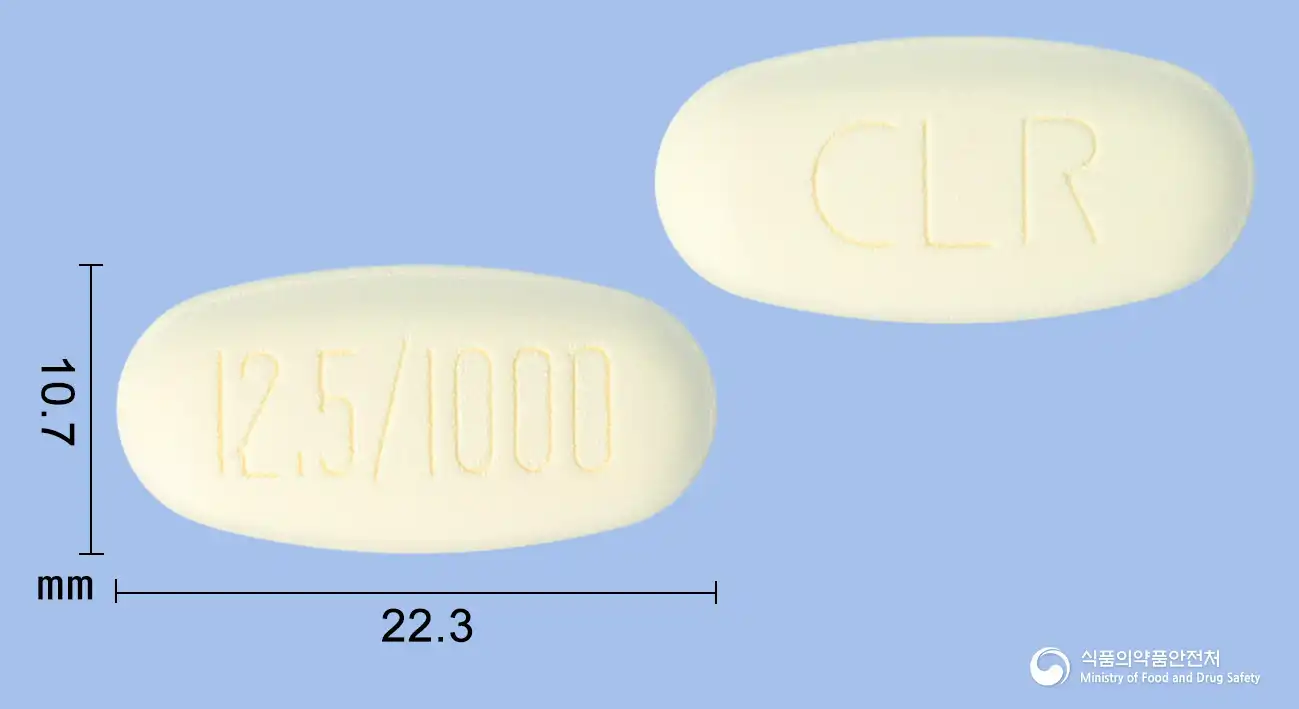
Nesinamet Tablet 12.5/1000 mg (Alogliptin Benzoate, Metformin Hydrochloride)
Alogliptin Benzoate 17mg · Metformin Hydrochloride 1000mg
Tablet · Prescription medication · Combination
Celltrion Pharmaceutical Co., Ltd.
MFDS item code 202303457 · Approved 2023.12.28 · Insurance code 693903830
Improvement of blood sugar control in type 2 diabetes
This medication helps to manage blood glucose levels in patients with type 2 diabetes by using alogliptin and metformin together. Effective blood sugar control can be achieved when this medication is used in conjunction with diet and exercise treatment. Therefore, this medication is used to improve blood glucose control in patients with type 2 diabetes.
The dosage of this medication should be adjusted based on efficacy and tolerability, without exceeding the recommended maximum daily dosage of 25 mg of alogliptin and 2000 mg of metformin. The initial dosage of this medication should be determined according to the patient's current treatment regimen. This medication should be taken twice daily with meals to reduce gastrointestinal side effects associated with metformin, and the dose increase should be gradual.
This medication contains metformin hydrochloride and alogliptin benzoate as the main components and is used to control blood sugar levels. Care should be taken when taking this medication as severe lactic acidosis or hypoglycemia may occur. Lactic acidosis is a rare but potentially fatal metabolic complication that can be more likely to occur during sudden kidney function decline, cardiopulmonary diseases, or infections. This medication should not be administered to certain patients. For example, it should not be taken by individuals who are hypersensitive to alogliptin or metformin, or those with severe kidney impairment, heart failure, acute myocardial infarction, or sepsis. Additionally, the use of radiocontrast iodine tests can affect kidney function, so this medication should be temporarily discontinued before and after the tests, and should only be resumed after kidney function is confirmed to be normal. Caution is also required for pregnant or breastfeeding women, patients with severe liver dysfunction, severe infections, and pre- or post-surgical patients when taking this medication. This medication may cause side effects such as gastrointestinal disturbances, headaches, infections, and hypoglycemia, and especially hypoglycemia symptoms should be closely monitored. The risk of hypoglycemia is higher during irregular meals, excessive exercise, or when combined with other hypoglycemic agents. Symptoms of lactic acidosis include fatigue, muscle pain, difficulty in breathing, and abdominal pain, so these symptoms should prompt immediate consultation with a physician. Regular liver and kidney function checks should be conducted, and caution should be heightened particularly for the elderly or patients with impaired renal function. Furthermore, alcohol consumption can increase the risk of lactic acidosis, so it is advisable to avoid drinking alcohol. There may be interactions with other medications while taking this medication, so if other medications are being taken, it is essential to inform the doctor or pharmacist. Rare side effects such as bullous pemphigoid or severe arthralgia may occur, so if there are any skin abnormalities or severe joint pain, immediate notification to the medical staff is necessary. Finally, the safety and efficacy of this medication in pediatric patients have not been established, so it should not be used in children.
Hives, severe swelling (edema), chest tightness, shortness of breath, cold sweat, pallor, severe rash with high fever, blisters, skin peeling, mucosal pain in the mouth/eyes, difficulty breathing, asthma attacks, respiratory issues accompanied by cough + fever, yellowing of the skin or eyes (jaundice), severe lethargy, sudden and severe headache, lightning pain, seizures, confusion, visual disturbances, paralysis, urination.
Not everyone experiences these, and they can vary from person to person.
This medication should be stored in a tightly sealed container to prevent air or moisture ingress. Additionally, the medication should be kept away from areas that are too hot or too cold, preferably stored at room temperature between 1 and 30 degrees Celsius.
Pale yellow oblong film-coated tablet
Blister - 28 tablets/Alu-Alu[(7 X 4)], Bottle - 30 tablets/bottle[(bottle-HDPE, cap-PP, silica gel)], Bottle - 100 tablets/bottle[(bottle-HDPE, cap-PP, silica gel)]
Even with the same ingredient, strength, dosage form and how it is taken can differ.
Viewing nowCombinationAlogliptin Benzoate 17mg · Metformin Hydrochloride 1000mg
Tablet · Prescription medication · Combination
Celltrion Pharmaceutical Co., Ltd.
Alogliptin Benzoate 17mg · Metformin Hydrochloride 500mg
Tablet · Prescription medication · Combination
Celltrion Pharmaceutical Co., Ltd.
Alogliptin Benzoate 17mg · Metformin Hydrochloride 1000mg
Tablet · Prescription medication · Combination
Celltrion Healthcare Co., Ltd.
Alogliptin Benzoate 17mg · Metformin Hydrochloride 850mg
Tablet · Prescription medication · Combination
Celltrion Pharmaceutical Co., Ltd.
 Combination
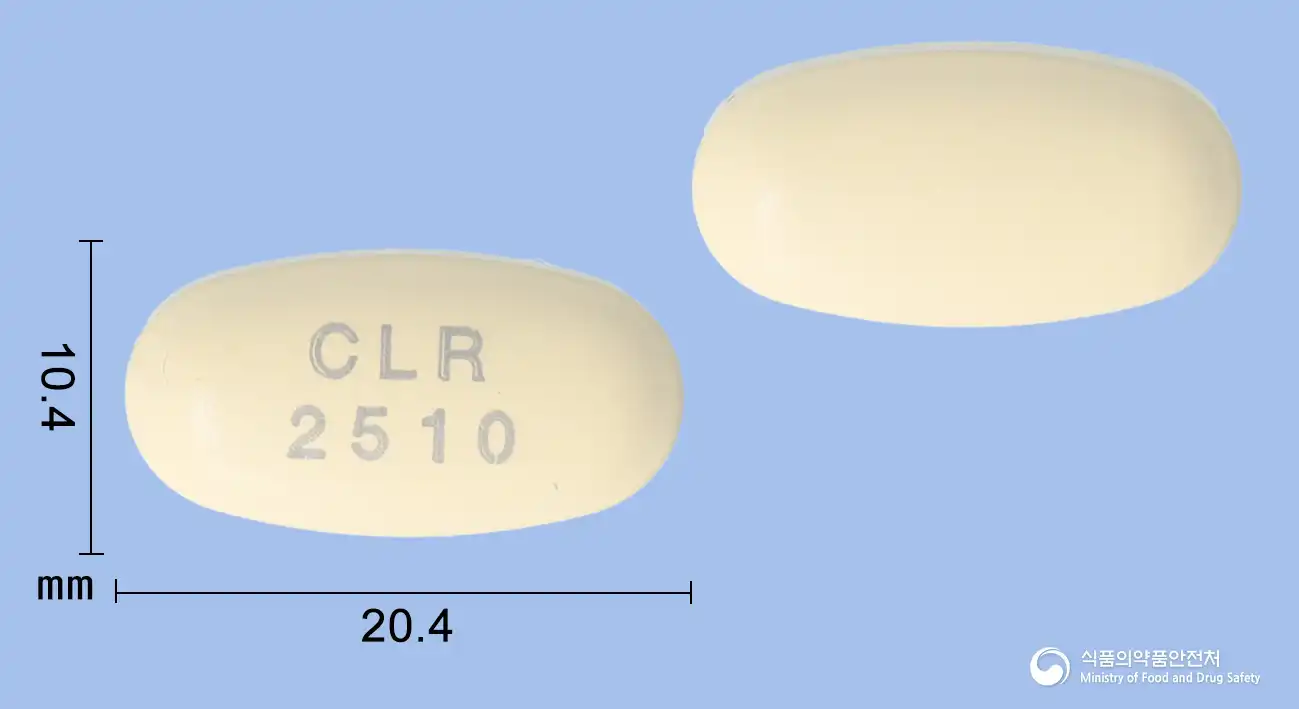
Metformin Hydrochloride 1000mg · Alogliptin Benzoate 34mg
Tablet · Prescription medication · Combination
Celltrion Pharmaceutical Co., Ltd.
 Combination
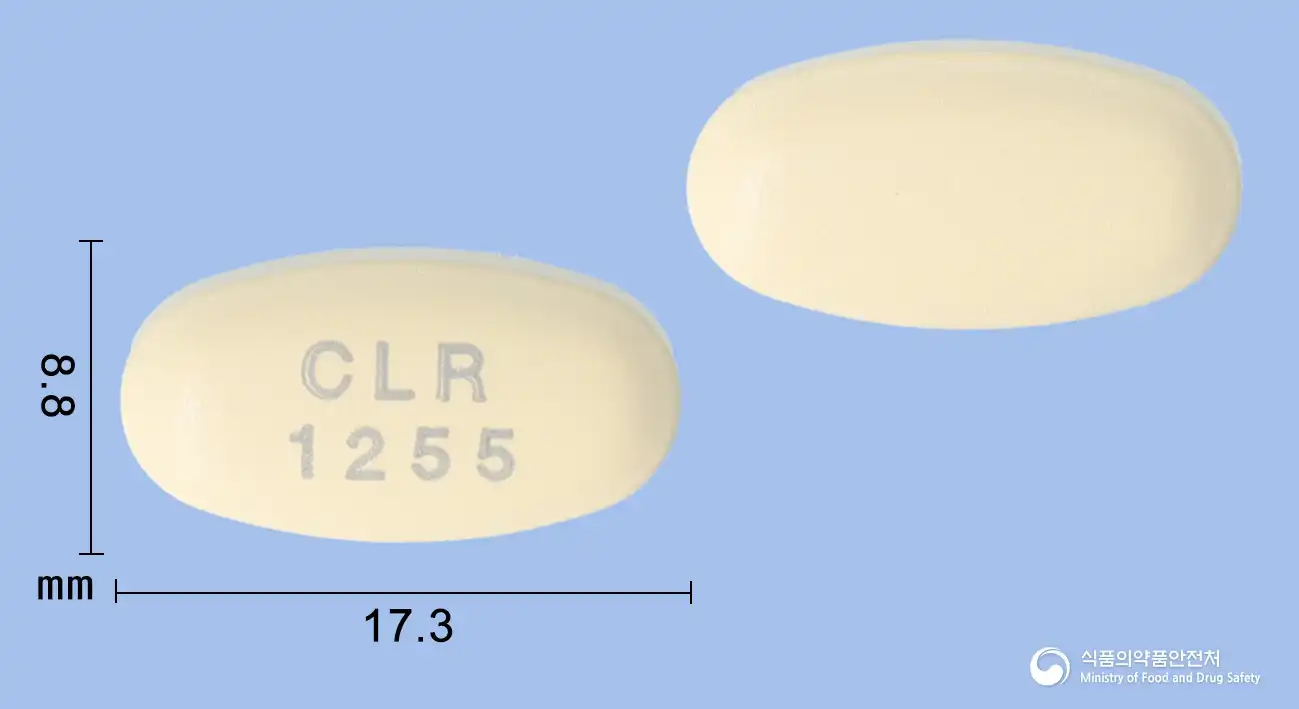
Metformin Hydrochloride 500mg · Alogliptin Benzoate 17mg
Tablet · Prescription medication · Combination
Celltrion Pharmaceutical Co., Ltd.
 Combination
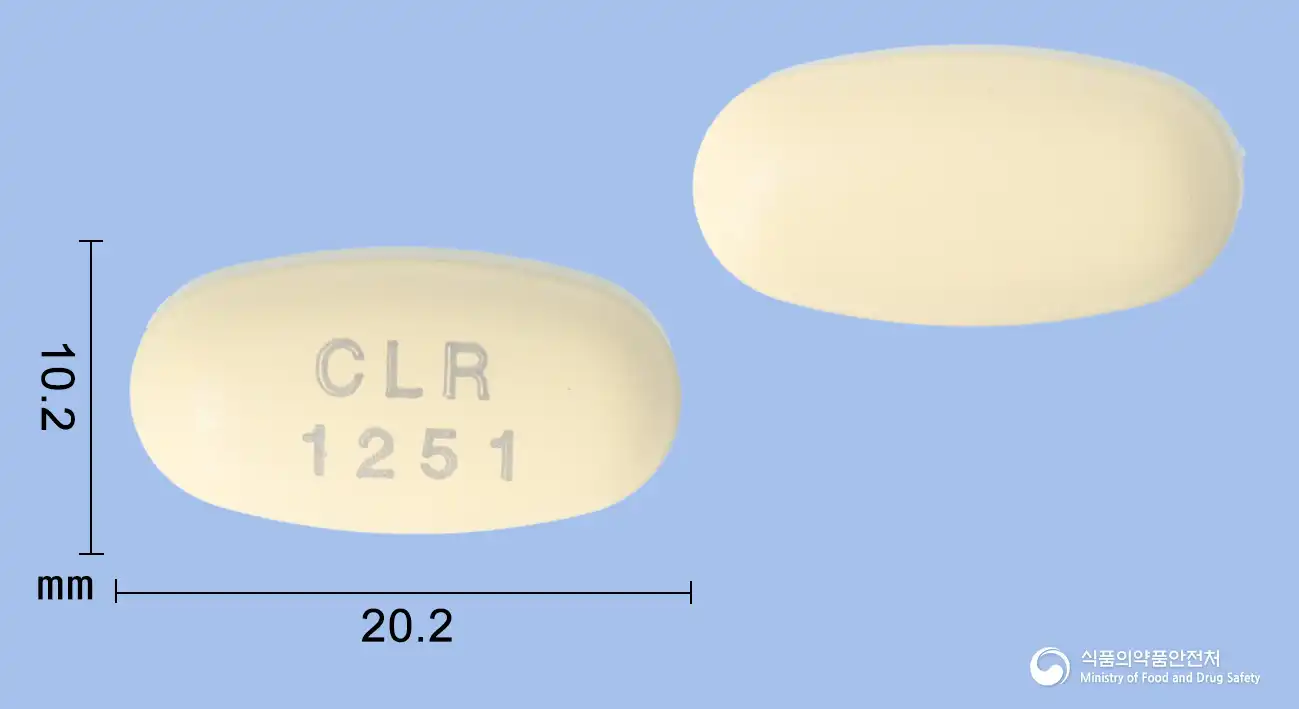
Metformin Hydrochloride 1000mg · Alogliptin Benzoate 17mg
Tablet · Prescription medication · Combination
Celltrion Pharmaceutical Co., Ltd.
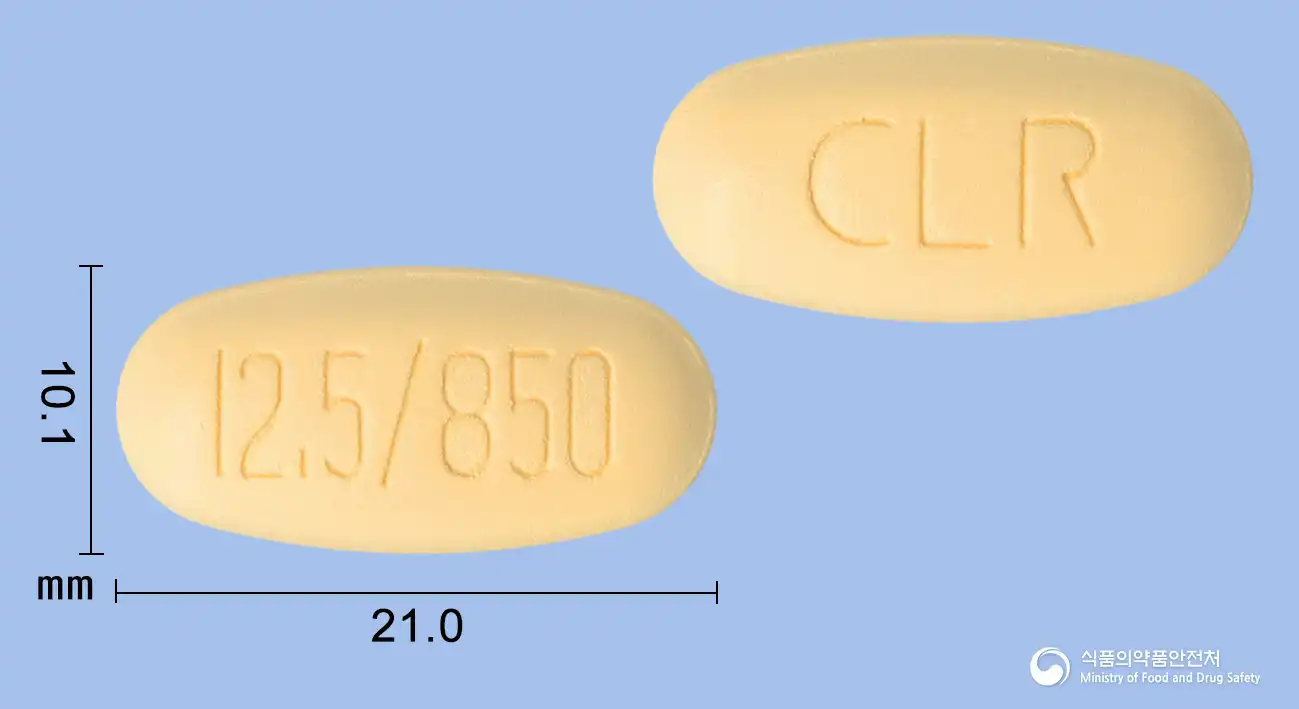 Combination
Alogliptin Benzoate 17mg · Metformin Hydrochloride 850mg
Tablet · Prescription medication · Combination
Celltrion Pharmaceutical Co., Ltd.
Even with the same ingredient, the dose and directions can differ by strength and dosage form. Talk to a doctor or pharmacist before switching from a medication you are already taking.
No questions yet.
For anything that needs medical judgment, consult a doctor or pharmacist.
This drug information is based on data provided by the Korea Ministry of Food and Drug Safety.
Consult a doctor or pharmacist for accurate dosage, administration, and usage instructions.