
 한국어
한국어 English
 日本語
日本語 中文(简体)
 Viewing now
Divalproex Extended Release 250 mg (Divalproex Sodium)
Divalproex Sodium 269.05mg
Tablet · Prescription medication
Korea Pharma Co., Ltd.
MFDS item code 202303449 · Approved 2023.12.27 · Insurance code 653006930
Treatment of seizures (complex partial seizures, absence seizures), prevention of migraines, treatment of mania
This medication is used for treating various forms of seizures in children over 10 years of age and adults, particularly complex partial seizures and simple and mixed absence seizures. It is effective as monotherapy or adjunctive therapy for these seizures. It also aids in the prevention of migraines in adults, but evidence is lacking for acute migraine treatment. Furthermore, it is utilized in treating acute mania or mixed episodes associated with bipolar disorder, regardless of the presence of psychotic features, and its efficacy and safety should be continuously assessed during long-term use. Thus, this medication is widely used for seizures, migraine prevention, and mania treatment.
This medication is taken once daily and should be swallowed whole, not crushed or chewed. The initial dose for monotherapy of complex partial seizures is 10–15 mg per kg of body weight per day, increasing by 5–10 mg per kg each week. Typically, optimal clinical response occurs at a dose of less than 60 mg per kg per day. The initial dose for simple and mixed absence seizures is 15 mg per kg of body weight per day and should be increased by 5–10 mg per kg at weekly intervals until appropriate response is achieved.
This medication can be administered to children aged 10 and older, with the starting dose for monotherapy of complex partial seizures being 10–15 mg per kg of body weight per day, increasing to 5–10 mg per kg at weekly intervals.
This medication should not be administered to pregnant women or women of childbearing age due to the risk of congenital malformations and developmental disorders in the fetus. Effective contraception must be used while taking this medication, and immediate consultation with a doctor is necessary if pregnancy is planned or confirmed. Concomitant use with estrogen-containing hormonal contraceptives can lower the blood concentration of this medication, so the physician may carefully monitor therapeutic response and may check blood concentrations if necessary. The use of this medication can lead to suicidal thoughts, depression, mood changes, and other mental health issues; it is important to notify healthcare professionals immediately if such symptoms occur. Significant hepatic damage may occur, especially in patients under 3 years of age or with liver disease, and this medication should be used cautiously in these patients, with regular liver function tests during the first six months of treatment. Pancreatitis may develop, so immediate medical attention is required if symptoms such as abdominal pain, nausea, vomiting, or loss of appetite occur. Patients with urea cycle disorders are at risk for hyperammonemic encephalopathy when using this medication; confirmation of any urea cycle disorder is necessary before administration. The elderly may experience greater sensitivity to drowsiness and dehydration, so dosing should be adjusted slowly, and hydration and unusual symptoms should be carefully monitored. Thrombocytopenia may occur, increasing the risk of bleeding, so regular blood tests are needed to monitor platelet levels. This medication should not be taken concurrently with certain antibiotics (carbapenems) as it may reduce the blood level, leading to diminished therapeutic efficacy. Avoid sudden changes in dosage while on this medication, as CNS depressant effects may lead to drowsiness, which necessitates caution when driving or operating hazardous machinery. Additionally, this medication may cause various side effects, so prompt consultation with healthcare professionals is essential if any unusual symptoms occur.
Hives, severe swelling (edema), tightness in the chest, difficulty breathing, cold sweats, paleness, severe rash with fever, blisters, skin peeling, pain in the mucous membranes of the mouth/eyes, breathlessness, asthma attacks, respiratory abnormalities accompanied by cough and fever, yellowing of skin or eyes (jaundice), profound lethargy, sudden and severe headache, thunderclap headache, seizures, confusion, visual disturbances, paralysis, urination
Not everyone experiences these, and they can vary from person to person.
Store this medication in a tightly closed container to prevent exposure to air and moisture. It is important to maintain storage temperatures between 1°C and 30°C at room temperature.
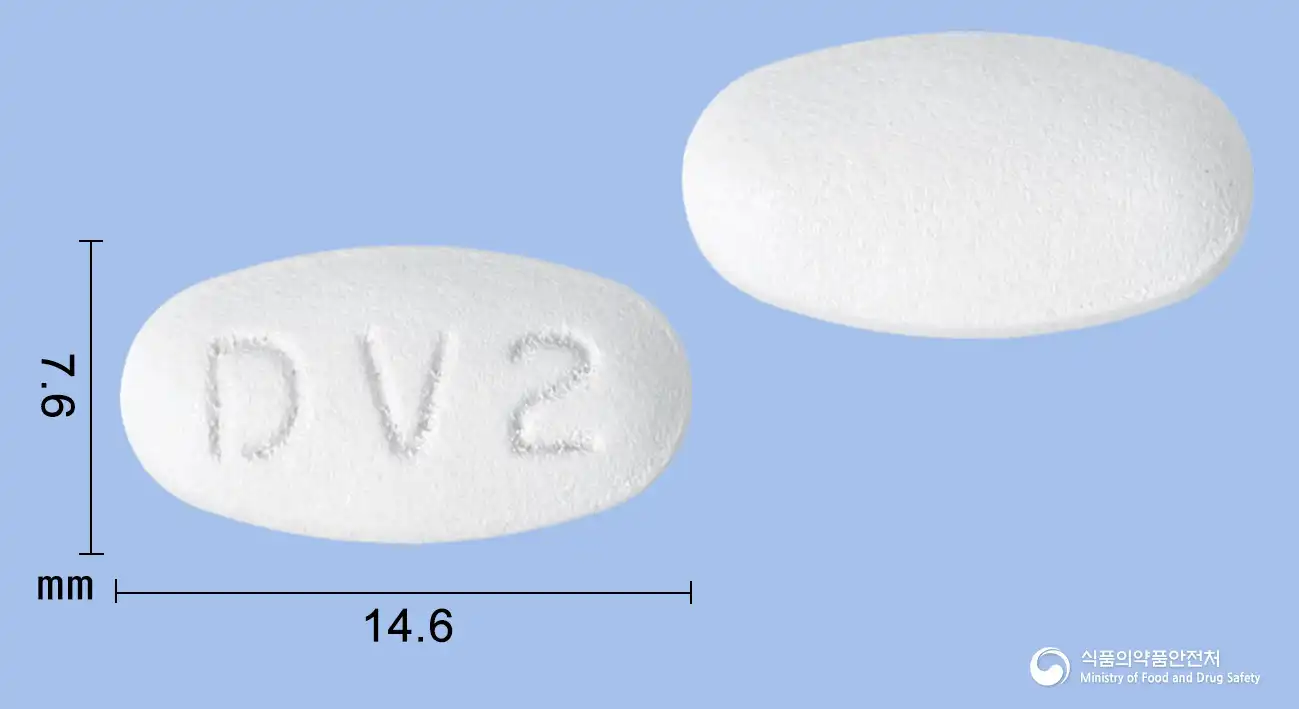
White to off-white oval extended-release coated tablet
30 tablets/bottle, 100 tablets/bottle
Even with the same ingredient, strength, dosage form and how it is taken can differ.
Viewing nowDivalproex Sodium 269.05mg
Tablet · Prescription medication
Korea Pharma Co., Ltd.
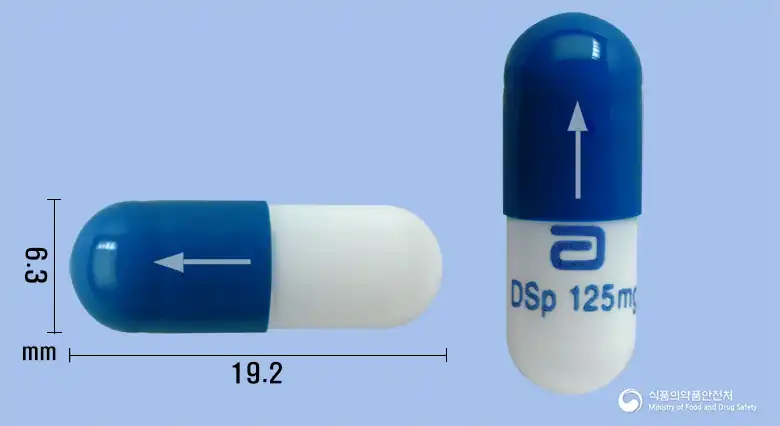
Divalproex Sodium 134.5mg
Hard capsule · Prescription medication
Abbott Korea LLC
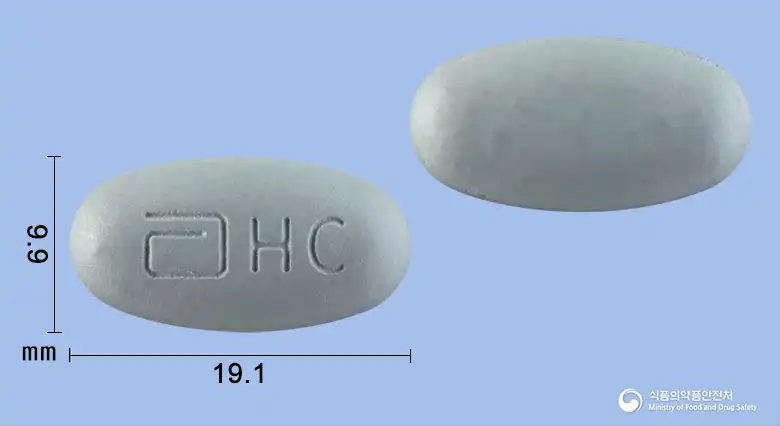
Divalproex Sodium 538.1mg
Tablet · Prescription medication
Abbott Korea, Co., Ltd.

Divalproex Sodium 269.1mg
Tablet · Prescription medication
Abbott Korea Co., Ltd.
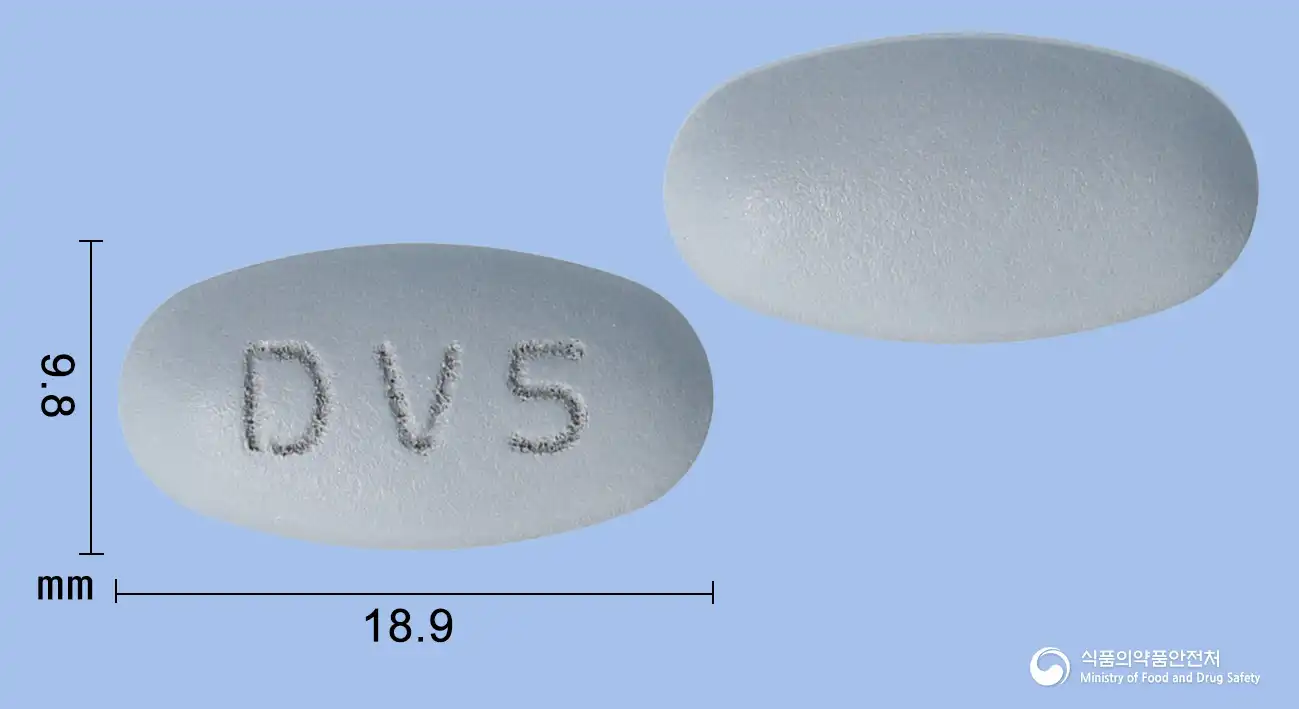
Divalproex Sodium 538.1mg
Tablet · Prescription medication
Korea Pharma Co., Ltd.
Divalproex Sodium 538.12mg
Tablet · Prescription medication
Mirae Bio Pharmaceutical Co., Ltd.
Divalproex Sodium 269.06mg
Tablet · Prescription medication
Mirebiopharma Co., Ltd.
Even with the same ingredient, the dose and directions can differ by strength and dosage form. Talk to a doctor or pharmacist before switching from a medication you are already taking.
No questions yet.
For anything that needs medical judgment, consult a doctor or pharmacist.
This drug information is based on data provided by the Korea Ministry of Food and Drug Safety.
Consult a doctor or pharmacist for accurate dosage, administration, and usage instructions.