
 한국어
 English
 日本語
 中文(简体)
Summary
- Main use
- Prevention of recurrent urinary tract infections
- Who uses it
- Adults
- Adult dosage
- Adults: Take 1 tablet orally twice daily.
Ingredients
- Manufacturer
- Korea Pharma Bio Co., Ltd.
Efficacy & effects
Prevention of recurrent urinary tract infections
- Recurrent urinary tract infections
View approved original textHide original text
This medication is used to prevent recurrent urinary tract infections. It is particularly prescribed when the causative bacteria or antibiotic susceptibility information is unknown, or when an appropriate antibiotic cannot be used. In other words, it helps effectively prevent and manage infections.
Dosage and Administration
Adult dosage
Adults: Take 1 tablet orally twice daily.
Precautions
This medication may cause the production of small amounts of ammonia and formaldehyde in patients with impaired liver function, which can lead to adverse reactions or acute liver failure, and thus caution is required. It should not be used in patients with poor kidney function, severe liver dysfunction, severe dehydration, hyperphosphatemia, or those taking alkalizing agents such as sulfonamide drugs or potassium citrate mixtures. Also, it should not be administered to those who have allergic reactions to any component of this medication. Patients with liver function issues should be closely monitored while taking this medication. During the use of this medication, side effects such as nausea, vomiting, abdominal pain, itching, urinary difficulties, and rash may occur, and if any unusual symptoms appear, one should consult a healthcare professional immediately. This medication should not be used for the treatment of acute substantive infections, and excessive long-term dosing may cause symptoms such as bladder irritation or hematuria. It works best when urine is kept acidic; thus, medications or foods that cause alkaline urine should be avoided. During the treatment of urinary tract infections, regular urine testing should be performed to confirm therapeutic efficacy, and in long-term use, kidney function and serum levels of phosphate and sodium should be periodically tested. Patients with liver function impairment should regularly undergo liver function tests. This medication should not be taken with sulfonamide drugs or alkalizing agents, as this increases the risk of urinary stones. Caution is also advised when taken with certain diuretics or antacids, as it may reduce effectiveness. The safety of use during pregnancy has not been established, so benefits and risks should be carefully considered regarding effects on the fetus, and it is recommended to discontinue breastfeeding as it is excreted in breast milk. This medication may affect the results of certain clinical tests, so the healthcare provider should be informed of its use when undergoing tests. In cases of overdose, vomiting and hematuria may occur, requiring immediate emergency measures such as inducing vomiting, gastric lavage, or administering activated charcoal. This medication should be kept in a safe place out of the reach of children, and care should be taken not to transfer it to other containers as this may affect its quality.
Side effects
- Nausea
- vomiting
- abdominal pain
- pruritus
- urinary difficulty
- rash
- bladder irritation
- frequent urination
- albuminuria
- hematuria
Not everyone experiences these, and they can vary from person to person.
Storage
This medication should be stored in a tightly closed container that prevents air and moisture ingress, ideally at room temperature between 1 and 30 degrees Celsius. Storing it this way can help maintain the medication's effectiveness for longer.
Appearance and packaging
Appearance
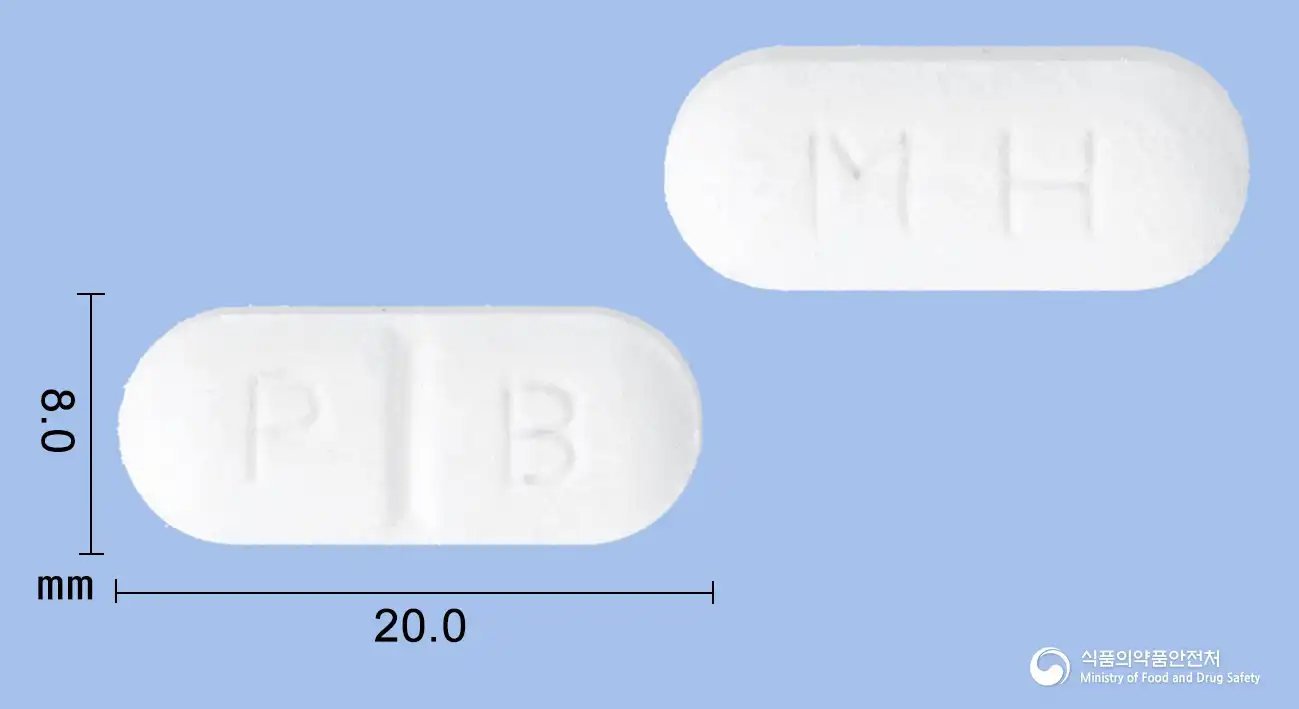
White, oblong tablet
Package unit
60 tablets/box [10 tablets X 6 PTP], 30 tablets/box [10 tablets X 3 PTP], 10 tablets/box [10 tablets X PTP], 100 tablets/bottle, 30 tablets/bottle, 60 tablets/bottle
Questions about this medicine
No questions yet.
For anything that needs medical judgment, consult a doctor or pharmacist.