
 한국어
한국어 English
 日本語
日本語 中文(简体)
 Viewing now
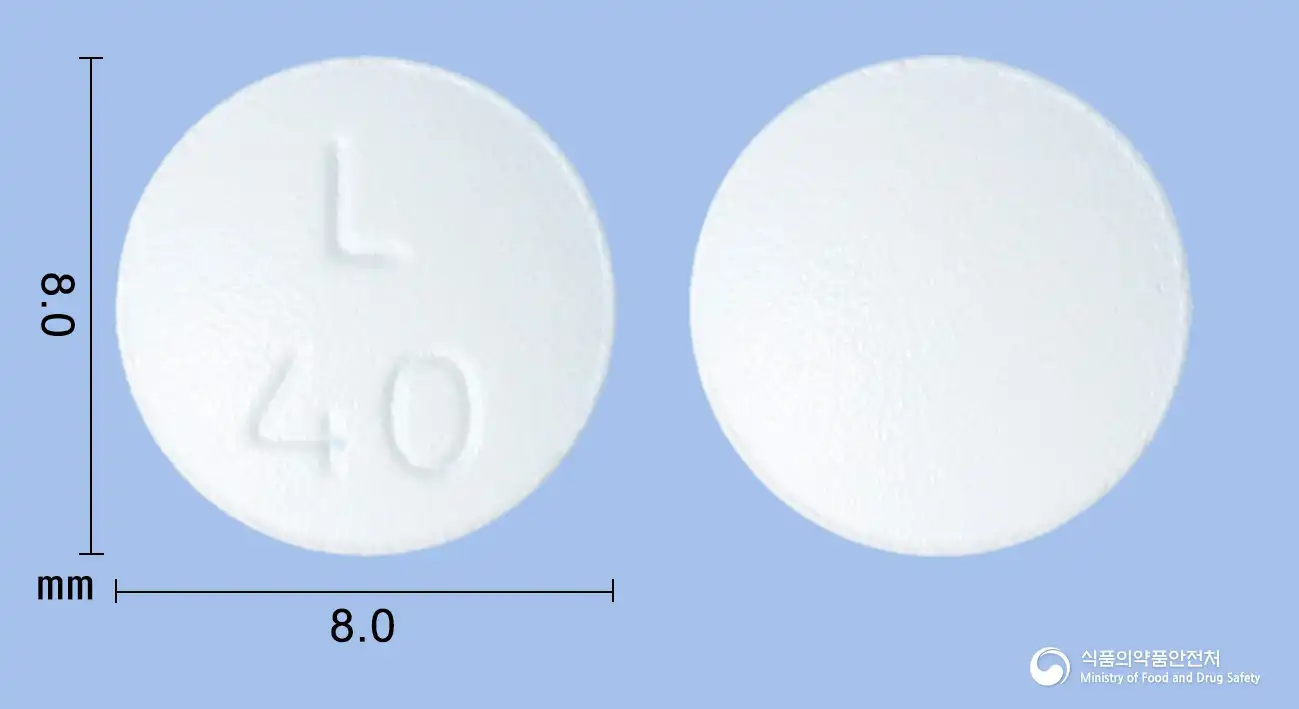
Latuda 40 mg Tablets (Lurasidone Hydrochloride)
Lurasidone Hydrochloride 40mg
Tablet · Prescription medication
Bukwang Pharmaceutical Co., Ltd.
MFDS item code 202303208 · Approved 2023.11.23 · Insurance code 642204810
Treatment of schizophrenia and bipolar disorder (major depressive episode)
This medication is used to treat schizophrenia in adolescents aged 13 and older and adults. It is also used for the treatment of major depressive episodes associated with type 1 bipolar disorder in children aged 10 and older and adults.
Administer with food or after meals. 1. Schizophrenia: start with 40 mg once daily, using within the total daily range of 40 to 160 mg. The maximum daily dose is 160 mg. 2. Major depressive episode in type 1 bipolar disorder: start with 20 mg once daily as monotherapy or adjunct therapy with lithium/valproate, using within the total daily range of 20 to 120 mg. The maximum daily dose
1. Adolescents aged 13 years and older with schizophrenia: start with 40 mg once daily, and use within the total daily range of 40 to 80 mg. The maximum daily dose is 80 mg. 2. Children aged 10 years and older
This medication should not be used in elderly patients with dementia-related psychosis due to an increased risk of death. There may be an increase in suicidal thoughts or actions during treatment, so patients' conditions should be closely monitored, especially during the initial months of treatment and when changing dosages. This medication can cause a serious side effect called neuroleptic malignant syndrome, characterized by high fever, muscle rigidity, and changes in mental status; if any of these symptoms occur, discontinue use immediately and inform medical personnel. Long-term use may lead to tardive dyskinesia, an irreversible movement disorder; if symptoms appear, consider discontinuing the medication. This medication may increase blood sugar levels, so patients with diabetes or those at risk of diabetes should monitor their blood sugar levels regularly. Elderly patients with dementia may have a higher risk of cerebrovascular adverse reactions such as stroke; therefore, this medication is not used for the treatment of dementia-related psychosis. Patients with allergies to this medication or its components, or those taking drugs that strongly inhibit or induce the enzyme (CYP3A4) responsible for metabolizing drugs in the liver should not use this medication. Patients with impaired kidney or liver function, those with diabetes, patients with low white blood cell counts or a history of leukopenia, those at risk of hypotension, patients with a history of seizures, and pregnant or breastfeeding women should use this medication with caution. This medication may cause drowsiness, nausea, vomiting, insomnia, anxiety, muscle rigidity, tremors, and other side effects, which may occur more frequently with higher doses. Other reported side effects include weight gain, increased prolactin levels, elevated blood pressure, indigestion, constipation, etc., so regular health monitoring is necessary. It is important to consult medical personnel immediately if any unusual symptoms occur during the use of this medication.
Hives, severe swelling, chest tightness, difficulty breathing, cold sweat, paleness, severe rash with fever, blisters, skin peeling, pain in mucous membranes of the mouth/eyes, shortness of breath or difficulty breathing, asthma attacks, respiratory difficulties accompanied by cough and fever, yellowing of the skin or eyes, extreme lethargy, sudden severe headache, lightning headache, seizures, confusion, visual disturbances, paralysis, markedly decreased urine output,
Not everyone experiences these, and they can vary from person to person.
This medication should be stored in a tightly sealed container to prevent exposure to air and moisture. It is important to maintain the storage temperature between 1°C and 30°C to ensure the effectiveness of the medication.
White to grayish-white round film-coated tablets
30 tablets/bottle, 90 tablets/bottle
Even with the same ingredient, strength, dosage form and how it is taken can differ.
Viewing nowLurasidone Hydrochloride 40mg
Tablet · Prescription medication
Bukwang Pharmaceutical Co., Ltd.
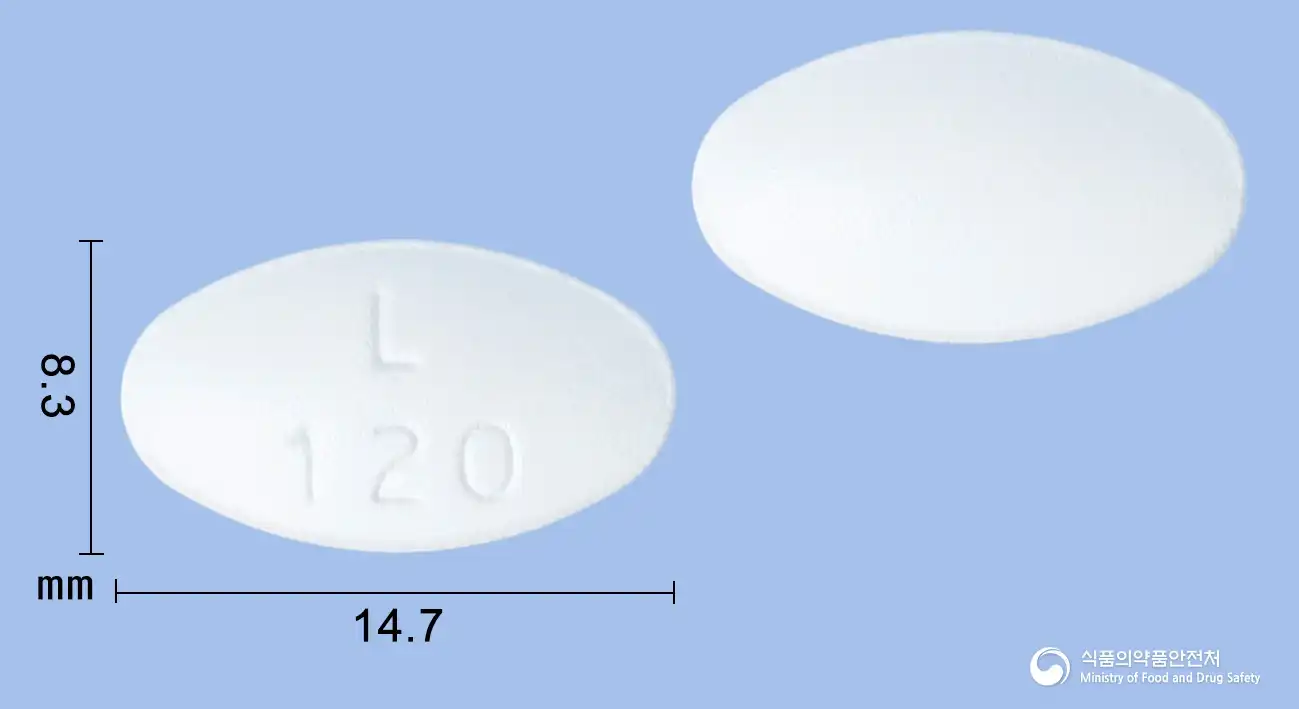
Lurasidone Hydrochloride 120mg
Tablet · Prescription medication
Bukwang Pharmaceutical Co., Ltd.
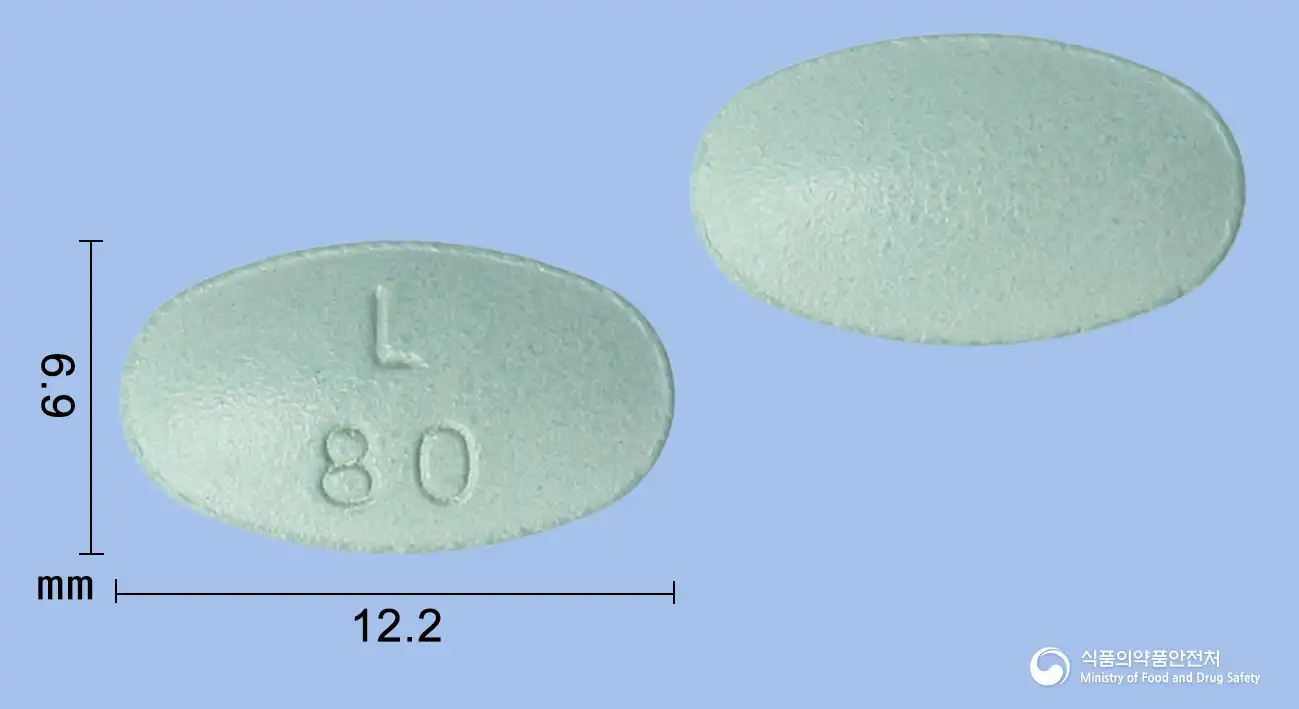
Lurasidone Hydrochloride 80mg
Tablet · Prescription medication
Bukwang Pharmaceutical Co., Ltd.
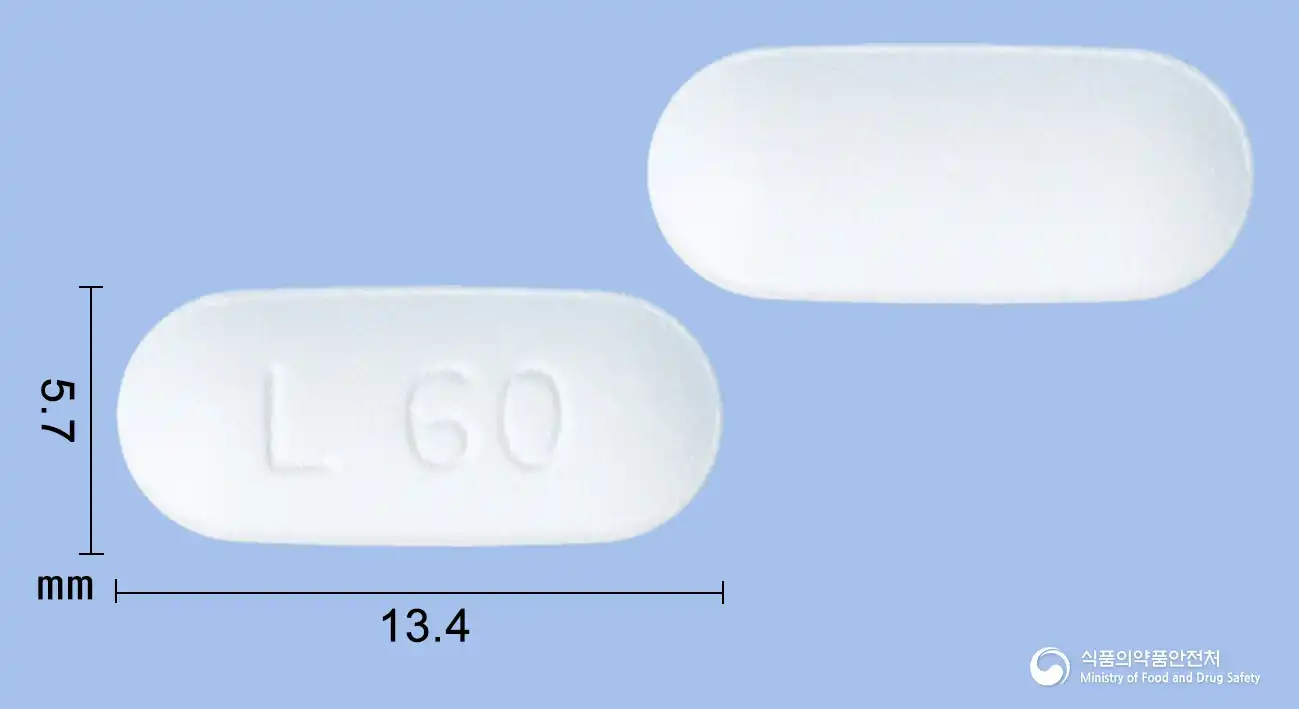
Lurasidone Hydrochloride 60mg
Tablet · Prescription medication
Bukwang Pharmaceutical Co., Ltd.
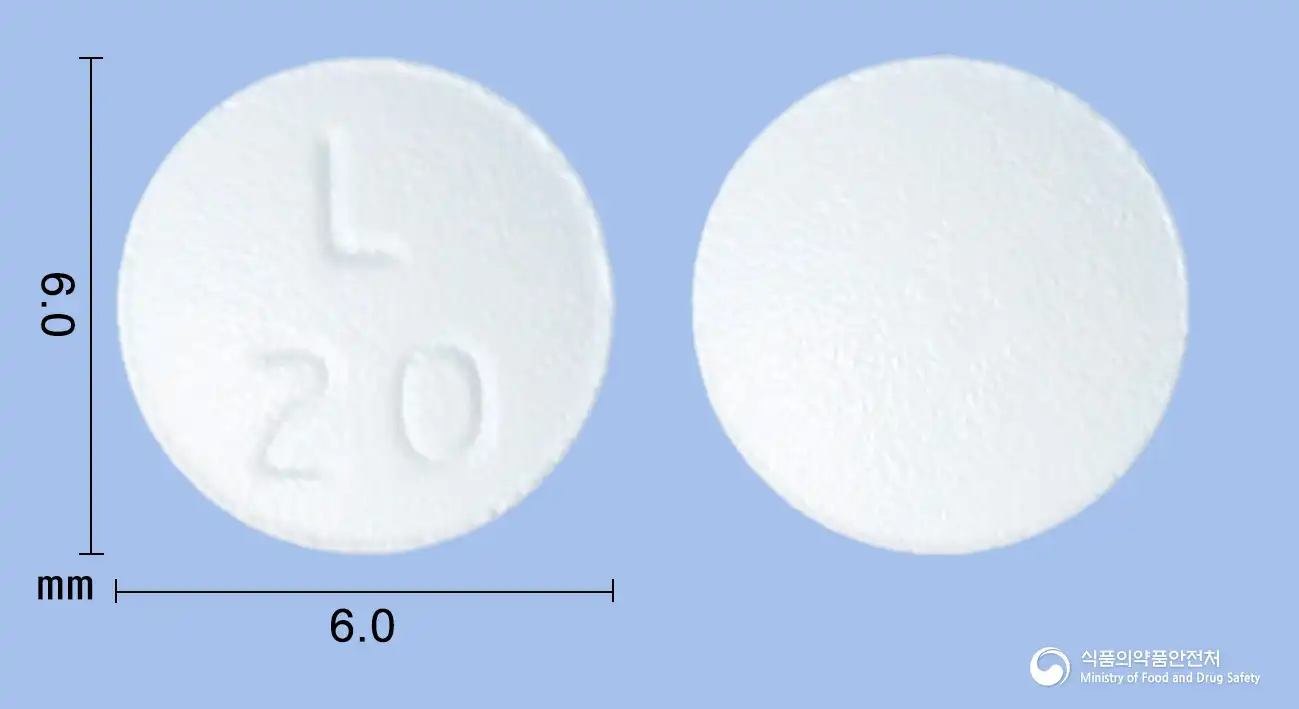
Lurasidone Hydrochloride 20mg
Tablet · Prescription medication
Bukwang Pharmaceutical Co., Ltd.
Even with the same ingredient, the dose and directions can differ by strength and dosage form. Talk to a doctor or pharmacist before switching from a medication you are already taking.
No questions yet.
For anything that needs medical judgment, consult a doctor or pharmacist.
This drug information is based on data provided by the Korea Ministry of Food and Drug Safety.
Consult a doctor or pharmacist for accurate dosage, administration, and usage instructions.