
 한국어
 English
 日本語
 中文(简体)
 Viewing now
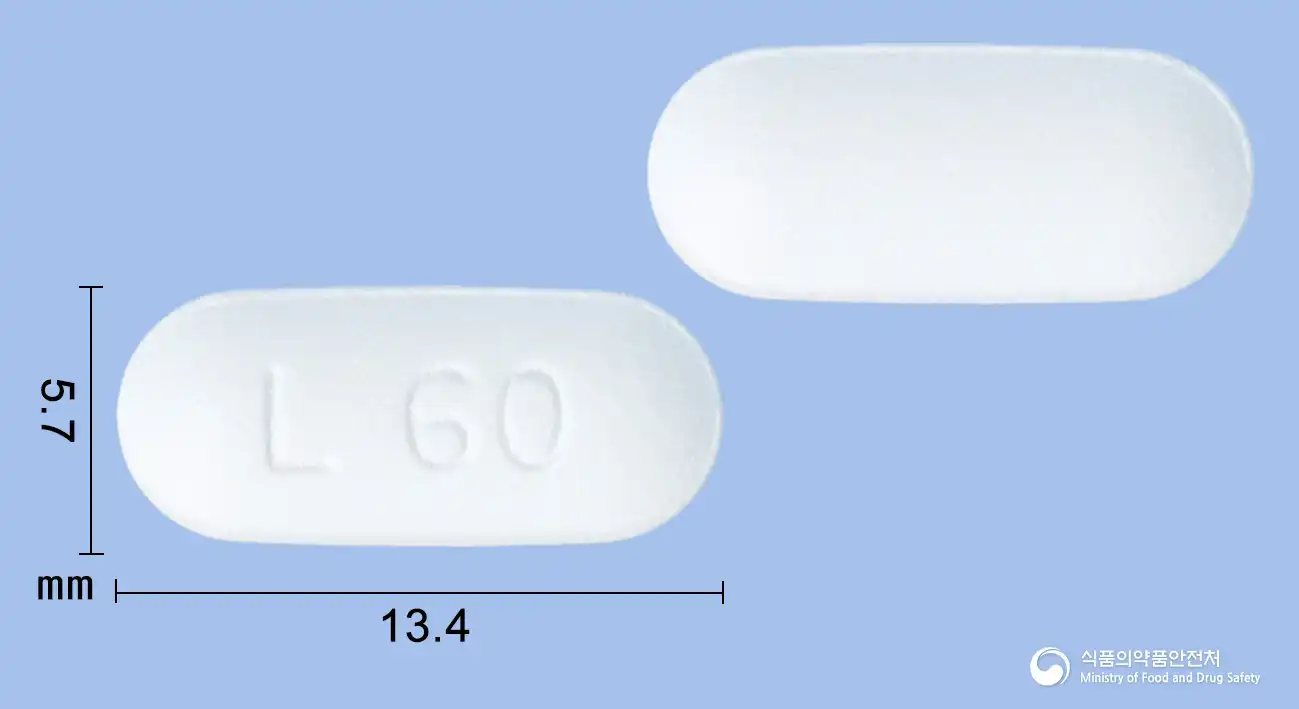
Latuda 60 mg (Lurasidone Hydrochloride)
Lurasidone Hydrochloride 60mg
Tablet · Prescription medication
Bukwang Pharmaceutical Co., Ltd.
MFDS item code 202303206 · Approved 2023.11.23 · Insurance code 642204790
Treatment of schizophrenia and major depressive episodes associated with bipolar I disorder
This medication is used for the treatment of schizophrenia in adolescents aged 13 years and older and adults. It is also effective for major depressive episodes associated with type 1 bipolar disorder in children aged 10 years and older and adults. Therefore, it is used to improve the symptoms of these mental disorders and assist patients in their daily lives.
Because absorption increases when administered with food, take this drug with or after a meal. The therapeutic dose of this drug should be adjusted according to the specialist's judgment and the patient's clinical response, and the minimum effective dose should be used whenever possible. Schizophrenia in adults: Initiate treatment at 40 mg once daily. This drug is effective within a total daily dose range of 40 ∼ 160 mg, and the maximum total daily dose is 160 mg. Major depressive episodes associated with bipolar I disorder in adults: Initiate treatment at 20 mg once daily, as monotherapy or as adjunctive therapy with lithium or valproate. This drug is effective within a total daily dose range of 20 ∼ 120 mg, and the maximum total daily dose is 120 mg. In clinical trials, the higher dose range did not provide additional efficacy on average compared with the lower dose range. The efficacy of this drug has not been established for the treatment of manic episodes associated with bipolar disorder. Dose adjustment is recommended for patients with moderate (creatinine clearance: 30 ∼ <50 mL/min) or severe (creatinine clearance: < 30 mL/min) renal impairment. Initiate treatment at 20 mg once daily; the total daily dose must not exceed 80 mg. Dose adjustment is recommended for patients with moderate (Child-Pugh Score 7 ∼ 9 points) or severe (Child-Pugh Score 10 ∼ 15 points) hepatic impairment. Initiate treatment at 20 mg once daily. The total daily dose must not exceed 80 mg in patients with moderate hepatic impairment or 40 mg in patients with severe hepatic impairment. This drug must not be coadministered with strong CYP3A4 inhibitors (e.g., ketoconazole, clarithromycin, ritonavir, voriconazole, mibefradil, etc.). When this drug is coadministered with moderate CYP3A4 inhibitors (e.g., diltiazem, atazanavir, erythromycin, fluconazole, verapamil, etc.), reduce the dose of this drug by half. When coadministered with a moderate CYP3A4 inhibitor, initiate treatment at 20 mg daily; the maximum total daily dose is 80 mg. This drug must not be coadministered with strong CYP3A4 inducers (e.g., rifampicin, avasimibe, St. John's wort, phenytoin, carbamazepine, etc.). When this drug is coadministered with moderate CYP3A4 inducers (e.g., bosentan, efavirenz, etravirine, modafinil, rapsiline), increase the dose of this drug only after the CYP3A4 inducer has been administered for 7 days or more. Because grapefruit and grapefruit juice inhibit CYP3A4 and may affect the blood concentration of this drug, patients taking this drug should avoid consuming them.
Schizophrenia in adolescents 13 years and older: Initiate treatment at 40 mg once daily. This drug is effective within a total daily dose range of 40 ∼ 80 mg, and the maximum total daily dose is 80 mg. Major depressive episodes associated with bipolar I disorder in children 10 years and older: As monotherapy, initiate treatment at 20 mg once daily; the dose may be increased after 1 week based on clinical response. As monotherapy, this drug is effective within a total daily dose range of 20 ∼ 80 mg, and the maximum total daily dose is 80 mg. Adjunctive therapy with lithium or valproate has not been established in children 10 years and older
This drug should not be used in elderly patients with dementia-related psychosis as it may increase the risk of death. Additionally, this medication may increase the risk of suicidal thoughts or behaviors, so patient conditions should be closely monitored, especially during the initial treatment phase or when changing the dosage. If symptoms such as high fever, muscle stiffness, or changes in consciousness occur during treatment, it may indicate a serious condition known as neuroleptic malignant syndrome, and the healthcare provider should be informed immediately. Long-term use may lead to involuntary abnormal movements, and if symptoms occur, consultation with a healthcare provider is necessary. This drug may raise blood sugar levels, so diabetic patients should regularly check their blood sugar control status, and patients at risk of diabetes should also undergo periodic blood sugar tests. Due to the risk of cerebrovascular problems such as stroke in elderly patients with dementia, this drug is not used for the treatment of dementia-related psychosis. Patients with a history of allergic reactions to this drug or its additives, individuals with significantly impaired liver or kidney function, and those taking certain medications should not use this drug. Patients with impaired kidney or liver function, diabetics, patients with low blood cell counts, those at risk of hypotension, those with a history of seizures, and pregnant or breastfeeding women should use this medication with caution. During treatment, side effects such as drowsiness, dizziness, nausea, anxiety, insomnia, muscle stiffness may occur, and if these symptoms are severe, it is important to consult with a healthcare provider. Furthermore, metabolic and endocrine changes such as weight gain, increased blood pressure, and elevated prolactin levels may occur, necessitating regular health check-ups. If any abnormal symptoms appear during medication, it is important to consult a specialist immediately for appropriate measures.
Not everyone experiences these, and they can vary from person to person.
This medication may be sensitive to air or moisture, so it should be stored in a tightly closed container. It is recommended to maintain a storage temperature between 1 to 30 degrees Celsius at room temperature. This will help maintain the drug's effectiveness over time.
White to pale white oblong film-coated tablet
30 tablets/bottle, 90 tablets/bottle
Even with the same ingredient, strength, dosage form and how it is taken can differ.
Viewing nowLurasidone Hydrochloride 60mg
Tablet · Prescription medication
Bukwang Pharmaceutical Co., Ltd.
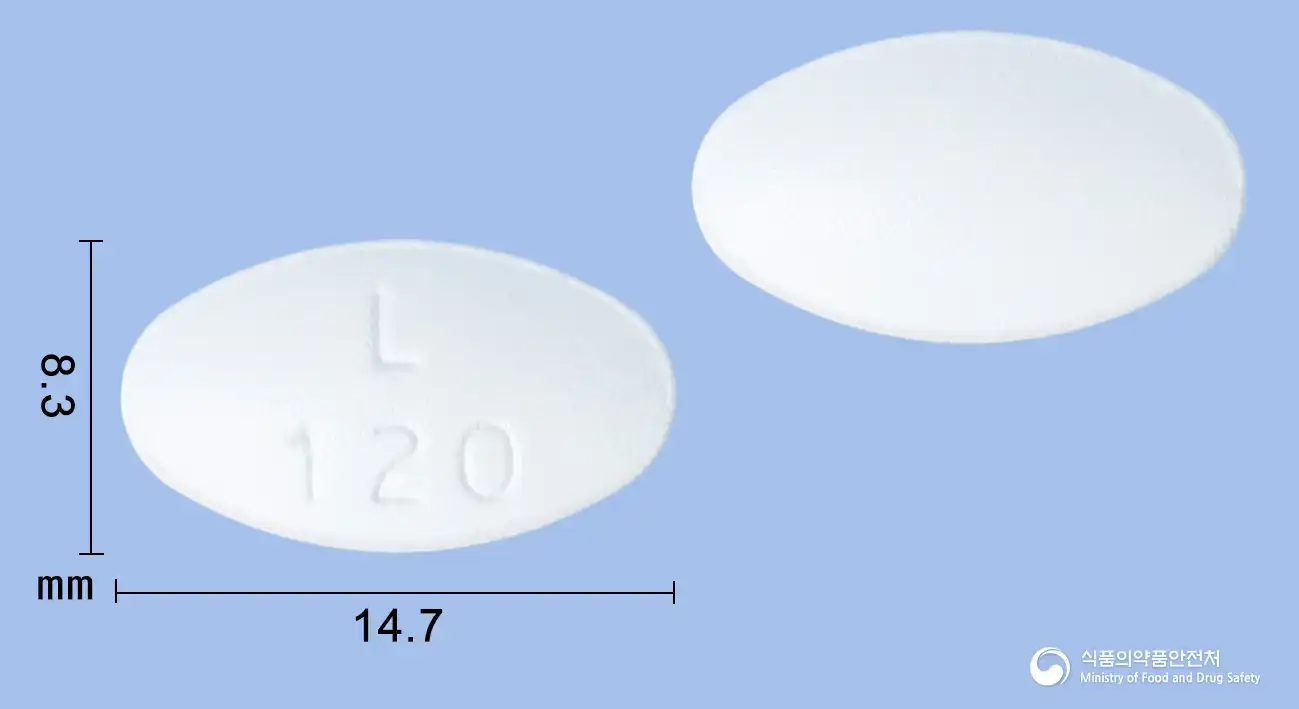
Lurasidone Hydrochloride 120mg
Tablet · Prescription medication
Bukwang Pharmaceutical Co., Ltd.
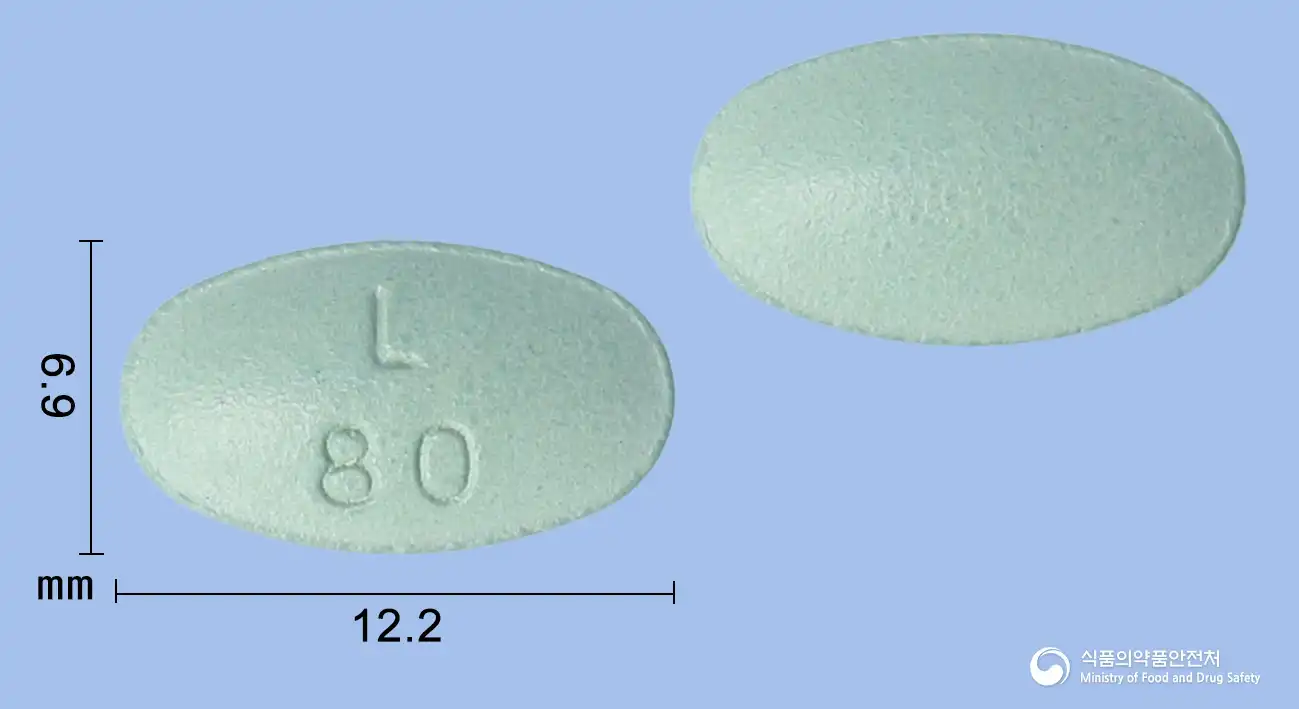
Lurasidone Hydrochloride 80mg
Tablet · Prescription medication
Bukwang Pharmaceutical Co., Ltd.
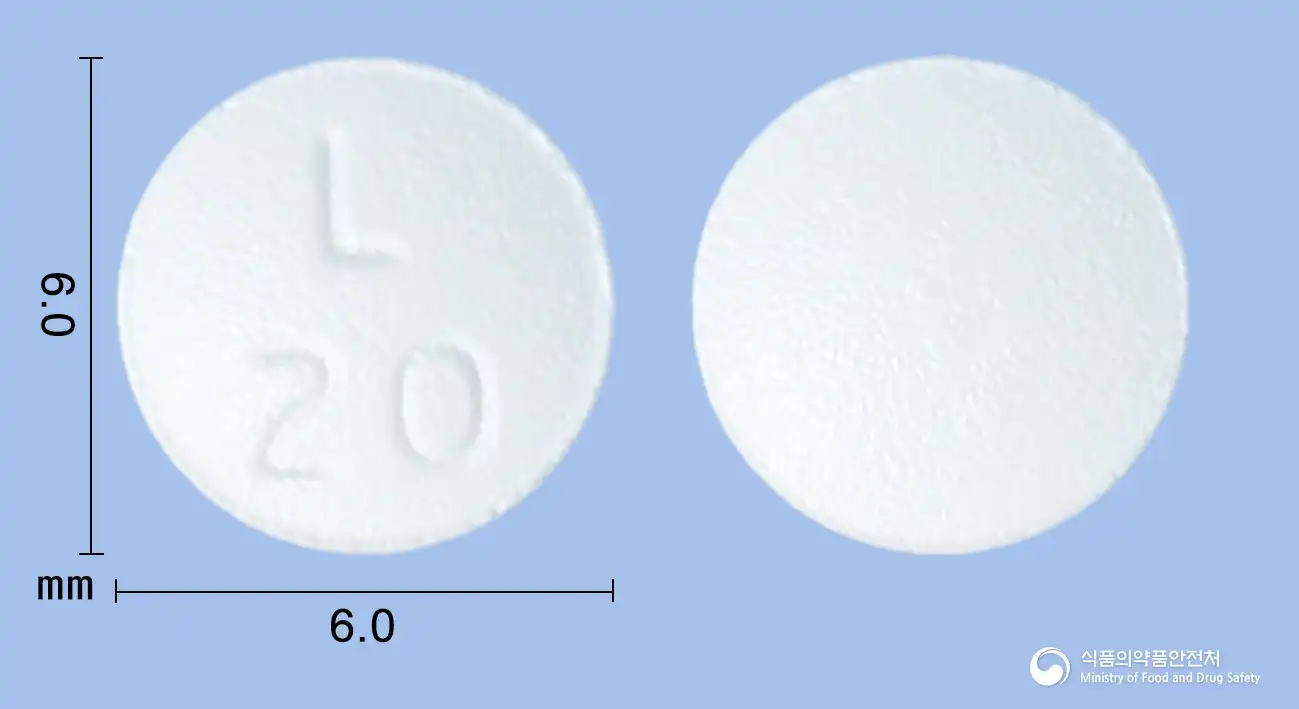
Lurasidone Hydrochloride 20mg
Tablet · Prescription medication
Bukwang Pharmaceutical Co., Ltd.
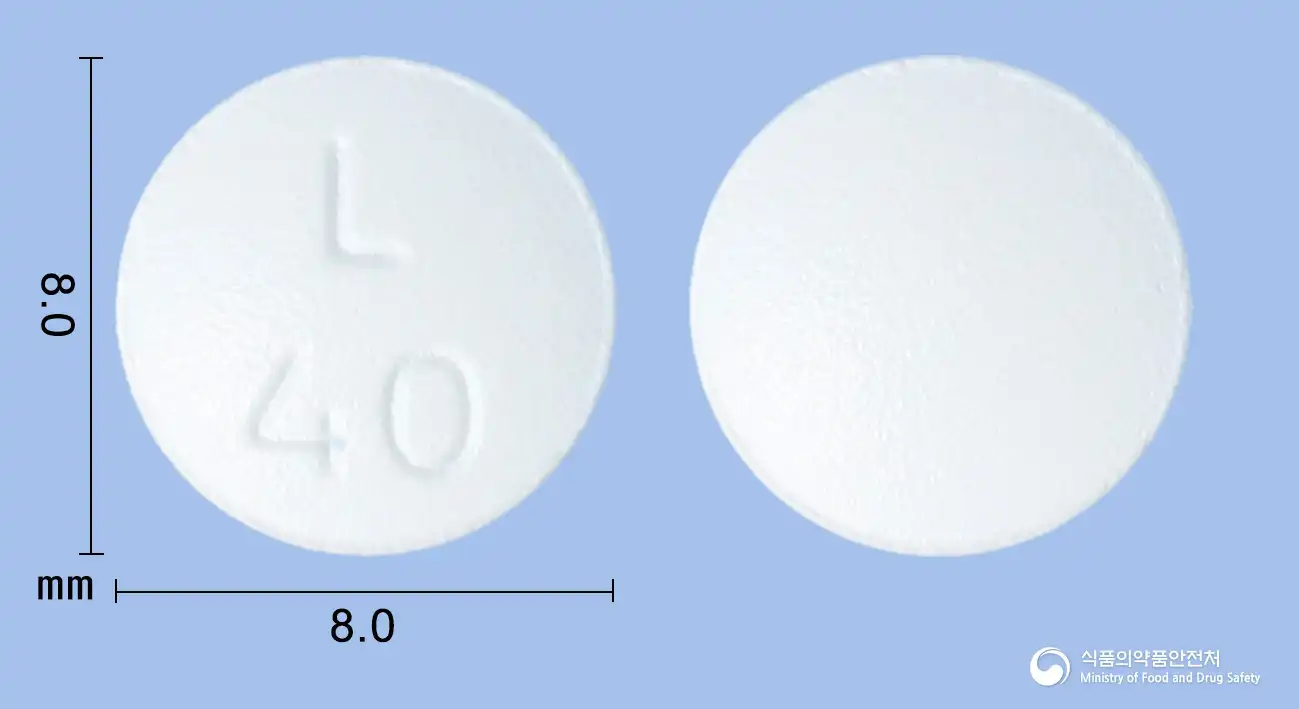
Lurasidone Hydrochloride 40mg
Tablet · Prescription medication
Bukwang Pharmaceutical Co., Ltd.
Even with the same ingredient, the dose and directions can differ by strength and dosage form. Talk to a doctor or pharmacist before switching from a medication you are already taking.
No questions yet.
For anything that needs medical judgment, consult a doctor or pharmacist.
This drug information is based on data provided by the Korea Ministry of Food and Drug Safety.
Consult a doctor or pharmacist for accurate dosage, administration, and usage instructions.