
 한국어
한국어 English
 日本語
日本語 中文(简体)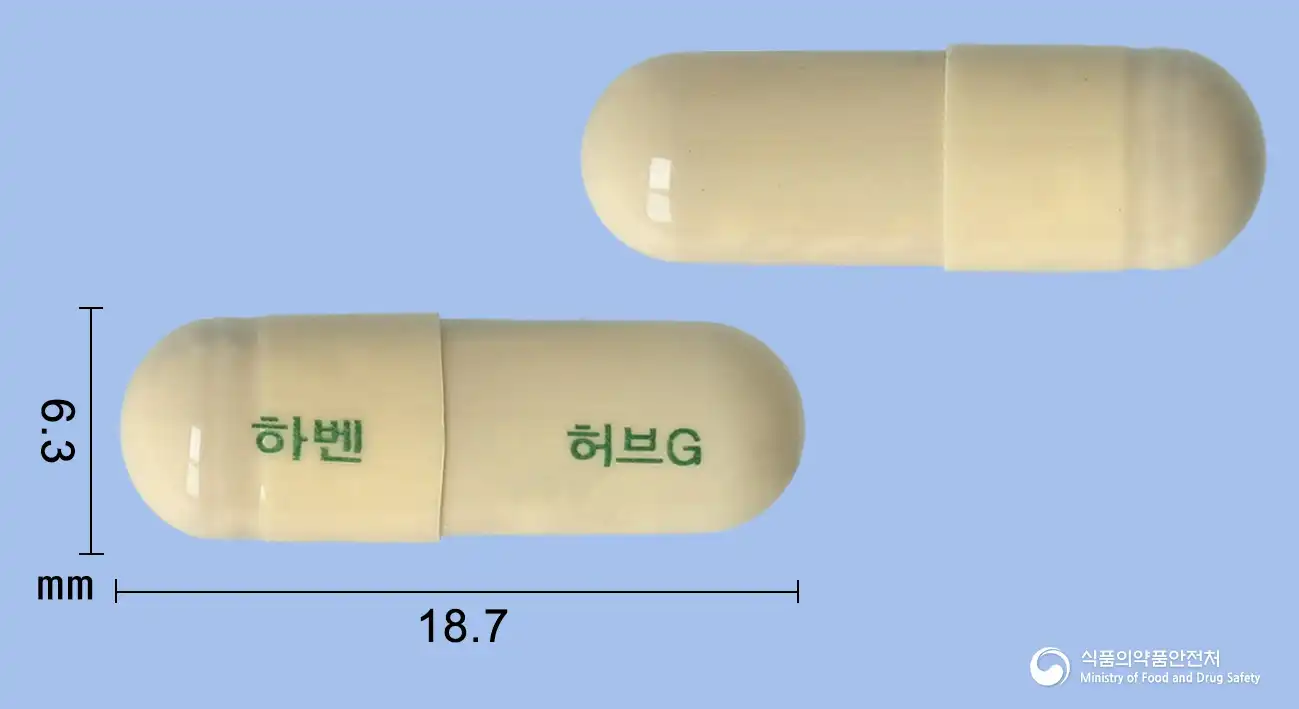
Summary
- Main use
- Relief of cold symptoms (such as runny nose, nasal congestion, etc.)
- Who takes it
- Adults · Children
- Adult dose
- Adults and individuals aged 15 years and older: 2 capsules three times a day, 30 minutes after meals.
- Child dose
- Children aged 8 years and older and less than 15 years: 1 capsule three times a day, 30 minutes after meals.
Ingredients
- Acetaminophen200mg / 1 capsule
- Guaifenesin28mg / 1 capsule
- Pseudoephedrine Hydrochloride15mg / 1 capsule
- Dextromethorphan Hydrobromide Hydrate8mg / 1 capsule
- Chlorpheniramine Maleate1.25mg / 1 capsule
- Thiamine Nitrate4mg / 1 capsule
- Riboflavin2mg / 1 capsule
- Glycyrrhiza Dried Extract (5→1)21mg / 1 capsule
- Platycodon Root 50% Ethanol Dried Extract (10→1)15mg / 1 capsule
- Cinnamon Bark Dried Extract (31.3→1)10mg / 1 capsule
- Manufacturer
- 고려제약(주)
Efficacy & effects
Relief of cold symptoms (such as runny nose, nasal congestion, etc.)
- Runny nose
- nasal congestion
- sneezing
- sore throat
- cough
- phlegm
- chills
- fever
- headache
- joint pain
- muscle pain
View approved original textHide original text
This medication is effective in alleviating symptoms of colds, including runny nose, nasal congestion, sneezing, sore throat, cough, phlegm, chills, fever, headache, joint pain, and muscle pain. It helps to quickly relieve symptoms, allowing patients to comfortably carry out their daily activities. By alleviating these symptoms, it supports recovery from colds and reduces discomfort. Therefore, it is used for the relief of cold symptoms.
How to take
Adult dose
Adults and individuals aged 15 years and older: 2 capsules three times a day, 30 minutes after meals.
Child dose
Children aged 8 years and older and less than 15 years: 1 capsule three times a day, 30 minutes after meals.
Precautions
This medication may burden the liver; therefore, individuals who regularly consume more than three glasses of alcohol daily should consult a doctor or pharmacist before use. The acetaminophen component can, in rare cases, cause serious skin allergic reactions, so discontinue use immediately if symptoms such as rash or itching occur. The maximum daily dosage of acetaminophen should not exceed 4,000 mg, and it should not be taken concurrently with other acetaminophen-containing products. The pseudoephedrine component can, in rare cases, cause severe skin reactions; thus, if fever, red spots, or small blisters develop, discontinue use and consult a doctor or pharmacist. This medication should not be used by individuals with allergies to certain components or those with a history of asthma, infants under three months old, people taking certain antidepressants or psychiatric medications, patients with uncontrolled high blood pressure, or those with severe kidney disease. During use, it is advisable not to take other oral medications, including cough suppressants, other cold medications, antipyretic analgesics, sedatives, and antihistamines. Children suspected of having or having had chickenpox or flu, individuals with specific allergic conditions, persons with chronic diseases such as liver, kidney, or heart diseases, and pregnant or breastfeeding women must consult a specialist before use. If symptoms such as rash, vomiting, dizziness, difficulty breathing, or jaundice occur during use, discontinue and consult medical personnel immediately, and if symptoms do not improve after 5 to 6 doses, visit a hospital. This medication should not be administered to children under two years of age except in special cases, and supervision by a guardian is required during administration. Adhere to the prescribed dosage, avoid prolonged use, refrain from alcohol consumption, and exercise caution when driving or operating machinery. Additionally, taking this medication with certain diuretics or drugs containing licorice may cause muscular weakness or electrolyte abnormalities, so vigilance is necessary. This medication should be stored in a cool, dry place, out of reach of children, and in a closed container to prevent exposure to air or moisture, avoiding direct sunlight and not transferring to other containers.
Side effects and when to seek care immediately
Serious side effects
- Hives, severe swelling (edema), chest tightness, difficulty breathing, cold sweats, pallor → severe allergic reaction
- Severe rash with high fever, blisters, severe skin peeling, pain in oral/ocular mucous membranes → severe skin reactions
- Shortness of breath or difficulty breathing, asthma attacks, breathing difficulties accompanied by cough + fever → respiratory issues
- Yellowing of skin or eyes (jaundice), extreme lethargy → liver issues (jaundice)
- Sudden
Mild side effects
- Rash
- redness
- itching
- nausea
- vomiting
- loss of appetite
- constipation
- edema
- difficulty urinating
- excessive thirst (persistent or severe)
Show 4 moreCollapse
- dizziness
- anxiety
- tremors
- insomnia
Not everyone experiences these, and they can vary from person to person.
Interactions
Drug interactions
Do not use this medication concurrently with any oral medications that contain cough suppressants, cold medicines, antipyretic analgesics, sedatives, or antihistamines. Do not take with MAO inhibitors (depressants, antipsychotics, mood stabilizers, anticholinergics, etc.), other cough suppressants, cold medications, antihistamines, and sedatives. If you are taking other medications, including those for diabetes, gout, arthritis, anticoagulants, or steroids, consult your doctor or pharmacist.
Food interactions
Do not take this medication with alcohol. Caution is advised when taken with potassium-containing preparations, licorice-containing preparations, glycyrrhizin or its salts.
Storage
This medication should be stored in a tightly sealed container to avoid exposure to air or moisture and is best kept at a temperature between 1 and 30 degrees Celsius. Therefore, maintaining the proper temperature and environment is crucial to preserving the drug's efficacy and preventing degradation.
Appearance and packaging
Appearance
Hard capsule consisting of a brown and white powder contained in yellowish hard capsules.
Package unit
10 capsules / box [10 capsules / PTPI × 1]
Questions about this medicine
QI am taking blood pressure medication; can I also take this cold medicine?
It is noted that this medication may cause an increase in blood pressure or swelling in the face and hands/feet. If taken along with loop diuretics, it is advised to consult with a doctor or pharmacist. If you are taking blood pressure medication, please verify with the prescribing doctor or pharmacist before taking this medication.
Answers 1 · 2026.09.14
QHow many capsules should my daughter, who is in the upper grades of elementary school, take?
For children aged 8 and above but under 15 years, the recommended dosage is 1 capsule taken 3 times a day, 30 minutes after meals. If the child is taking other medications, please consult a pharmacist to ensure there are no overlapping ingredients.
Answers 1 · 2026.09.14
QI have a cough, phlegm, and a runny nose; will this one be enough?
This medication is used to alleviate cold symptoms such as a runny nose, nasal congestion, cough, phlegm, sore throat, and fever. For individuals aged 15 and older, the dosage is 2 capsules taken 3 times a day, 30 minutes after meals; avoid taking it alongside other cold medications or cough suppressants.
Answers 1 · 2026.09.14
For anything that needs medical judgment, consult a doctor or pharmacist.