
 한국어
 English
 日本語
 中文(简体)
Dosage form image
Viewing nowTylenol Kids Syrup (Acetaminophen)
Acetaminophen 3.2g
Syrup · OTC medication
Bu-Kwang Pharmaceutical Co., Ltd.
MFDS item code 202302828 · Notified 2023.09.26
Relief of fever associated with the common cold and pain (such as headache, muscle pain, and toothache)
This medication helps relieve fever and pain from colds, headaches, neuralgia, muscle pain, menstrual cramps, and sprain pain. It can also be used for tooth pain and joint pain, as well as rheumatic pain, making it effective for various pain management. This medication contributes to reducing the patient's pain, allowing for more comfortable daily life. It is used overall for the improvement of diverse pain and fever symptoms.
Children aged 12 years and under: Take the recommended dose below every 4-6 hours as needed. Use this medicine for the shortest possible duration at the lowest effective dose, and do not take more than 5 times daily (75mg/kg). If body weight is known, dosing based on body weight (10~15mg/kg) is more appropriate. 4 months to 6 months, 7 ~ 7.9kg: 80mg of acetaminophen; recommended dose of this medicine per administration: 2.5mL 7 months to 23 months, 8 ~ 11.9kg: 120mg of acetaminophen; recommended dose of this medicine per administration: 3.5mL Ages 2 to 3 years, 12 ~ 15.9kg: 160mg of acetaminophen; recommended dose of this medicine per administration: 5mL Ages 4 to 6 years, 16 ~ 22.9kg: 240mg of acetaminophen; recommended dose of this medicine per administration: 7.5mL Ages 7 to 8 years, 23 ~ 29.9kg: 320mg of acetaminophen; recommended dose of this medicine per administration: 10mL Ages 9 to 10 years, 30 ~ 37.9kg: 400mg of acetaminophen; recommended dose of this medicine per administration: 12.5mL Age 11 years, 38 ~ 42.9kg: 480mg of acetaminophen; recommended dose of this medicine per administration: 15mL Age 12 years, 43kg or more: 640mg of acetaminophen; recommended dose of this medicine per administration: 20mL
This medication may put a strain on the liver, so it is essential for individuals who regularly consume more than three glasses of alcohol daily to consult their doctor or pharmacist before taking it. If skin rashes, itching, or blister-like symptoms occur while taking this medication, discontinue use immediately and consult a healthcare professional. This medication contains acetaminophen; hence, care must be taken not to exceed the maximum daily dosage and it should not be taken alongside other acetaminophen-containing medications. Those who have had allergic reactions to this medication or have peptic ulcers, severe liver disease, kidney problems, or weakened heart function should not take it. People with aspirin-induced asthma or those taking certain antidepressants and barbiturates are also advised to avoid this medication. Individuals with liver or kidney function issues or who have had such issues in the past, elderly patients, and women who are pregnant or breastfeeding should consult a healthcare professional before taking it. If sudden shortness of breath, redness of the face or body, severe skin rashes, nausea, vomiting, or bleeding symptoms occur during use, discontinue taking the medication immediately and seek medical attention. If this medication is used for a long time, regular blood tests and liver function tests should be conducted to check for abnormalities, and it is important to consult healthcare personnel if symptoms persist or worsen. Children and the elderly should use only the minimum necessary dosage and be particularly cautious of adverse reactions, avoiding concurrent use with other analgesics. In cases of overdose, treatment should be sought immediately at a hospital, even in the absence of specific symptoms, and medications for liver protection may be needed. Lastly, this medication should be kept out of reach of children and stored in its original container to maintain quality.
Liver damage, acute generalized exanthematous pustulosis, Stevens-Johnson syndrome, toxic epidermal necrolysis, shock, anaphylactic symptoms, dyspnea, generalized erythema, angioedema, urticaria, asthma attack, thrombocytopenia, agranulocytosis, hemolytic anemia, methemoglobinemia, impaired platelet function, cyanosis, hypersensitivity symptoms, facial swelling, sweating, hypotension, nausea, vomiting, decreased appetite, gastrointestinal bleeding, peptic ulcer, perforation, rash, allergic reaction, mucocutaneous syndrome, high anion gap metabolic acidosis, chronic hepatic necrosis, acute pancreatitis, chronic hepatitis, nephrotoxicity, hepatic necrosis, renal necrosis, myocardial necrosis, anaphylaxis, urticaria, pruritic rash, elevated AST, elevated ALT, fixed drug eruption
Not everyone experiences these, and they can vary from person to person.
This medication should not be taken with barbiturates, tricyclic antidepressants, or other anti-inflammatory pain relievers. Patients who are on long-term warfarin, lithium, or thiazide diuretics should consult their doctor or pharmacist.
This medication should not be taken with alcohol.
This medication should be stored in a tightly sealed container to prevent exposure to air and moisture. It is important to maintain a storage temperature between 1 and 30 degrees Celsius at room temperature. Proper storage will help preserve the medication's effectiveness and safety over time.
A cherry-flavored suspension syrup in aluminum foil pouches, white to light yellow in color.
10 sachets/box [5 milliliters/sachet × 10]
Even with the same ingredient, strength, dosage form and how it is taken can differ.
Acetaminophen 3.2g
Syrup · OTC medication
Bu-Kwang Pharmaceutical Co., Ltd.
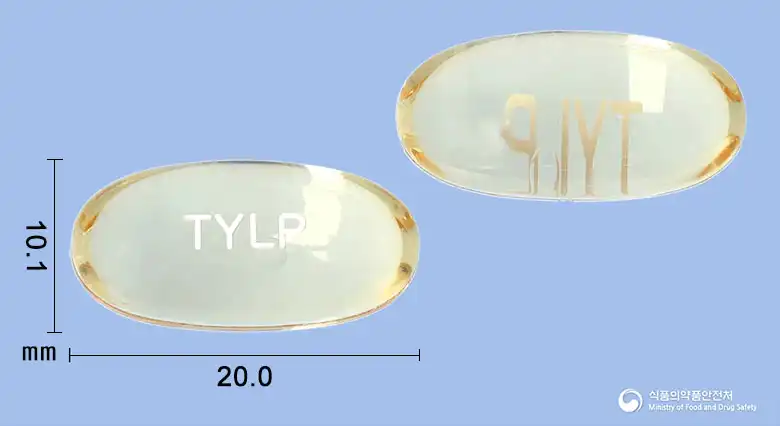
Acetaminophen 325mg
Soft capsule · OTC medication
RP Bio Co., Ltd.
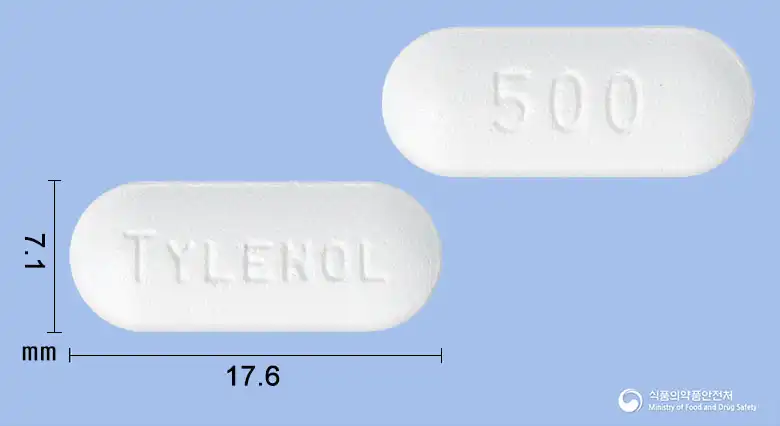
Acetaminophen 500mg
Tablet · OTC medication
Johnson & Johnson Korea, Ltd.

Acetaminophen 160mg
Tablet · OTC medication
Kolon Pharmaceutical Co., Ltd.

Acetaminophen 160mg
Tablet · OTC medication
Sama Pharmaceutical Co., Ltd.

Acetaminophen 80mg
Chewable Tablet · OTC medication
Samma Pharmaceutical Co., Ltd.
Acetaminophen 160mg
Tablet · OTC medication
Anguk Pharmaceuticals Co., Ltd.

Acetaminophen 500mg
Tablet · OTC medication
Alpha Pharmaceutical Co., Ltd.
Even with the same ingredient, the dose and directions can differ by strength and dosage form. Talk to a doctor or pharmacist before switching from a medication you are already taking.
No questions yet.
For anything that needs medical judgment, consult a doctor or pharmacist.
This drug information is based on data provided by the Korea Ministry of Food and Drug Safety.
Consult a doctor or pharmacist for accurate dosage, administration, and usage instructions.