
 한국어
한국어 English
 日本語
日本語 中文(简体)
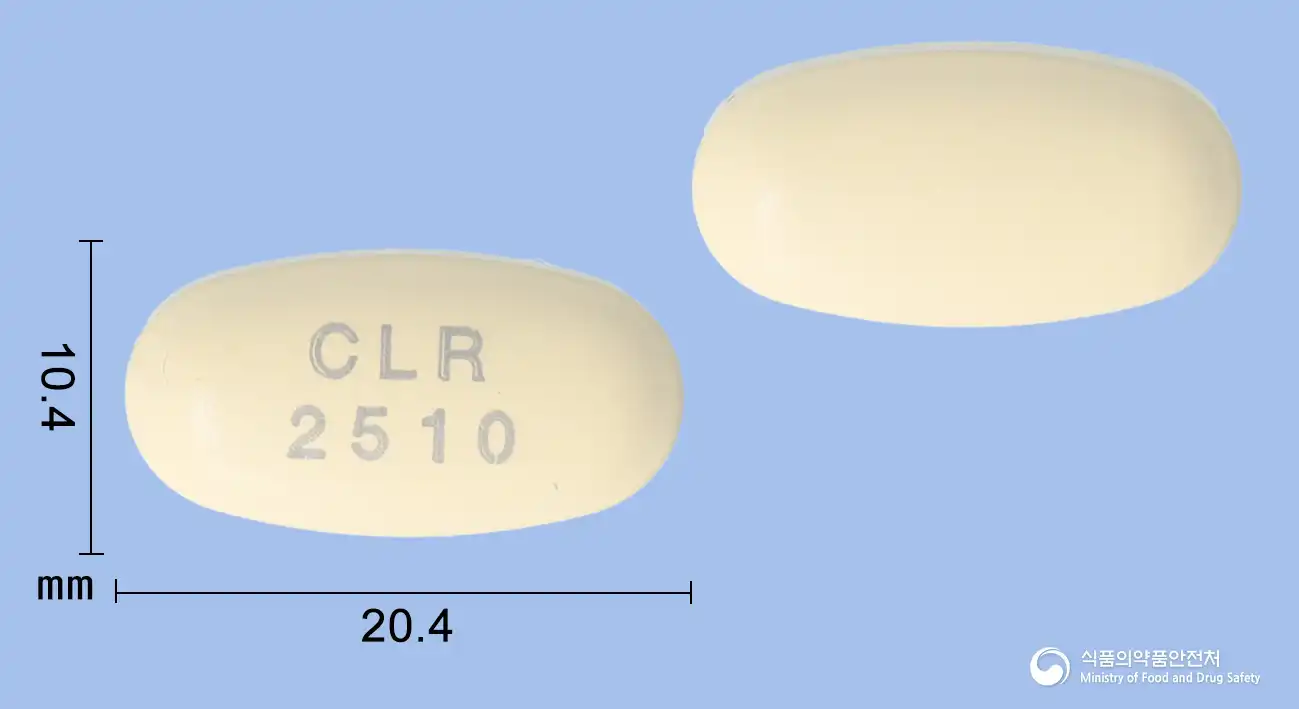 Viewing nowCombination
Nesinamet Sustained Release Tablet 25/1000 mg (Alogliptin, Metformin Hydrochloride)
Metformin Hydrochloride 1000mg · Alogliptin Benzoate 34mg
Tablet · Prescription medication · Combination
Celltrion Pharmaceutical Co., Ltd.
MFDS item code 202302753 · Approved 2023.09.14 · Insurance code 693904000
Improvement of blood sugar control in type 2 diabetes
This medication can be used in conjunction with dietary therapy and exercise therapy to improve blood sugar control in patients with type 2 diabetes. The combined action of alogliptin and metformin helps effectively lower blood sugar levels. This allows for smoother blood sugar management for patients. Therefore, this medication is used to improve blood sugar control in patients with type 2 diabetes.
Take one tablet of this 25/1000 mg sustained release medication once daily. Patients taking the 12.5/1000 mg or 12.5/500 mg sustained release tablets should take two tablets concurrently once daily. 1. If you are not currently being treated with metformin: - The initial dosage is a total daily amount of alogliptin 25 mg and metformin hydrochloride 1000 mg. - If the initial dosage does not adequately control blood sugar...
This medication can cause severe lactic acidosis or hypoglycemia; therefore, it should not be used, especially in patients with poor kidney function or severe heart disease. Patients who are hypersensitive to alogliptin, metformin, or any component of this medication, or those who have experienced allergic reactions in the past, should not take it. Patients with moderate to severe impairment of kidney function or those with acute heart failure, acute myocardial infarction, or sepsis should not take this medication. If undergoing radiological tests using iodinated contrast agents, this medication should be temporarily discontinued before and after the test, and should be resumed only after confirming normal kidney function. This medication is not suitable for patients with type 1 diabetes, diabetic ketoacidosis, or diabetic pre-coma. Patients with severe infections or those undergoing surgery, or those with moderate to severe trauma may require insulin therapy instead of this medication. If surgical procedures are to be performed, discontinue this medication 48 hours prior to surgery, and resume only after confirming normal kidney function following the surgery. Patients with impaired liver function, those with pulmonary embolism or severe lung disease, those who consume alcohol excessively, or those with dehydration or severe gastrointestinal disorders should use caution when taking this medication. This medication lowers blood sugar levels; therefore, the risk of hypoglycemia may increase when used with other blood sugar-lowering agents, so blood sugar levels should be monitored closely. During treatment, side effects such as diarrhea, nausea, headache, back pain, and infections may occur. If symptoms are severe, consult a doctor. Women who are pregnant or may become pregnant should avoid taking this medication, and breastfeeding women should also avoid it. The elderly should undergo regular kidney function tests due to the potential for decreased kidney function and should be treated with the minimal effective dose. In case of overdose, medical monitoring and treatment are required, as lactic acidosis may occur due to metformin. This medication should be swallowed whole without chewing, breaking, or crushing, and the tablet shell may be excreted in feces, which is normal.
Hives, severe swelling (edema), chest tightness, difficulty breathing, cold sweat, pallor, severe rash with high fever, blisters, peeling skin, pain in the mucous membranes of the mouth/eyes, difficulty breathing or shortness of breath, asthma attack, respiratory abnormalities accompanied by cough and fever, yellowing of the skin or eyes (jaundice), extreme fatigue, sudden and severe headache, lightning-like headache, seizures, confusion of consciousness, visual disturbances, paralysis, urination issues.
Not everyone experiences these, and they can vary from person to person.
This medication should be stored in an airtight container, preferably at a temperature between 1 and 30 degrees Celsius. This helps maintain the medication's effectiveness and prevents deterioration.
Light yellow oval sustained release film-coated tablet
30 tablets/bottle, 100 tablets/bottle
Even with the same ingredient, strength, dosage form and how it is taken can differ.
Viewing nowCombinationMetformin Hydrochloride 1000mg · Alogliptin Benzoate 34mg
Tablet · Prescription medication · Combination
Celltrion Pharmaceutical Co., Ltd.
Alogliptin Benzoate 17mg · Metformin Hydrochloride 500mg
Tablet · Prescription medication · Combination
Celltrion Pharmaceutical Co., Ltd.
Alogliptin Benzoate 17mg · Metformin Hydrochloride 1000mg
Tablet · Prescription medication · Combination
Celltrion Healthcare Co., Ltd.
Alogliptin Benzoate 17mg · Metformin Hydrochloride 850mg
Tablet · Prescription medication · Combination
Celltrion Pharmaceutical Co., Ltd.
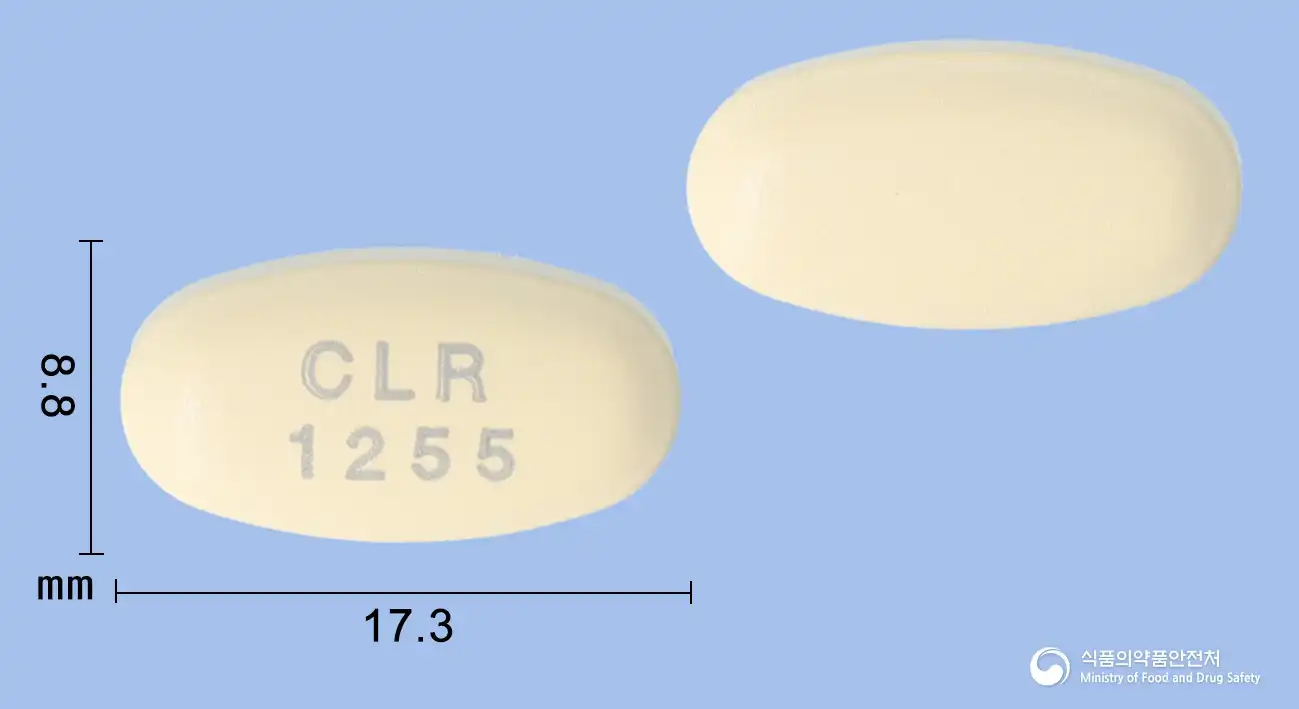 Combination
Metformin Hydrochloride 500mg · Alogliptin Benzoate 17mg
Tablet · Prescription medication · Combination
Celltrion Pharmaceutical Co., Ltd.
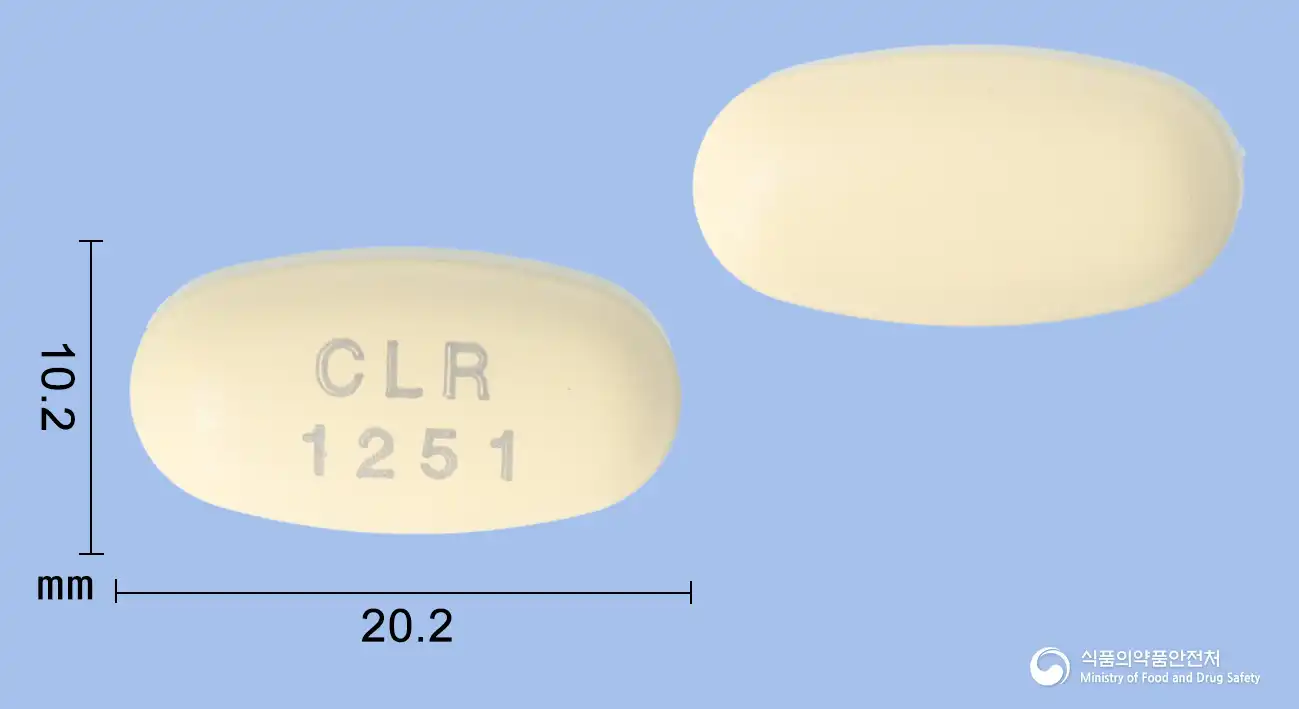 Combination
Metformin Hydrochloride 1000mg · Alogliptin Benzoate 17mg
Tablet · Prescription medication · Combination
Celltrion Pharmaceutical Co., Ltd.
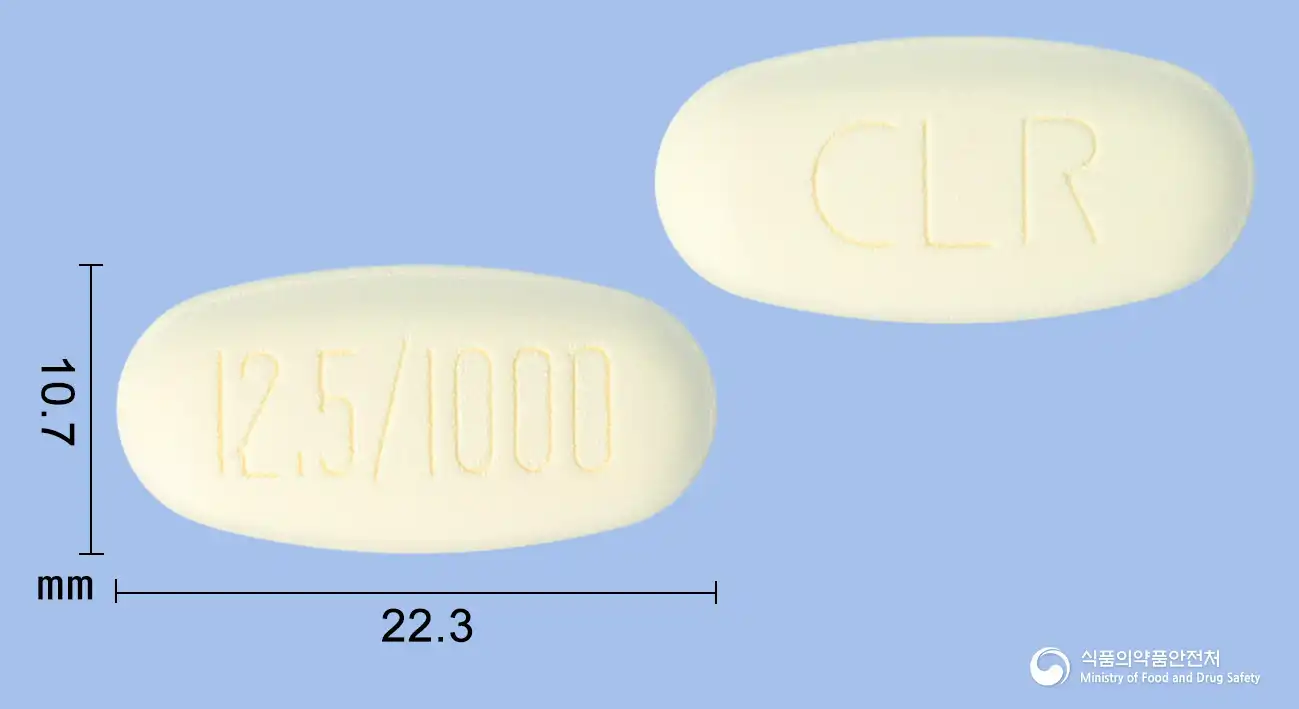 Combination
Alogliptin Benzoate 17mg · Metformin Hydrochloride 1000mg
Tablet · Prescription medication · Combination
Celltrion Pharmaceutical Co., Ltd.
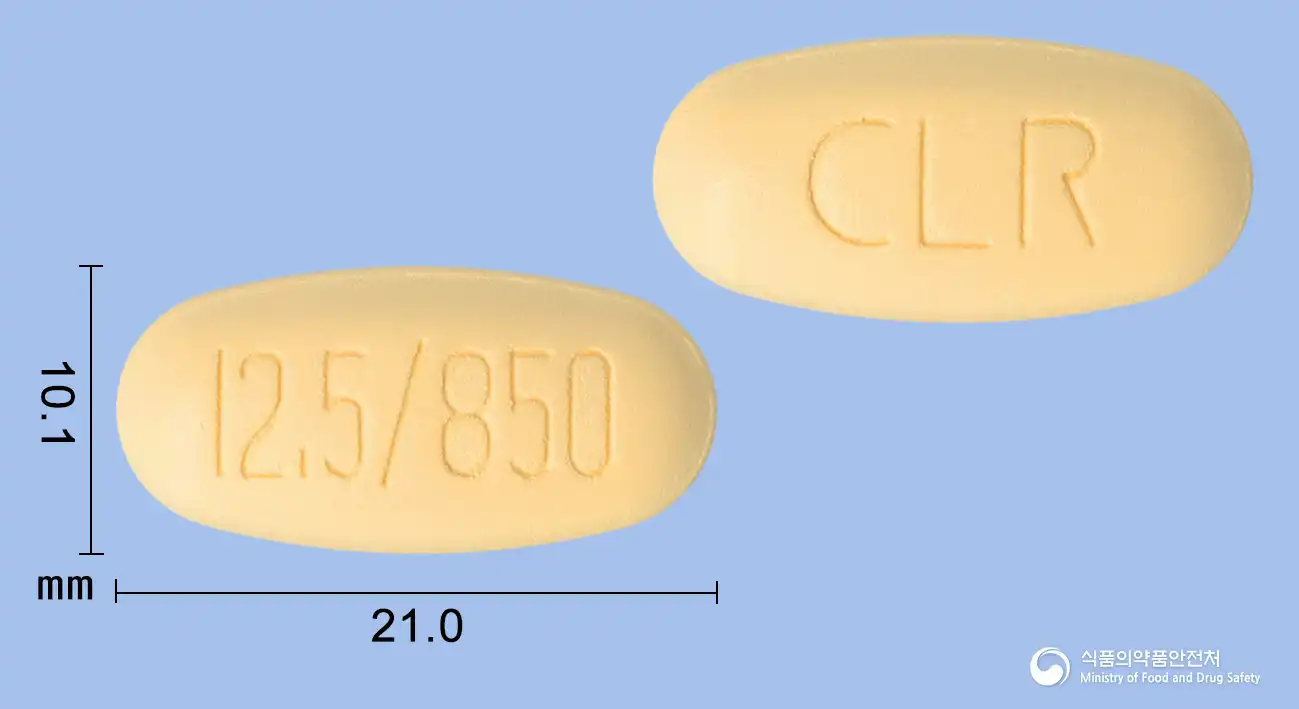 Combination
Alogliptin Benzoate 17mg · Metformin Hydrochloride 850mg
Tablet · Prescription medication · Combination
Celltrion Pharmaceutical Co., Ltd.
Even with the same ingredient, the dose and directions can differ by strength and dosage form. Talk to a doctor or pharmacist before switching from a medication you are already taking.
No questions yet.
For anything that needs medical judgment, consult a doctor or pharmacist.
This drug information is based on data provided by the Korea Ministry of Food and Drug Safety.
Consult a doctor or pharmacist for accurate dosage, administration, and usage instructions.