
 한국어
한국어 English
 日本語
日本語 中文(简体)
Dosage form image
Viewing nowCombinationEmpagliflozin/Metformin Hydrochloride Tablet 12.5/1000 mg
Empagliflozin 12.5mg · Metformin Hydrochloride 1000mg
Tablet · Prescription medication · Combination
Myeongmun Pharmaceutical Co., Ltd.
MFDS item code 202302724 · Approved 2023.09.12
Effectiveness in blood sugar control for type 2 diabetes and prevention of cardiovascular events
This medication is used in combination with empagliflozin and metformin for improving blood sugar control in adults with type 2 diabetes, in conjunction with dietary and exercise therapy. It can be administered especially to those with type 2 diabetes who have inadequate blood sugar control and existing cardiovascular diseases; however, safety information related to cardiovascular events should refer to professional clinical trial data. Overall, this drug is used as an effective treatment for improving blood sugar control.
The recommended dosage of this medication is one tablet per dose, twice a day. The dosage is determined according to each patient's condition, without exceeding the maximum limits of 25 mg empagliflozin and 2000 mg metformin. Patients who have difficulty controlling their blood sugar with metformin alone or adjunctive therapies such as insulin should take 5 mg of empagliflozin twice a day along with their existing metformin dosage. If necessary, empagliflozin can be increased to 10 mg or 25 mg.
This medication aids in controlling blood sugar and is used for diabetes treatment. Caution is advised as rare side effects such as severe lactic acidosis may occur when taking this medication. Lactic acidosis can cause a serious condition due to the accumulation of lactic acid in the body, which may at times be life-threatening. Furthermore, when taken in conjunction with insulin or sulfonylurea medications, there is a risk of hypoglycemia, so careful monitoring of blood sugar levels is necessary. Patients with reduced kidney function or acute kidney impairment should avoid using this medication due to potential risks. Administration should also be avoided in cases of acute infection, dehydration, severe heart failure, acute myocardial infarction, and other unstable physical conditions. It is recommended not to use this medication in pregnant women or those who may become pregnant, as well as nursing women. This medication may affect body fluid levels, and elderly patients over 75 years of age or those at risk for low blood pressure should use it with caution. Symptoms such as urinary tract infections or genitourinary infections may occur while on this medication; immediate consultation with healthcare professionals is recommended should any symptoms appear. Regular blood tests and kidney function tests should be conducted while using this medication, and periodic checks of vitamin B12 levels are also suggested. Before and after surgery or tests using iodine contrast agents, the use of this medication should be temporarily discontinued until kidney function has returned to normal. In the event of overdose, serious conditions requiring dialysis may arise, hence it is critical to adhere strictly to the prescribed dosage and administration. This medication may interact with other diabetes treatments, so if taking other medications, it is imperative to inform healthcare providers.
Urticaria, angioedema, severe swelling (edema), severe allergic reactions, severe skin abnormal reactions, severe rashes accompanied by high fever, blisters, skin peeling, pain in the mouth/eye mucosa, shortness of breath or difficulty breathing, asthma attacks, respiratory abnormalities accompanied by cough and fever, yellowing of skin or eyes (jaundice), extreme fatigue due to hepatic abnormalities (jaundice), sudden and very severe headache, thunderclap headache, seizures, confusion of consciousness,
Not everyone experiences these, and they can vary from person to person.
This medication may be sensitive to air or moisture; therefore, it should be stored in a tightly sealed container. The storage temperature should be maintained between 1 to 30 degrees Celsius at room temperature. This will help preserve the efficacy and safety of the drug over time.
Bilayer, convex, oval film-coated tablet with a dark brownish-purple color
60 tablets/box [(10 tablets/PTP x 6)], 10 tablets/box [(10 tablets/PTP x 1)], 60 tablets/bottle
Even with the same ingredient, strength, dosage form and how it is taken can differ.
Empagliflozin 12.5mg · Metformin Hydrochloride 1000mg
Tablet · Prescription medication · Combination
Myeongmun Pharmaceutical Co., Ltd.
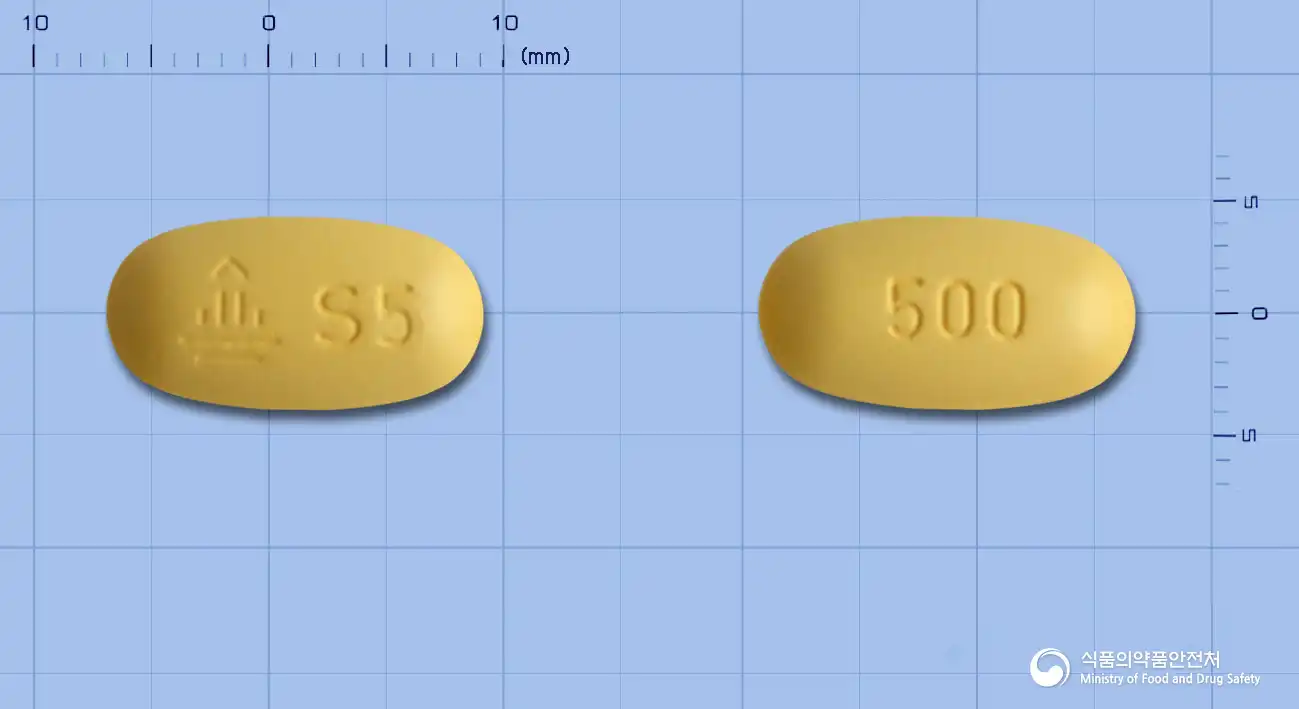 Combination
Empagliflozin 5mg · Metformin Hydrochloride 500mg
Tablet · Prescription medication · Combination
Boehringer Ingelheim Korea Co., Ltd.
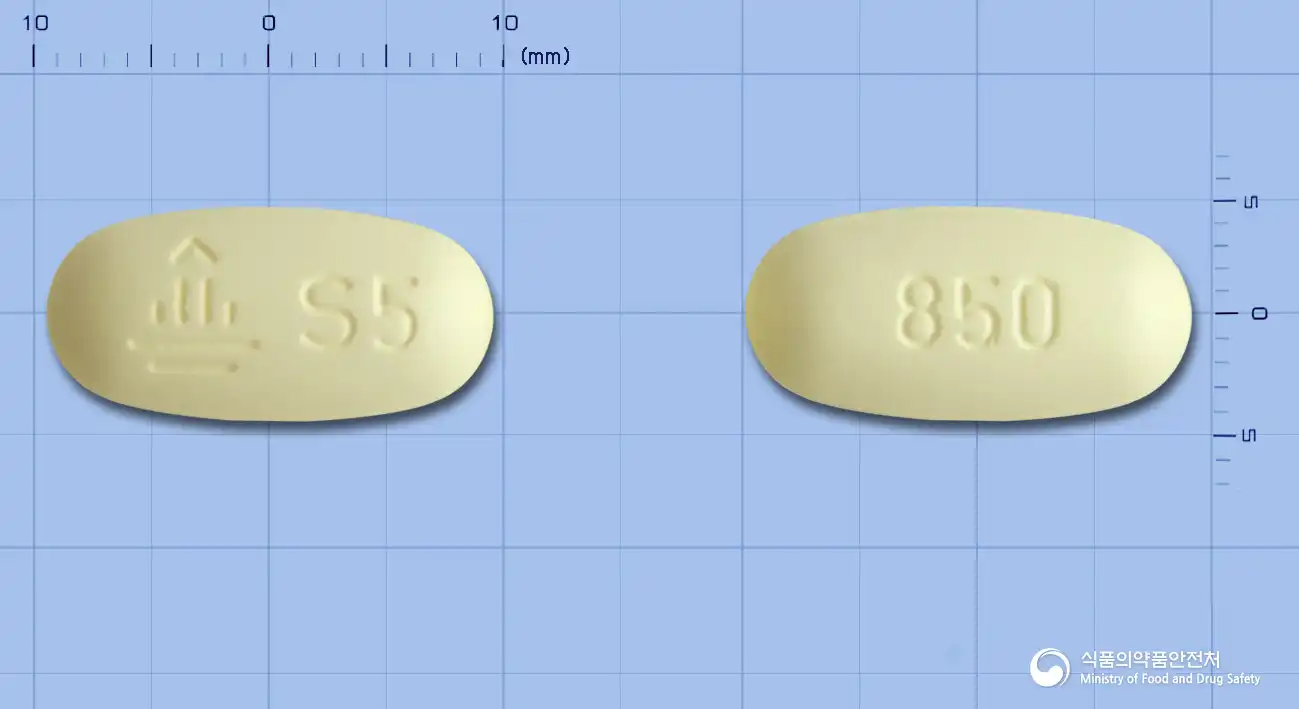 Combination
Empagliflozin 5mg · Metformin Hydrochloride 850mg
Tablet · Prescription medication · Combination
Boehringer Ingelheim Korea Co., Ltd.
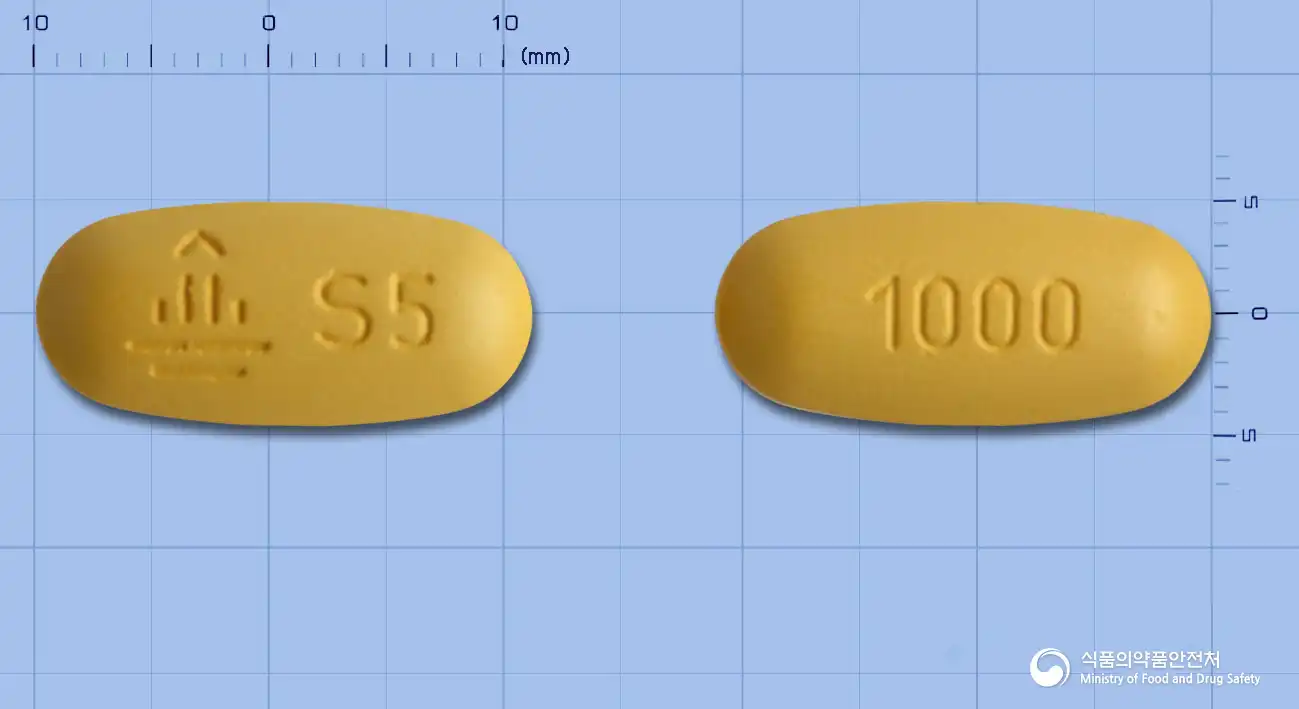 Combination
Empagliflozin 5mg · Metformin Hydrochloride 1000mg
Tablet · Prescription medication · Combination
Boehringer Ingelheim Korea Co., Ltd.
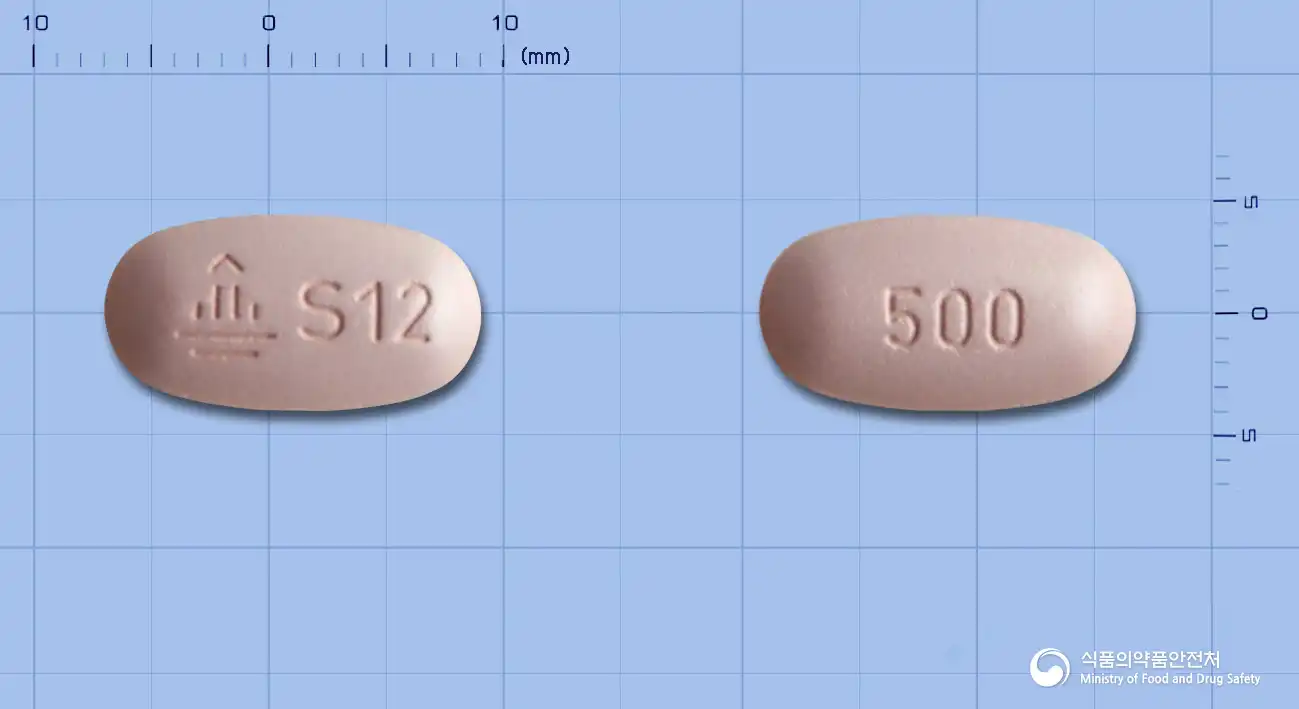 Combination
Empagliflozin 12.5mg · Metformin Hydrochloride 500mg
Tablet · Prescription medication · Combination
Boehringer Ingelheim Korea Co., Ltd.
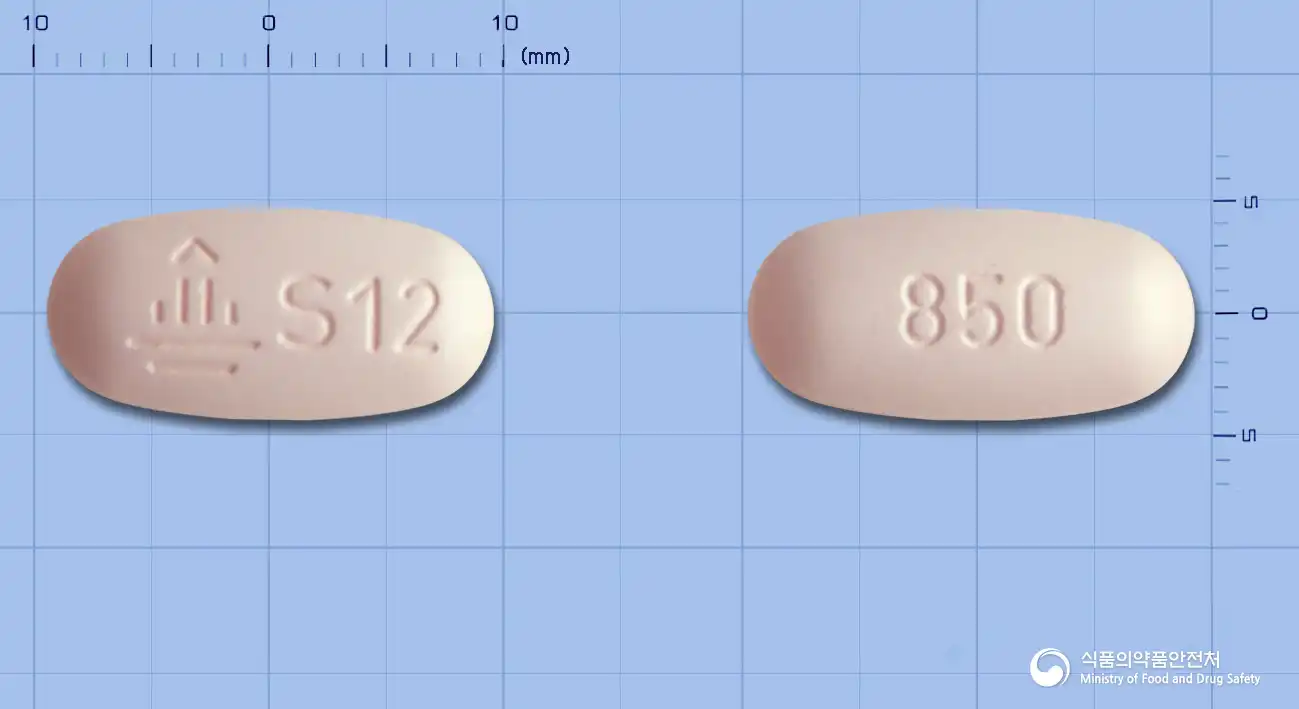 Combination
Empagliflozin 12.5mg · Metformin Hydrochloride 850mg
Tablet · Prescription medication · Combination
Boehringer Ingelheim Korea Co., Ltd.
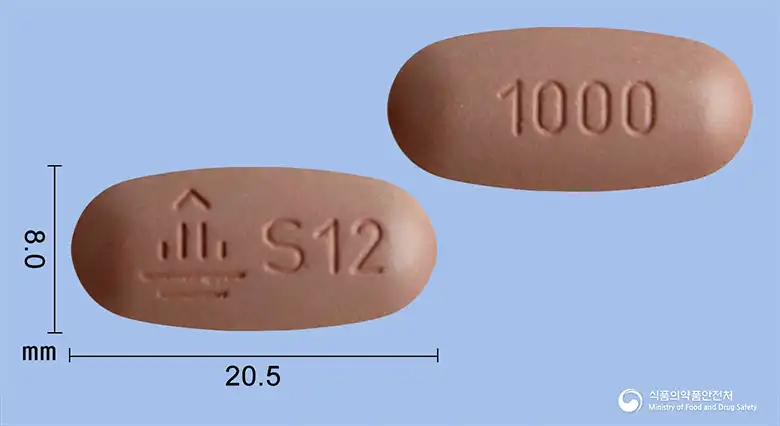 Combination
Empagliflozin 12.5mg · Metformin Hydrochloride 1000mg
Tablet · Prescription medication · Combination
Boehringer Ingelheim Korea Co., Ltd.
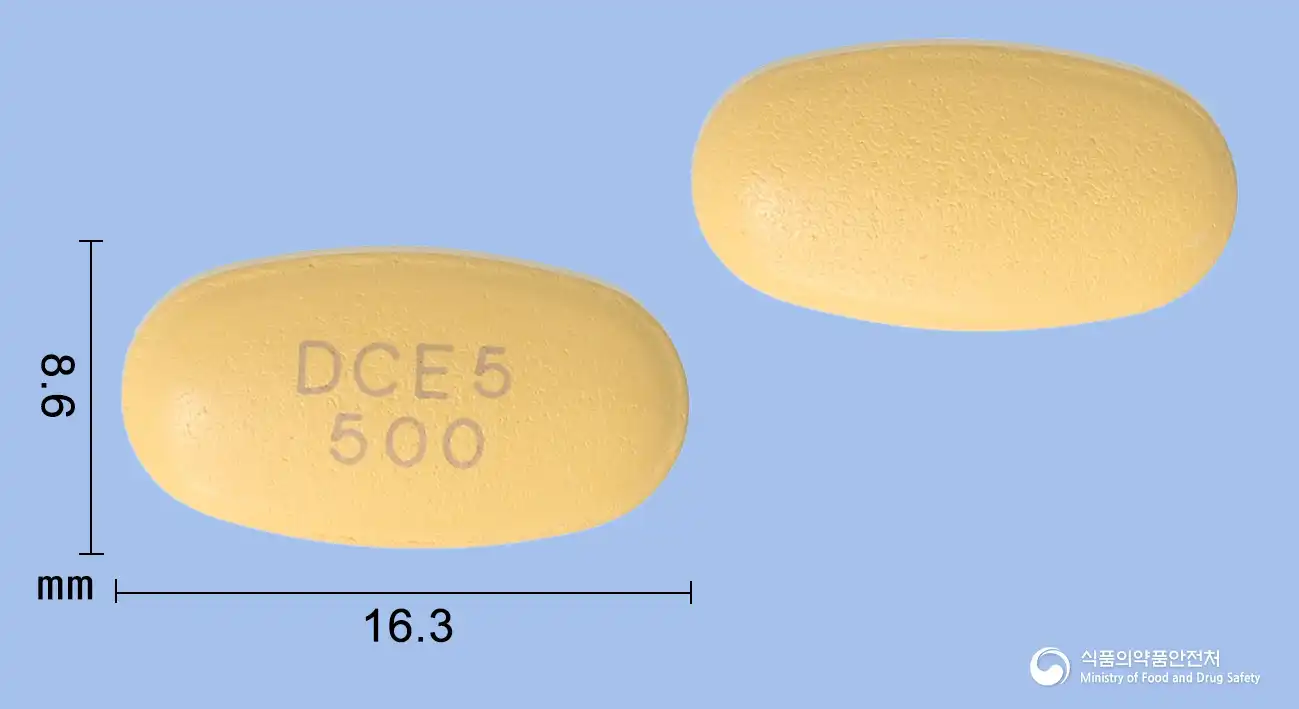 Combination
Empagliflozin 5mg · Metformin Hydrochloride 500mg
Tablet · Prescription medication · Combination
Donggu Bio Pharmaceutical Co., Ltd.
Even with the same ingredient, the dose and directions can differ by strength and dosage form. Talk to a doctor or pharmacist before switching from a medication you are already taking.
No questions yet.
For anything that needs medical judgment, consult a doctor or pharmacist.
This drug information is based on data provided by the Korea Ministry of Food and Drug Safety.
Consult a doctor or pharmacist for accurate dosage, administration, and usage instructions.