
 한국어
한국어 English
 日本語
日本語 中文(简体)
 Viewing nowCombination
Empagliflozin/Metformin HCl Tablet 12.5/500 mg (Empagliflozin, Metformin Hydrochloride)
Empagliflozin 12.5mg · Metformin Hydrochloride 500mg
Tablet · Prescription medication · Combination
Samjin Pharmaceutical Co., Ltd.
MFDS item code 202302700 · Approved 2023.09.11 · Insurance code 647805830
Effect on blood sugar control in type 2 diabetes and prevention of cardiovascular events
This medication helps adult patients with type 2 diabetes to effectively control blood sugar levels alongside dietary management and exercise therapy. In particular, this medication contains both empagliflozin and metformin, making it suitable for improving blood sugar levels. It can be additionally used when blood sugar control is insufficient, and caution is required for those with cardiovascular diseases. It is recommended to use safely under the guidance of a healthcare professional to help improve blood sugar levels.
The recommended dosage of this medication is 1 tablet, taken twice a day. The dosage must be determined considering each patient's treatment regimen, efficacy, and tolerance, without exceeding the maximum daily recommended amounts of empagliflozin 25 mg and metformin 2000 mg. Patients who do not achieve adequate blood sugar control with metformin alone or in combination with other medications are to take empagliflozin 5 mg twice daily (total 10 mg) along with their existing metformin dosage. With good tolerance, the dosage can be increased to empagliflozin 25 mg (total daily amount) when additional blood sugar control is needed. Patients switching from empagliflozin (total daily amount of 10 mg or 25 mg) and metformin combination therapy should be administered their existing dosages of empagliflozin and metformin. When used in combination with sulfonylureas or insulin, a dosage reduction of sulfonylureas or insulin should be considered to reduce the risk of hypoglycemia (refer to Precautions, section 4. Adverse Reactions and section 6. Interactions). This medication should be taken with meals to reduce gastrointestinal side effects associated with metformin. If a dose is missed, take it as soon as remembered. However, do not take a double dose at once; in such cases, skip the missed dose. Special populations Patients with renal impairment Dose adjustment is not required for patients with mild renal impairment. As this medication contains metformin, it can be used in patients with estimated glomerular filtration rates (eGFR) of 45-59 ml/min/1.73 m2 or CrCl of 45-59 ml/min, as long as there are no other symptoms that may increase the risk of lactic acidosis. In these patients, the initial dosage of metformin can be 500 mg or 850 mg once daily, so empagliflozin and metformin should be administered as individual agents. The maximum daily dose of metformin hydrochloride that can be given with this medication is 1000 mg, administered as 500 mg twice daily. Renal function should be carefully monitored every 3 to 6 months (refer to Precautions, section 3. Caution in administering to certain patients, part 1). If the CrCl < 45 ml/min or eGFR < 45 ml/min/1.73 m2 indicating impaired renal function occurs, this medication should be immediately discontinued (refer to Precautions, section 2. Do not use in patients, part 2). Elderly Patients over 75 years should consider the risks of reduced kidney function and fluid volume.
This medication is used in the treatment of type 2 diabetes and contains two active ingredients. The first ingredient prevents the reabsorption of glucose in the kidneys, allowing glucose to be excreted in urine, thereby lowering blood sugar levels. The second ingredient aids in controlling blood sugar by inhibiting glucose production in the liver and improving insulin sensitivity. While taking this medication, there is a risk of a rare side effect known as severe lactic acidosis, so it should be avoided in patients with impaired kidney function or in cases of severe infections, dehydration, or heart failure. Additionally, caution should be exercised when used with insulin or other antidiabetic agents due to the risk of hypoglycemia. This medication should not be given to patients with impaired kidney function, and it should be temporarily discontinued before or after specific tests or surgeries. It is also not to be used in patients with impaired liver function, pregnant women, or nursing mothers. While using this medication, side effects such as hypoglycemia, urinary tract infection, genital infection, increased urination, nausea, vomiting, diarrhea, abdominal pain, loss of appetite, constipation, abnormal liver function tests, hepatitis, altered taste, itching, rash, erythema, thirst, increased serum lipids, elevated serum creatinine, increased hematocrit, decreased vitamin B12 levels and deficiency, weight loss, headache, dizziness, insomnia, musculoskeletal pain, chest pain, hypertension, anxiety, vulvar pruritus, and genital pruritus may occur, and immediate consultation with a physician is advised if symptoms occur. Particularly, in situations where there is concern for fluid loss, blood pressure and fluid status should be monitored closely. This medication may reduce vitamin B12 levels, so regular blood tests during long-term use are recommended. Also, alcohol consumption may increase the risk of lactic acidosis, so it is safer to avoid it. During the use of this medication, alternative testing methods should be used to accurately assess blood sugar control, and caution should be exercised while driving or operating machinery. Elderly patients or those with impaired kidney function require dose adjustments and regular kidney function tests, and immediate medical consultation is necessary for any abnormal symptoms. In cases of overdose, there is a risk of lactic acidosis, necessitating immediate medical intervention; dialysis may be an effective treatment option. Keep this medication out of the reach of children, and it is advisable to store it in its original container.
Hives, extreme swelling (angioedema), chest tightness, difficulty breathing, cold sweat, pallor, severe rash with high fever, blisters, skin peeling, pain in oral and ocular mucosa, shortness of breath or difficulty breathing, asthma attacks, respiratory abnormalities accompanying cough and fever, yellowing of skin or eyes (jaundice), extreme fatigue, sudden and severe headaches, thunderclap headache, seizures, confusion, visual disturbances, paralysis,
Hypoglycemia, urinary tract infection, genital infection, increased urination, nausea, vomiting, diarrhea, abdominal pain, loss of appetite, constipation, abnormal liver function tests, hepatitis, altered taste, itching, rash, erythema, thirst, increased serum lipids, elevated serum creatinine, increased hematocrit, decreased vitamin B12 levels and deficiency, weight loss, headache, dizziness, insomnia, musculoskeletal pain, chest pain, hypertension, anxiety, vulvar pruritus, genital pruritus,
Not everyone experiences these, and they can vary from person to person.
This medication must be stored in a tightly closed container to prevent exposure to air or moisture. Furthermore, it is safe to store the medication at room temperature between 1°C to 30°C, away from extreme heat or cold.
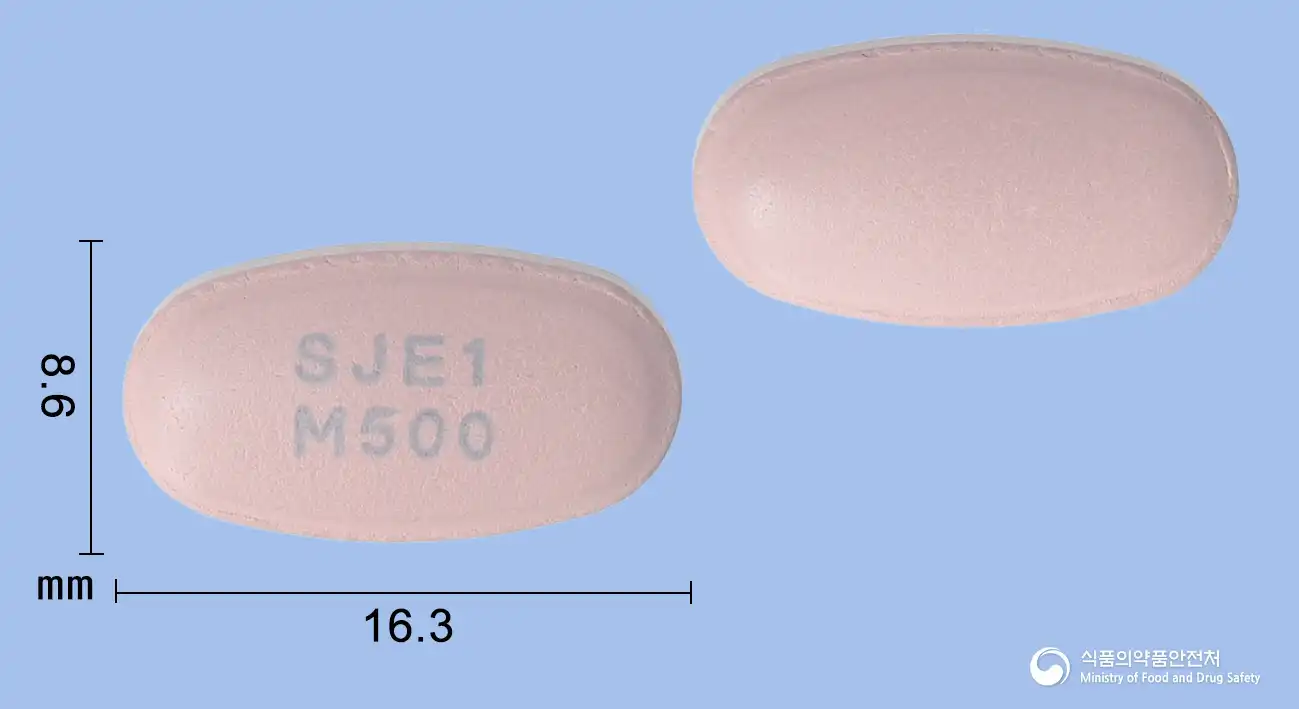
A bilaterally convex oval film-coated tablet that is light brown and purplish in color
60 tablets/box [10 tablets/PTP x 6], 10 tablets/box [10 tablets/PTP x 1], 30 tablets/bottle, 60 tablets/bottle
Even with the same ingredient, strength, dosage form and how it is taken can differ.
Viewing nowCombinationEmpagliflozin 12.5mg · Metformin Hydrochloride 500mg
Tablet · Prescription medication · Combination
Samjin Pharmaceutical Co., Ltd.
 Combination
Empagliflozin 5mg · Metformin Hydrochloride 500mg
Tablet · Prescription medication · Combination
Boehringer Ingelheim Korea Co., Ltd.
 Combination
Empagliflozin 5mg · Metformin Hydrochloride 850mg
Tablet · Prescription medication · Combination
Boehringer Ingelheim Korea Co., Ltd.
 Combination
Empagliflozin 5mg · Metformin Hydrochloride 1000mg
Tablet · Prescription medication · Combination
Boehringer Ingelheim Korea Co., Ltd.
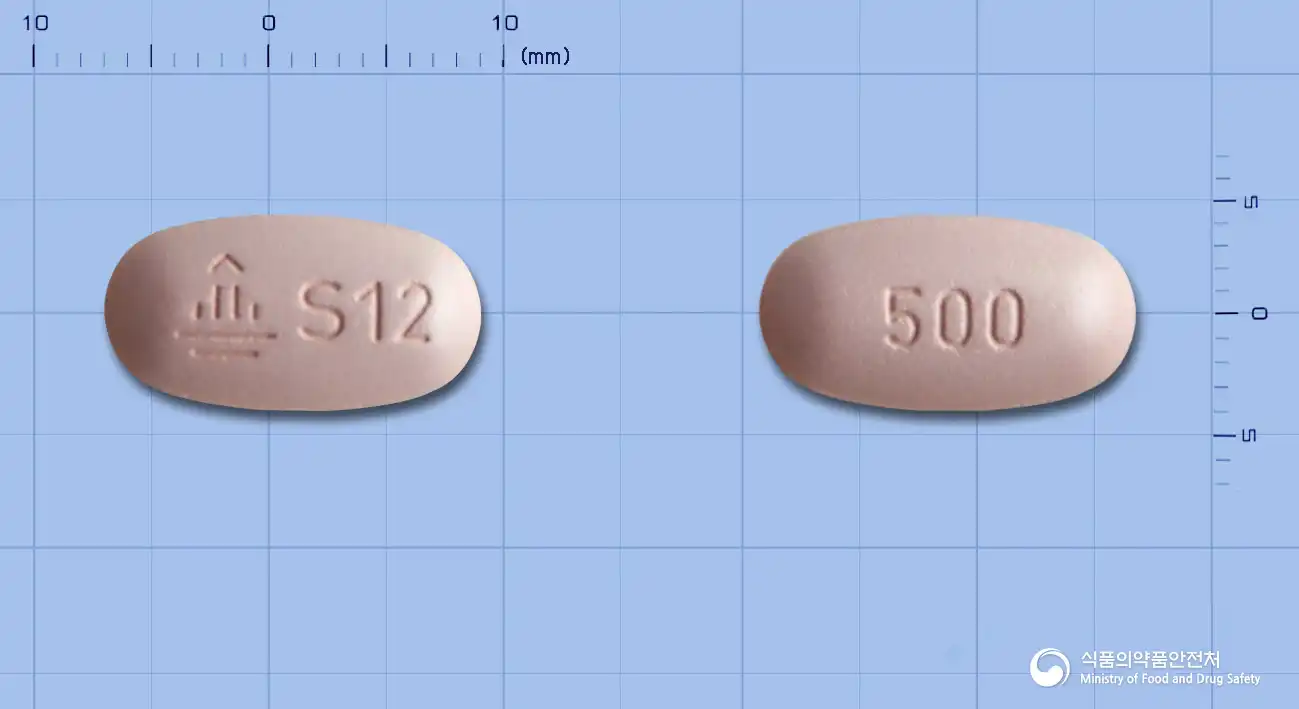 Combination
Empagliflozin 12.5mg · Metformin Hydrochloride 500mg
Tablet · Prescription medication · Combination
Boehringer Ingelheim Korea Co., Ltd.
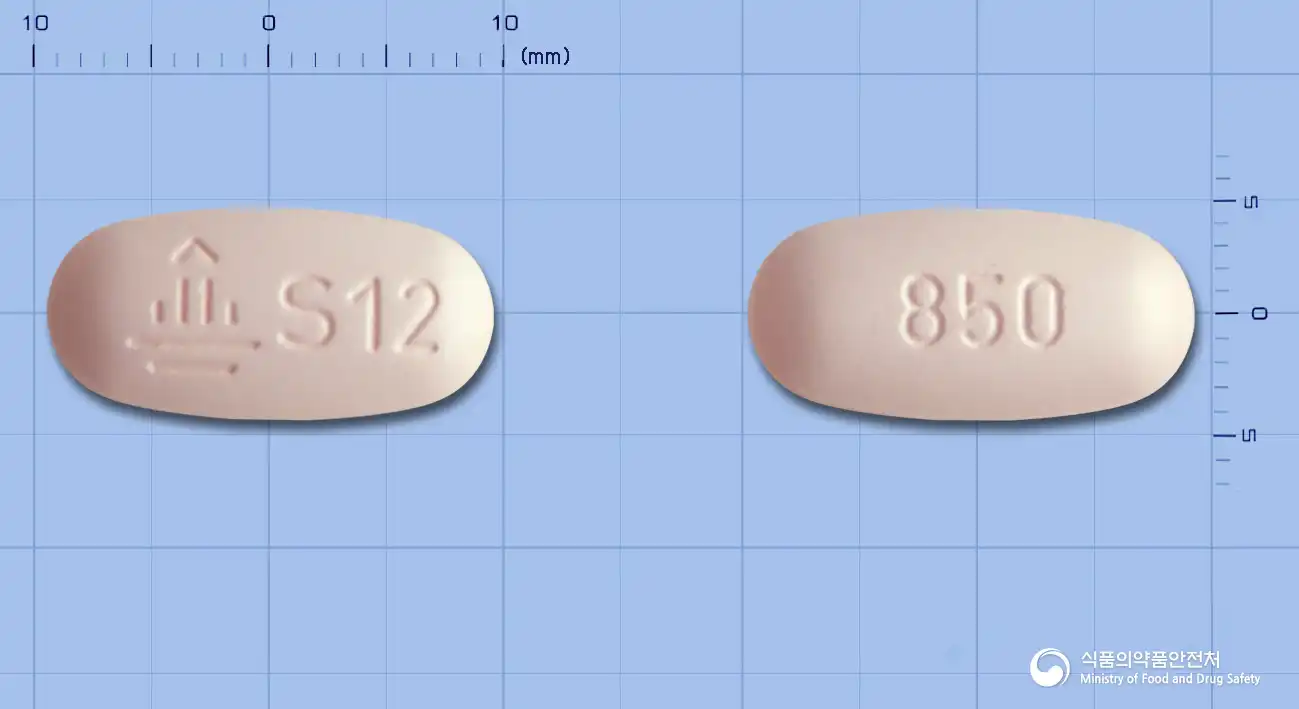 Combination
Empagliflozin 12.5mg · Metformin Hydrochloride 850mg
Tablet · Prescription medication · Combination
Boehringer Ingelheim Korea Co., Ltd.
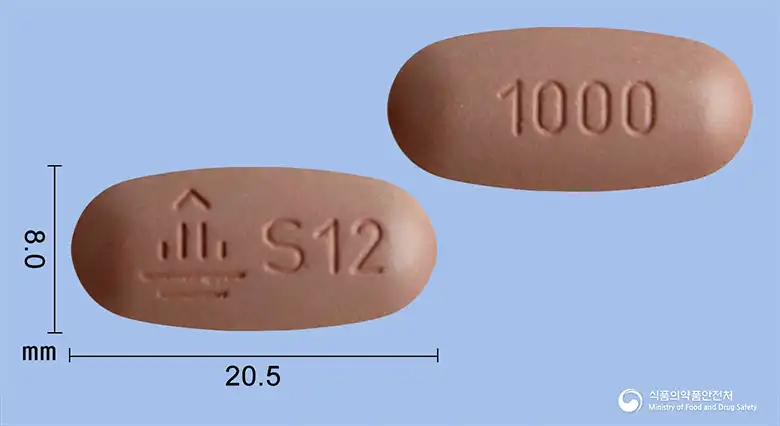 Combination
Empagliflozin 12.5mg · Metformin Hydrochloride 1000mg
Tablet · Prescription medication · Combination
Boehringer Ingelheim Korea Co., Ltd.
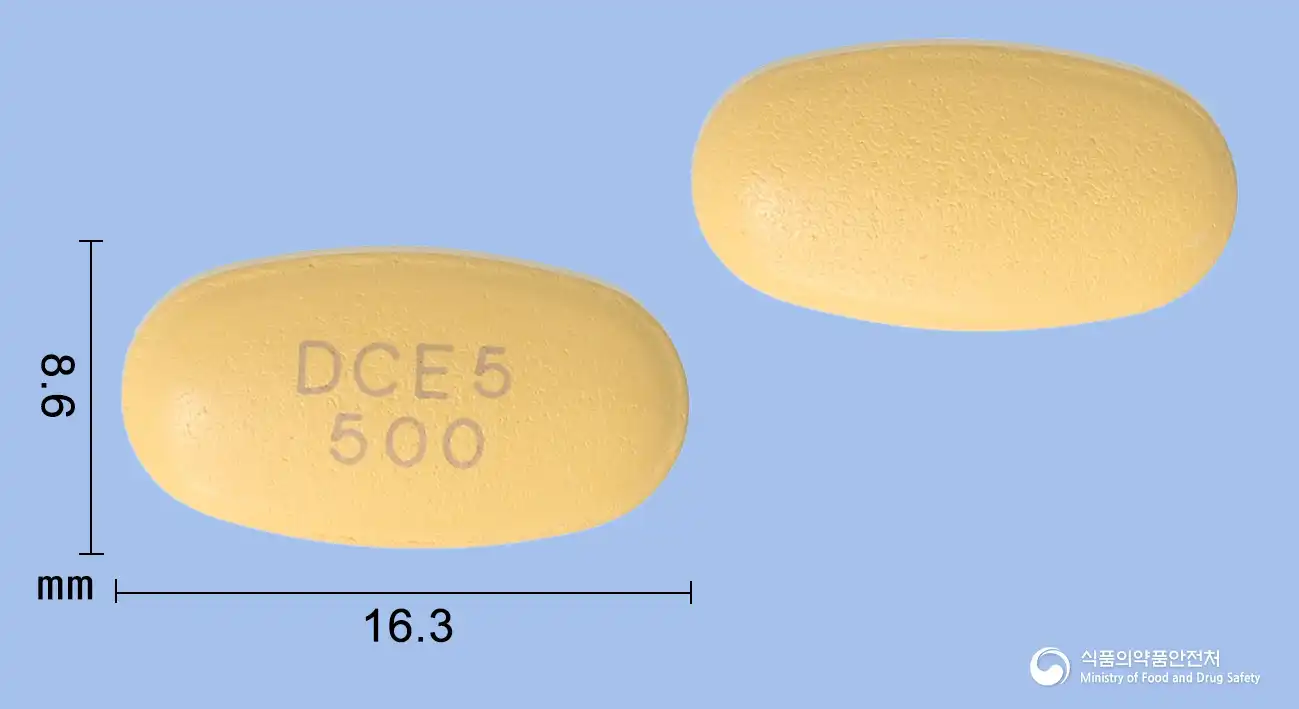 Combination
Empagliflozin 5mg · Metformin Hydrochloride 500mg
Tablet · Prescription medication · Combination
Donggu Bio Pharmaceutical Co., Ltd.
Even with the same ingredient, the dose and directions can differ by strength and dosage form. Talk to a doctor or pharmacist before switching from a medication you are already taking.
No questions yet.
For anything that needs medical judgment, consult a doctor or pharmacist.
This drug information is based on data provided by the Korea Ministry of Food and Drug Safety.
Consult a doctor or pharmacist for accurate dosage, administration, and usage instructions.