
 한국어
 English
 日本語
 中文(简体)
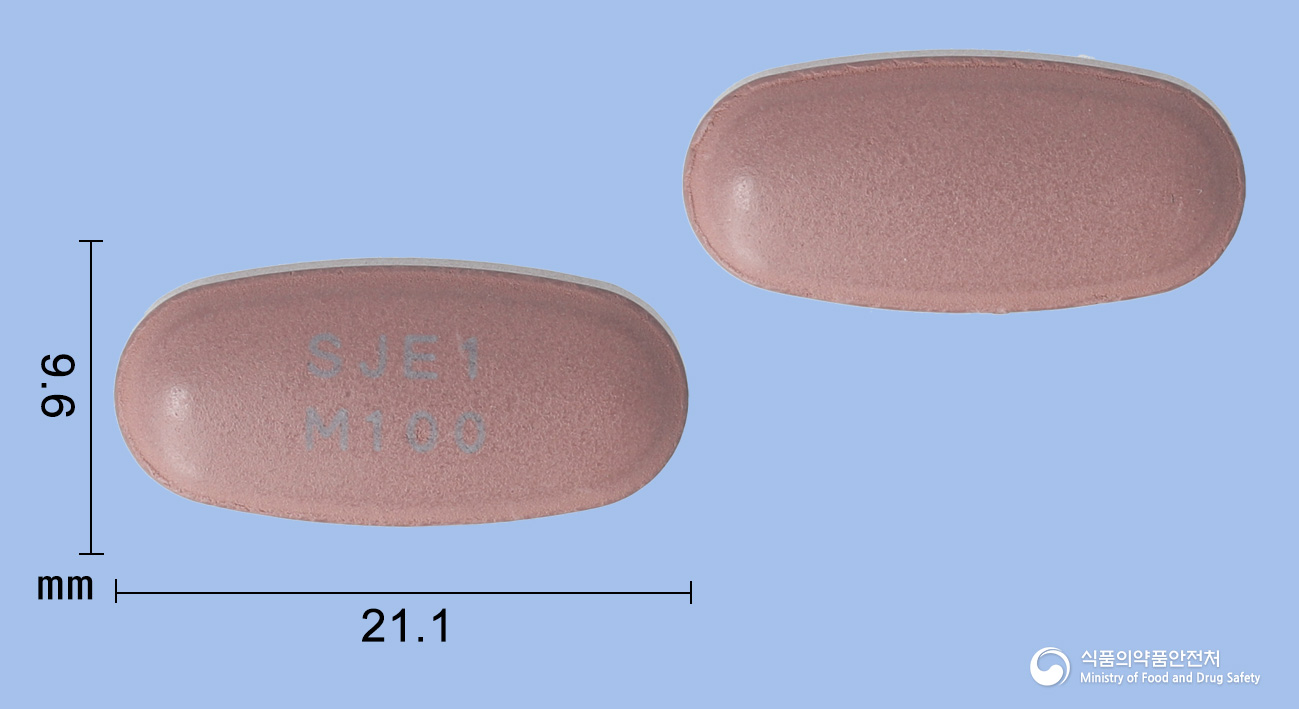 Viewing nowCombination
Empagliflozin/Metformin Hydrochloride Tablets 12.5/1000 milligrams
Empagliflozin 12.5mg · Metformin Hydrochloride 1000mg
Tablet · Prescription medication · Combination
Samjin Pharmaceutical Co., Ltd.
MFDS item code 202302698 · Approved 2023.09.11 · Insurance code 647805810
Improvement of glycemic control in adults with type 2 diabetes mellitus
This medication is used to help control blood sugar in adult patients with type 2 diabetes. It is particularly effective for those who are also following dietary and exercise regimens, providing additional blood sugar management benefits. It can be administered even when blood sugar is not adequately controlled, and is suitable for patients with cardiovascular disease. However, the risk of cardiovascular events should be referred to a specialist’s guidance. Overall, this drug effectively improves blood sugar control in adult patients with type 2 diabetes.
The recommended dose of this medicine is 1 tablet twice daily. The dose should be determined based on each patient's current treatment regimen, efficacy, and tolerability, without exceeding the maximum recommended daily doses of each component: empagliflozin 25 mg and metformin 2000 mg. For patients who cannot achieve adequate glycemic control with metformin alone or in combination with other medicines such as insulin, the recommended dose is empagliflozin 5 mg twice daily (total daily dose of 10 mg) and their current metformin dose. If empagliflozin 10 mg (total daily dose) is well tolerated and additional glycemic control is needed, the dose may be increased to empagliflozin 25 mg (total daily dose). Patients switching from combination therapy with empagliflozin (total daily dose of 10 mg or 25 mg) and metformin to this medicine should take the same doses of empagliflozin and metformin as they were previously taking. When this medicine is coadministered with a sulfonylurea or insulin, a reduction in the dose of the sulfonylurea or insulin may be considered to reduce the risk of hypoglycemia (see Precautions for Use, 4. Adverse Reactions and 6. Interactions). This medicine should be taken with meals to reduce gastrointestinal adverse reactions associated with metformin. If a dose of this medicine is missed, take it as soon as you remember. However, do not take a double dose at one time; skip the missed dose in such cases. No dose adjustment is necessary in patients with mild renal impairment. Because this medicine contains metformin, it may be used with dose adjustment in patients with an estimated glomerular filtration rate (eGFR) of 45-59 ml/min/1.73m2 or a CrCl of 45-59 ml/min who do not have other symptoms that may increase the risk of lactic acidosis. In these patients, the starting dose of metformin is 500 mg or 850 mg once daily; therefore, treatment should be initiated with the individual single-ingredient products empagliflozin and metformin. The maximum daily dose of metformin hydrochloride that may be administered with this medicine is 1000 mg, which may be given as 500 mg twice daily. Renal function should be carefully monitored every 3-6 months (see Precautions for Use, 3. Patients Requiring Caution, item 1)). If renal function declines to a CrCl < 45 ml/min or eGFR < 45 ml/min/1.73m2, this medicine should be discontinued immediately (see Precautions for Use, 2. Patients Who Should Not Take This Medicine, item 2)). In patients aged 75 years or older, renal function and the risk of volume depletion should be taken into consideration.
This medication is used for the treatment of diabetes and works by combining two main ingredients to control blood sugar. It should not be administered to patients with impaired renal function or certain severe diseases. During treatment, there is a risk of rare complications known as lactic acidosis, so any symptoms that arise should be promptly discussed with a doctor. This medication can cause hypoglycemia, especially when taken with insulin or other hypoglycemic agents, requiring careful monitoring. Urinary tract infections or genital infections may occur, and any signs of infection should be treated quickly. Care should be taken to avoid dehydration due to fluid loss, especially in the elderly or those with cardiovascular diseases. It is advisable for pregnant women or those who may become pregnant, as well as nursing mothers, not to take this medication. It is better to avoid alcohol consumption during treatment, and liver and kidney functions should be regularly checked. Medication administration may need to be temporarily suspended before or after surgeries or tests utilizing radiocontrast agents containing iodine. Common side effects may include nausea, diarrhea, abdominal pain, headache, and dizziness; if symptoms are severe, the doctor should be notified. This medication is not recommended for children under 18 years of age, and the elderly may require dose adjustments due to reduced kidney function. In cases of overdose, immediate medical attention is necessary, and dialysis may be required. It is important to keep this medication out of reach of children and to store it in its original container.
Not everyone experiences these, and they can vary from person to person.
This medication should be stored in a tightly closed container to protect it from air and moisture, preferably at room temperature between 1 to 30 degrees Celsius. Proper storage will help maintain the medication's effectiveness and prevent deterioration.
Biconvex oval film-coated tablet with dark brownish purple color
60 tablets/box [10 tablets/PTP x 6], 10 tablets/box [10 tablets/PTP x 1], 30 tablets/bottle, 60 tablets/bottle
Even with the same ingredient, strength, dosage form and how it is taken can differ.
Viewing nowCombinationEmpagliflozin 12.5mg · Metformin Hydrochloride 1000mg
Tablet · Prescription medication · Combination
Samjin Pharmaceutical Co., Ltd.
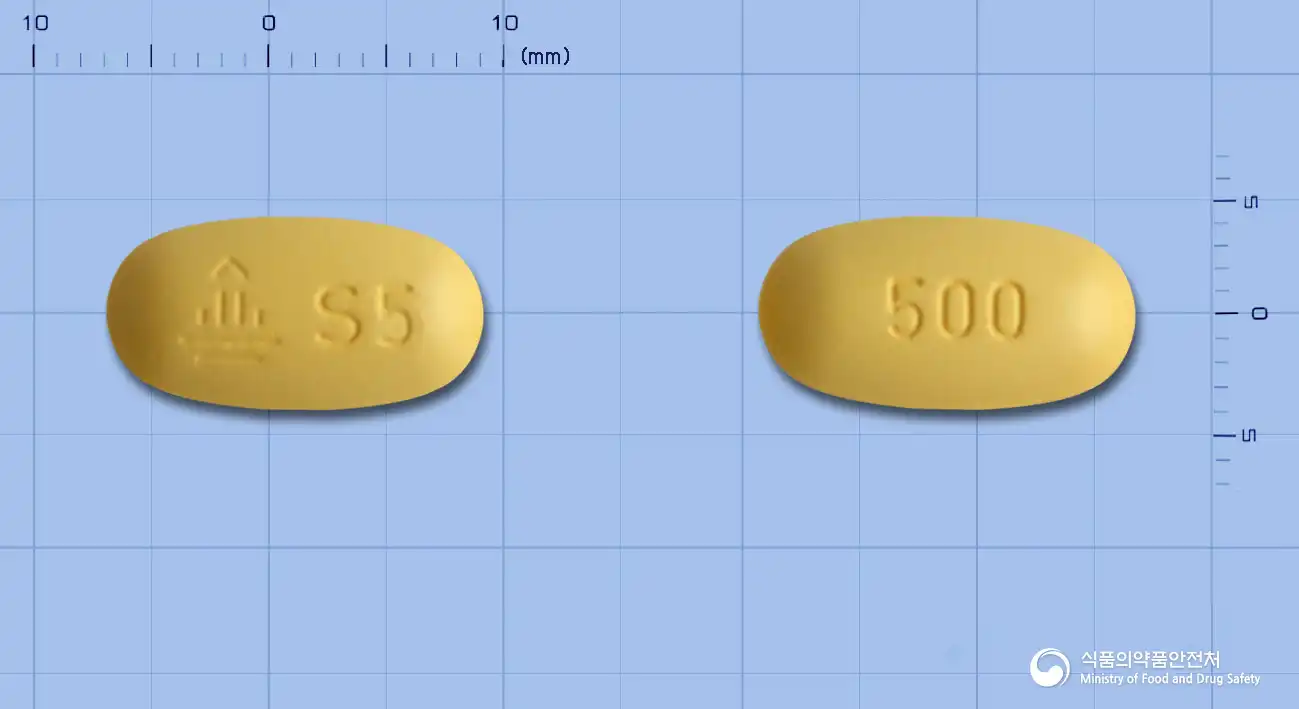 Combination
Empagliflozin 5mg · Metformin Hydrochloride 500mg
Tablet · Prescription medication · Combination
Boehringer Ingelheim Korea Co., Ltd.
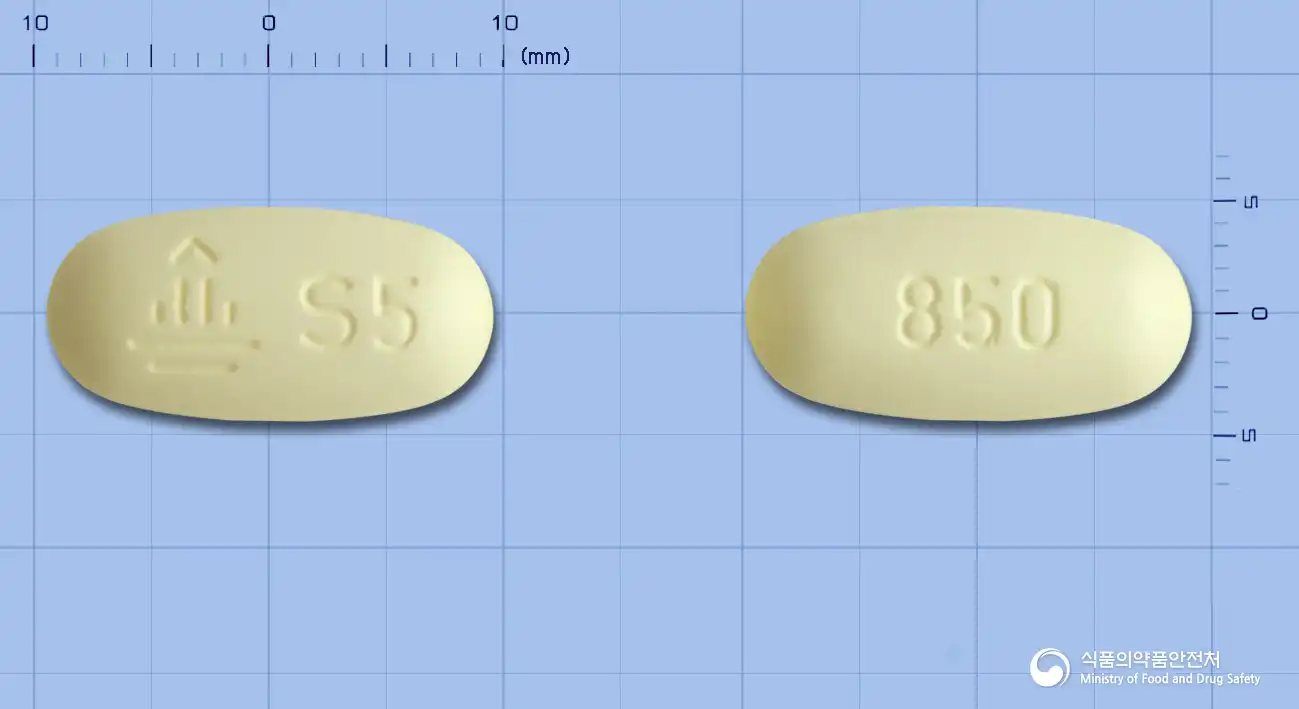 Combination
Empagliflozin 5mg · Metformin Hydrochloride 850mg
Tablet · Prescription medication · Combination
Boehringer Ingelheim Korea Co., Ltd.
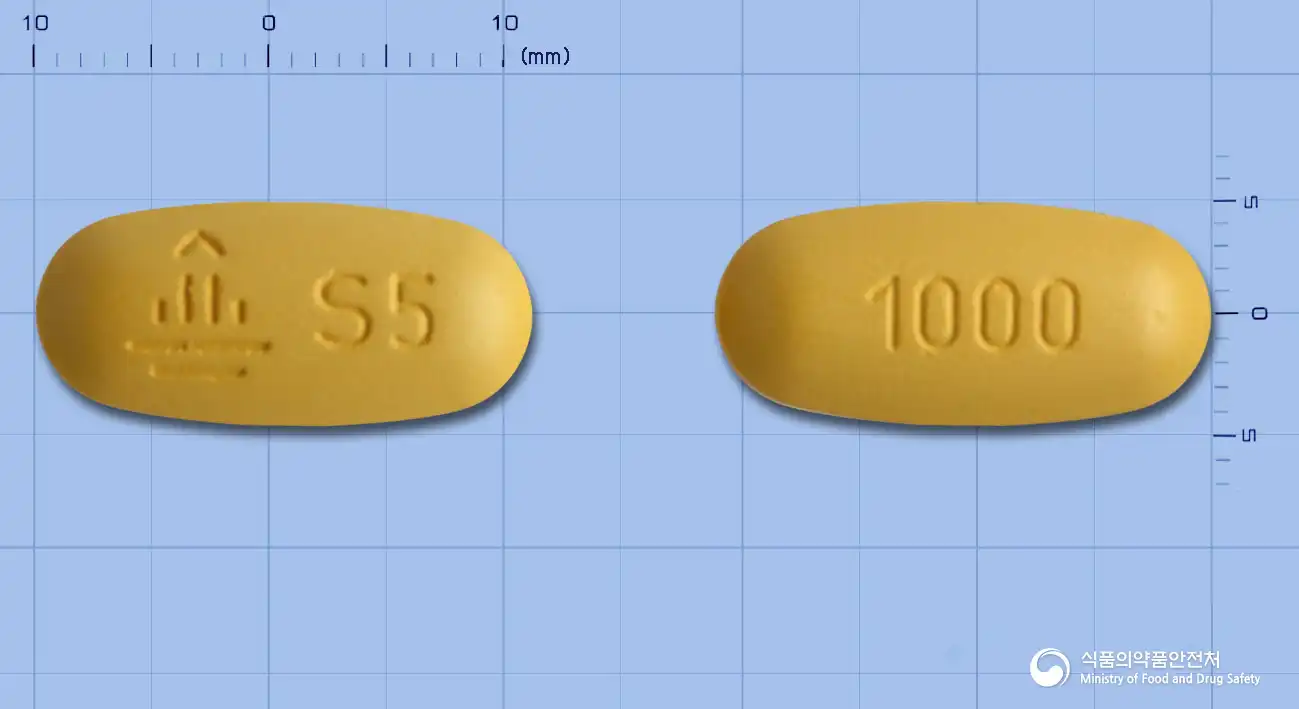 Combination
Empagliflozin 5mg · Metformin Hydrochloride 1000mg
Tablet · Prescription medication · Combination
Boehringer Ingelheim Korea Co., Ltd.
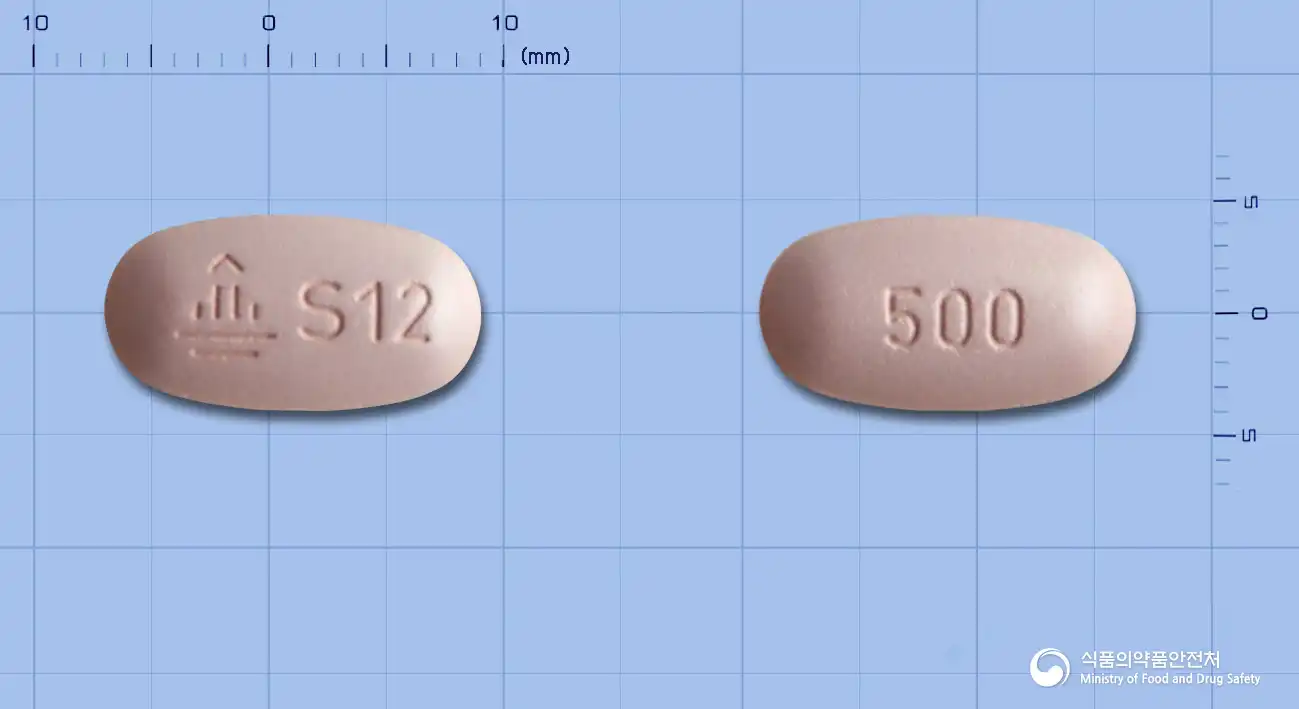 Combination
Empagliflozin 12.5mg · Metformin Hydrochloride 500mg
Tablet · Prescription medication · Combination
Boehringer Ingelheim Korea Co., Ltd.
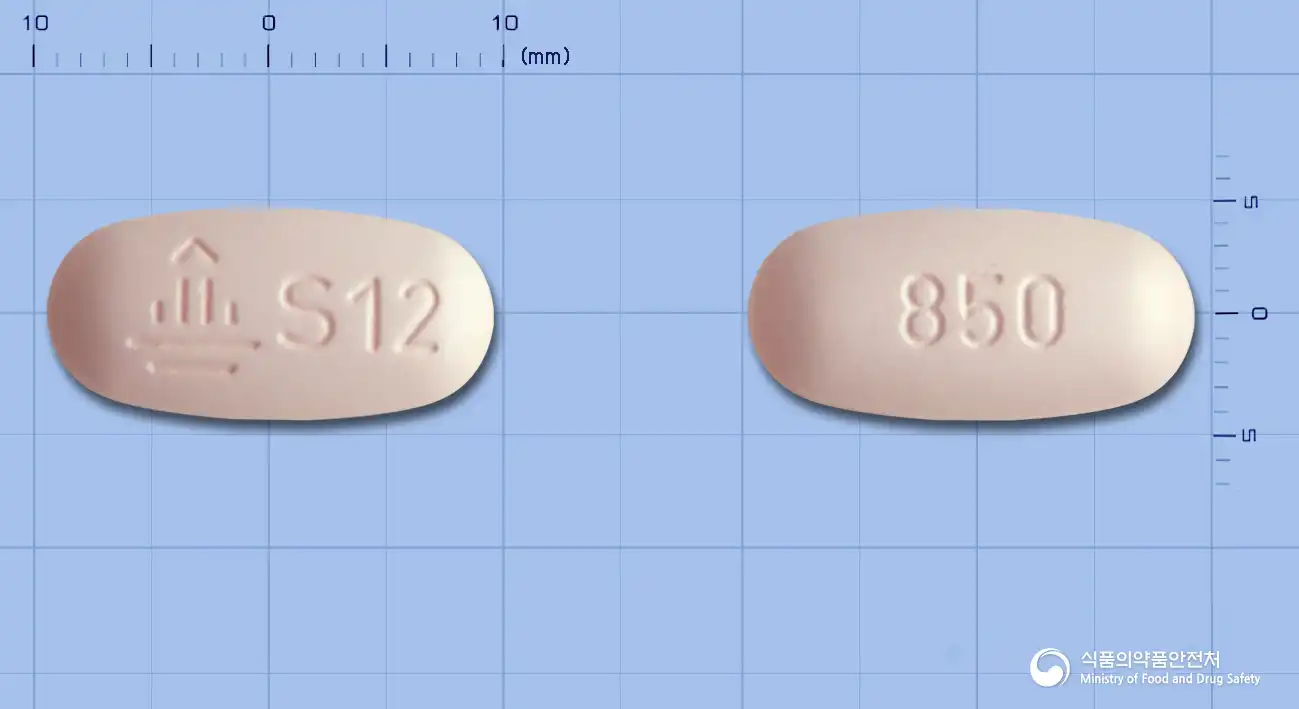 Combination
Empagliflozin 12.5mg · Metformin Hydrochloride 850mg
Tablet · Prescription medication · Combination
Boehringer Ingelheim Korea Co., Ltd.
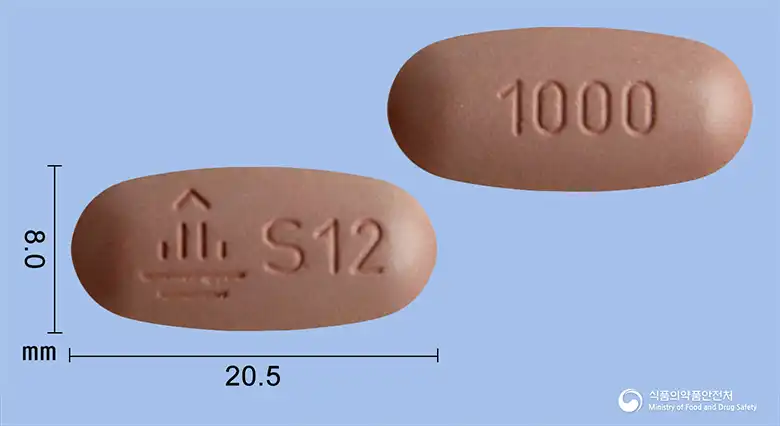 Combination
Empagliflozin 12.5mg · Metformin Hydrochloride 1000mg
Tablet · Prescription medication · Combination
Boehringer Ingelheim Korea Co., Ltd.
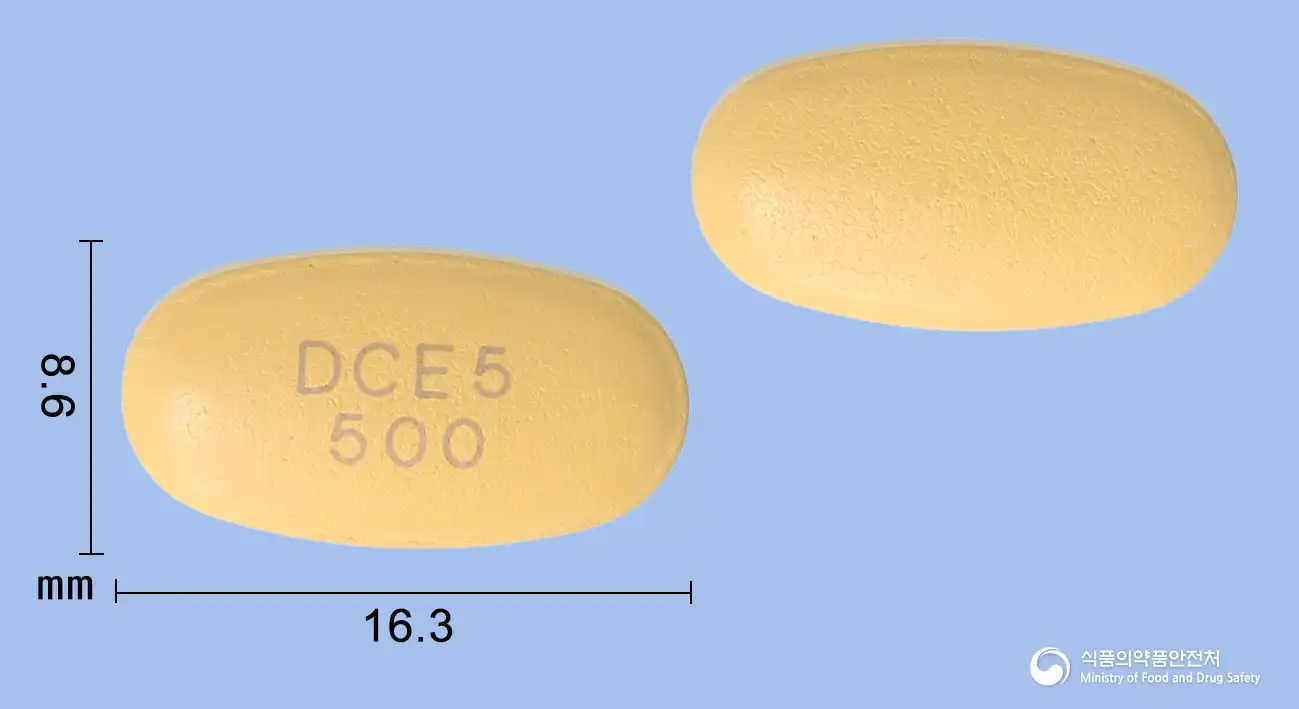 Combination
Empagliflozin 5mg · Metformin Hydrochloride 500mg
Tablet · Prescription medication · Combination
Donggu Bio Pharmaceutical Co., Ltd.
Even with the same ingredient, the dose and directions can differ by strength and dosage form. Talk to a doctor or pharmacist before switching from a medication you are already taking.
No questions yet.
For anything that needs medical judgment, consult a doctor or pharmacist.
This drug information is based on data provided by the Korea Ministry of Food and Drug Safety.
Consult a doctor or pharmacist for accurate dosage, administration, and usage instructions.