
 한국어
한국어 English
 日本語
日本語 中文(简体)
 Viewing nowCombination
Dephandital Tablets
Precipitated Calcium Carbonate 100mg · Sodium Bicarbonate 50mg +6 more
Tablet · OTC medication · Combination
Shinil Pharmaceutical Co., Ltd.
MFDS item code 202302687 · Notified 2023.09.08
Improvement of excess stomach acid and dyspepsia (such as stomach bloating)
This medication is effective for symptoms such as heartburn, discomfort in the stomach area, and stomach bloating caused by excess stomach acid. It also helps relieve various gastrointestinal symptoms including feeling of fullness, nausea, vomiting, stomach pain, and belching. It improves discomfort due to dyspepsia and overeating, and alleviates symptoms due to lack of appetite. Overall, it is used to enhance digestive function, reduce discomfort in the stomach, and assist in healthy digestion.
Adults: 2 tablets per dose, taken three times a day after meals
This medication should not be used by patients undergoing dialysis treatment. This medication contains lactose, so it should not be taken by patients with galactose intolerance, lactase deficiency, or genetic issues like glucose-galactose malabsorption. Patients with allergies or hypersensitivity to soybean oil, as well as those allergic to soy or peanuts, should also avoid taking this medication. Patients who have previously experienced allergic reactions to this medication should take it cautiously, and patients taking other medications or having kidney or liver issues should use it carefully. Furthermore, patients undergoing treatment by a physician, patients with low phosphate levels in the blood, and those with abnormalities in fat metabolism such as hyperlipoproteinemia, diabetic dyslipidemia, or pancreatitis should use this medication with caution. Patients with high blood pressure, older patients, those with heart or kidney issues, or those experiencing swelling should consult a physician or pharmacist before taking this medication. If symptoms such as decreased urine output, swelling of face and extremities, heavy eyelids, stiffness of hands, increased blood pressure, or headaches occur during use, immediately discontinue use and consult a healthcare professional. Long-term use of this medication may lead to side effects such as hypokalemia, increased blood pressure, or fluid retention, so it is important to regularly check serum potassium levels and discontinue use if abnormalities are found. If symptoms such as muscle weakness, limb cramps, or paralysis occur, cease use and consult a healthcare professional. During the use of this medication, be cautious about taking potassium supplements, medications containing licorice, or certain diuretics, as this may increase the risk of side effects. If symptoms of allergic reactions or drowsiness, dizziness, fatigue, headache, constipation, or dry mouth occur, discontinue use and consult a doctor or pharmacist. Be sure to follow the prescribed dosage and administration, and if symptoms do not improve after two weeks of use, consult a healthcare professional. It is recommended not to continue taking this medication for an extended period, and patients with a history of kidney disease should always consult a healthcare professional before use. Patients at risk of fat overload should monitor their blood lipid levels while adjusting their medication dosage as needed. This medication should not be taken together with gastrointestinal analgesics or antispasmodics, and should not be used by children under 15 years of age, pregnant women, or nursing mothers. Store this medication out of the reach of children, away from direct sunlight, and in a cool, dry place. To maintain quality, do not transfer to other containers and avoid misuse.
Not everyone experiences these, and they can vary from person to person.
This medication should not be taken with gastrointestinal analgesics or antispasmodics. If taken with potassium-containing preparations, licorice-containing preparations, preparations containing glycyrrhizin or its salts, loop diuretics (furosemide, ethacrynic acid), or thiazide diuretics (trichlormethiazide), consult with a doctor or pharmacist.
This medication is sensitive to light, so it should be stored in a container that does not allow light to enter. Additionally, for safe storage, it should be kept at room temperature, specifically between 1 degree and 30 degrees Celsius.
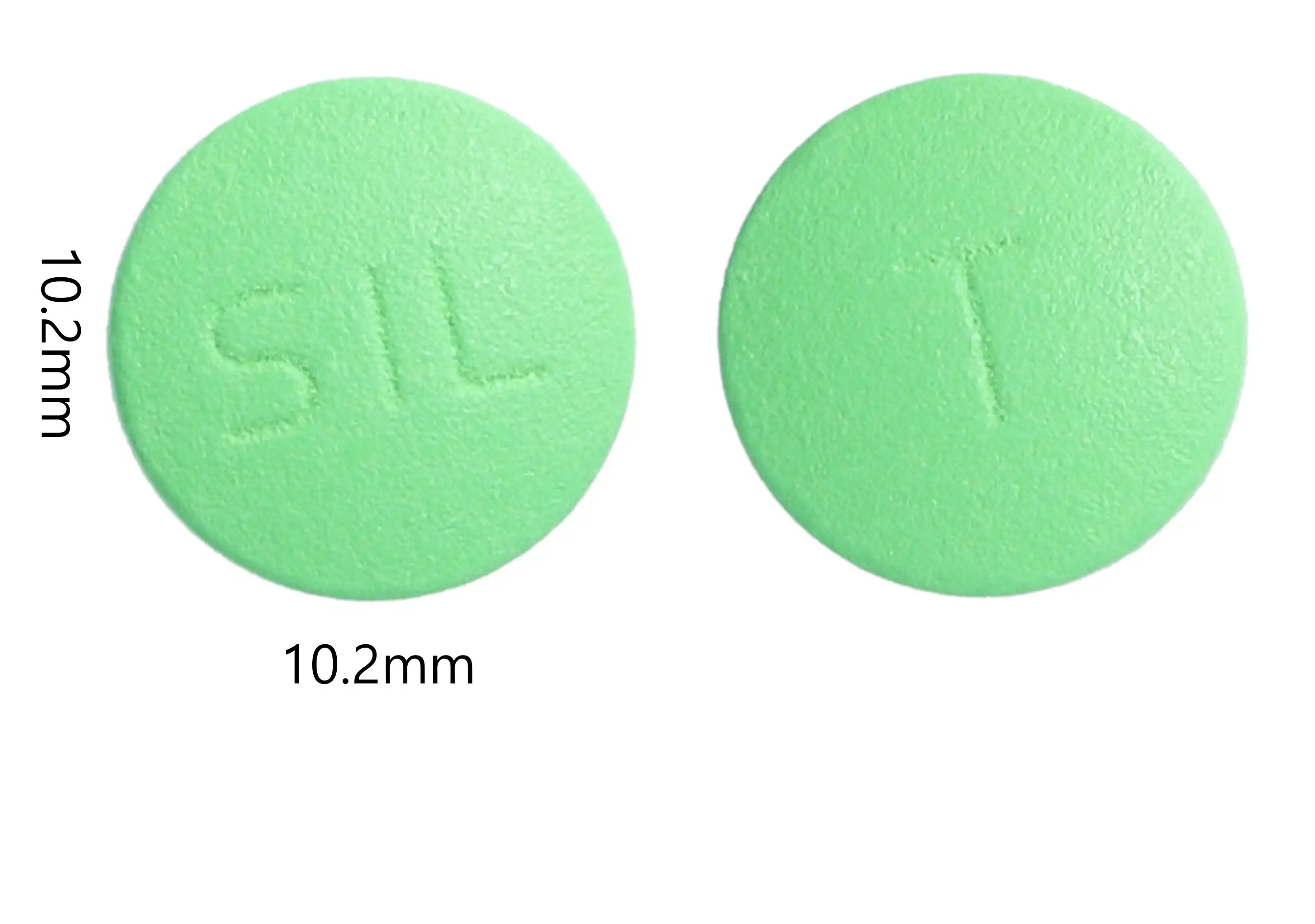
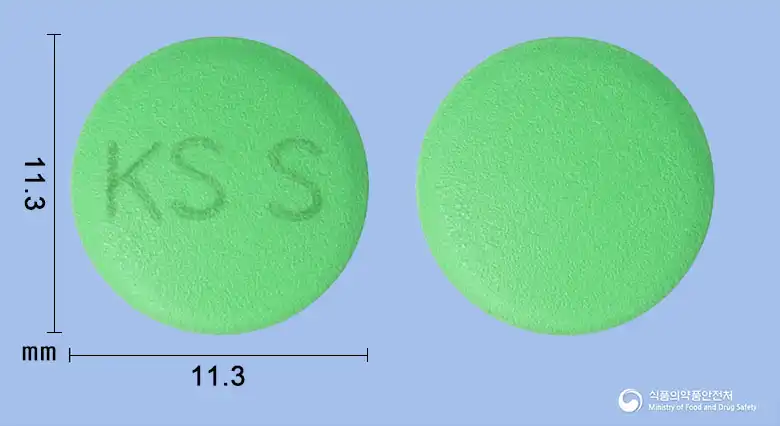
Green round film-coated tablets
10 tablets/box (10 tablets/PTP)
Even with the same ingredient, strength, dosage form and how it is taken can differ.
Viewing nowCombinationPrecipitated Calcium Carbonate 100mg · Sodium Bicarbonate 50mg +6 more
Tablet · OTC medication · Combination
Shinil Pharmaceutical Co., Ltd.
 Combination
Magnesium Aluminometasilicate 25.45mg · Sodium Bicarbonate 31.82mg +6 more
Tablet · OTC medication · Combination
Anguk Pharmaceutical Co., Ltd.
 Combination
Magnesium Aluminometasilicate 40mg · Sodium Bicarbonate 50mg +6 more
Tablet · OTC medication · Combination
Hanmi Pharmaceutical Co., Ltd.
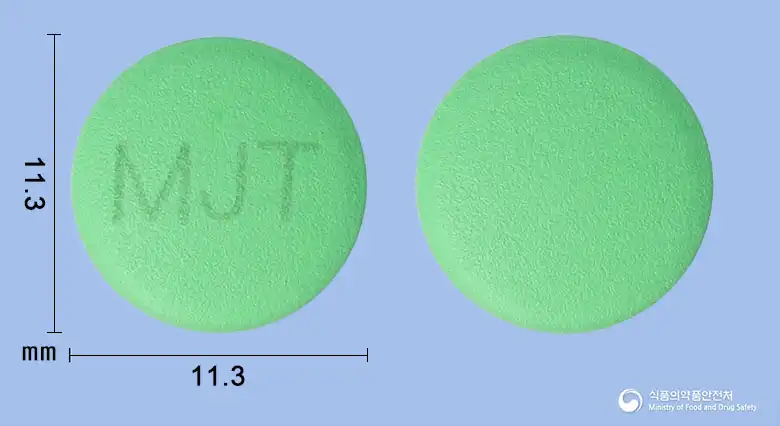 Combination
Magnesium Aluminometasilicate 40mg · Sodium Bicarbonate 50mg +6 more
Tablet · OTC medication · Combination
(Co., Ltd.) Mothers Pharmaceuticals
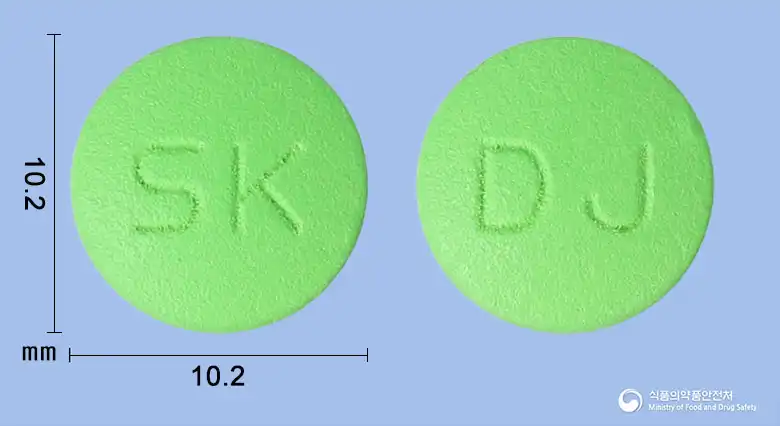 Combination
Precipitated Calcium Carbonate 100mg · Sodium Bicarbonate 50mg +6 more
Tablet · OTC medication · Combination
SK Chemicals Co., Ltd.
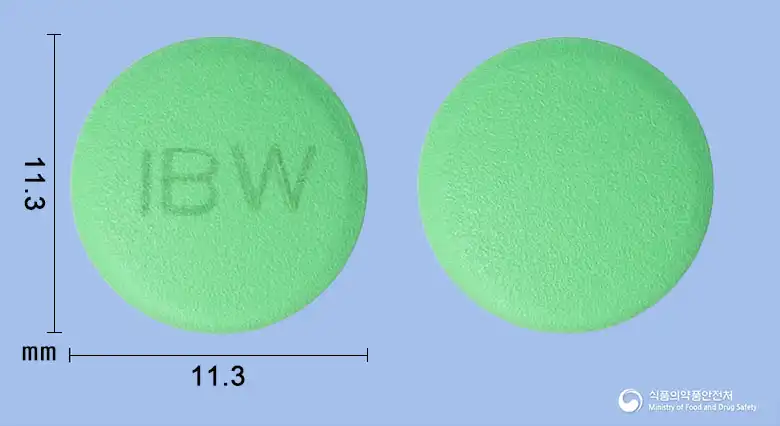 Combination
Magnesium Aluminometasilicate 40mg · Sodium Bicarbonate 50mg +6 more
Tablet · OTC medication · Combination
Il Yang Biopharm Co., Ltd.
 Combination
Magnesium Aluminometasilicate 40mg · Sodium Bicarbonate 50mg +6 more
Tablet · OTC medication · Combination
Aprogen Biologics Co., Ltd.
 Combination
Magnesium Aluminometasilicate 25.45mg · Sodium Bicarbonate 31.82mg +6 more
Tablet · OTC medication · Combination
Anguk New Pharm Co., Ltd.
Even with the same ingredient, the dose and directions can differ by strength and dosage form. Talk to a doctor or pharmacist before switching from a medication you are already taking.
QWhat does it mean to take it between meals?
Answers 1 · 2026.09.14
For anything that needs medical judgment, consult a doctor or pharmacist.
This drug information is based on data provided by the Korea Ministry of Food and Drug Safety.
Consult a doctor or pharmacist for accurate dosage, administration, and usage instructions.