
 한국어
한국어 English
 日本語
日本語 中文(简体)
 Viewing nowCombination
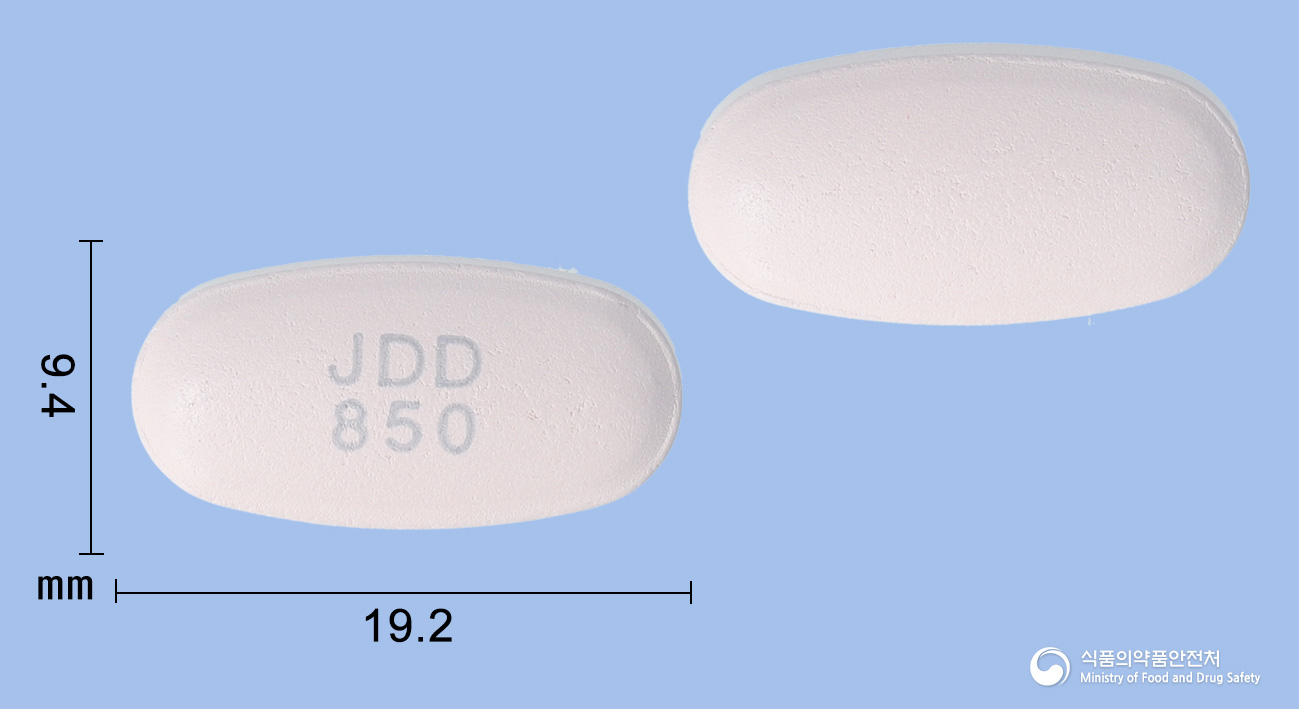
Jardiance Duo Tablet 12.5/850 mg
Empagliflozin 12.5mg · Metformin Hydrochloride 850mg
Tablet · Prescription medication · Combination
Genupharm Co., Ltd.
MFDS item code 202302584 · Approved 2023.08.30 · Insurance code 698004730
Blood sugar control in type 2 diabetes and prevention of cardiovascular events
This medication helps improve blood sugar control in patients with type 2 diabetes by combining empagliflozin and metformin. It is used as an adjunct to diet and exercise therapy, and is effective in adults whose blood sugar is not adequately controlled. Additionally, the effects on the occurrence of cardiovascular events should be considered in patients with concomitant cardiovascular disease, based on expert recommendations. Overall, it is a medication that contributes to health management along with improved blood sugar control.
The recommended dosage of this medication is 1 tablet once, twice a day. The dosage is determined considering each patient’s current treatment regimen, efficacy, and tolerability, not exceeding 25 mg of empagliflozin and 2000 mg of metformin. For patients who do not achieve adequate blood sugar control with metformin alone or in combination with other medications such as insulin, the recommended dosage is 5 mg of empagliflozin twice daily (total daily dosage 10 mg) in conjunction with the existing metformin dose.
This medication helps control blood sugar levels. However, it may cause a rare side effect known as severe lactic acidosis, which requires caution. It should not be used in patients with poor kidney function or conditions such as severe infection, dehydration, or heart failure. When used with insulin or other diabetes medications, dose adjustments may be necessary due to the risk of hypoglycemia. Prior to surgeries or radiological examinations, this medication should be stopped for a certain period, and treatment can be resumed only after confirming normal kidney function. It is advisable that pregnant or nursing women do not use this medication. Elderly patients should regularly monitor kidney function due to the risk of reduced function and may need dose adjustments. During treatment, dehydration or excessive alcohol intake should be avoided, and any symptoms should be reported to healthcare professionals immediately. Additionally, there may be an increased risk of urinary tract infections or genital infections, so prompt treatment is necessary if infection symptoms occur. Regular blood tests are recommended as B12 vitamin levels may decrease. Irregular meals or vigorous exercise should be avoided during this treatment, and patients should be aware of hypoglycemia symptoms. Overdosing this medication may result in serious side effects, therefore the prescribed dosage must be strictly followed.
Hives, angioedema, lactic acidosis, ketoacidosis, urosepsis, pyelonephritis, perineal necrosis, severe edema, significant swelling, severe allergic reactions, cardiac disorders (myocardial infarction, cerebral infarction, angina pectoris, Prinzmetal angina, coronary artery disease), severe neurological symptoms (cerebral infarction, intracranial aneurysm), acute kidney injury, acute renal failure, acute cholecystitis, autoimmune hepatitis, cholelithiasis, hepatitis, deep vein thrombosis,
Not everyone experiences these, and they can vary from person to person.
This medication should be stored in a sealed container as it can degrade due to air or moisture. It is advisable to maintain the storage temperature between 1 and 30 degrees Celsius. This will help preserve the efficacy of the medication for a longer period.
White oval film-coated tablets with pink tint, convex on both sides
60 tablets/bottle, 30 tablets/bottle, 60 tablets/box [(10 tablets/PTP x 6)], 10 tablets/box [(10 tablets/PTP x 1)]
Even with the same ingredient, strength, dosage form and how it is taken can differ.
Viewing nowCombinationEmpagliflozin 12.5mg · Metformin Hydrochloride 850mg
Tablet · Prescription medication · Combination
Genupharm Co., Ltd.
 Combination
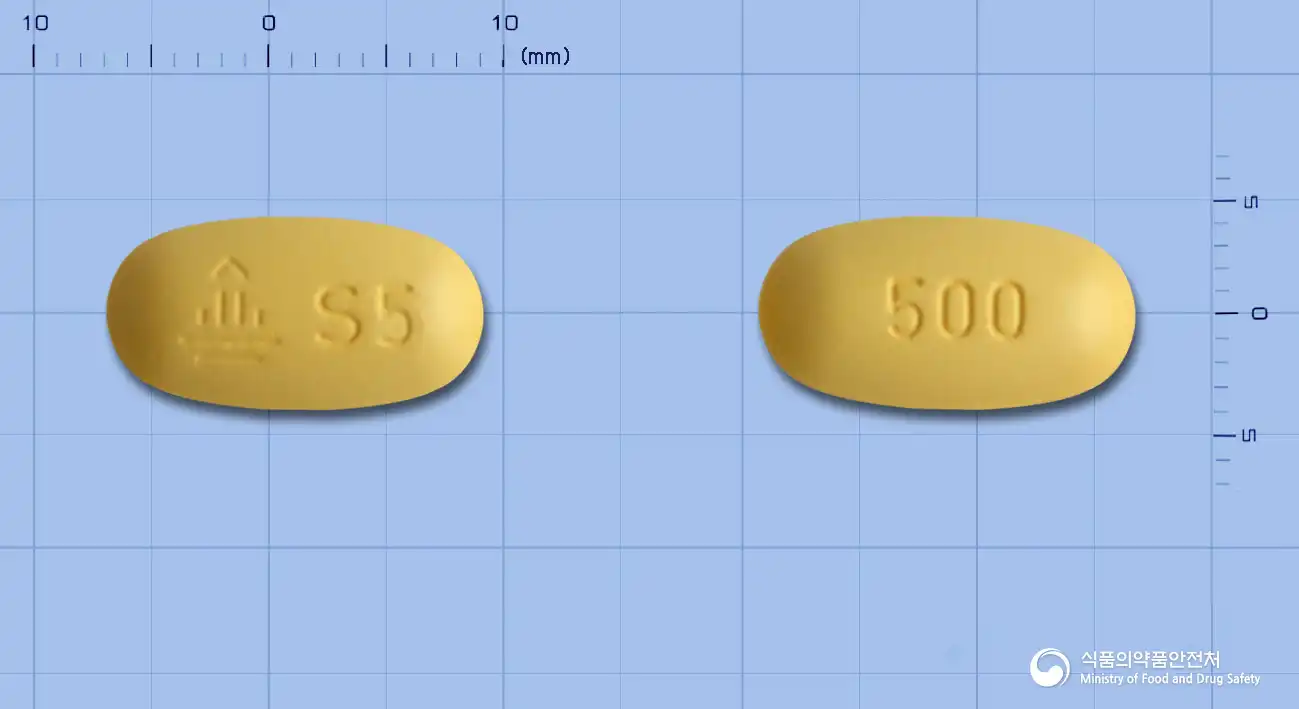
Empagliflozin 5mg · Metformin Hydrochloride 500mg
Tablet · Prescription medication · Combination
Boehringer Ingelheim Korea Co., Ltd.
 Combination
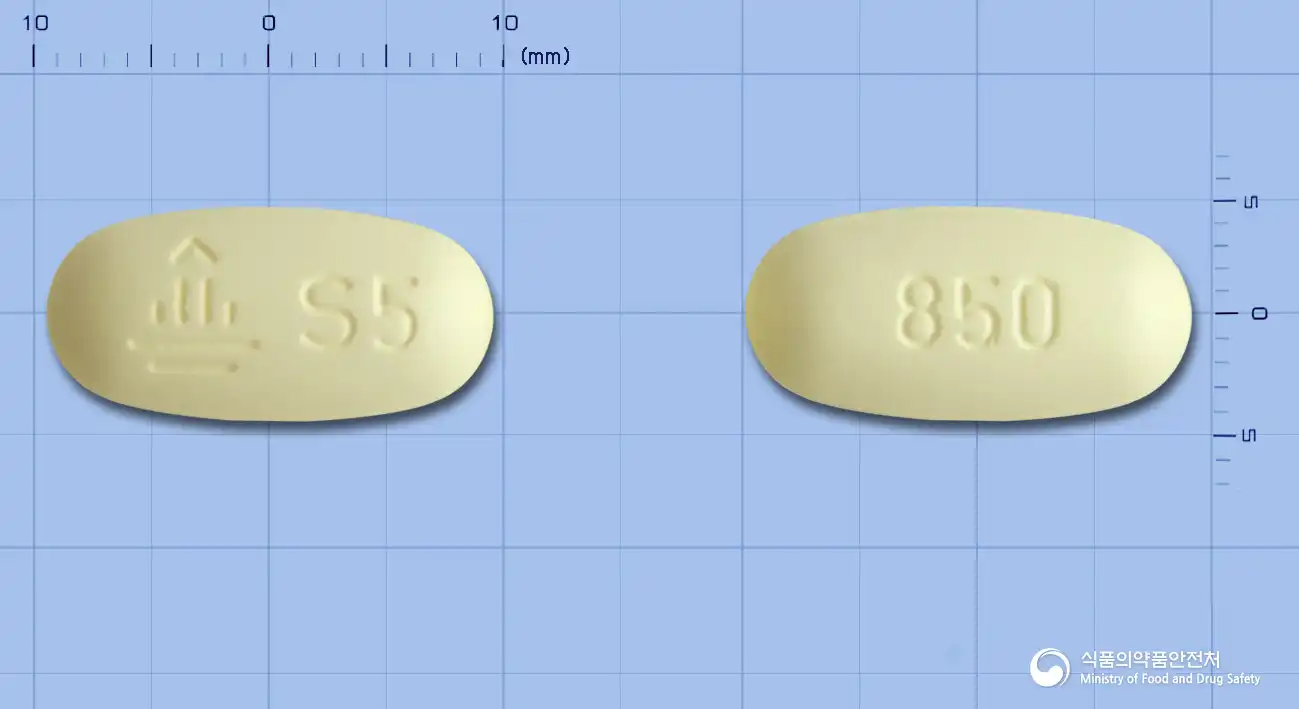
Empagliflozin 5mg · Metformin Hydrochloride 850mg
Tablet · Prescription medication · Combination
Boehringer Ingelheim Korea Co., Ltd.
 Combination
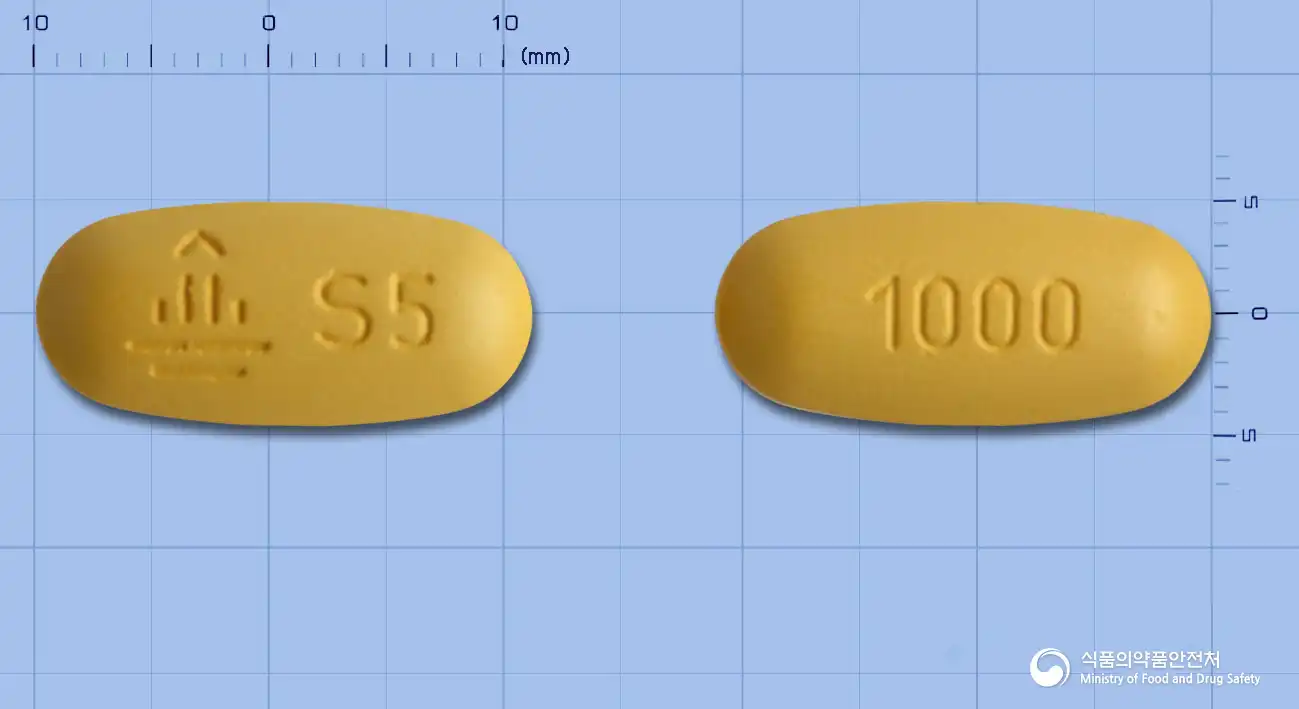
Empagliflozin 5mg · Metformin Hydrochloride 1000mg
Tablet · Prescription medication · Combination
Boehringer Ingelheim Korea Co., Ltd.
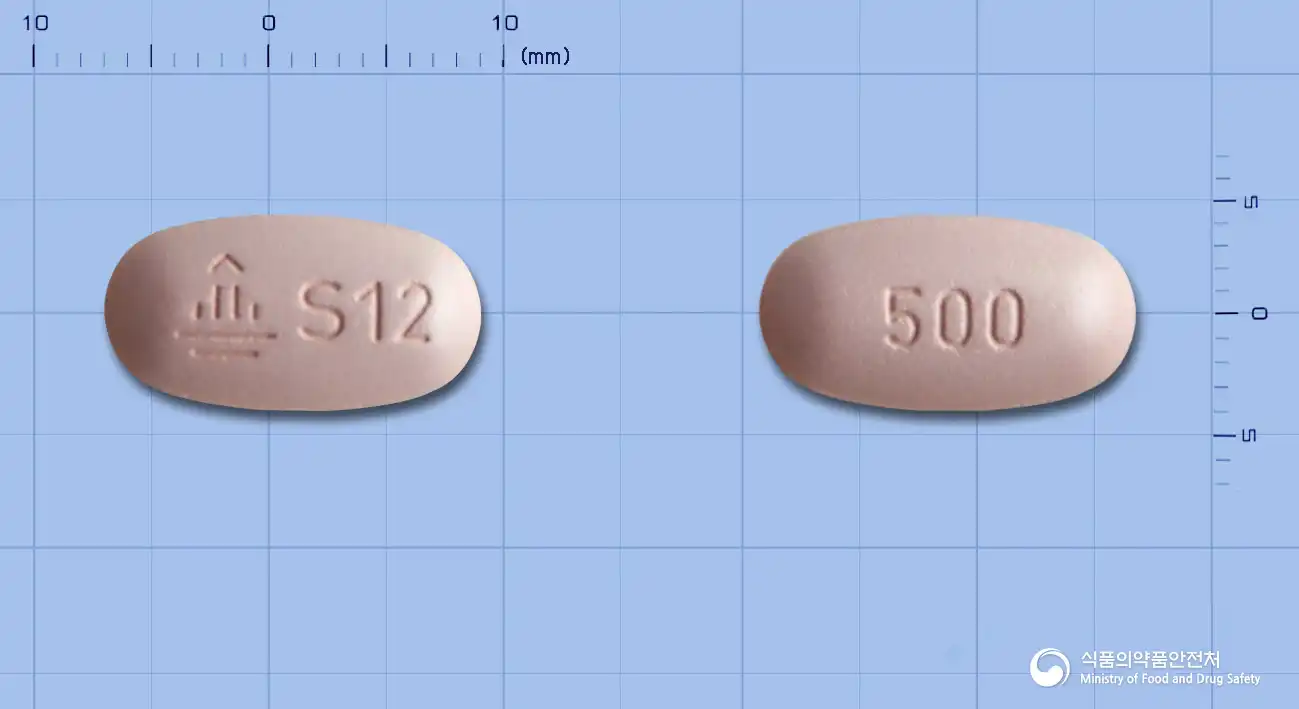 Combination
Empagliflozin 12.5mg · Metformin Hydrochloride 500mg
Tablet · Prescription medication · Combination
Boehringer Ingelheim Korea Co., Ltd.
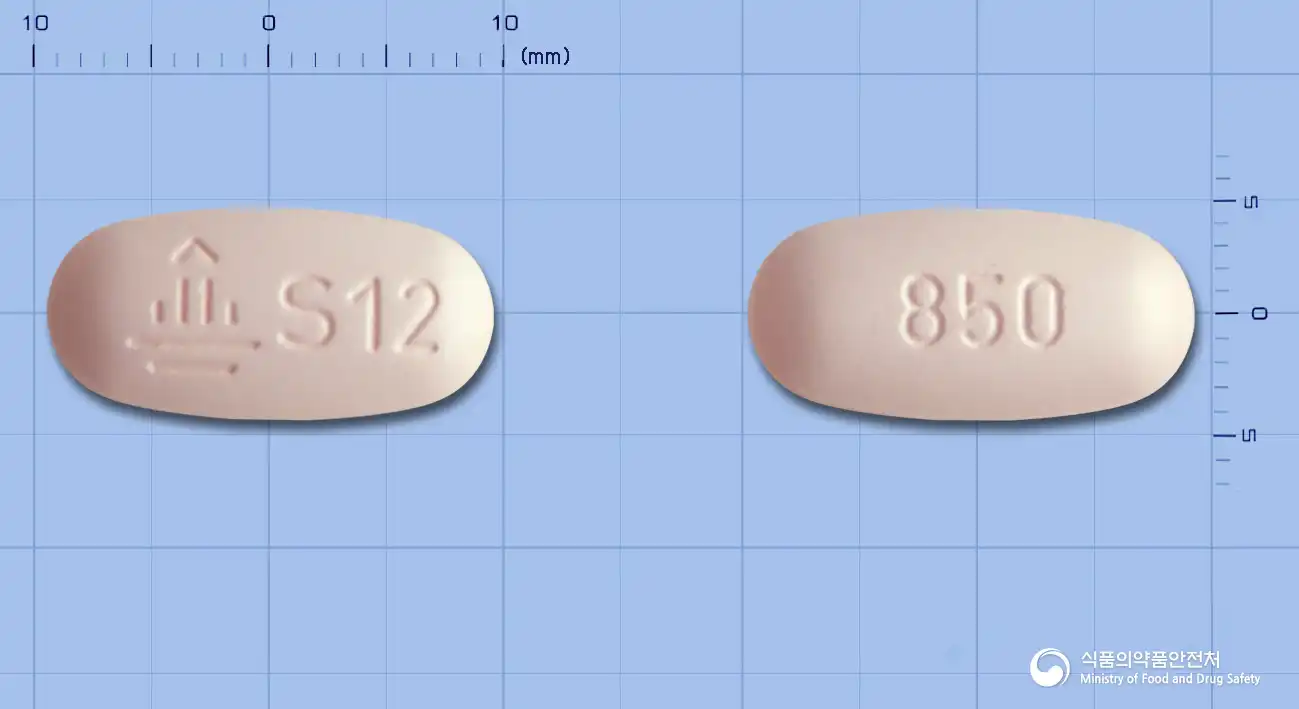 Combination
Empagliflozin 12.5mg · Metformin Hydrochloride 850mg
Tablet · Prescription medication · Combination
Boehringer Ingelheim Korea Co., Ltd.
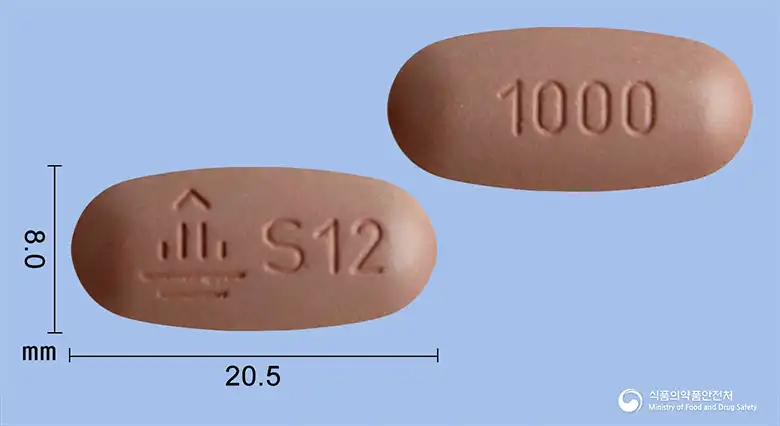 Combination
Empagliflozin 12.5mg · Metformin Hydrochloride 1000mg
Tablet · Prescription medication · Combination
Boehringer Ingelheim Korea Co., Ltd.
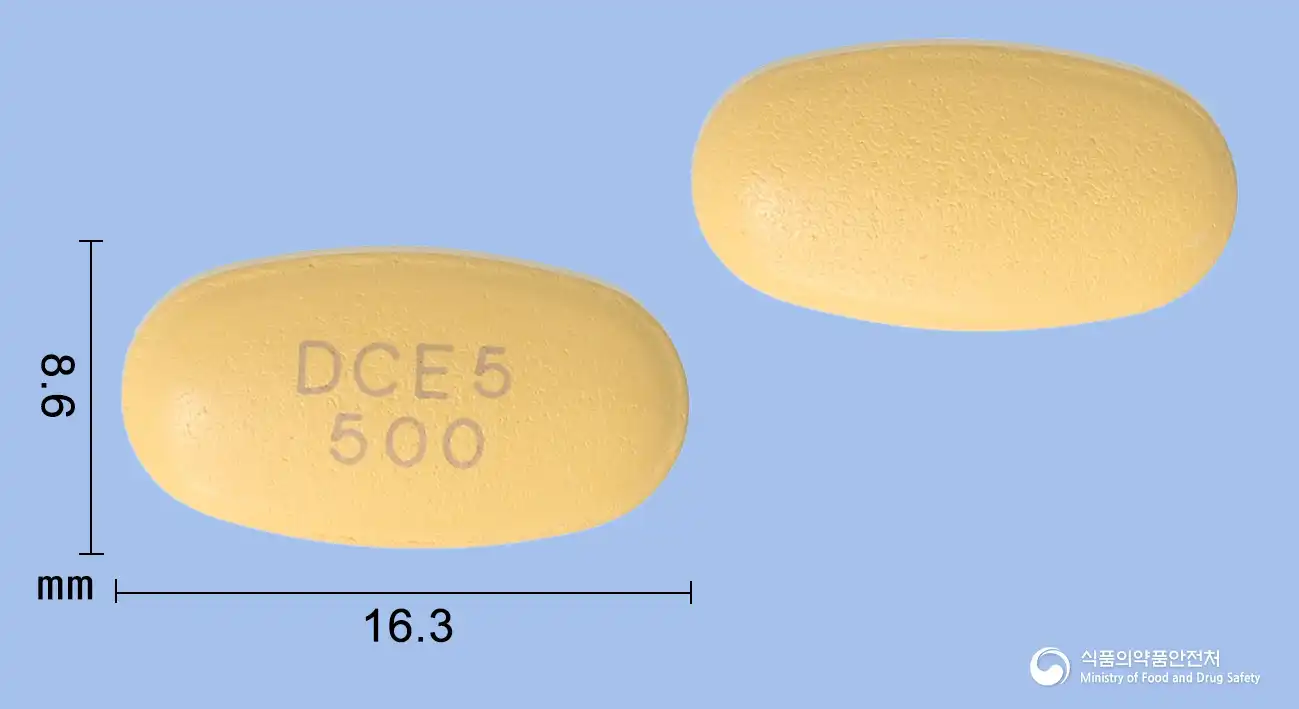 Combination
Empagliflozin 5mg · Metformin Hydrochloride 500mg
Tablet · Prescription medication · Combination
Donggu Bio Pharmaceutical Co., Ltd.
Even with the same ingredient, the dose and directions can differ by strength and dosage form. Talk to a doctor or pharmacist before switching from a medication you are already taking.
No questions yet.
For anything that needs medical judgment, consult a doctor or pharmacist.
This drug information is based on data provided by the Korea Ministry of Food and Drug Safety.
Consult a doctor or pharmacist for accurate dosage, administration, and usage instructions.