
 한국어
한국어 English
 日本語
日本語 中文(简体)
Dosage form image
Viewing nowCombinationDaiDiangDuo Tablet 12.5/500 mg
Empagliflozin 12.5mg · Metformin Hydrochloride 500mg
Tablet · Prescription medication · Combination
Korea Hutech Pharmaceutical Co., Ltd.
MFDS item code 202302528 · Approved 2023.08.25
This product's status changed to Approval withdrawn on 2026.02.04. It may no longer be sold, so consult a doctor or pharmacist before taking it.
Blood sugar control in type 2 diabetes and prevention of cardiovascular events
This drug is used to improve blood sugar control in adults with type 2 diabetes as an adjunct to diet and exercise, through the combined administration of empagliflozin and metformin. It can be administered to adult patients with type 2 diabetes who have insufficient blood sugar control, particularly in those with cardiovascular diseases. However, caution is needed regarding the occurrence of cardiovascular events, so please refer to professional guidelines. Overall, positive effects on cardiovascular health can be expected alongside blood sugar management.
The recommended dosage of this medication is one tablet, twice daily. The dosage should be determined considering the current treatment regimen, efficacy, and tolerability of the patient, without exceeding the maximum recommended daily doses of empagliflozin 25 mg and metformin 2000 mg. For patients not achieving adequate blood sugar control with metformin alone or in combination with other medications like insulin, the recommended dosage is 5 mg of empagliflozin, taken twice daily (total daily dose 10 mg).
This medication helps to manage blood sugar levels. However, there are several precautions to take when using this medication. Firstly, this drug may cause a rare but serious side effect known as lactic acidosis. Lactic acidosis is a condition where lactic acid accumulates excessively in the body and can be life-threatening in severe cases. Secondly, caution should be exercised when taking this medication in conjunction with other diabetes medications such as insulin or sulfonylureas, as it can lead to hypoglycemia, meaning excessively low blood sugar levels. This medication should not be used in certain patients. For example, it may be dangerous for patients with severely impaired kidney function, acute infections or dehydration, Type 1 diabetes patients, or women who are pregnant or breastfeeding. Additionally, kidney function should be monitored regularly while taking this medication. Patients who are older or have slightly reduced kidney function may require more frequent testing. This drug may cause side effects such as gastrointestinal disturbances (diarrhea, nausea, vomiting, etc.), urinary tract infections, genital infections, increased urination, hypoglycemia, and decreased body fluid levels. Women, in particular, may have a higher incidence of genital infections, so they should report any symptoms immediately. Also, this medication can reduce vitamin B12 levels, so it's advisable to check for vitamin B12 deficiency during prolonged use. It's important to avoid alcohol while taking this medication, as it can increase the risk of lactic acidosis, a side effect of this medication. If surgery is planned or if you are to undergo tests using iodine contrast agents, this medication should be temporarily discontinued, and resumption should only occur after kidney function has been confirmed to be normal. Finally, this medication is not recommended for children under 18 years old, and care should be taken when used by elderly patients aged 75 and above due to a higher risk of fluid loss. If you experience unusual symptoms or discomfort while taking this medication, it is important to consult a doctor or pharmacist immediately.
Hives, severe swelling (edema), angioedema, chest tightness, difficulty breathing, cold sweat, paleness, severe rash with fever, blisters, skin peeling, pain in mucous membranes of the mouth/eyes, severe skin adverse reactions, shortness of breath or difficulty breathing, asthma attacks, respiratory symptoms accompanied by coughing and fever, jaundice (yellowing of the skin or eyes), severe fatigue, liver disorders (jaundice), sudden and severe headaches, lightning-like headaches
Not everyone experiences these, and they can vary from person to person.
This medication should be stored in a tightly sealed container to prevent exposure to air and moisture. The storage temperature should be maintained at room temperature between 1 degree and 30 degrees Celsius.
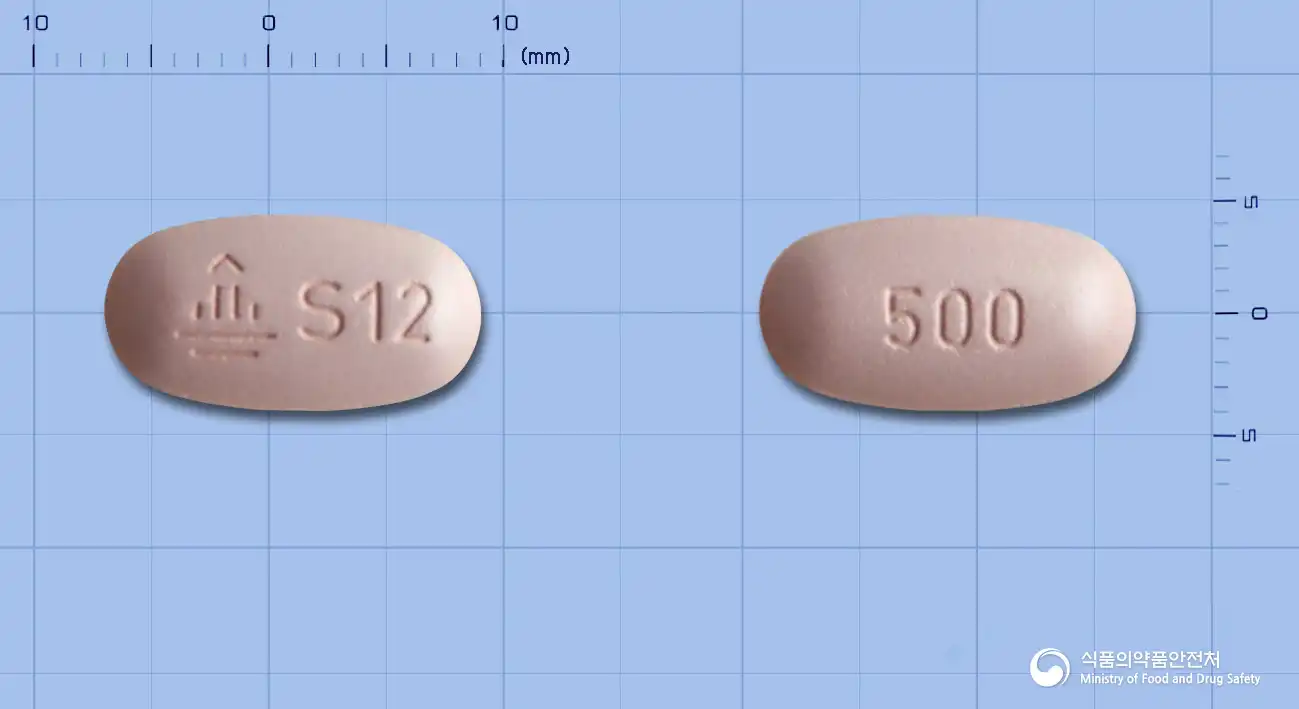
A film-coated tablet, oval, biconvex, purplish color with light brown tint
60 tablets/bottle, 60 tablets/box [10 tablets/PTP x 6], 10 tablets/box [10 tablets/PTP x 1]
Even with the same ingredient, strength, dosage form and how it is taken can differ.
Empagliflozin 12.5mg · Metformin Hydrochloride 500mg
Tablet · Prescription medication · Combination
Korea Hutech Pharmaceutical Co., Ltd.
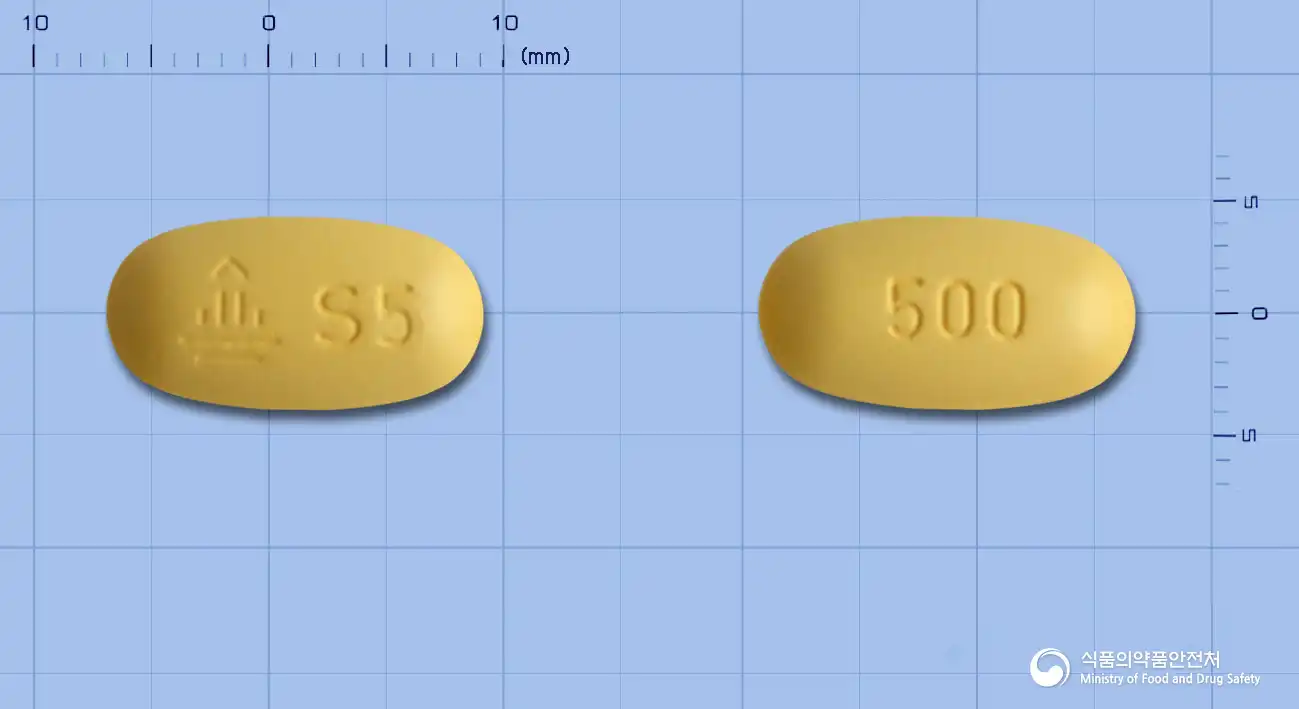 Combination
Empagliflozin 5mg · Metformin Hydrochloride 500mg
Tablet · Prescription medication · Combination
Boehringer Ingelheim Korea Co., Ltd.
 Combination
Empagliflozin 5mg · Metformin Hydrochloride 850mg
Tablet · Prescription medication · Combination
Boehringer Ingelheim Korea Co., Ltd.
 Combination
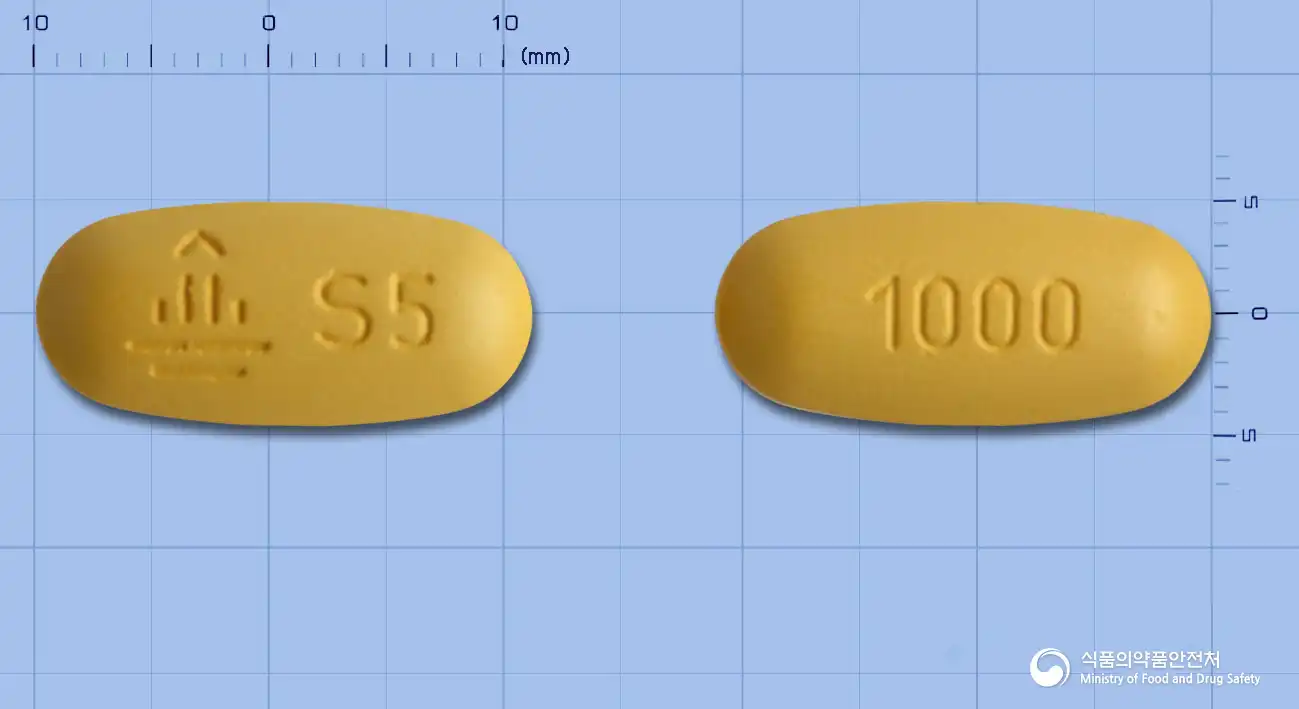
Empagliflozin 5mg · Metformin Hydrochloride 1000mg
Tablet · Prescription medication · Combination
Boehringer Ingelheim Korea Co., Ltd.
 Combination
Empagliflozin 12.5mg · Metformin Hydrochloride 500mg
Tablet · Prescription medication · Combination
Boehringer Ingelheim Korea Co., Ltd.
 Combination
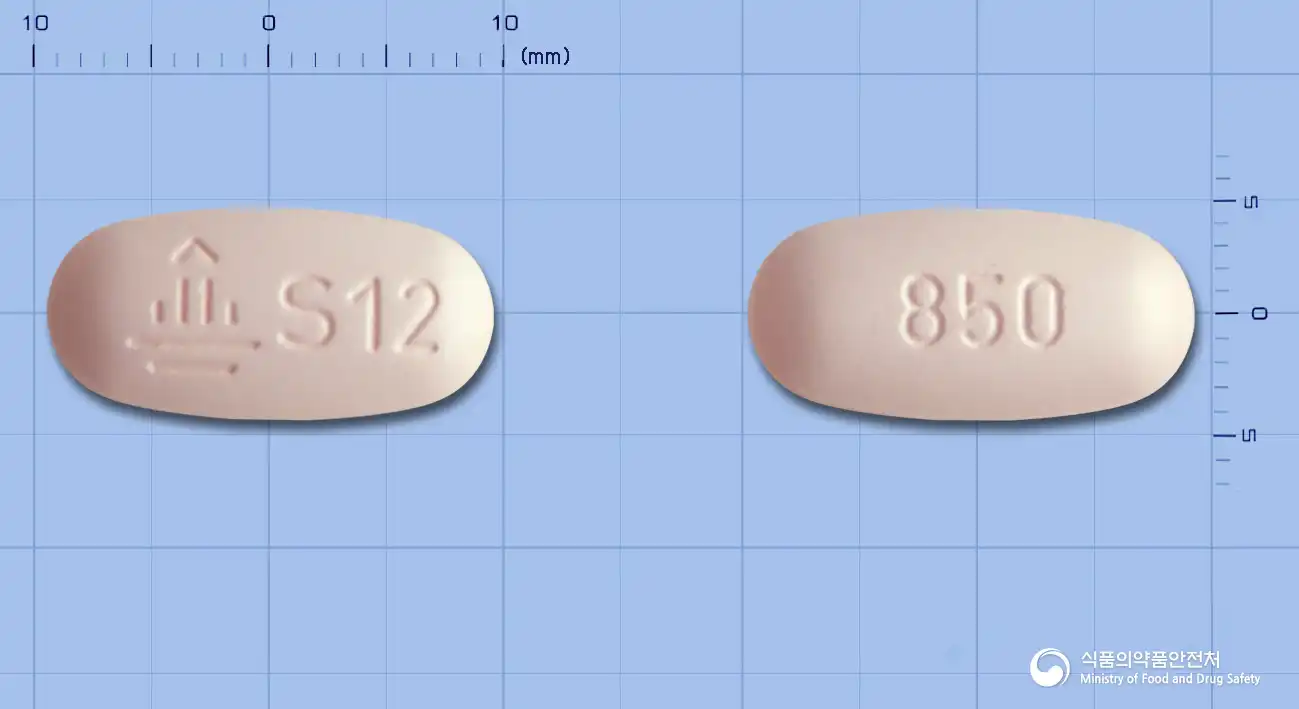
Empagliflozin 12.5mg · Metformin Hydrochloride 850mg
Tablet · Prescription medication · Combination
Boehringer Ingelheim Korea Co., Ltd.
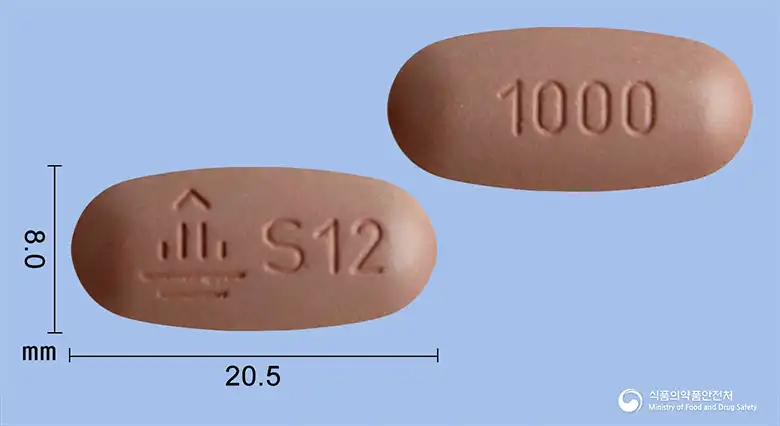 Combination
Empagliflozin 12.5mg · Metformin Hydrochloride 1000mg
Tablet · Prescription medication · Combination
Boehringer Ingelheim Korea Co., Ltd.
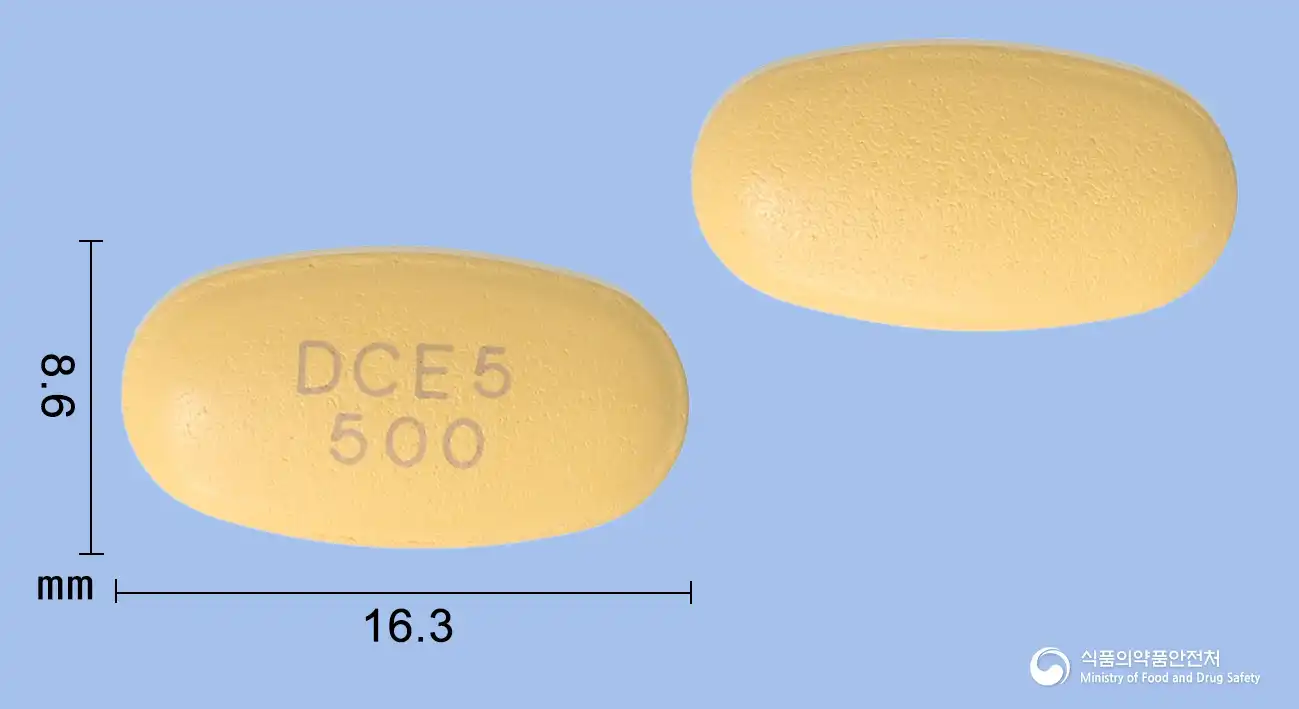 Combination
Empagliflozin 5mg · Metformin Hydrochloride 500mg
Tablet · Prescription medication · Combination
Donggu Bio Pharmaceutical Co., Ltd.
Even with the same ingredient, the dose and directions can differ by strength and dosage form. Talk to a doctor or pharmacist before switching from a medication you are already taking.
No questions yet.
For anything that needs medical judgment, consult a doctor or pharmacist.
This drug information is based on data provided by the Korea Ministry of Food and Drug Safety.
Consult a doctor or pharmacist for accurate dosage, administration, and usage instructions.