
 한국어
 English
 日本語
 中文(简体)
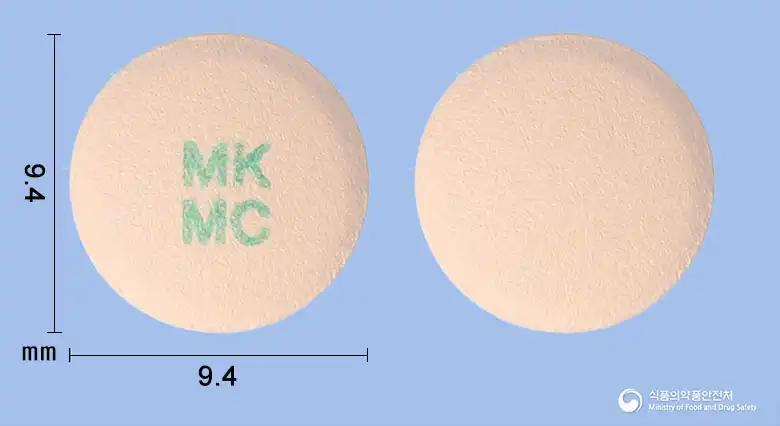 Viewing nowCombination
Monteseti Tablet (Montelukast Sodium, Levocetirizine Hydrochloride)
Montelukast Sodium 10.4mg · Levocetirizine Hydrochloride 5mg
Tablet · Prescription medication · Combination
Medica Korea Co., Ltd.
MFDS item code 202302520 · Approved 2023.08.25 · Insurance code 646005730
Relief of symptoms of perennial allergic rhinitis in patients with asthma
This medication is used to effectively relieve allergic rhinitis symptoms in patients suffering from asthma and perennial allergic rhinitis.
This medication is indicated for patients with asthma who require montelukast and have concomitant allergic rhinitis. Adults and adolescents aged 15 years and older: Take 1 tablet orally once daily in the evening. Patients taking montelukast and levocetirizine concomitantly may switch to this medication (a combination product containing the same amount of each active ingredient) for convenience.
This medication may affect the central nervous system, so if changes in mental state such as agitation, anxiety, depression, hallucinations, or suicidal thoughts occur while taking it, consult a doctor immediately. Patients with known allergies to this medication or its ingredients, renal failure, or women who are pregnant or breastfeeding should not take this medication. Patients with impaired kidney or liver function, as well as the elderly, should use this medication with caution because its components may remain in the body for a longer period. Common side effects upon administration may include upper respiratory infection, nasopharyngitis, gastrointestinal disturbance, and tonsillitis, and rarely, disturbances in heart rhythm, insomnia, or dyspnea may occur. This medication is not intended to treat acute asthma attacks; therefore, emergency medications must be used in case of asthma exacerbation. Patients with hypersensitivity to aspirin or non-steroidal anti-inflammatory drugs should avoid such medications while using this product. Care should be taken when driving or operating machinery as sleepiness or fatigue may occur. It is also advisable not to take alcohol or central nervous system depressants concurrently. Pregnant or breastfeeding women should only take this medication after consulting with a doctor and only when necessary, and for children under 15 years, safety and efficacy have not been established. In case of overdose, as no specific antidote exists, appropriate treatment for symptoms should be provided, and the medication should be kept out of reach of children. Prior to taking this medication, consult sufficiently with your doctor, and if any unusual symptoms occur during its use, inform a healthcare professional immediately.
Not everyone experiences these, and they can vary from person to person.
This medication must be stored in a tightly sealed container to protect it from air and light. The storage temperature should ideally be kept between 1 to 30 degrees Celsius at room temperature.
Beige round film-coated tablet
28 tablets / PTP[(7 tablets/PTP*4)]
Even with the same ingredient, strength, dosage form and how it is taken can differ.
Viewing nowCombinationMontelukast Sodium 10.4mg · Levocetirizine Hydrochloride 5mg
Tablet · Prescription medication · Combination
Medica Korea Co., Ltd.
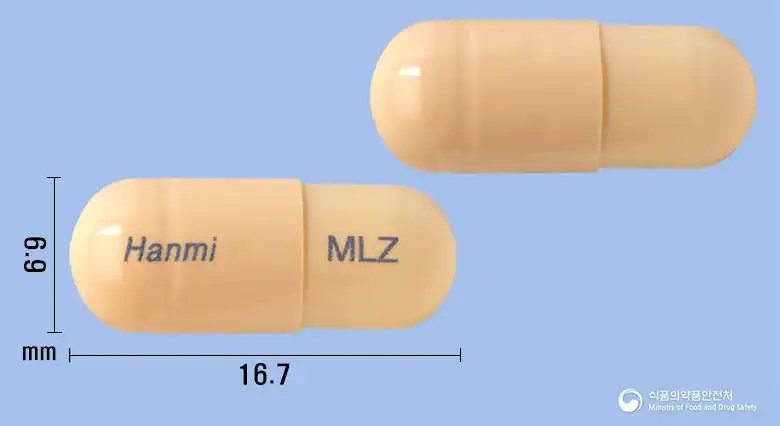 Combination
Montelukast Sodium 10.4mg · Levocetirizine Hydrochloride 5mg
Hard capsule · Prescription medication · Combination
Hanmi Pharmaceutical Co., Ltd.
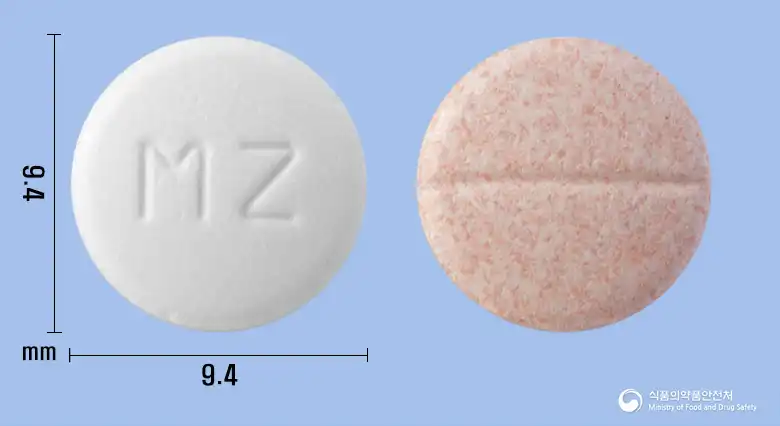 Combination
Montelukast Sodium 5.2mg · Levocetirizine Hydrochloride 5mg
Chewable Tablet · Prescription medication · Combination
Hanmi Pharmaceutical Co., Ltd.
Montelukast Sodium 10.4mg · Levocetirizine Hydrochloride 5mg
Tablet · Prescription medication · Combination
(Co., Ltd.) Donggu BioPharm
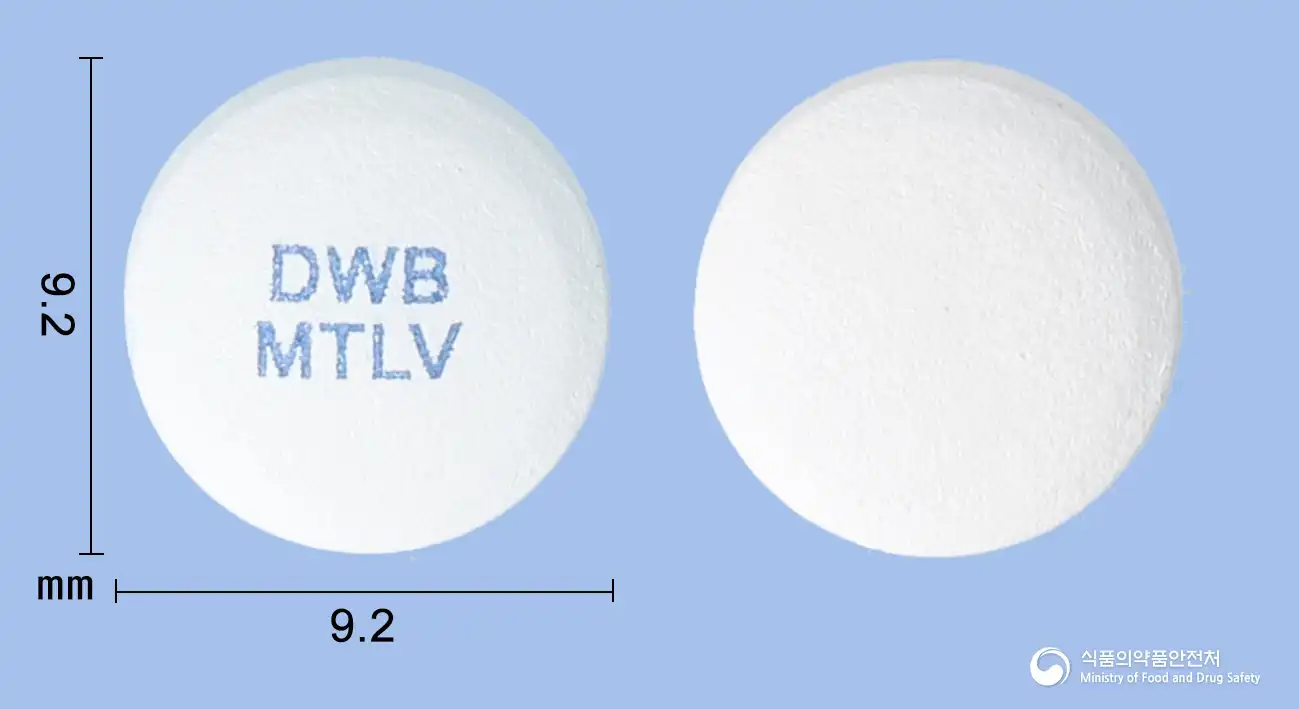 Combination
Montelukast Sodium 10.4mg · Levocetirizine Hydrochloride 5mg
Tablet · Prescription medication · Combination
Daewoong Bio Co., Ltd.
Montelukast Sodium 10.4mg · Levocetirizine Hydrochloride 5mg
Tablet · Prescription medication · Combination
Genupharm Co., Ltd.
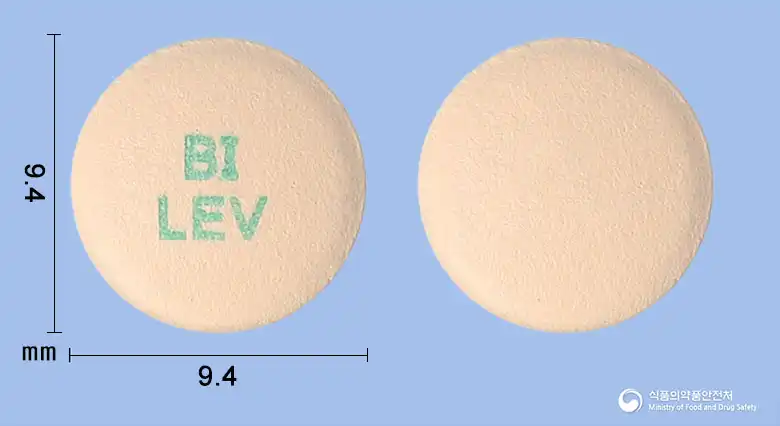 Combination
Montelukast Sodium 10.4mg · Levocetirizine Hydrochloride 5mg
Tablet · Prescription medication · Combination
Bionex Co., Ltd.
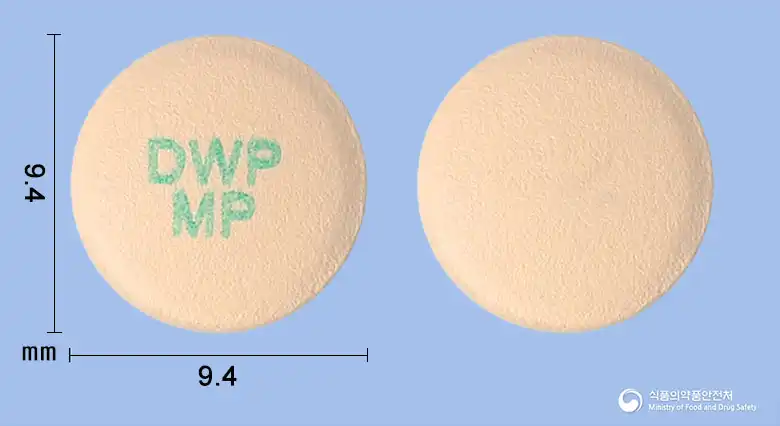 Combination
Montelukast Sodium 10.4mg · Levocetirizine Hydrochloride 5mg
Tablet · Prescription medication · Combination
DaeWon Pharmaceutical Co., Ltd.
Even with the same ingredient, the dose and directions can differ by strength and dosage form. Talk to a doctor or pharmacist before switching from a medication you are already taking.
No questions yet.
For anything that needs medical judgment, consult a doctor or pharmacist.
This drug information is based on data provided by the Korea Ministry of Food and Drug Safety.
Consult a doctor or pharmacist for accurate dosage, administration, and usage instructions.