
 한국어
한국어 English
 日本語
日本語 中文(简体)
Dosage form image
Viewing nowCombinationLevocase Tablets (Montelukast Sodium, Levocetirizine Hydrochloride)
Montelukast Sodium 10.4mg · Levocetirizine Hydrochloride 5mg
Tablet · Prescription medication · Combination
(Co., Ltd.) Donggu BioPharm
MFDS item code 202302488 · Approved 2023.08.23 · Insurance code 657308960
Relief of asthma and allergic rhinitis symptoms
This medication helps alleviate the symptoms of allergic rhinitis in patients with asthma and perennial allergic rhinitis. It reduces symptoms such as nasal congestion, sneezing, and runny nose caused by allergic rhinitis, thus improving discomfort in daily life. It can also be expected to have a positive effect on managing respiratory symptoms in asthma patients. Therefore, it can be effectively used for those experiencing both asthma and allergic rhinitis.
Adults and adolescents aged 15 years and older take 1 tablet orally once a day in the evening.
This medication can cause significant neuropsychiatric adverse effects, so if changes such as agitation, anxiety, depression, hallucinations, or suicidal thoughts occur during use, consult a doctor immediately. Patients allergic to this drug or its components, or to hydroxyzine and piperazine derivatives should not take this medication. Patients with severely impaired kidney function or undergoing dialysis, and women who are pregnant or breastfeeding should not use this medication. Patients with lactose intolerance or specific genetic metabolic disorders should also refrain from taking this medication. Elderly patients or those with impaired kidney or liver function should take this medication with caution, as the components may remain in the body longer and have effects. During the use of this medication, side effects such as upper respiratory tract infections, rhinitis, gastrointestinal disturbances, headaches, drowsiness, and skin rashes may occur, so if any abnormal symptoms persist, consult a healthcare professional. This medication is not used to treat acute asthma attacks; thus, appropriate emergency medication should be prepared for emergency situations, and abrupt switching to other steroid preparations should be avoided. Patients with hypersensitivity to aspirin or nonsteroidal anti-inflammatory drugs should avoid using those medications while taking this medication. Drowsiness or fatigue may occur during use, requiring attention when driving or operating machinery, and it is advisable not to use alcohol or central nervous system depressants concurrently. This medication has few interactions with other drugs; however, monitoring is needed if used in conjunction with certain medications as directed by a physician. It is safest to avoid using this medication during pregnancy or breastfeeding; if necessary, consult a doctor for cautious decision-making. Children under 15 years of age should not use this medication as its safety and efficacy have not been established. In case of overdose, there is no specific antidote, so appropriate treatment should be provided based on symptoms, and this medication is sensitive to light, so it should be prepared for use immediately after opening. When storing, keep out of reach of children and do not transfer to other containers.
Urticaria, facial swelling, difficulty breathing, worsening asthma, eosinophilia, vasculitic rash, worsening pulmonary symptoms, cardiac complications, neuropathy, suicidal ideation and behavior, suicidal thoughts, suicide, significant neuropsychiatric adverse events (agitation, aggressive behavior, anxiety, depression, disorientation, attention disorders, stuttering, hallucinations, insomnia, memory disorders, obsessive-compulsive disorder, psychomotor hyperactivity, sleepwalking, tics, confusion, visual disturbances, paralysis, seizures
Not everyone experiences these, and they can vary from person to person.
This medication is sensitive to air and moisture, so it should be stored in a tightly sealed container. A storage temperature between 1 to 30 degrees Celsius is recommended.
Beige colored round film-coated tablets
28 tablets/PTP[(7 tablets/PTP*4)]
Even with the same ingredient, strength, dosage form and how it is taken can differ.
Montelukast Sodium 10.4mg · Levocetirizine Hydrochloride 5mg
Tablet · Prescription medication · Combination
(Co., Ltd.) Donggu BioPharm
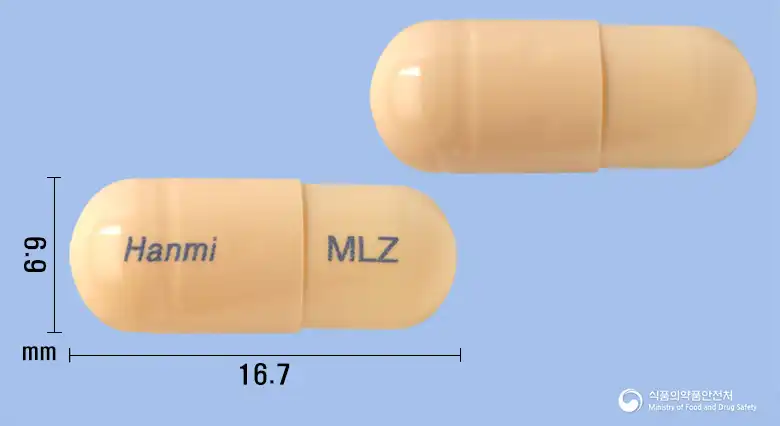 Combination
Montelukast Sodium 10.4mg · Levocetirizine Hydrochloride 5mg
Hard capsule · Prescription medication · Combination
Hanmi Pharmaceutical Co., Ltd.
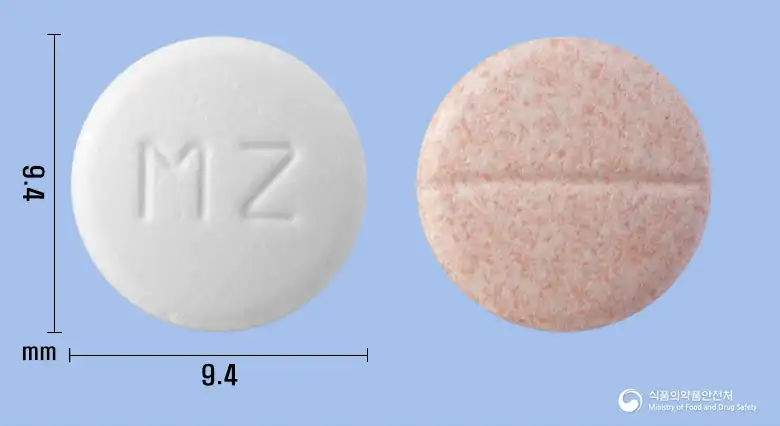 Combination
Montelukast Sodium 5.2mg · Levocetirizine Hydrochloride 5mg
Chewable Tablet · Prescription medication · Combination
Hanmi Pharmaceutical Co., Ltd.
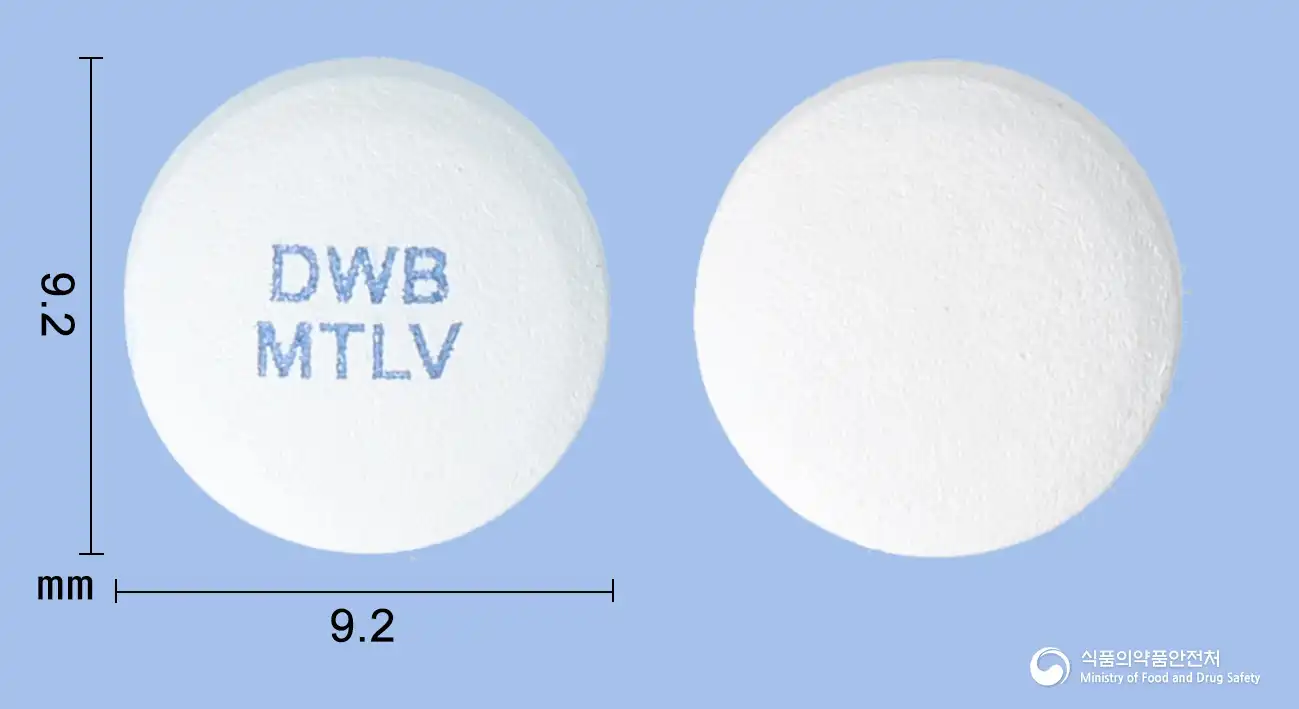 Combination
Montelukast Sodium 10.4mg · Levocetirizine Hydrochloride 5mg
Tablet · Prescription medication · Combination
Daewoong Bio Co., Ltd.
Montelukast Sodium 10.4mg · Levocetirizine Hydrochloride 5mg
Tablet · Prescription medication · Combination
Genupharm Co., Ltd.
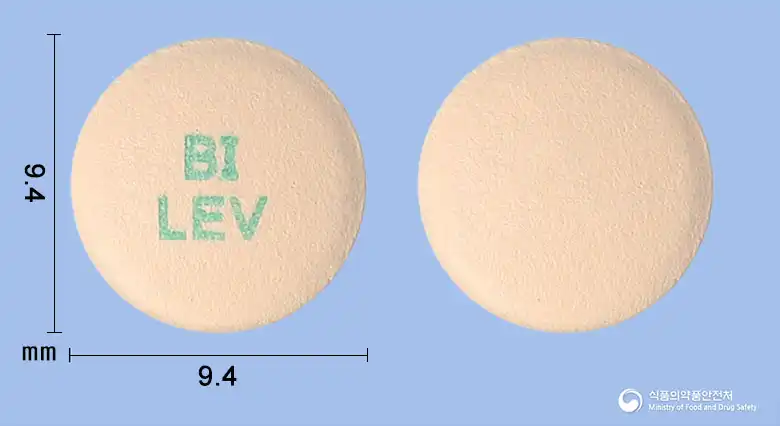 Combination
Montelukast Sodium 10.4mg · Levocetirizine Hydrochloride 5mg
Tablet · Prescription medication · Combination
Bionex Co., Ltd.
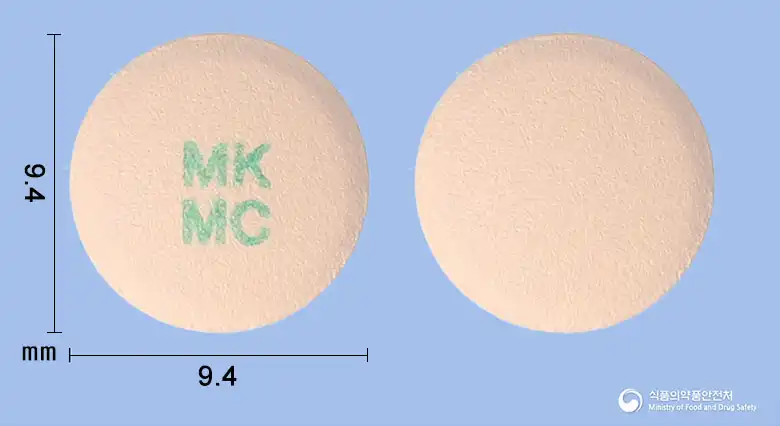 Combination
Montelukast Sodium 10.4mg · Levocetirizine Hydrochloride 5mg
Tablet · Prescription medication · Combination
Medica Korea Co., Ltd.
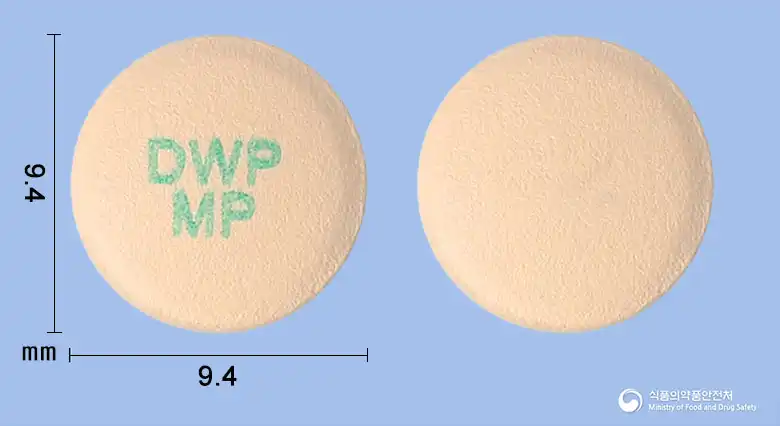 Combination
Montelukast Sodium 10.4mg · Levocetirizine Hydrochloride 5mg
Tablet · Prescription medication · Combination
DaeWon Pharmaceutical Co., Ltd.
Even with the same ingredient, the dose and directions can differ by strength and dosage form. Talk to a doctor or pharmacist before switching from a medication you are already taking.
No questions yet.
For anything that needs medical judgment, consult a doctor or pharmacist.
This drug information is based on data provided by the Korea Ministry of Food and Drug Safety.
Consult a doctor or pharmacist for accurate dosage, administration, and usage instructions.