한국어
 English
 日本語
 中文(简体)
 Viewing now
Tixstar Tablet (Rifaximin)
Rifaximin 550mg
Tablet · Prescription medication
Samoh Pharmaceutical Co., Ltd.
MFDS item code 202302343 · Approved 2023.08.07
Prevention of recurrence of overt hepatic encephalopathy in adults aged 18 years and older
This medication is used to reduce the recurrence of overt hepatic encephalopathy in patients aged 18 years and older. Hepatic encephalopathy is a condition that affects brain function due to impaired liver function, and this medication can lower the risk of recurrence. Continuous use can help improve the quality of life for patients.
Take 1 tablet orally twice daily. Use as long-term treatment to reduce recurrence of overt hepatic encephalopathy. (Refer to “9. Information for Healthcare Professionals, 3) Clinical Trial Information” under Precautions for Use.) This drug may be taken with or without food. Patients with hepatic impairment: No dosage adjustment is required in patients with hepatic impairment. Use with caution in patients with severe hepatic impairment. (Refer to “2. Use with Caution” and “10. Administration to Patients with Hepatic Impairment” under Precautions for Use.)
This medication should not be used in patients with allergies to this medication, its ingredients, rifamycin derivatives, or excipients. Patients with intestinal obstruction should also not take this medication. It is not recommended to use this medication with other rifamycin-class drugs, as it may affect the intestinal bacterial balance, so caution is advised. Patients with severely impaired liver function or those with high scores for specific liver diseases should use this medication with caution. Additionally, when taking this medication with certain immunosuppressants or anticoagulants, blood coagulation status should be regularly monitored to adjust the dose if necessary. Women who are pregnant or breastfeeding should also exercise caution when taking this medication. During treatment, side effects such as dizziness, rash, itching, abdominal pain, muscle pain, joint pain, and fever may occur. In rare cases, serious skin reactions that may be life-threatening can occur, so any unusual symptoms should be reported to a healthcare professional immediately. This medication can affect the gut microbiota, potentially leading to diarrhea or pseudomembranous colitis. Prolonged use of high doses may result in small amounts being absorbed into the body, causing urine to turn red, but this is due to the properties of the medication. There may be dizziness when driving or operating machinery; however, for the most part, it does not significantly impact activities. This medication may accumulate in patients with certain liver dysfunction, but dosage adjustment is generally not required. There have been no specific reports of overdose; however, if symptoms arise, it is advisable to seek treatment appropriate to the symptoms.
Not everyone experiences these, and they can vary from person to person.
This medication may be sensitive to air or moisture, so it must be stored in a tightly sealed container. It is advisable to maintain the storage temperature between 1 degree and 30 degrees Celsius to preserve the medication's effectiveness and safety for a long time.
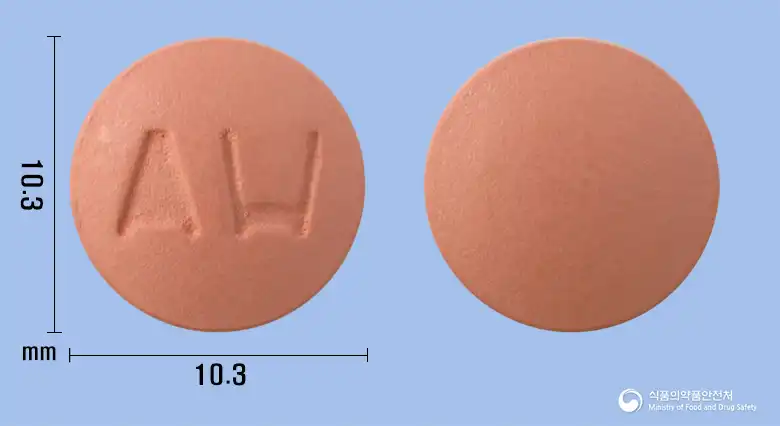
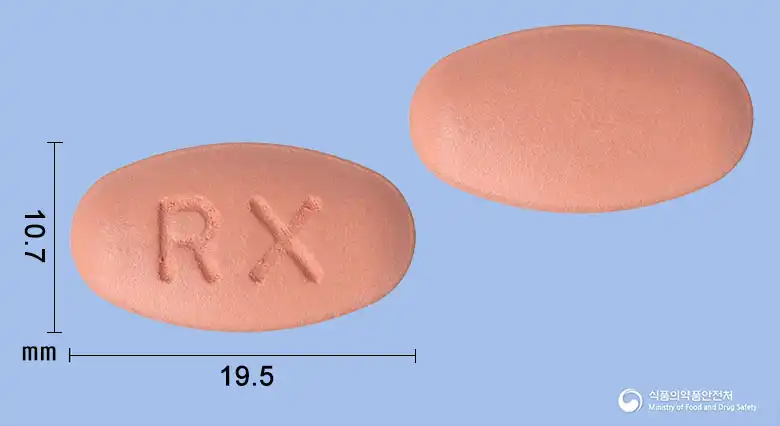
Pink, oval-shaped, biconvex film-coated tablet
56 tablets (14 tablets/PTP x 4)
Even with the same ingredient, strength, dosage form and how it is taken can differ.
Even with the same ingredient, the dose and directions can differ by strength and dosage form. Talk to a doctor or pharmacist before switching from a medication you are already taking.
No questions yet.
For anything that needs medical judgment, consult a doctor or pharmacist.
This drug information is based on data provided by the Korea Ministry of Food and Drug Safety.
Consult a doctor or pharmacist for accurate dosage, administration, and usage instructions.