
 한국어
한국어 English
 日本語
日本語 中文(简体)
 Viewing nowCombination
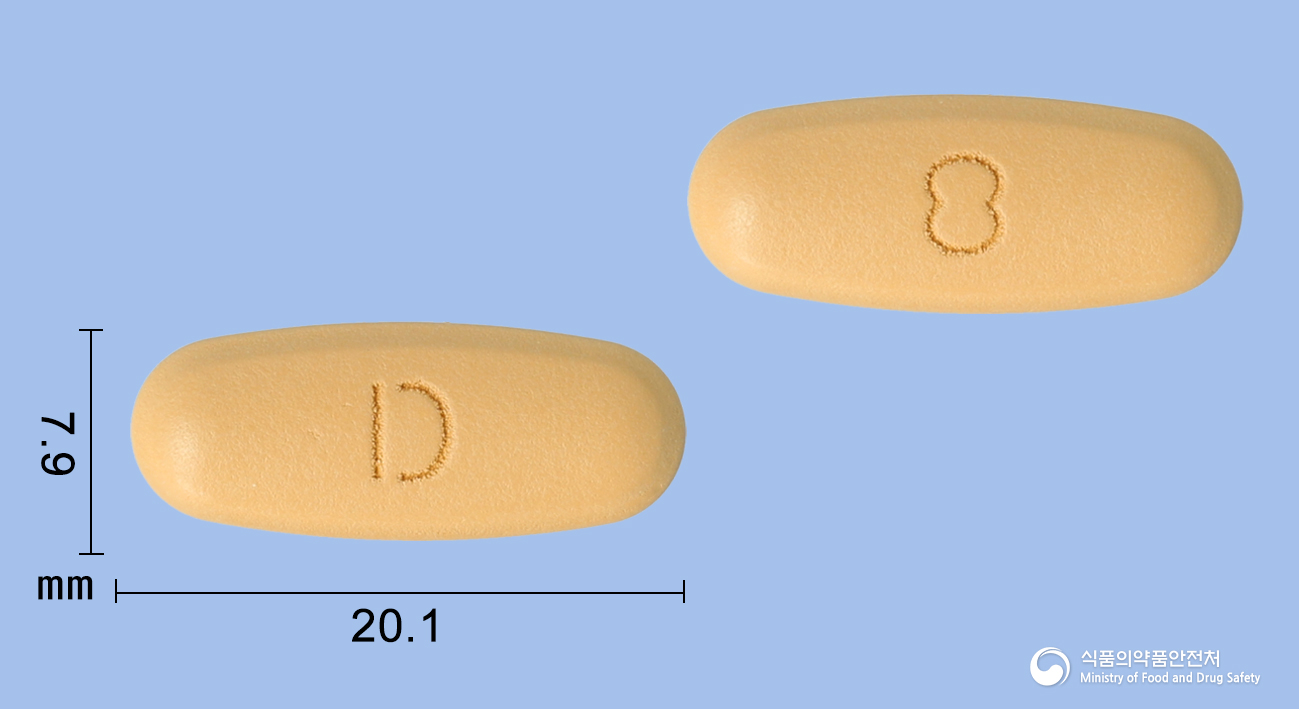
DIAFAB SMET Tablet 50/850 mg (Vildagliptin, Metformin Hydrochloride)
Vildagliptin 50mg · Metformin Hydrochloride 850mg
Tablet · Prescription medication · Combination
Hankook Hyutecs Pharmaceutical Co., Ltd.
MFDS item code 202302280 · Approved 2023.07.28 · Insurance code 649105780
Improvement in blood sugar control in type 2 diabetes
This medication is prescribed to help control blood sugar levels in patients with type 2 diabetes using vildagliptin and metformin together. It assists in effectively managing blood sugar through dietary and exercise regimes. This helps stabilize blood sugar levels and contributes to the prevention of diabetes-related complications. It plays an important role in maintaining healthy blood sugar levels for patients.
For the treatment of type 2 diabetes patients, vildagliptin 100 mg and metformin 2000 mg should not be exceeded, and individualization should be based on efficacy and tolerability. 1. In cases where there is no prior experience with diabetes medication and sufficient blood sugar control is difficult with monotherapy: The initial dose is 50/500 mg of this medication once daily, which can be gradually increased to 50/1000 mg twice daily, one tablet each time.
This medication may cause severe lactic acidosis or hypoglycemia, thus caution is required. It should not be administered to patients with moderate to severe kidney impairment, heart failure, acute cardiac diseases, or sepsis. If the patient is scheduled for a test using iodine contrast agents, this medication should be discontinued 48 hours prior to the test, and it should only be resumed once kidney function is confirmed normal. Patients with hypersensitivity to this medication or with type 1 diabetes or diabetic ketoacidosis should not use it. In cases of severe infections, serious trauma with systemic involvement, pre- and post-surgery, malnutrition, or liver or lung function impairment, its use should be temporarily halted or approached with caution. Pregnant or nursing women are advised against using this medication. While this medication lowers blood sugar, irregular meals, intense exercise, or concurrent use with other medications may increase the risk of hypoglycemia. Regular monitoring of liver and kidney functions is necessary during treatment. If symptoms of acute pancreatitis arise, discontinue use immediately and consult a doctor. Alcohol consumption may increase the risk of lactic acidosis, so it is advisable to avoid it. If symptoms of hypoglycemia occur, sugar should be consumed immediately, and consultation with a doctor is recommended if necessary. Older adults may have decreased kidney function, so dose adjustment and regular function tests are necessary. If surgery is scheduled, discontinue this medication 48 hours prior to the operation and resume it after observing the progress post-surgery. This medication is not recommended for children and adolescents. In cases of overdose, seek medical attention immediately, and this medication can be partially removed by hemodialysis. It should be stored out of reach of children and not transferred to other containers. Any abnormal symptoms like blisters or ulcers on the skin during treatment should be reported to a doctor immediately. Patients with symptoms similar to diabetes unrelated to diabetes should have the treatment decision made after an accurate diagnosis. Regular blood sugar and glycated hemoglobin measurements should be conducted to monitor treatment effectiveness. Vitamin B12 levels may decrease, so regular blood tests are necessary, and appropriate action should be taken if abnormalities are found. Symptoms like joint pain or skin rashes may manifest during treatment, so careful observation is necessary.
Not everyone experiences these, and they can vary from person to person.
This medication is sensitive to air and moisture, so it should be stored in a tightly closed container in a dry place. Additionally, it is best stored in a cool place below 30 degrees Celsius.
Yellow oval film-coated tablet
30 tablets/bottle, 100 tablets/bottle
Even with the same ingredient, strength, dosage form and how it is taken can differ.
Viewing nowCombinationVildagliptin 50mg · Metformin Hydrochloride 850mg
Tablet · Prescription medication · Combination
Hankook Hyutecs Pharmaceutical Co., Ltd.
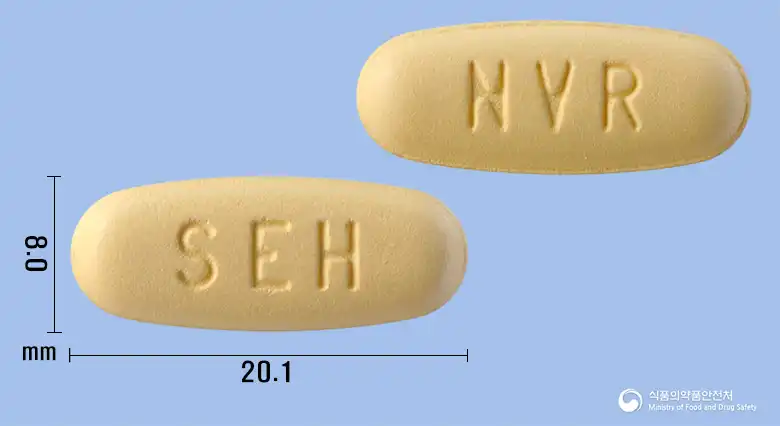 Combination
Vildagliptin 50mg · Metformin Hydrochloride 850mg
Tablet · Prescription medication · Combination
Korea Novartis Co., Ltd.
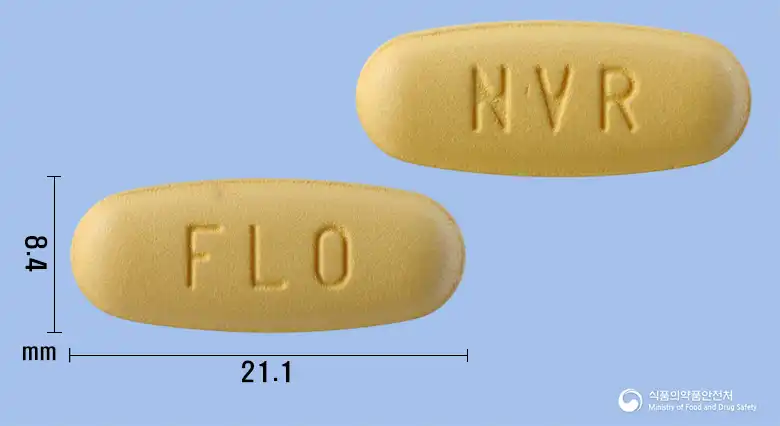 Combination
Vildagliptin 50mg · Metformin Hydrochloride 1000mg
Tablet · Prescription medication · Combination
Novartis Korea Co., Ltd.
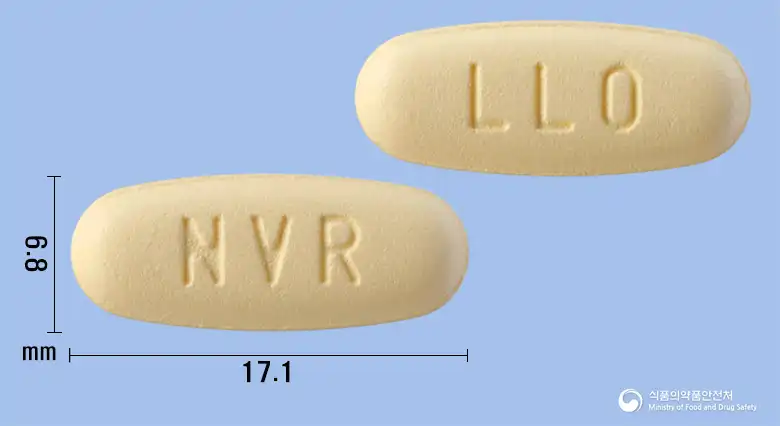 Combination
Vildagliptin 50mg · Metformin Hydrochloride 500mg
Tablet · Prescription medication · Combination
Novartis Korea Co., Ltd.
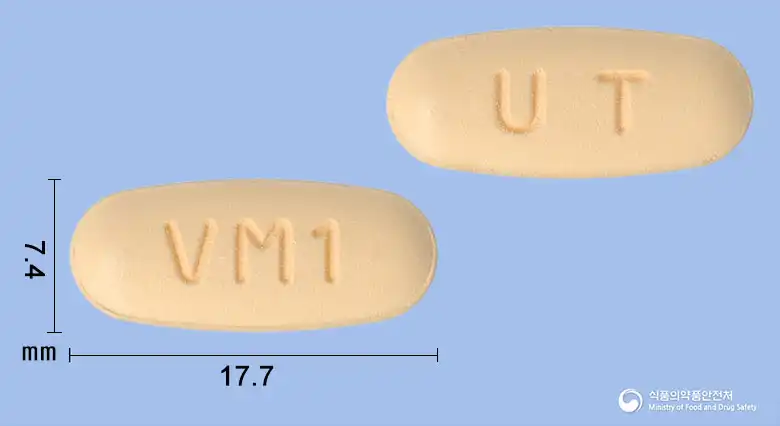 Combination
Vildagliptin 50mg · Metformin Hydrochloride 500mg
Tablet · Prescription medication · Combination
Korea United Pharm, Co., Ltd.
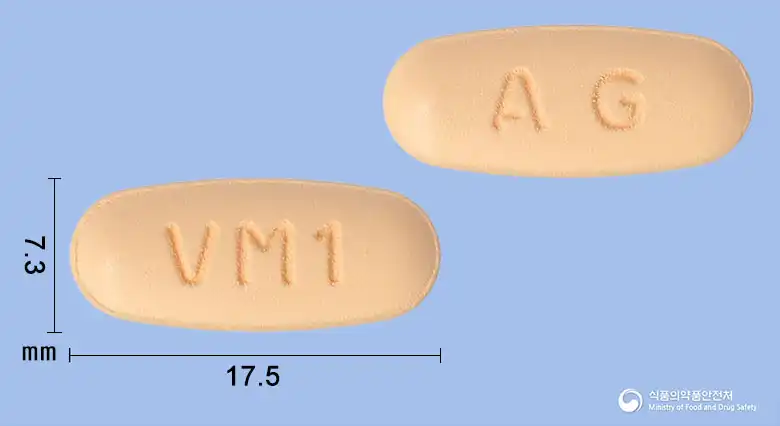 Combination
Vildagliptin 50mg · Metformin Hydrochloride 500mg
Tablet · Prescription medication · Combination
Ahn-Guk Pharmaceutical Co., Ltd.
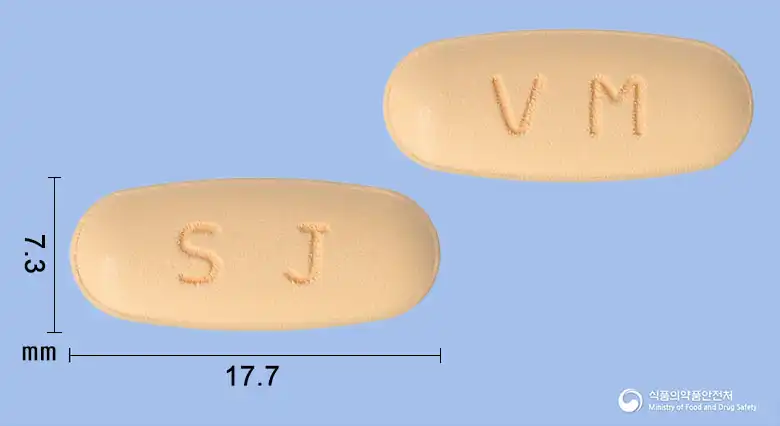 Combination
Vildagliptin 50mg · Metformin Hydrochloride 500mg
Tablet · Prescription medication · Combination
Samjin Pharmaceutical Co., Ltd.
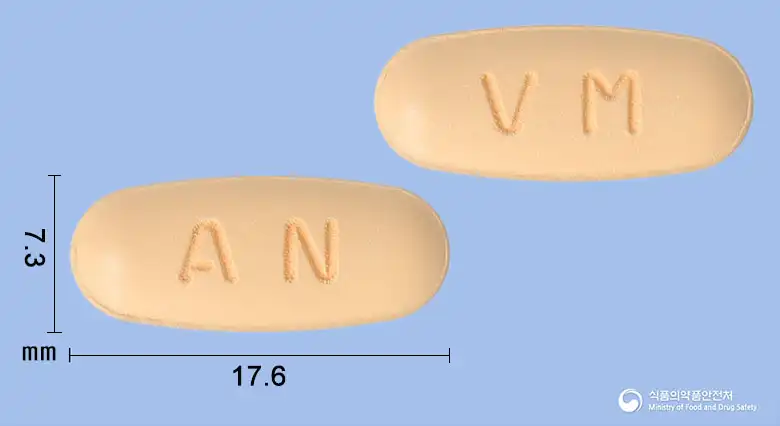 Combination
Vildagliptin 50mg · Metformin Hydrochloride 500mg
Tablet · Prescription medication · Combination
AhnGuk NewPharm Co., Ltd.
Even with the same ingredient, the dose and directions can differ by strength and dosage form. Talk to a doctor or pharmacist before switching from a medication you are already taking.
No questions yet.
For anything that needs medical judgment, consult a doctor or pharmacist.
This drug information is based on data provided by the Korea Ministry of Food and Drug Safety.
Consult a doctor or pharmacist for accurate dosage, administration, and usage instructions.