
 한국어
한국어 English
 日本語
日本語 中文(简体)
 Viewing nowCombination
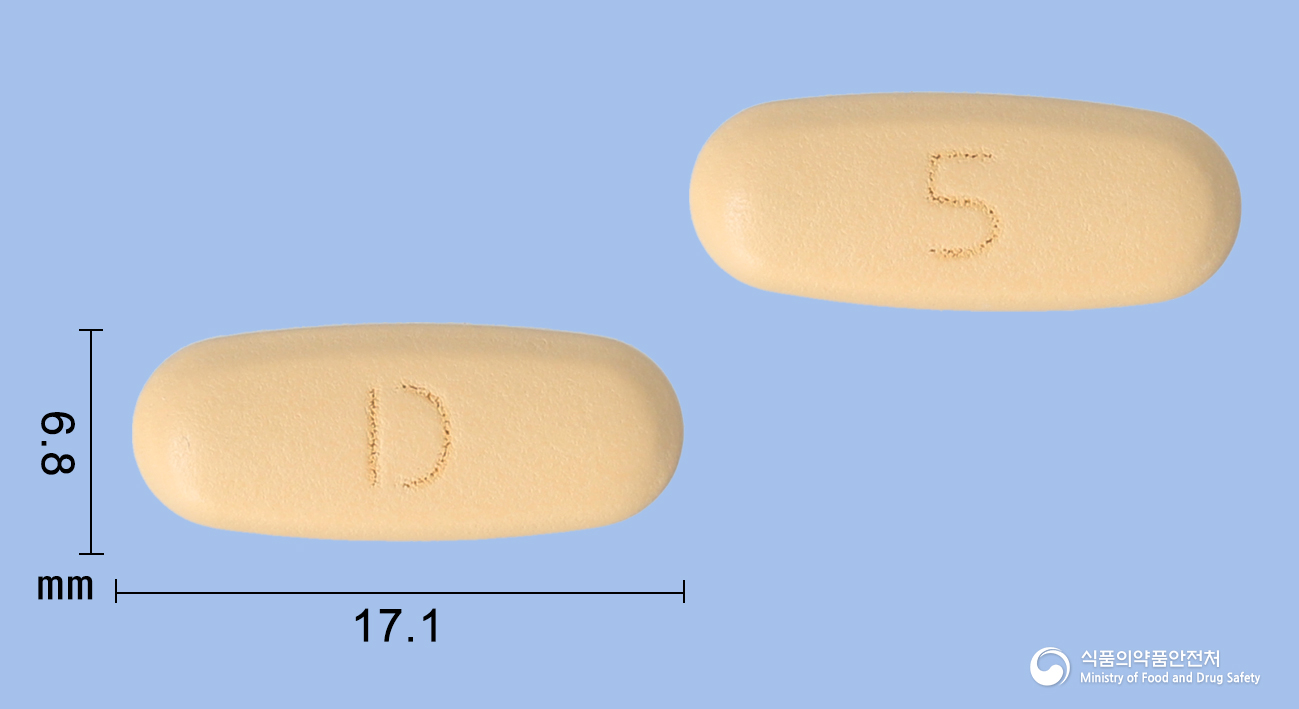
DayaB SMET Tablet 50/500 mg (Vildagliptin, Metformin Hydrochloride)
Vildagliptin 50mg · Metformin Hydrochloride 500mg
Tablet · Prescription medication · Combination
Korea Hutech Pharmaceutical Co., Ltd.
MFDS item code 202302279 · Approved 2023.07.28 · Insurance code 649105770
Improvement of blood sugar control in type 2 diabetes
This medication is prescribed to improve blood sugar control in patients with type 2 diabetes by using vildagliptin and metformin together, assisting in conjunction with dietary and exercise therapies. It effectively lowers blood glucose levels and is used to aid in the management of diabetes.
The dosage should be individualized based on efficacy and tolerability, not exceeding vildagliptin 100mg and metformin 2000mg. A dosage of more than 100mg of vildagliptin per day is not recommended. Administering with food or immediately after meals can reduce gastrointestinal side effects caused by metformin. 1. For patients with no prior experience of diabetes medication treatment, if sufficient blood sugar control is difficult with monotherapy: The initial dosage is 50/500mg of this medication once daily, which may be gradually increased to 50/1000mg twice daily, taking one tablet at a time. 2. For patients transitioning from vildagliptin and metformin combination therapy: Patients switching from vildagliptin and metformin combination therapy can start with the existing dosages of vildagliptin and metformin. Studies examining the safety and efficacy of transitioning from other oral hypoglycemic agents to this medication have not been conducted. Any changes in diabetes treatment regimens can affect blood sugar control, so monitoring must be done carefully. In case of missed doses, take the next dose during the next meal if it's the appropriate time; do not compensate for a missed dose by taking double the amount at once. For patients with liver impairment: This medication is not recommended for patients showing clinical or laboratory evidence of liver impairment, including those with ALT or AST levels exceeding 2.5 times the upper limit of normal before administration.
This medication may cause severe lactic acidosis or hypoglycemia, so caution is necessary. It should especially not be used in patients with moderate to severe renal impairment, heart failure, acute cardiac conditions, or sepsis. If radiocontrast agents containing iodine are to be used for examination, this medication should be discontinued 48 hours prior to the examination, and it should only be resumed after confirming normal kidney function. It should not be administered to individuals with hypersensitivity to this medication or to patients with type 1 diabetes or diabetic ketoacidosis. In cases of severe infection, trauma, or around the time of surgery, this medication should be temporarily discontinued and resumed only after recovery of renal function. Caution is also advised in patients with liver dysfunction or excessive alcohol consumption, as well as those with severe gastrointestinal disorders. Pregnant or breastfeeding women should not take this medication. Irregular meals, intense exercise, and concurrent use of other medications can increase the risk of hypoglycemia or lactic acidosis, so careful usage is warranted. Symptoms such as headache, dizziness, nausea, and hypoglycemia may occur during treatment, and if these symptoms occur, consultation with healthcare professionals is essential. Regular blood tests are recommended to monitor kidney function in order to prevent renal impairment. Additionally, if acute pancreatitis symptoms appear, the medication should be discontinued immediately, and medical consultation should be sought. Alcohol consumption may increase the risk of lactic acidosis, so it is advisable to avoid alcohol while taking this medication. Elderly patients or those with poor nutritional status are at a higher risk of hypoglycemia, hence extra caution is needed. In case of overdose, immediate medical attention should be sought, and dialysis may be necessary. This medication is not recommended for children and adolescents, and any skin abnormality should be reported to healthcare professionals promptly. Lastly, this medication does not replace insulin for patients needing insulin therapy, so it should be taken according to the healthcare provider's instructions.
Not everyone experiences these, and they can vary from person to person.
This medication is sensitive to air and moisture, so it should be stored tightly closed and sealed. Additionally, it should be kept in a cool place at or below 30 degrees Celsius to maintain efficacy.
Bright yellow oval film-coated tablet
30 tablets/bottle, 100 tablets/bottle
Even with the same ingredient, strength, dosage form and how it is taken can differ.
Viewing nowCombinationVildagliptin 50mg · Metformin Hydrochloride 500mg
Tablet · Prescription medication · Combination
Korea Hutech Pharmaceutical Co., Ltd.
 Combination
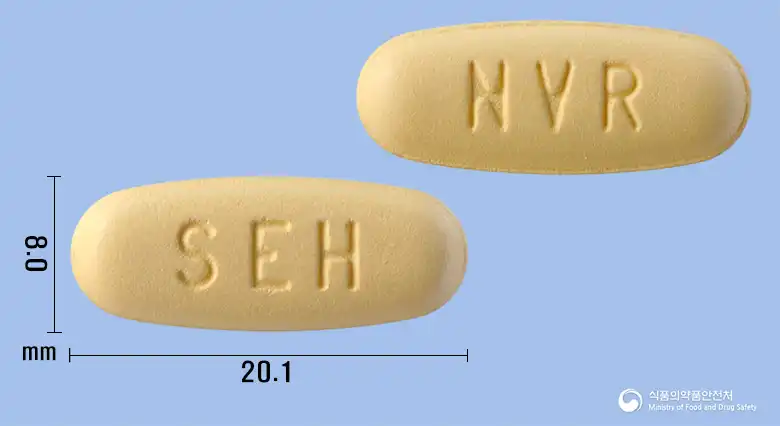
Vildagliptin 50mg · Metformin Hydrochloride 850mg
Tablet · Prescription medication · Combination
Korea Novartis Co., Ltd.
 Combination
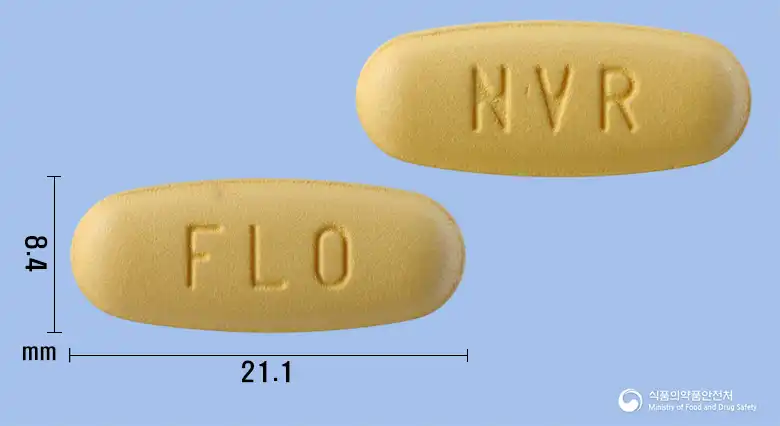
Vildagliptin 50mg · Metformin Hydrochloride 1000mg
Tablet · Prescription medication · Combination
Novartis Korea Co., Ltd.
 Combination
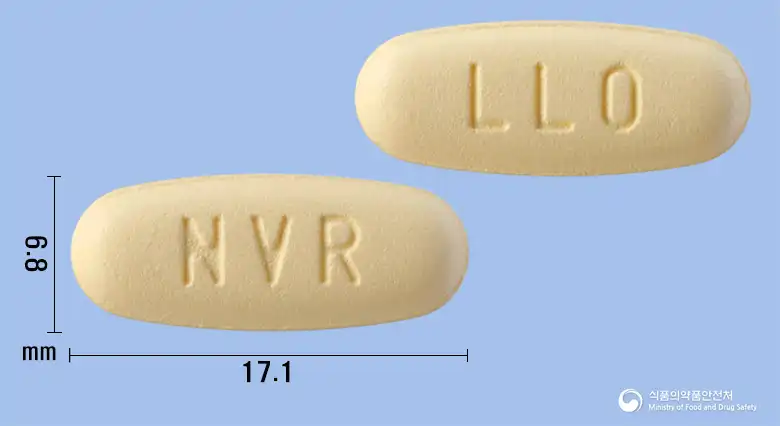
Vildagliptin 50mg · Metformin Hydrochloride 500mg
Tablet · Prescription medication · Combination
Novartis Korea Co., Ltd.
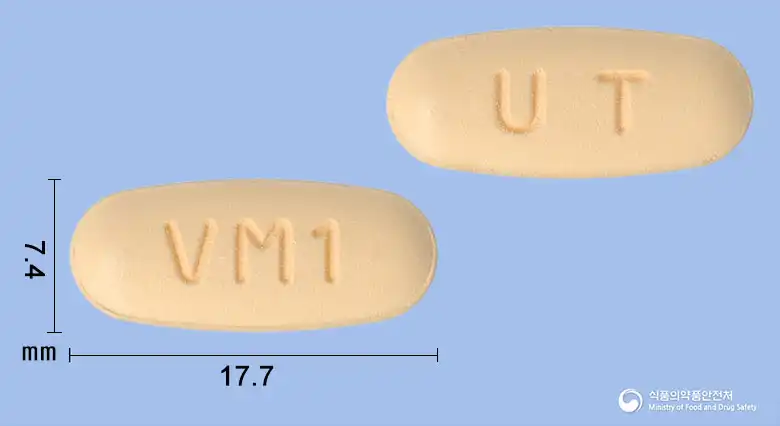 Combination
Vildagliptin 50mg · Metformin Hydrochloride 500mg
Tablet · Prescription medication · Combination
Korea United Pharm, Co., Ltd.
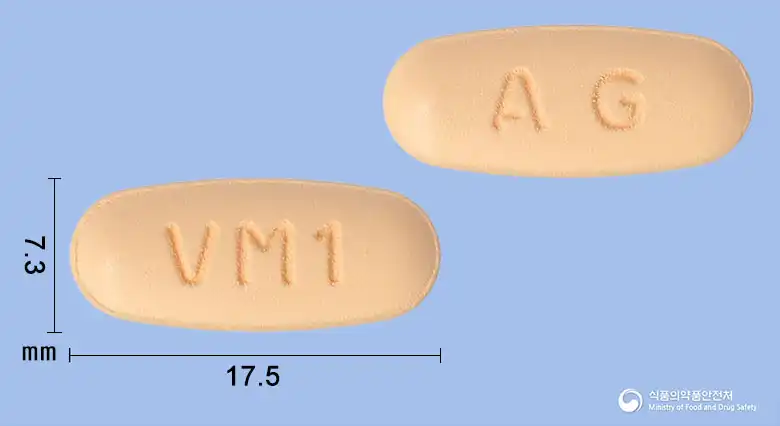 Combination
Vildagliptin 50mg · Metformin Hydrochloride 500mg
Tablet · Prescription medication · Combination
Ahn-Guk Pharmaceutical Co., Ltd.
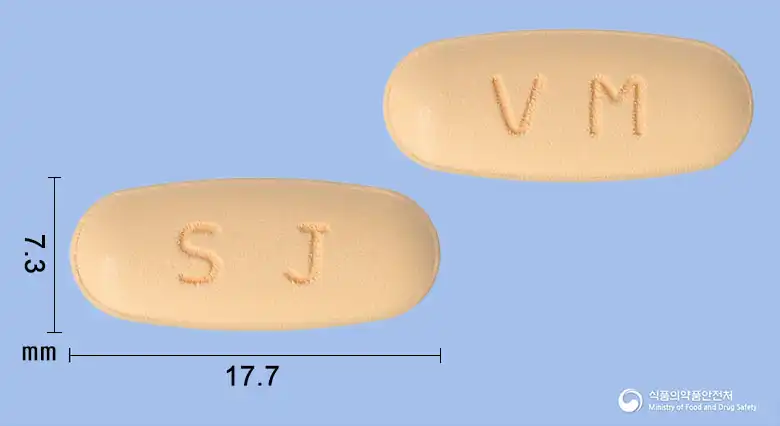 Combination
Vildagliptin 50mg · Metformin Hydrochloride 500mg
Tablet · Prescription medication · Combination
Samjin Pharmaceutical Co., Ltd.
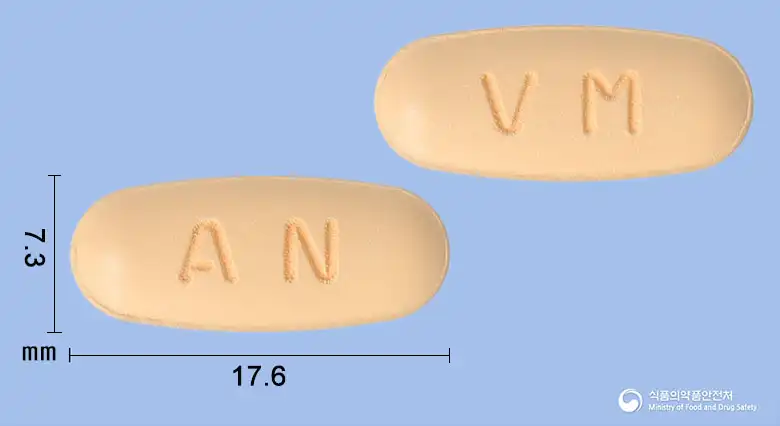 Combination
Vildagliptin 50mg · Metformin Hydrochloride 500mg
Tablet · Prescription medication · Combination
AhnGuk NewPharm Co., Ltd.
Even with the same ingredient, the dose and directions can differ by strength and dosage form. Talk to a doctor or pharmacist before switching from a medication you are already taking.
No questions yet.
For anything that needs medical judgment, consult a doctor or pharmacist.
This drug information is based on data provided by the Korea Ministry of Food and Drug Safety.
Consult a doctor or pharmacist for accurate dosage, administration, and usage instructions.