
 한국어
한국어 English
 日本語
日本語 中文(简体)
 Viewing nowCombination
Dapaijisoseobangjeong 10/500 mg (Dapagliflozin, Metformin)
Dapagliflozin Anhydrous Lactose Mixture 15.27mg · Metformin Hydrochloride 500mg
Tablet · Prescription medication · Combination
Ilyang Pharmaceutical Co., Ltd.
MFDS item code 202301894 · Approved 2023.06.21 · Insurance code 641706490
Blood sugar control in type 2 diabetes and prevention of cardiovascular events
This medication helps improve blood sugar control in patients with type 2 diabetes who are using dapagliflozin and metformin in combination. It is especially administered as an adjunct to patients following dietary and exercise therapies. Additionally, it is used for patients having difficulty in blood sugar control and those with cardiovascular disease or risk factors; further information regarding the risk of cardiovascular events should be consulted with a healthcare professional. This medication is safely and effectively used to improve blood sugar levels in type 2 diabetes.
Typically, this medication is administered once daily with the evening meal. The maximum dosage is 10 mg of dapagliflozin/2000 mg of extended-release metformin once daily and 2 tablets of 5 mg/1000 mg. The recommended starting dosage when used as an initial therapy is 1 tablet of 5 mg/500 mg or 10 mg/500 mg once daily. Dosage adjustments should be made gradually to reduce gastrointestinal side effects of metformin.
This medication contains two active ingredients for the treatment of diabetes. First, this medication works by preventing the reabsorption of glucose in the kidneys, thus helping to lower blood sugar by excreting glucose in the urine. However, there are several precautions to be aware of when using this medication. First, this medication can rarely cause a serious metabolic disorder called lactic acidosis. This condition can lead to excessive buildup of lactic acid in the body, which can be dangerous; thus, if symptoms such as shortness of breath, muscle pain, fatigue, or abdominal pain occur, consult a doctor immediately. Second, when used with other diabetes medications or insulin, hypoglycemia may occur, so careful monitoring of blood sugar changes is necessary. Third, it is safer not to use this medication in patients with poor kidney function or conditions such as dehydration, severe infection, heart problems, or liver dysfunction. Fourth, women who are pregnant or breastfeeding should not take this medication, and if planning to become pregnant, they should consult their doctor. Fifth, this medication can increase urine volume leading to fluid depletion; therefore, patients with dehydration symptoms or low blood pressure should be cautious. Sixth, this medication can increase the risk of genital and urinary tract infections; if symptoms of infection occur, adequate treatment should be sought. Seventh, vitamin B12 levels may decrease, so regular blood tests are recommended for long-term use. Eighth, alcohol consumption may increase the risk of side effects from this medication, so excessive drinking should be avoided. Ninth, if undergoing surgery or testing that involves iodine contrast while taking this medication, it may be necessary to pause taking the medication and check kidney function for a period of time. Lastly, this medication may cause dizziness or symptoms of dehydration; thus, caution is needed when driving or operating machinery. This medication should be taken strictly according to a doctor's prescription and instructions, and any unusual symptoms should be reported to healthcare professionals immediately.
Vulvovaginitis, balanitis and related genital infections, urinary tract infections, hypoglycemia, decreased fluid volume, polydipsia, dizziness, constipation, dry mouth, lower back pain, dysuria, polyuria, nocturia, genital itching, increased hematocrit, reduced creatinine clearance at the initiation of treatment, dyslipidemia, elevated blood creatinine, elevated blood urea, weight loss, diarrhea, nausea/vomiting, decreased vitamin B12, abdominal pain, dyspepsia, abdominal bloating
Not everyone experiences these, and they can vary from person to person.
This medication is sensitive to air and moisture, so it must be stored in a tightly sealed container. It is important to maintain a storage temperature between 1 and 30 degrees Celsius to preserve the effectiveness and safety of the medication.
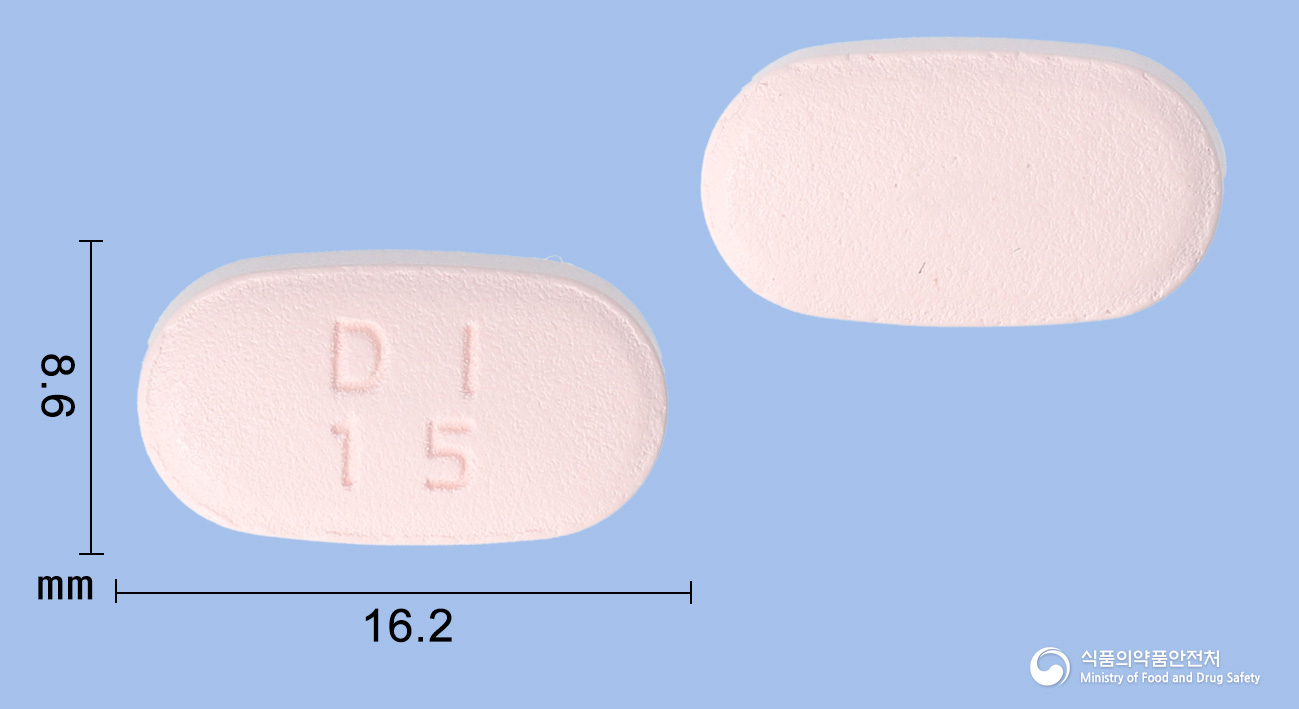
Pink, oval-shaped extended-release film-coated tablet with both sides convex
30 tablets/box [(6 tablets/PTP)*5], 30 tablets/bottle, 200 tablets/bottle
Even with the same ingredient, strength, dosage form and how it is taken can differ.
Viewing nowCombinationDapagliflozin Anhydrous Lactose Mixture 15.27mg · Metformin Hydrochloride 500mg
Tablet · Prescription medication · Combination
Ilyang Pharmaceutical Co., Ltd.
 Combination
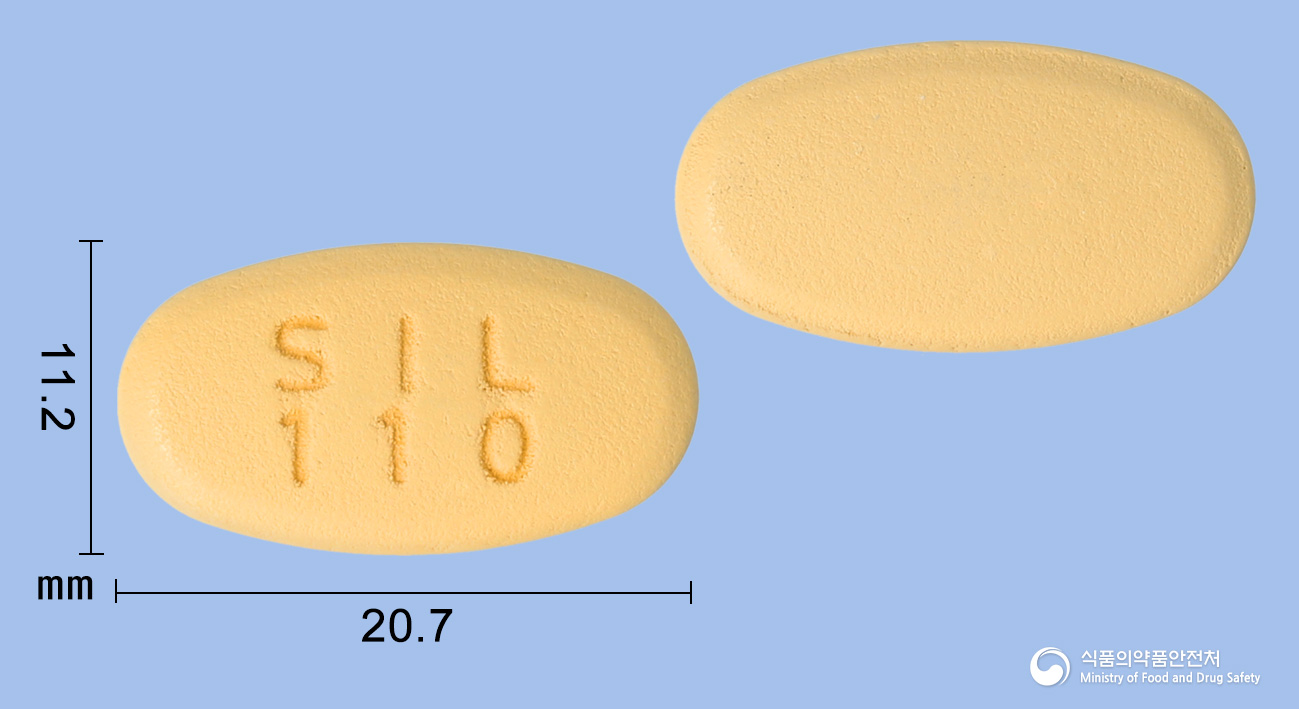
Dapagliflozin Anhydrous Lactose Mixture 15.27mg · Metformin Hydrochloride 1000mg
Tablet · Prescription medication · Combination
Shinil Pharmaceutical Co., Ltd.
Dapagliflozin Anhydrous Lactose Mixture 15.27mg · Metformin Hydrochloride 1000mg
Tablet · Prescription medication · Combination
Daewoo Pharmaceutical Co., Ltd.
Dapagliflozin Anhydrous Lactose Mixture 15.27mg · Metformin Hydrochloride 1000mg
Tablet · Prescription medication · Combination
Dongkwang Pharmaceutical Co., Ltd.
 Combination
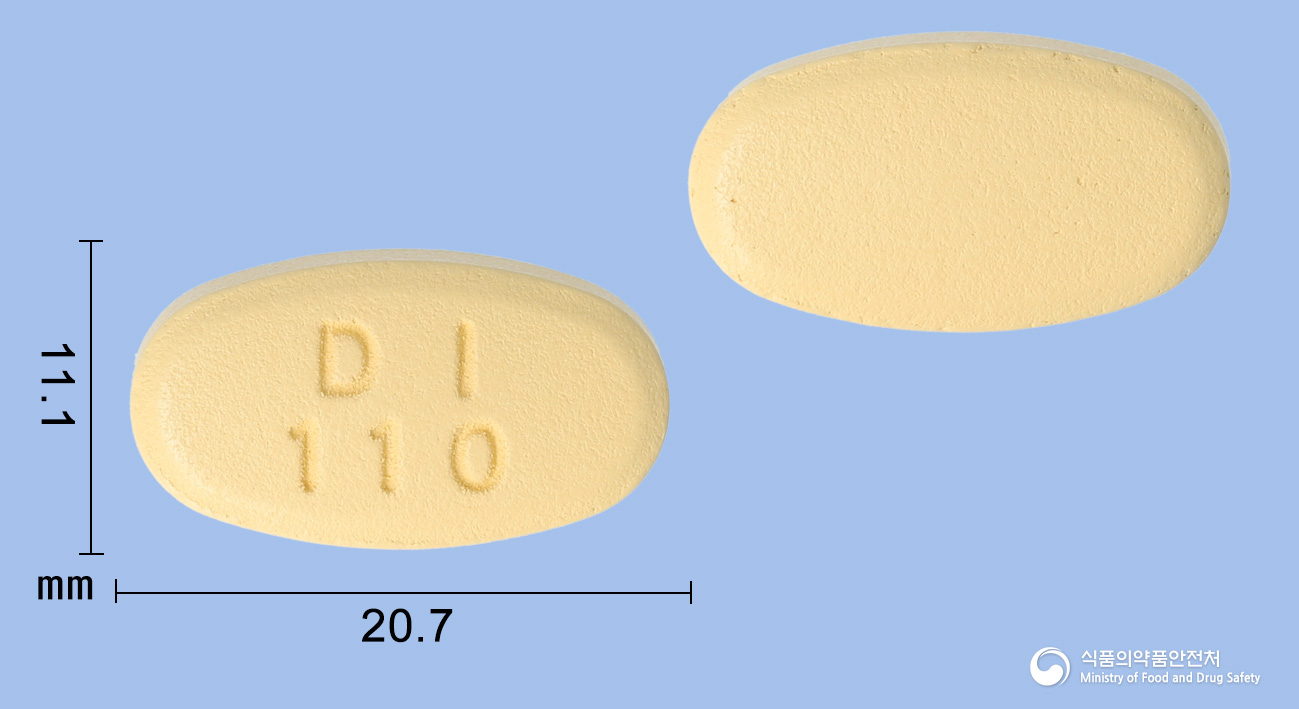
Dapagliflozin Anhydrous Lactose Mixture 15.27mg · Metformin Hydrochloride 1000mg
Tablet · Prescription medication · Combination
Il-Yang Pharmaceutical Co., Ltd.
 Combination
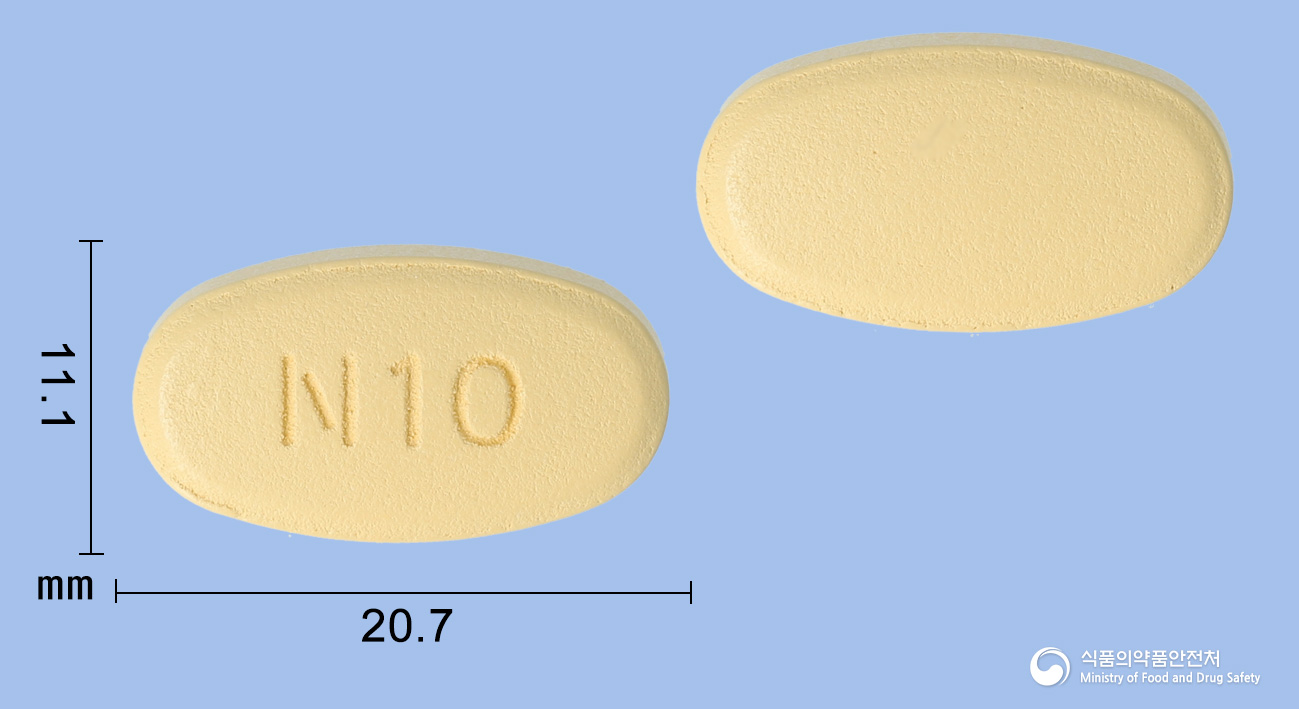
Dapagliflozin Anhydrous Lactose Mixture 15.27mg · Metformin Hydrochloride 1000mg
Tablet · Prescription medication · Combination
HK inno.N Co., Ltd.
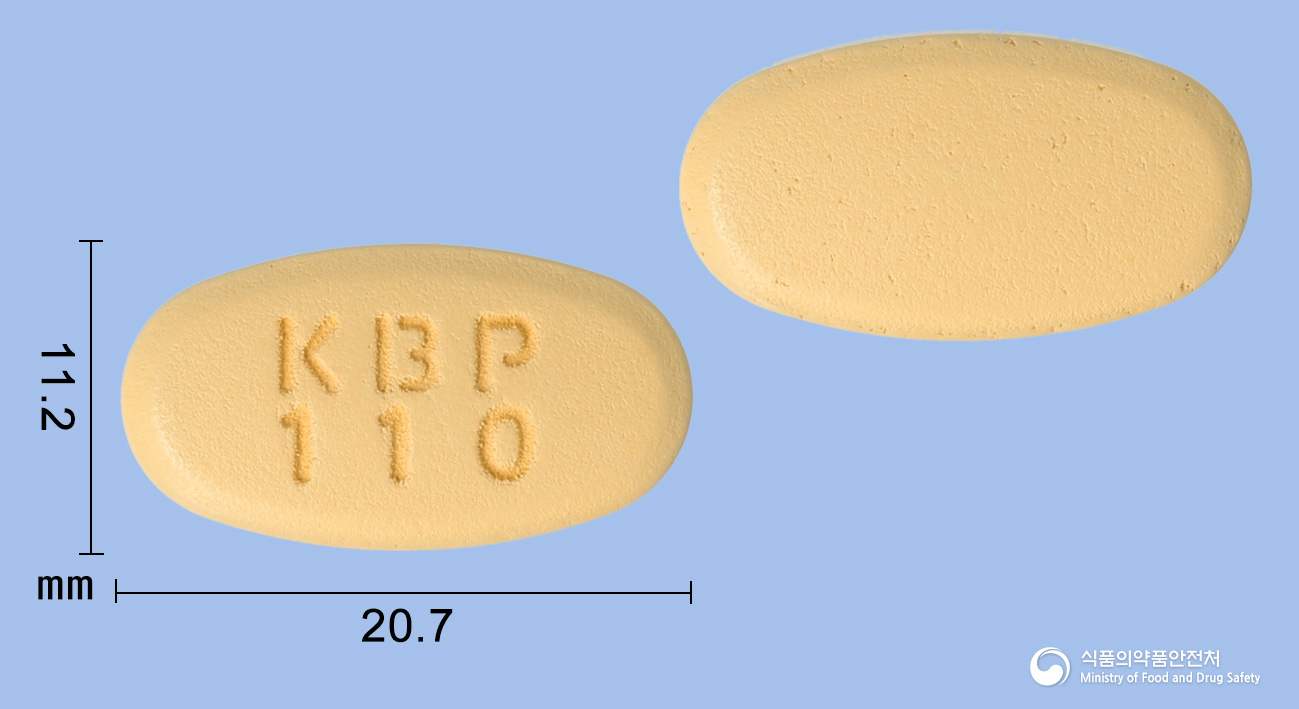 Combination
Dapagliflozin Anhydrous Lactose Mixture 15.27mg · Metformin Hydrochloride 1000mg
Tablet · Prescription medication · Combination
Kyungbo Pharmaceutical Co., Ltd.
Dapagliflozin Anhydrous Lactose Mixture 15.27mg · Metformin Hydrochloride 1000mg
Tablet · Prescription medication · Combination
Albogen Korea Co., Ltd.
Even with the same ingredient, the dose and directions can differ by strength and dosage form. Talk to a doctor or pharmacist before switching from a medication you are already taking.
No questions yet.
For anything that needs medical judgment, consult a doctor or pharmacist.
This drug information is based on data provided by the Korea Ministry of Food and Drug Safety.
Consult a doctor or pharmacist for accurate dosage, administration, and usage instructions.