
 한국어
 English
 日本語
 中文(简体)
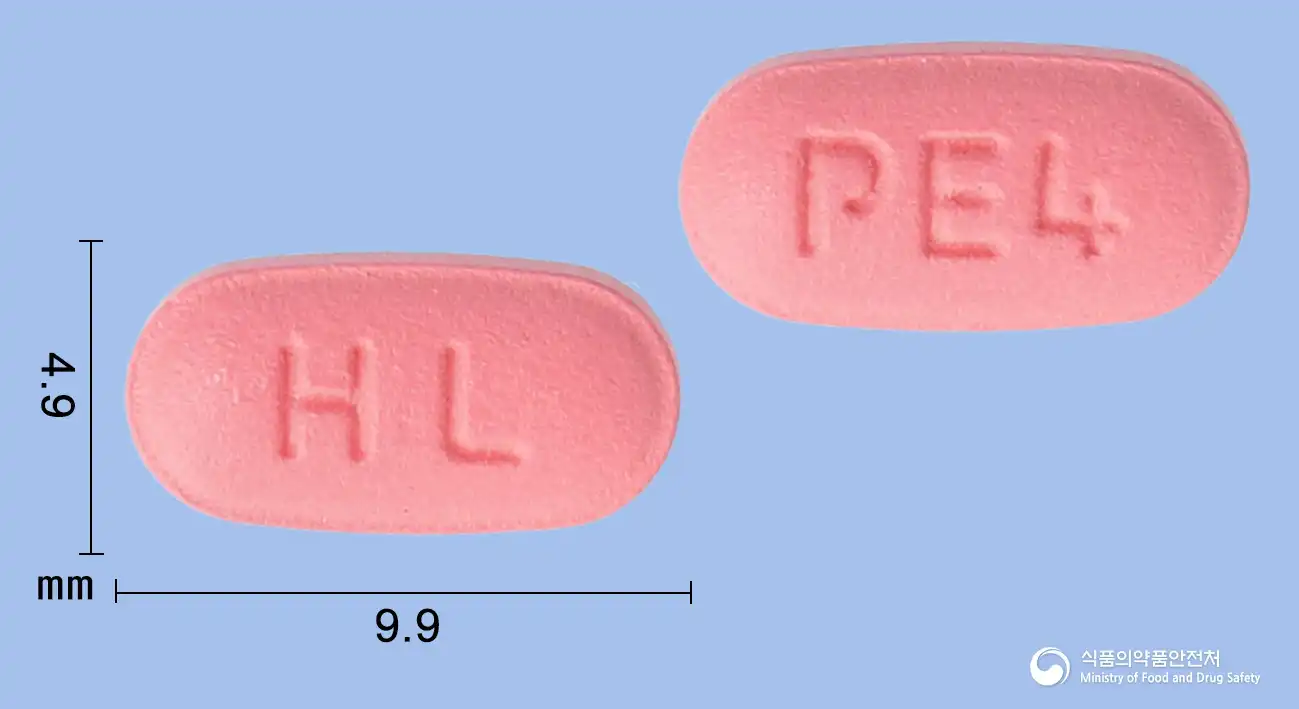 Viewing nowCombination
Statjet Tablet 4/10 mg (Pitavastatin Calcium, Ezetimibe)
Pitavastatin Calcium 4mg · Ezetimibe 10mg
Tablet · Prescription medication · Combination
Hanlim Pharmaceutical Co., Ltd.
MFDS item code 202301667 · Approved 2023.05.25 · Insurance code 645306970
Improvement of primary hypercholesterolemia and mixed dyslipidemia
This medication helps reduce total cholesterol, LDL cholesterol, apo B, triglycerides, and non-HDL cholesterol levels in patients with primary hypercholesterolemia or mixed dyslipidemia, while increasing HDL cholesterol levels. It is used as an adjunct to dietary management, aiding in the improvement of blood lipid levels to maintain a healthy vascular state.
Administer this medicine once daily, regardless of meals. Patients should continue to follow a standard cholesterol-lowering diet before and during treatment with this medicine. The dose of this medicine should be adjusted according to the patient's baseline LDL cholesterol level, recommended treatment goal, and response. The recommended initial dose is 2/10mg once daily. If the reduction in LDL cholesterol is insufficient, the dose may be increased up to a maximum of 4/10mg daily. Adjust the dose as appropriate at intervals of 4 weeks or longer according to the LDL cholesterol level, treatment goal, and patient response. Patients taking pitavastatin calcium and ezetimibe concomitantly may switch to this medicine (a combination product containing the same amounts of each active ingredient) for convenience. Administration in patients with hepatic impairment: Because an initial dose of 1 milligram of pitavastatin calcium is recommended for patients with hepatic impairment, this medicine (a combination of pitavastatin calcium/ezetimibe) is not recommended for initial treatment. The maximum dose is 2/10mg daily. Use of this medicine (a combination of pitavastatin calcium/ezetimibe) is not recommended in patients with moderate hepatic impairment. Do not administer this medicine (a combination of pitavastatin calcium/ezetimibe) to patients with severe hepatic impairment.
This drug should not be used in patients with allergies or history of hypersensitivity to certain components. It is also contraindicated in patients with active liver disease or unexplained elevation of liver enzyme levels, severe liver impairment, or biliary obstruction. Patients taking cyclosporine, those with myopathy, pregnant women or women who may become pregnant, nursing mothers, and children should not use this medication. This drug contains lactose, so it should not be administered to patients with lactose intolerance or related genetic disorders. Caution should be exercised when administering to patients with mild to moderate liver function impairment, excessive alcohol consumption, renal impairment, hypothyroidism, and the elderly. Particularly, patients taking fibrates or niacin are at higher risk for muscle-related side effects, and it is advisable to avoid concomitant administration of these medications if possible. While using this drug, any muscle-related symptoms such as myalgia, weakness, or muscle tenderness should lead to prompt consultation with a physician, and liver function tests should be performed regularly. Serious muscle-related side effects such as myopathy or rhabdomyolysis can occur, and if such symptoms are suspected, the medication should be discontinued immediately. If signs of impaired liver function appear, treatment should be halted, and appropriate measures should be taken, including regular blood tests to monitor liver enzyme levels. This medication is not to be used in pregnant or nursing women, and women planning to become pregnant should consult a physician before use. Safety and efficacy in children have not been established, thus it should not be used in pediatric patients. In the elderly, dosage adjustment is generally not necessary, but caution is required in case of adverse reactions. If an overdose occurs, there is no specific antidote, and treatment should be symptomatic and supportive, with monitoring of liver function and muscle-related tests. This medication should be kept out of reach of children and should not be transferred to another container to maintain quality.
Not everyone experiences these, and they can vary from person to person.
This medication is sensitive to light and should be stored in a container that protects it from light. Furthermore, to maintain the effectiveness of the drug, it is important to store it at a temperature between 1°C and 30°C.
Pink oval film-coated tablets
30 tablets/bottle
Even with the same ingredient, strength, dosage form and how it is taken can differ.
Viewing nowCombinationPitavastatin Calcium 4mg · Ezetimibe 10mg
Tablet · Prescription medication · Combination
Hanlim Pharmaceutical Co., Ltd.
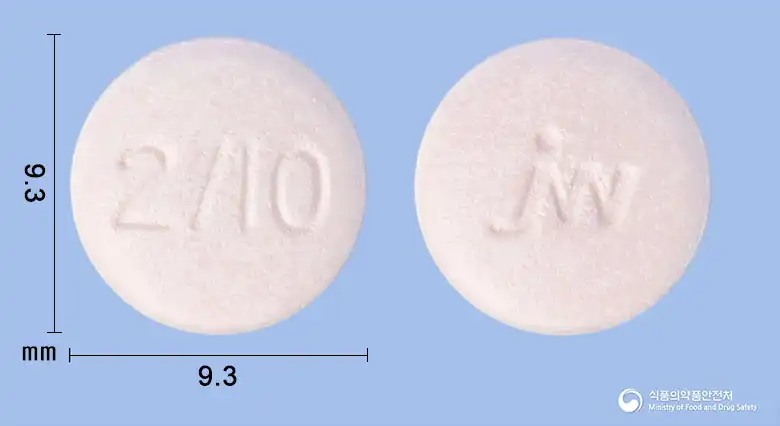 Combination
Pitavastatin Calcium Hydrate 2.205mg · Ezetimibe 10mg
Tablet · Prescription medication · Combination
JW Pharmaceutical Co., Ltd.
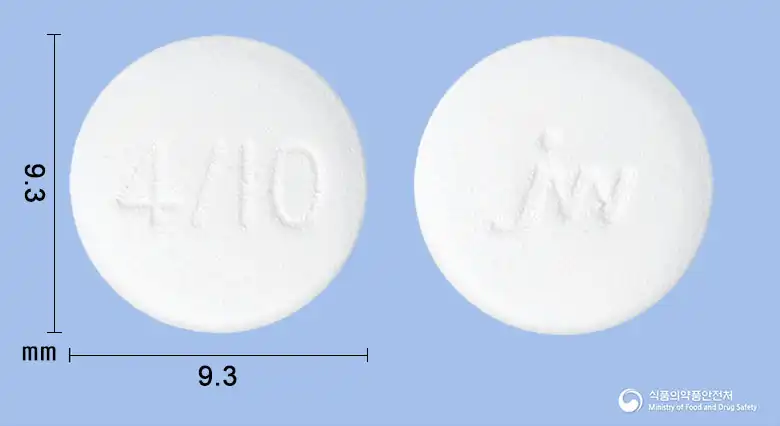 Combination
Pitavastatin Calcium Hydrate 4.409mg · Ezetimibe 10mg
Tablet · Prescription medication · Combination
JW Pharmaceutical Corp.
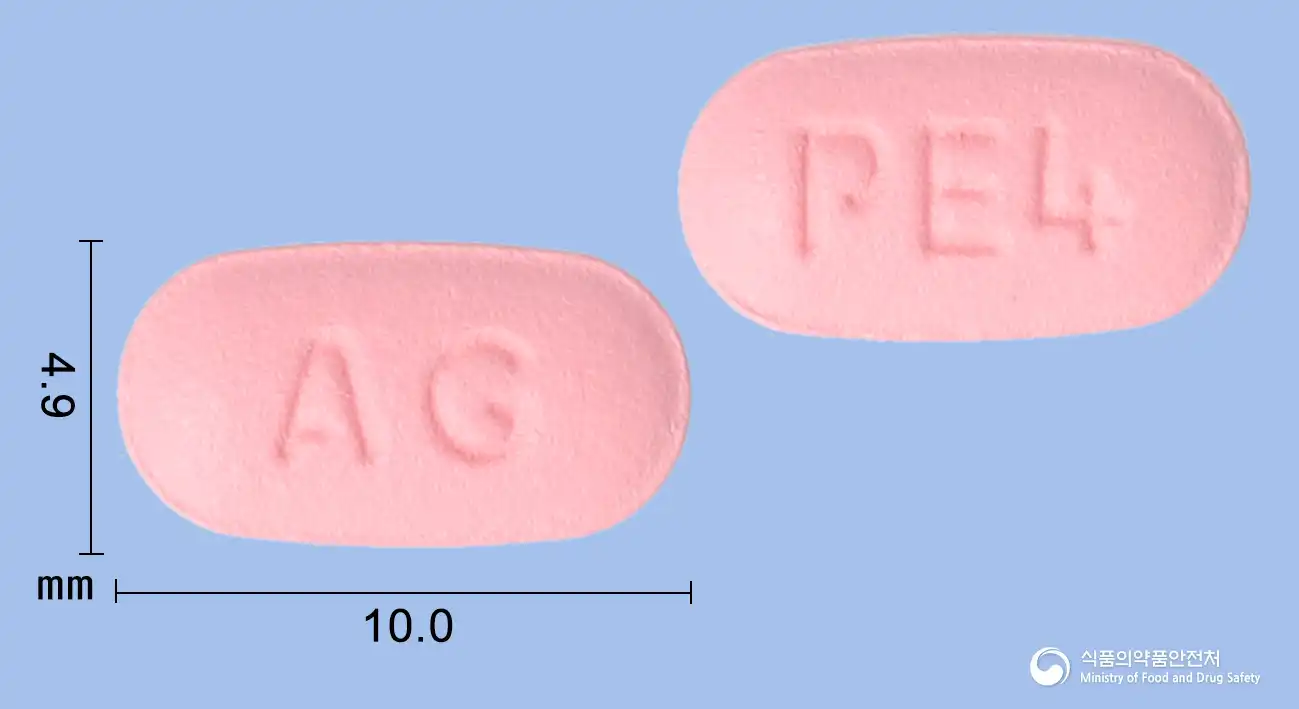 Combination
Pitavastatin Calcium 4mg · Ezetimibe 10mg
Tablet · Prescription medication · Combination
Ankuk Pharmaceutical Co., Ltd.
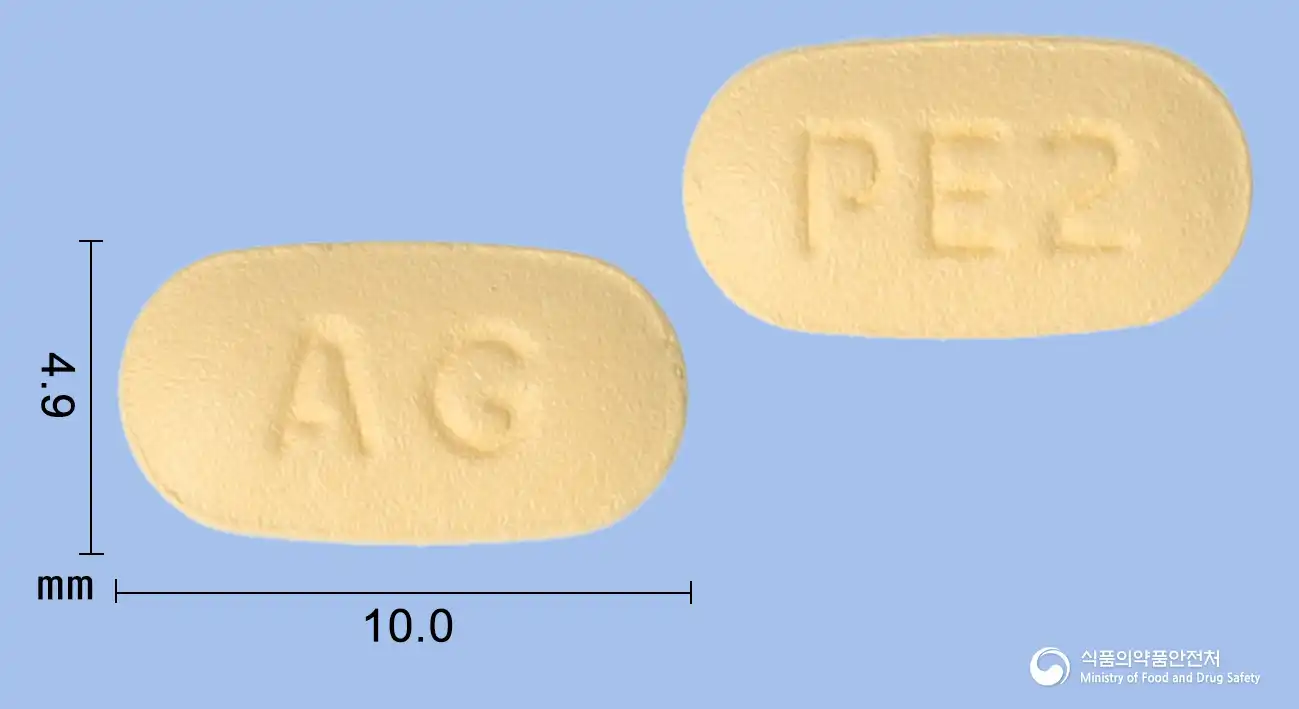 Combination
Pitavastatin Calcium 2mg · Ezetimibe 10mg
Tablet · Prescription medication · Combination
Ahn Gook Pharmaceutical Co., Ltd.
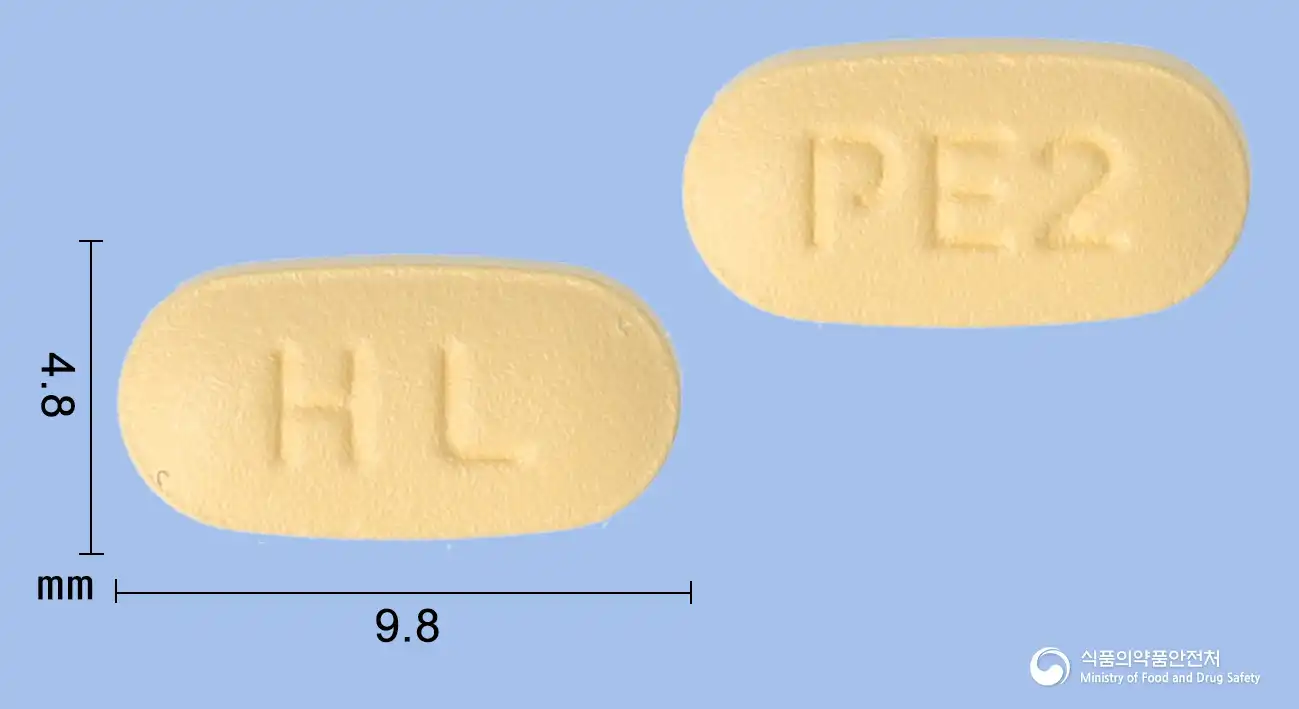 Combination
Pitavastatin Calcium 2mg · Ezetimibe 10mg
Tablet · Prescription medication · Combination
Hanlim Pharmaceutical Co., Ltd.
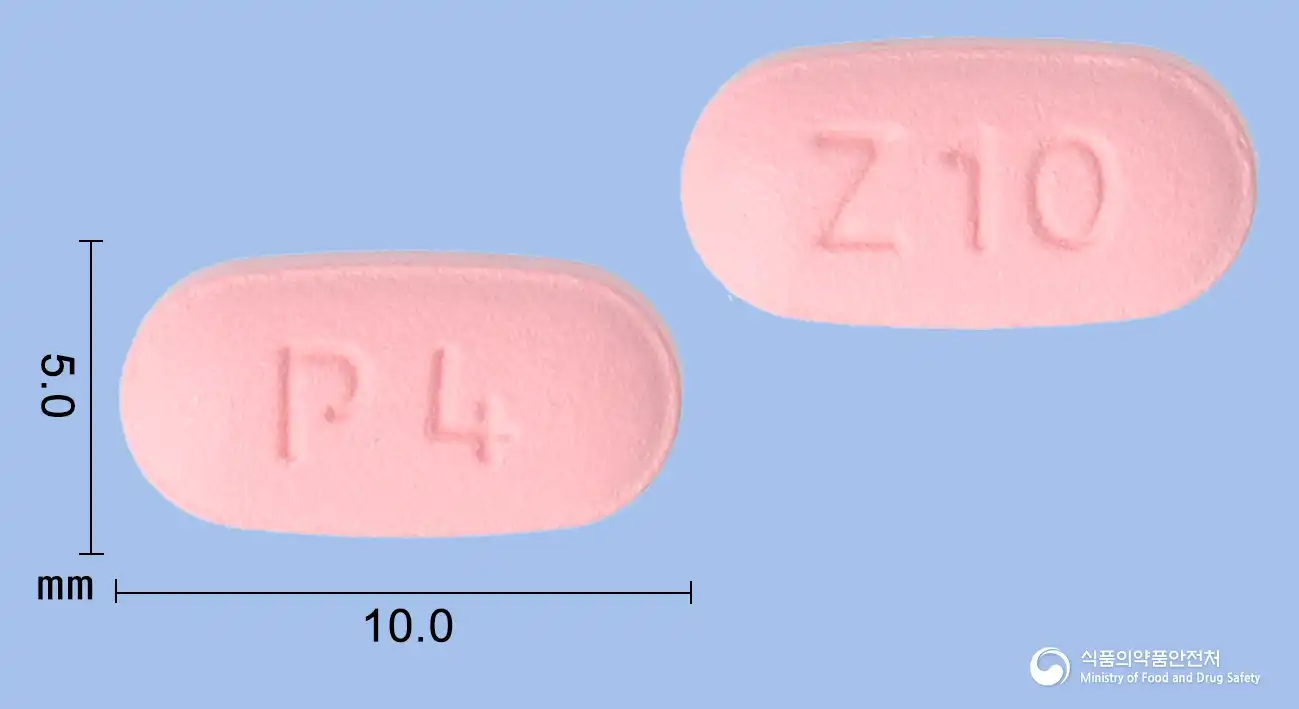 Combination
Pitavastatin Calcium 4mg · Ezetimibe 10mg
Tablet · Prescription medication · Combination
Dongkwang Pharmaceutical Co., Ltd.
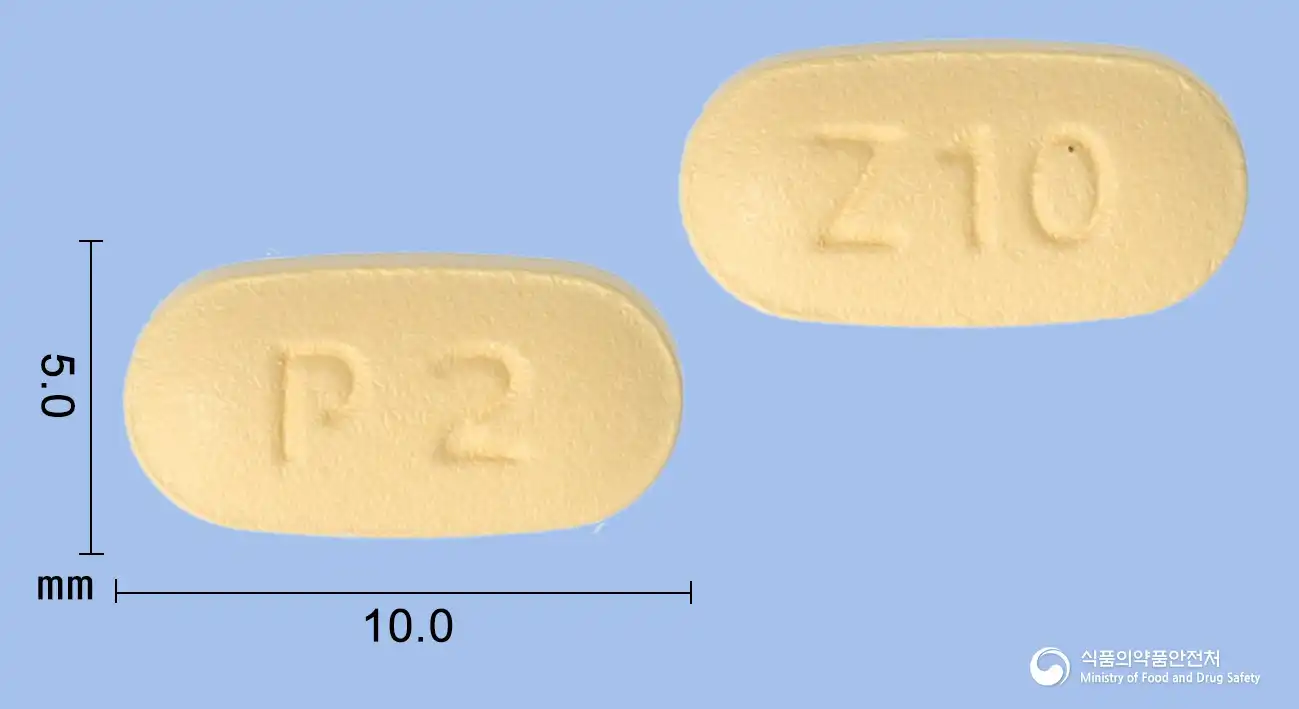 Combination
Pitavastatin Calcium 2mg · Ezetimibe 10mg
Tablet · Prescription medication · Combination
Dongkwang Pharmaceutical Co., Ltd.
Even with the same ingredient, the dose and directions can differ by strength and dosage form. Talk to a doctor or pharmacist before switching from a medication you are already taking.
No questions yet.
For anything that needs medical judgment, consult a doctor or pharmacist.
This drug information is based on data provided by the Korea Ministry of Food and Drug Safety.
Consult a doctor or pharmacist for accurate dosage, administration, and usage instructions.